
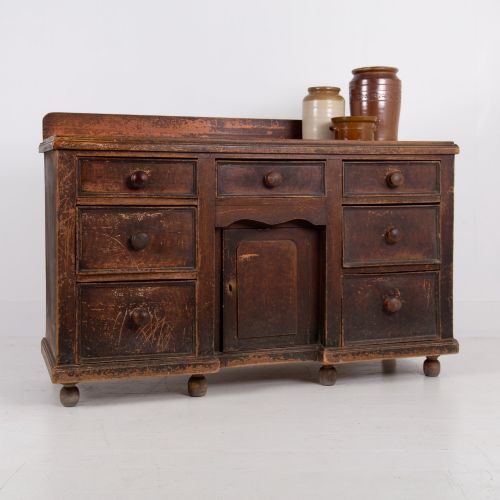
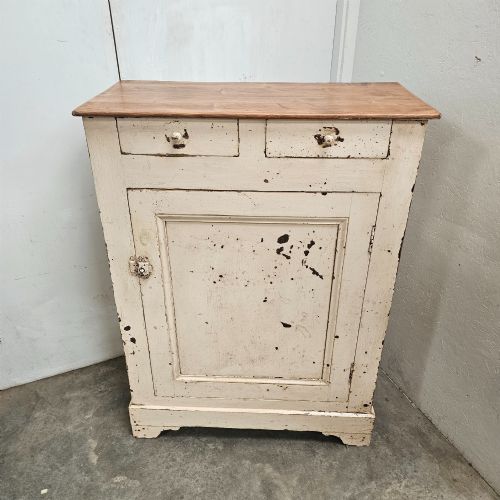
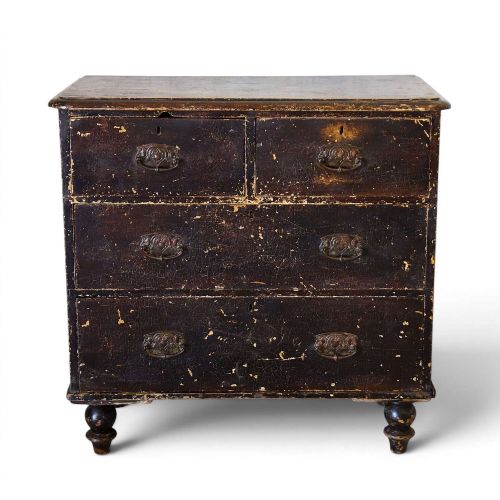
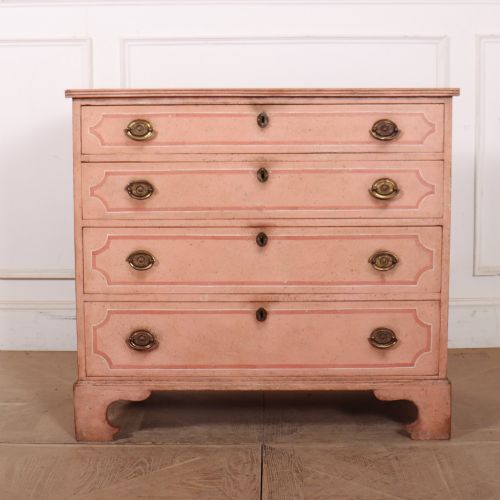
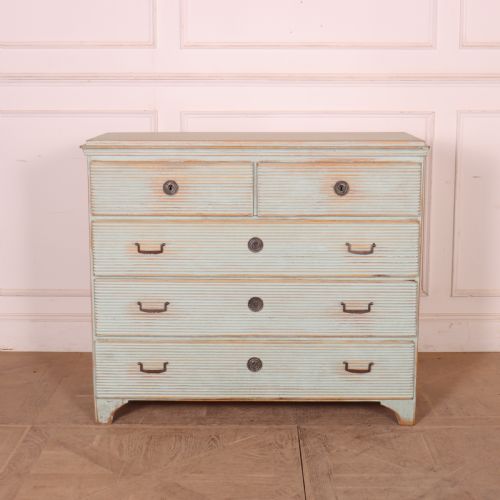
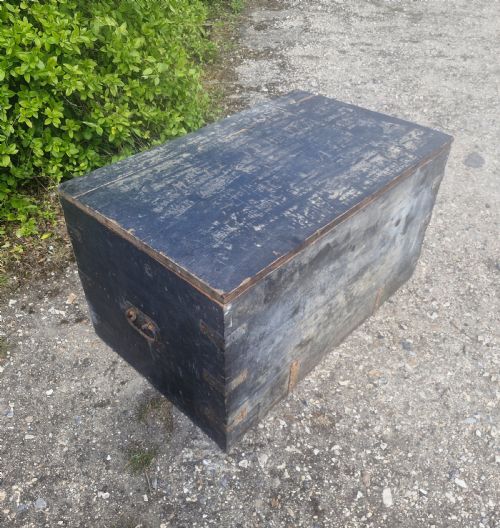
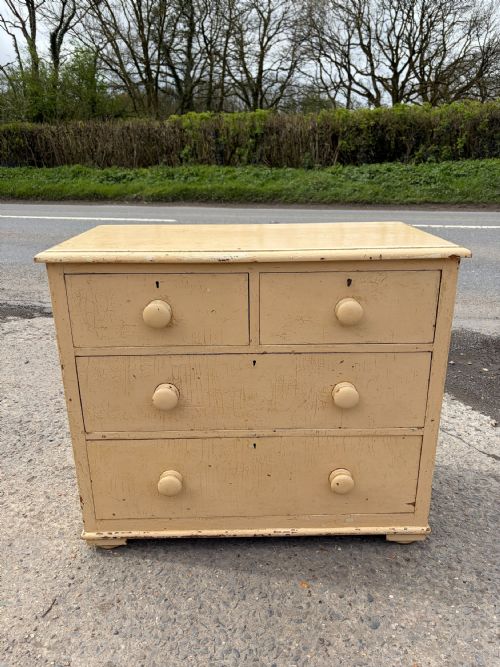

Distressed Painted Pine Chest
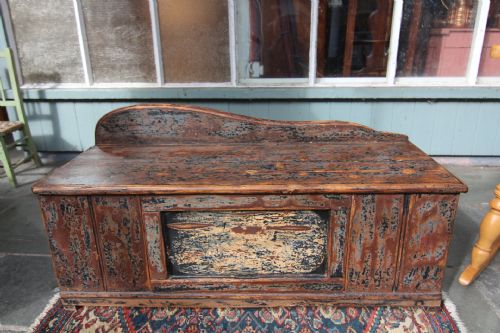
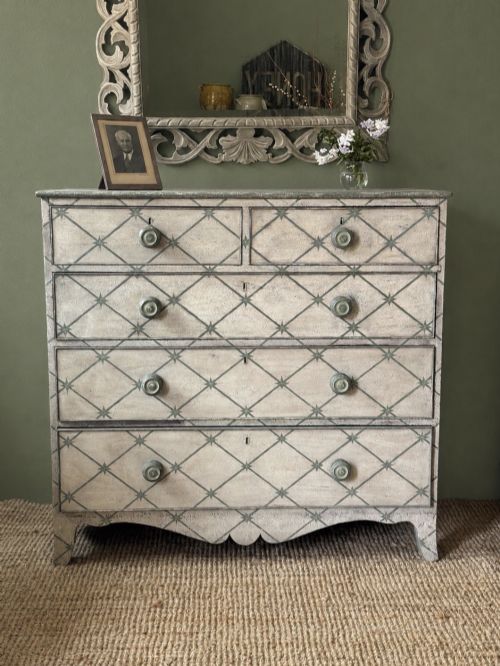
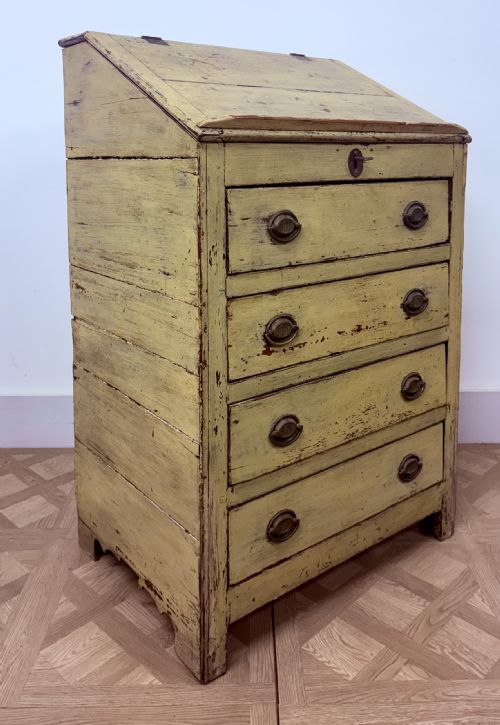
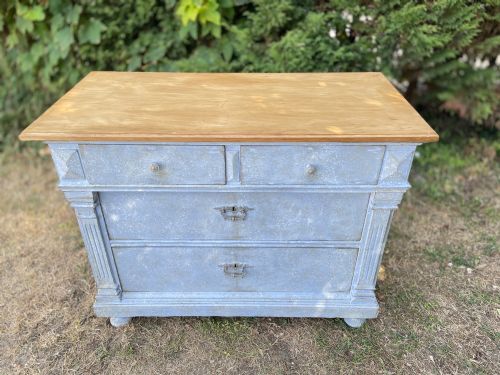
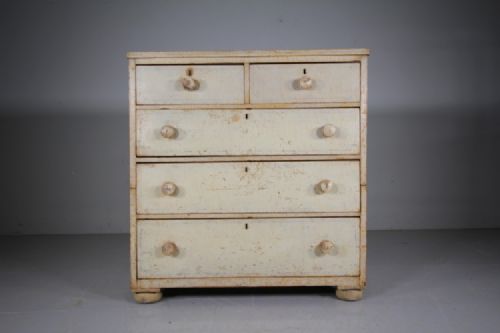
A distressed painted pine chest brings useful utility and softened character to a room, carrying layers of old colour through the centuries.
Distressed Painted Pine Chest
A distressed painted pine chest is a storage piece constructed primarily from softwood and finished with decorative coats of paint that have weathered through decades of use. Buyers searching for a distressed painted pine chest seek both practical storage capacity and a tactile surface texture that only time and wear can provide.
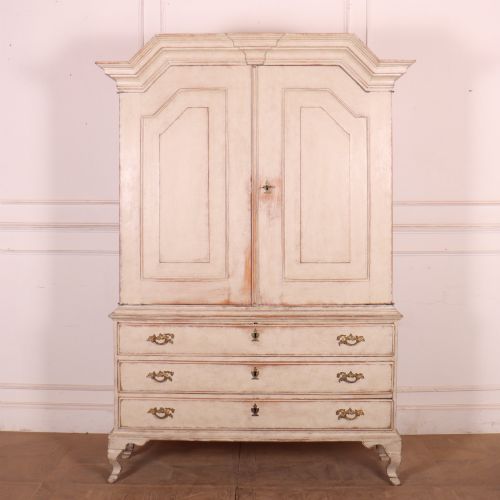
The pieces on this page span several centuries, with the nineteenth century and Victorian period supplying many of the drawer chests and storage trunks. Regional variations appear frequently, ranging from English country workshops to Scandinavian folk art traditions and French Gustavian styles.
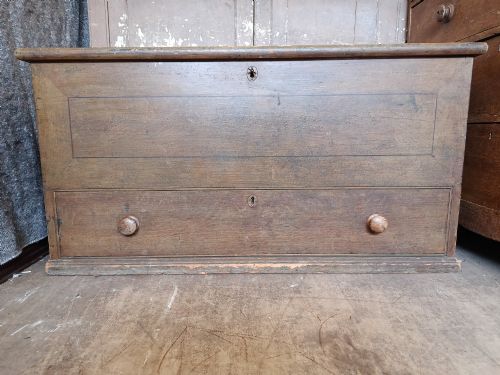
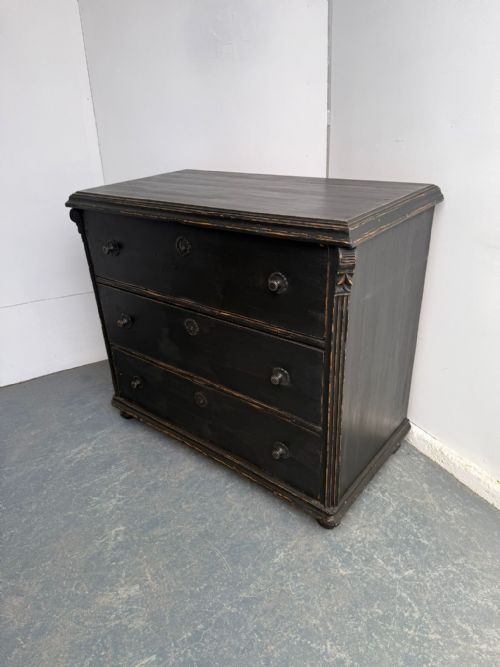
While chests of drawers dominate the selection, the category also embraces mule chests, commodes, blanket boxes, and linen cupboards. These forms share a utilitarian beginning in domestic settings, adapted over time through successive layers of paint.
Materials and Construction
Makers built these pieces using native pine timbers, selecting softwood for its availability and workability in provincial and country workshops. Cabinet makers joined carcases with traditional dovetail and pegged joints, often constructing larger chests in two separate sections for ease of transport.
Surfaces received priming and coats of paint, sometimes utilising scumble glazes, brown graining, or simple white pigments that have subsequently chipped and worn away. Iron, brass, and wrought metal hardware including handles, hinges, and lock plates secured the structure and added functional detail.
Several trunks retain their original travel labels, proving they journeyed across borders long before anyone called them distressed.
Factors of Quality
Quality rests significantly in the integrity of the original paint surface, distinguishing examples that retain their historic coats from those stripped or heavily repainted in later years. The preservation of authentic scumble, folk art motifs, or layered patination elevates a piece above standard utility items.
Construction methods and proportions also govern the standard of a piece, separating robustly built cabinet work from simpler utilitarian boxes. Well-fitted drawers, original brass or iron hardware, and untouched interior timbers contribute to the overall integrity of the furniture.
The Distressed Painted Pine Chest Glossary
- Scumble paint
- A translucent or opaque glaze applied over a base coat and manipulated with combs or brushes to imitate finer woods or create textured patterns. This technique appears on nineteenth-century pieces to lend depth to plain pine surfaces.
- Mule chest
- A storage box fitted with one or more drawers in the base beneath the main compartment. This hybrid form bridges the traditional blanket chest and the chest of drawers.
- Commode
- A low cabinet or chest of drawers, often of continental European origin. The term covers various stylistic revivals including Gustavian and Baroque designs.
- Confiturier
- A French jam cupboard designed for small-scale food storage. These narrow cupboards typically feature a single door enclosing interior shelving.
- Dovetail
- A joint formed by interlocking wedge-shaped fingers, used to secure drawer corners and carcase frames. Hand-cut dovetails indicate traditional craftsmanship.
Distressed Painted Pine Chest: Frequently Asked Questions
How do I date a pine chest?
Dating relies on examining construction methods, such as the regularity of hand-cut dovetails and the type of fixings used in the assembly. Secondary woods inside drawers and the composition of the timber boards offer further clues to the period of manufacture.
Paint analysis also assists in establishing age, as specific pigments and scumble techniques align with nineteenth-century or earlier traditions. Comparing hardware styles, from brass handles to wrought iron latches, helps narrow down the decade.
What is scumble paint?
Scumble paint is a decorative finishing technique involving a pigmented glaze worked over a lighter base coat. Artisans used combs, rags, or brushes to create mottled textures that simulated grain or added depth to softwood furniture.
This treatment protected the underlying pine while offering a decorative finish suited to country houses and provincial interiors. Over time, wear softens the scumble layer, creating the characteristic distressed texture collectors value.
Are these chests made in two parts?
Larger examples, particularly tall chests of drawers and linen cupboards, were frequently constructed in two separate upper and lower sections. This modular approach allowed makers and owners to move heavy furniture through narrow stairwells and doorways.
Symmetrical mouldings and stacking joints hide the division while maintaining structural stability. Buyers should check the sides and backboards to confirm whether a piece separates.
How do I care for original paint?
Preserving historic surfaces requires avoiding harsh chemical cleaners, modern solvents, and abrasive cloths that can strip away fragile pigment layers. Dusting gently with a dry, soft brush or microfiber cloth keeps the surface clean without disturbing the old patination.
Maintaining stable room humidity prevents the pine underneath from expanding or contracting, which minimises flaking of the paint. Applying occasional specialist wax to unpainted interior timbers helps nourish the wood.