
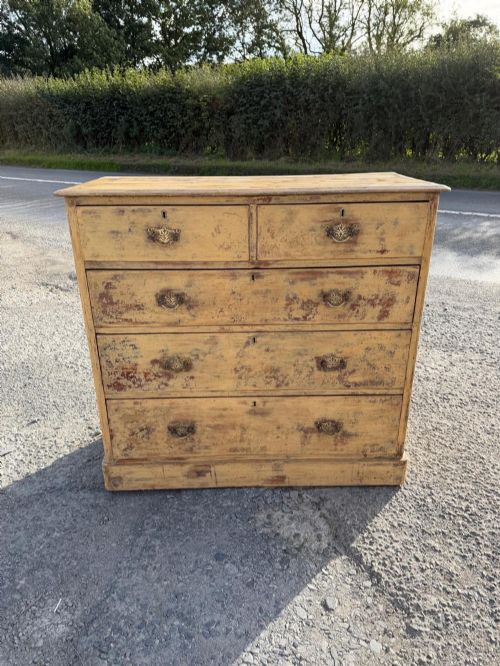
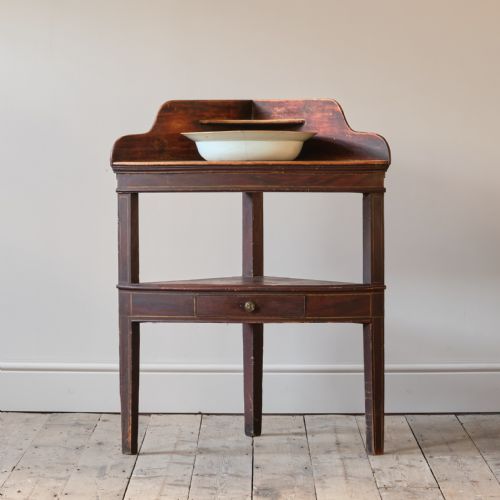
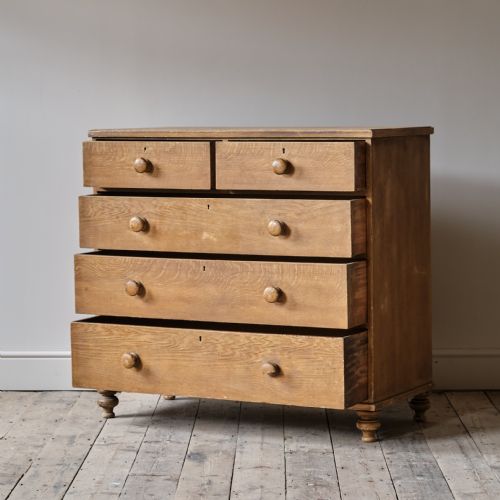
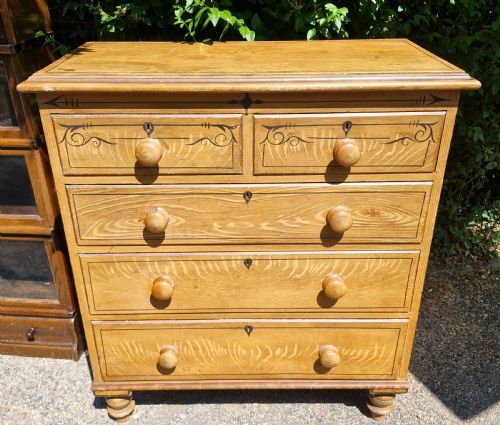
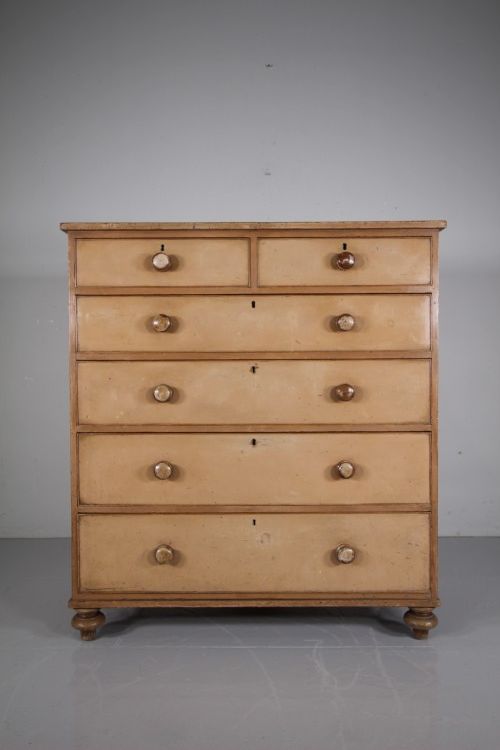
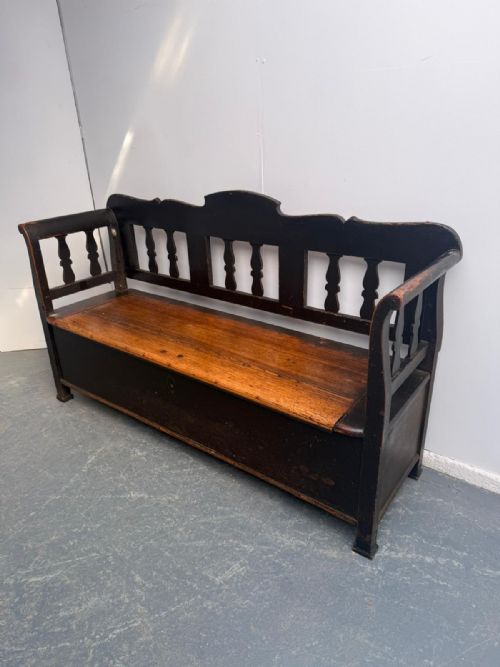
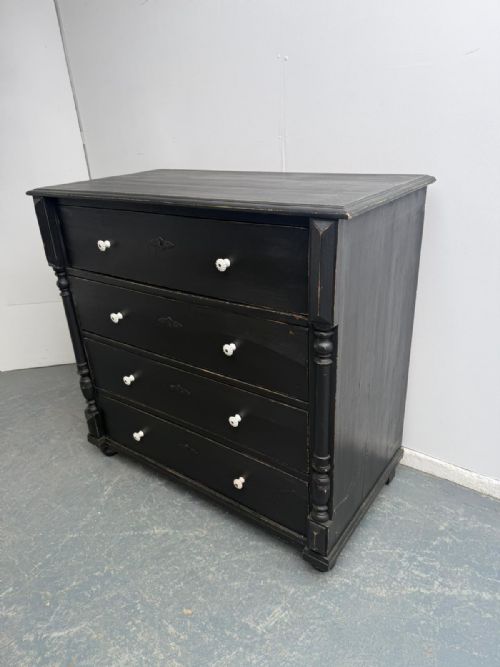
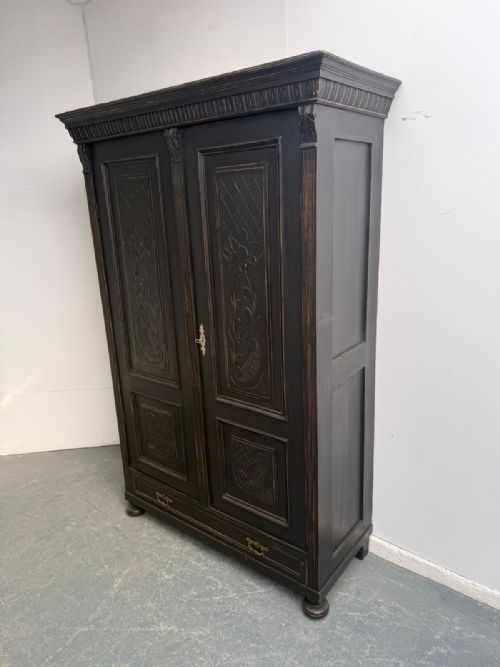
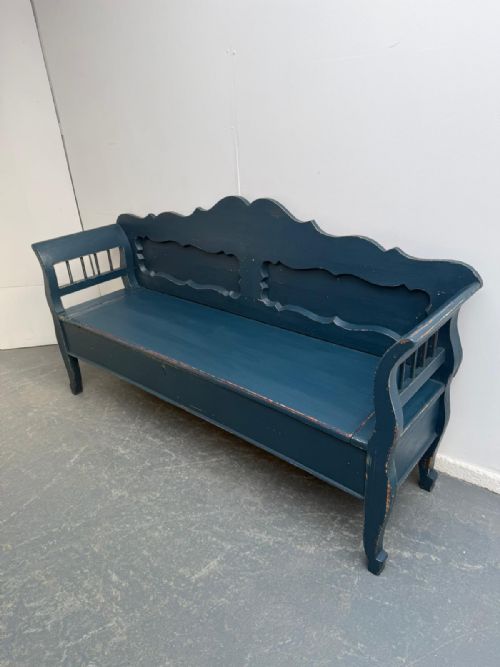

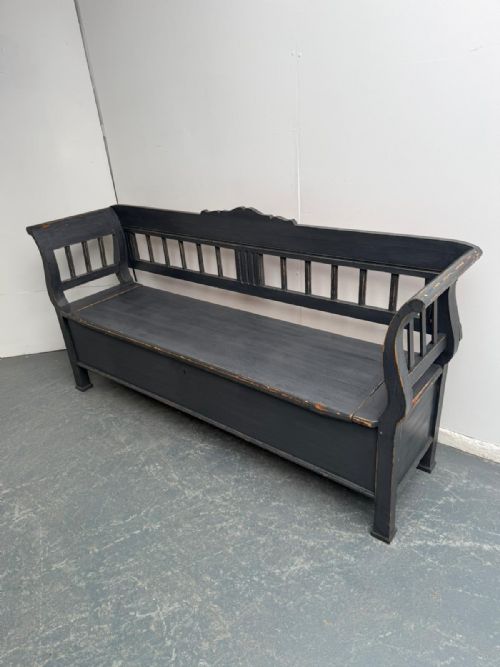
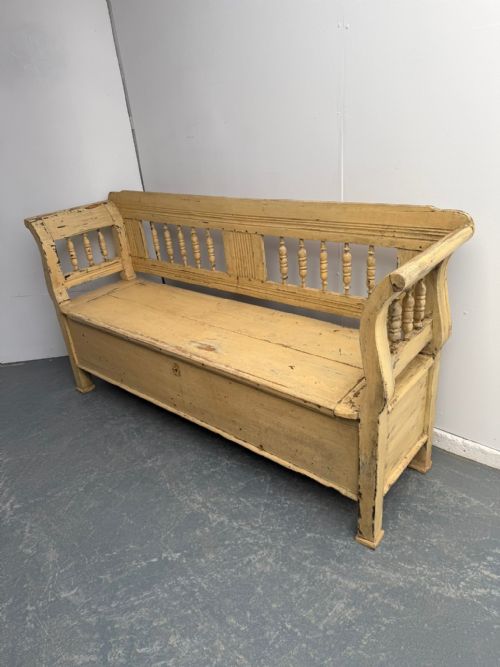
Original Paint Pine Furniture
Original paint pine furniture brings immediate character to a room through weathered surfaces and honest country forms.
Original Paint Pine Furniture
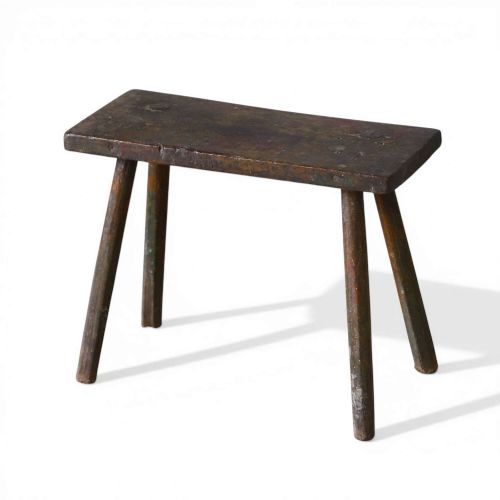
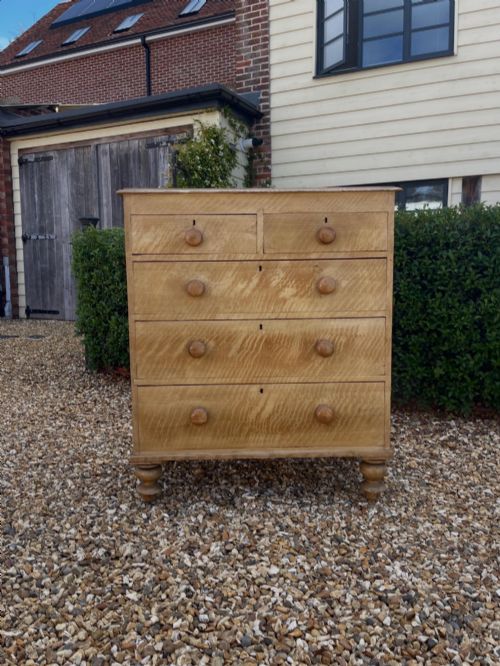
Original paint pine furniture encompasses utilitarian storage pieces, seating and tables shaped by regional vernacular traditions. Buyers seeking original paint pine furniture encounter chests of drawers, settles, benches and cupboards spanning the eighteenth and nineteenth centuries.
English and Welsh examples share floor space with Hungarian, Swedish and Austrian pieces. These items served everyday domestic or tavern use rather than formal parlour display.
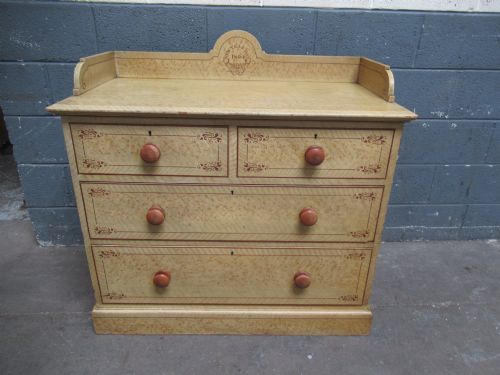
Surviving surfaces display decades or centuries of pigment, from scumbled glazes to flat oil colours. The character rests in the unstripped layers accumulated through generations of use.
How original paint pine furniture was made
Carpenters built these pieces from softwood pine, sometimes incorporating oak framing or iron and brass hardware. Construction relied on straightforward joinery suited to regional workshops and country houses.
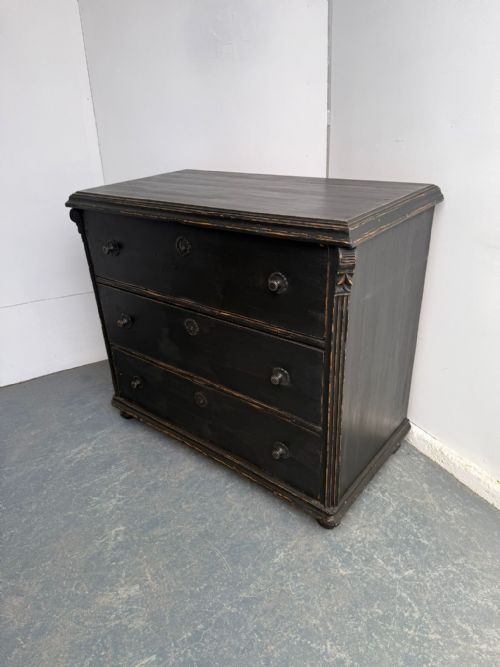
Makers applied layers of lead or oil-based paint to protect the timber and impart colour. Finishes ranged from simple cream, grey and black coats to decorative scumble glazes and painted faux marble effects.
Listings span the eighteenth, nineteenth and early twentieth centuries, featuring pine alongside iron, brass, ceramic and glass elements.
What varies in quality
Quality depends on the integrity of the surface and the proportions of the piece. Untouched paint layers holding genuine historic patina carry more visual weight than later touch-ups.
Proportion and structural honesty separate ordinary utility pieces from strong examples. The harmony between the original timber frame and the remaining pigment dictates the visual presence of each item.
The Original Paint Pine Furniture Glossary
- Scumble
- A translucent glaze dragged over a lighter base coat to imitate wood grain or create mottled texture. This technique appeared frequently on nineteenth-century chests and cupboards.
- Settle
- A high-backed wooden bench with solid arms and a closed box base used to block draughts in farmhouses. These seating forms often retain early painted finishes.
- Vernacular
- Architecture and furniture built by local craftsmen using traditional regional methods rather than high-style academic designs. Country pine pieces belong firmly to this tradition.
- Washstand
- A small bedroom table designed to hold a basin and jug, often fitted with a splashback or marble top. Surviving examples demonstrate functional domestic utility.
- Coffer
- A heavy storage chest with a hinged lid used for linen and valuables before fitted wardrobes became common. Early variants display robust board construction.
Original Paint Pine Furniture: Frequently Asked Questions
How do I clean original painted pine?
Dust surfaces gently with a dry, soft cloth to remove everyday accumulation without disturbing fragile pigment layers. Avoid modern chemical solvents or abrasive cleaners that strip historic paint.
Test any mild cleaning solution on a hidden area if moisture is strictly necessary. Preserving the dry, chalky or waxed surface texture maintains the integrity of the piece.
Are these pieces suitable for daily use?
Most chests of drawers, cupboards and benches remain sturdy enough for practical storage and seating in a modern home. Pine construction offers reliable durability when treated with reasonable care.
Position items away from direct heat sources and strong sunlight to prevent the timber from warping and the historic paint from flaking.
How can I tell if the paint is original?
Original paint shows natural wear, craquelure and integration with the underlying pine timber built up over generations. Examination under magnification reveals proper adhesion and consistent ageing across the structure.
Fresh or mismatched overpainting lacks the subtle depth and microscopic wear patterns found in genuine period surfaces.
What regions do these pieces come from?
The inventory includes items originating from English, Welsh, Scottish, Swedish, Hungarian and Austrian workshops. Regional preferences dictated specific forms, such as high-backed settles in Britain and painted cupboards in Central Europe.
Local timber availability and distinct vernacular painting traditions shaped the appearance of furniture from each area.