

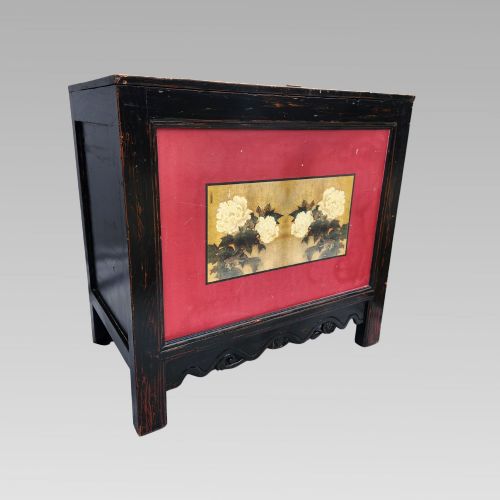

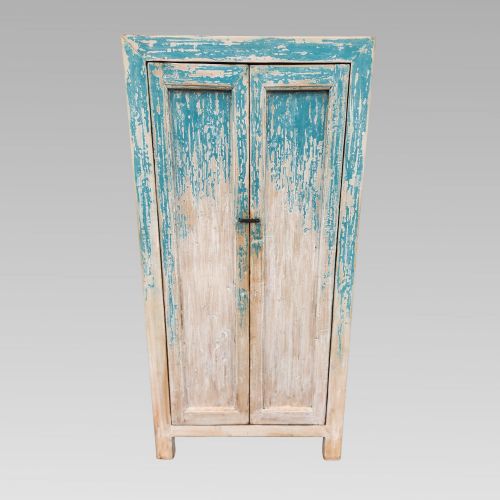
Painted Timber Cabinet
A painted timber cabinet brings surface colour and honest utility into a room, spanning centuries of regional folk art and formal revival work.
Painted Timber Cabinet
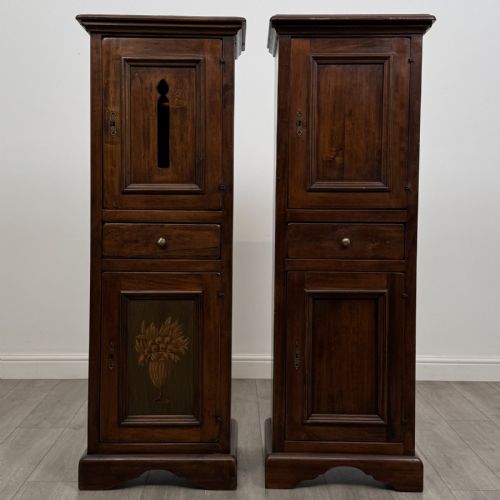
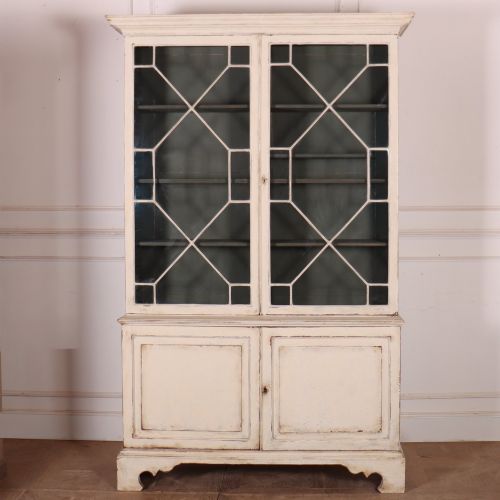
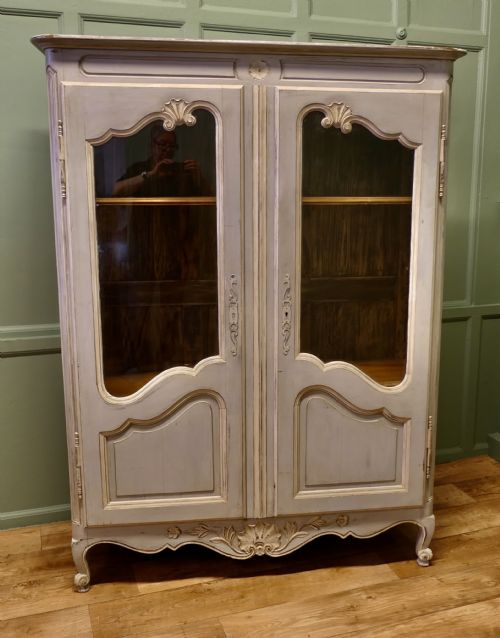
When you search for a painted timber cabinet, you encounter a broad spectrum of storage forms, from country kitchen cupboards and housekeeper larder units to breakfront bookcases and display vitrines. The selection ranges across the eighteenth, nineteenth, and early twentieth centuries, drawing on English, Swedish, French, Italian, Dutch, and Chinese traditions.
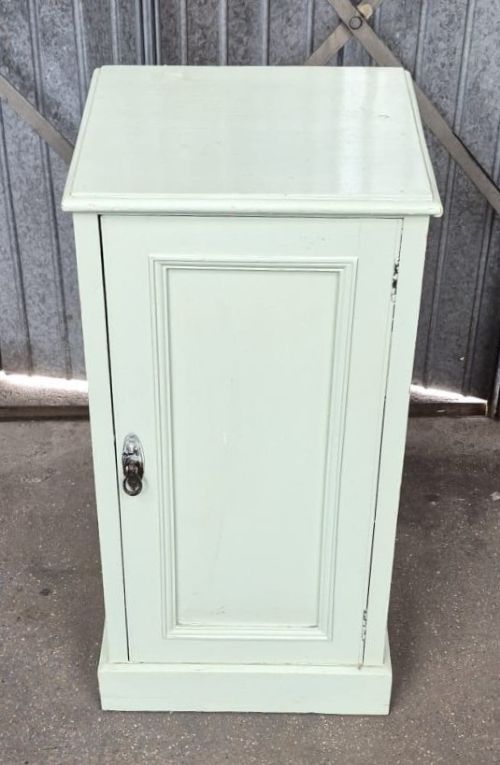
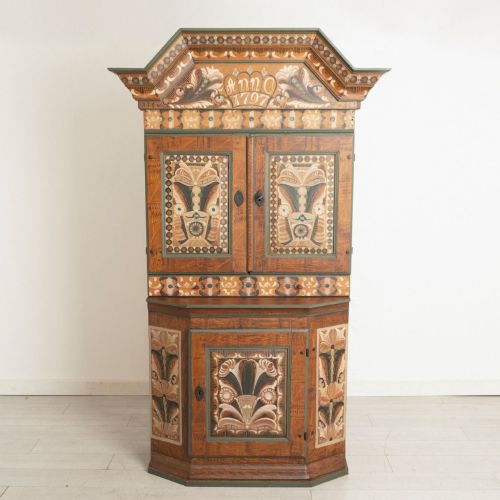
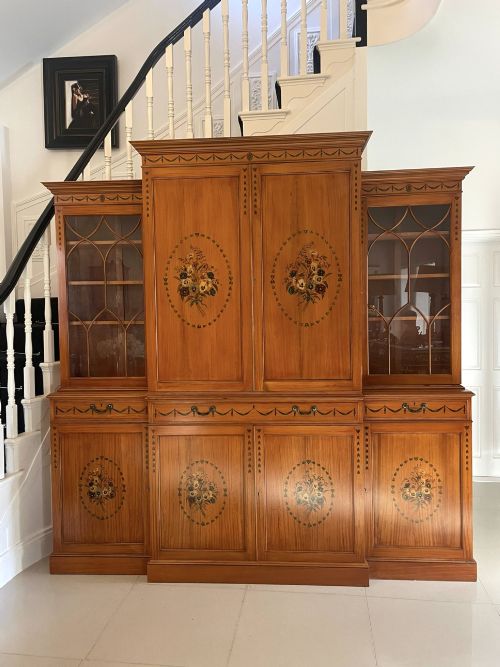
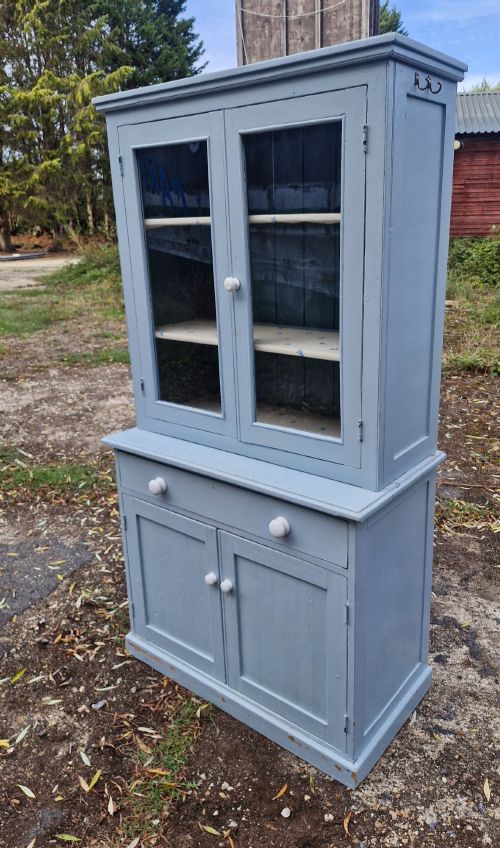
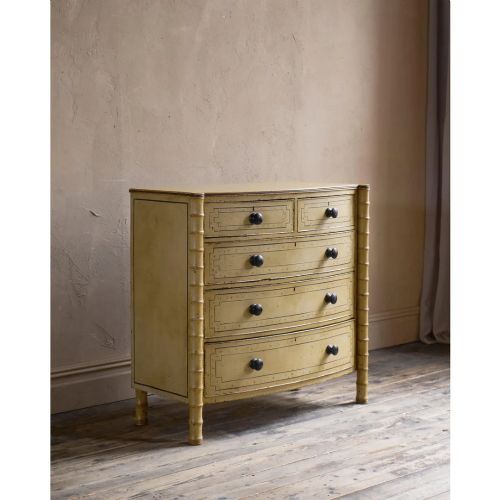
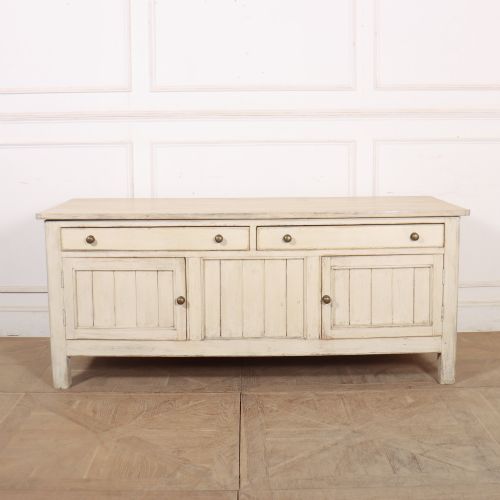
The most frequent examples on this page are sturdy pine kitchen cupboards, glazed bookcases, and multi-drawer storage bases finished in surface paint or scumble decoration. These pieces reflect both vernacular rural utility and more decorative regional styles such as Gustavian, Scandinavian folk art, and Sheraton Revival.
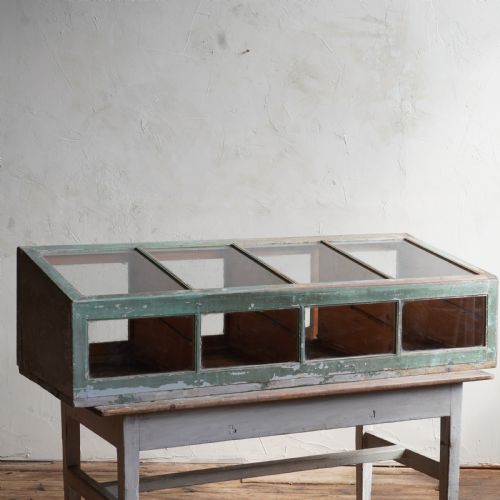
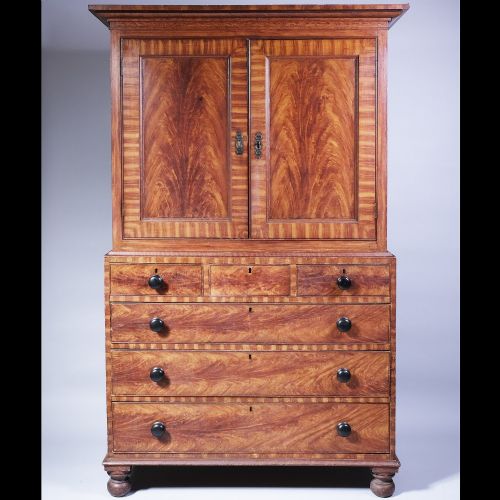
Forms vary from tall corner cupboards and wall-hanging display cabinets to massive two-part storage furniture and shop counters with banks of drawers. Each item serves as both a practical vessel for household storage and a decorative anchor defined by its historic painted surface.
How they were made
Construction relies heavily on solid pine, cedar, satinwood, and other timbers joined by traditional methods appropriate to each period, whether vernacular country framing or finer cabinetmaking. Surfaces are then treated with layers of paint, scumble glaze, polychrome pigments, or lacquer to protect the wood and provide decorative character.
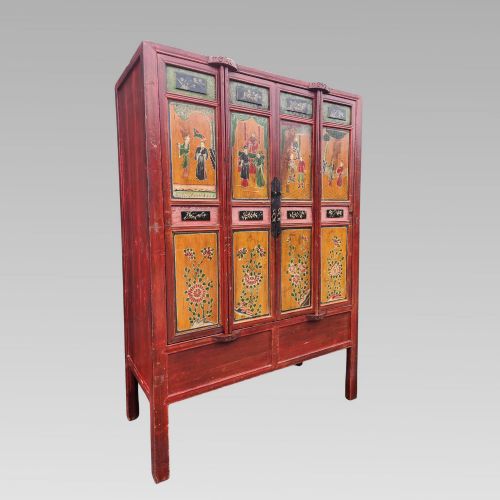
Hardware such as brass pulls, iron hinges, and glass panes are integrated into the timber structures, particularly on glazed bookcases, display cabinets, and multi-drawer chests. The application of historic paint finishes ranges from simple utilitarian coats to complex hand-painted floral motifs and Chinoiserie details.
One remarkably honest nineteenth-century housekeeper cupboard arrived carrying the faint scent of dried lavender and decades of Wiltshire linen.
What varies in quality
The distinction between ordinary and exceptional pieces rests upon the originality and preservation of the painted surface, alongside the integrity of the underlying timber structure. Cabinets retaining their untouched historic paintwork or original decorative schemes command greater appreciation than those with later or heavily restored coatings.
Proportion, joinery detail, and the presence of period hardware also separate simple utilitarian workshop output from finer cabinetmaker pieces like breakfront satinwood bookcases or documented regional folk art. The balance between practical storage capacity and refined decorative proportion dictates the standing of each individual piece.
The Painted Timber Cabinet Glossary
- Scumble painted
- A decorative technique where a translucent top glaze is manipulated with brushes, combs, or rags over a lighter base coat to imitate grain or create textured patterns. This method was widely used on nineteenth-century country furniture.
- Breakfront
- A cabinet design where the central section projects forward from the flanking wings, creating visual depth and architectural presence. This form appears frequently on larger bookcases and storage bases.
- Polychrome
- Decorated in multiple colours, often found on Italian, Swedish, or continental folk art pieces where pigments bring vibrancy to panels and mouldings. It requires careful handling to preserve the historic layers.
- Chinoiserie
- European decorative style reflecting Chinese artistic traditions, featuring black or red lacquer grounds and gilt floral motifs. It is seen on refined storage chests and marriage cabinets from the early twentieth century.
- Vitrine
- A glass-fronted cabinet designed for the display of curiosities, books, or porcelain. The glazed doors allow visibility while protecting the contents from dust.
Painted Timber Cabinet: Frequently Asked Questions
How do I clean a painted timber cabinet?
Dust gently with a dry, soft microfibre cloth to remove surface particles without disturbing fragile historic layers. Avoid modern chemical solvents, abrasive sprays, or excessive water that can lift historic paint.
For stubborn grime, consult a professional restorer rather than attempting aggressive cleaning. Preserving the integrity of the original surface finish is paramount for these historic pieces.
Are these cabinets suitable for modern kitchens?
Many sturdy pine cupboards, dressers, and drawer bases offer practical storage solutions for contemporary kitchen and dining spaces. Their generous proportions accommodate modern tableware while adding distinct historic character.
Ensure that placement avoids direct heat sources or excessive moisture fluctuations, which can cause timber to warp and paint to flake. Good ambient climate control protects both the wood and the decorative finish.
How can I tell original paint from later decoration?
Examine the surface under magnification to check for natural craquelure, wear patterns around handles, and consistent ageing across the timber joints. Later overpainting often conceals different wear levels or sits heavily in crevices where historic paint would naturally thin.
Look for underlying preparation layers and signs of oxidation that align with the estimated period of the piece. Comparative experience with regional folk art finishes helps clarify authenticity.
What is a housekeeper cupboard?
A housekeeper cupboard is a large storage unit traditionally used in country houses to store linens, dry goods, or domestic supplies. These functional pieces feature deep shelving and robust double doors built to withstand heavy daily use.
Today, they serve well as versatile wardrobes or pantry units in larger rooms. Their honest vernacular construction makes them central examples of nineteenth-century utilitarian design.