
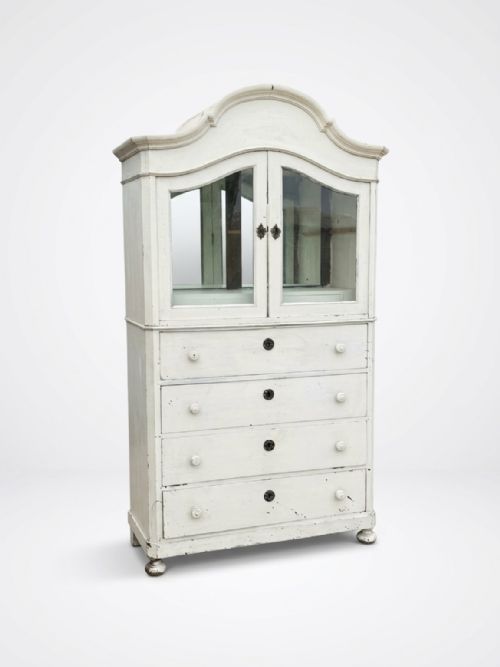
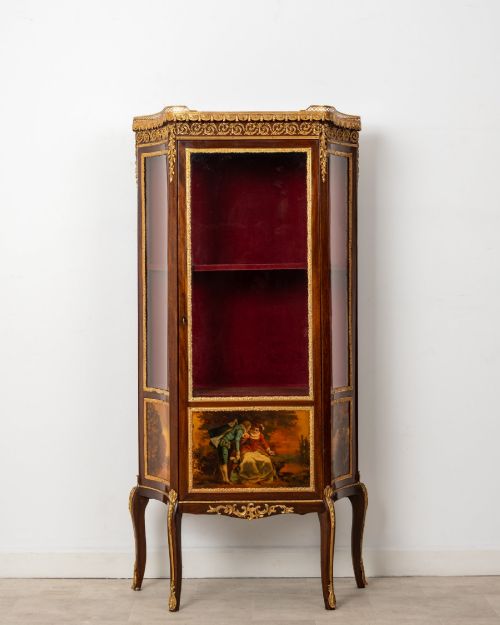
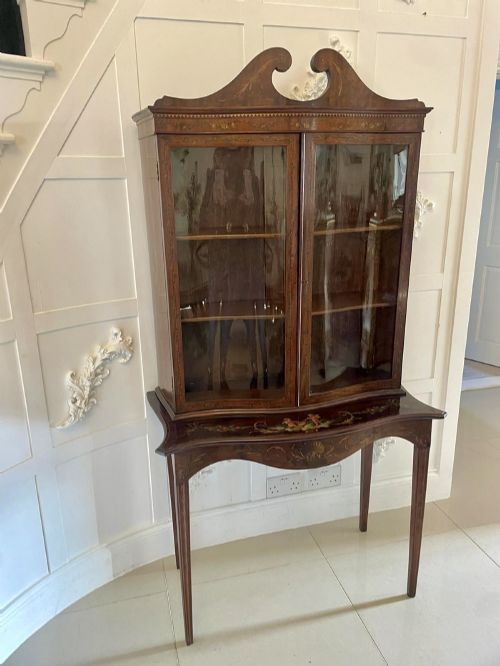
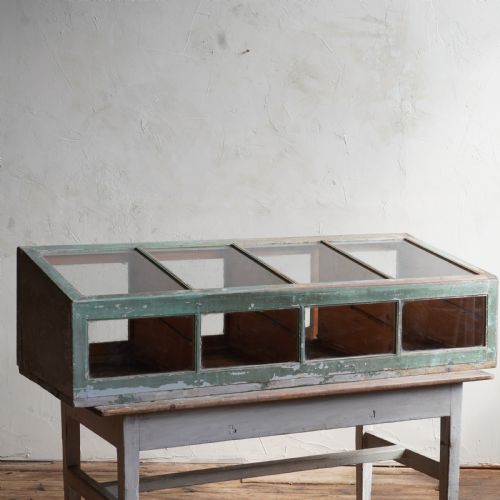
Painted Glazed Display Cabinet
When you search for a painted glazed display cabinet, you are looking for a practical furnishing designed to showcase prized objects while protecting them behind glass.
Painted Glazed Display Cabinet
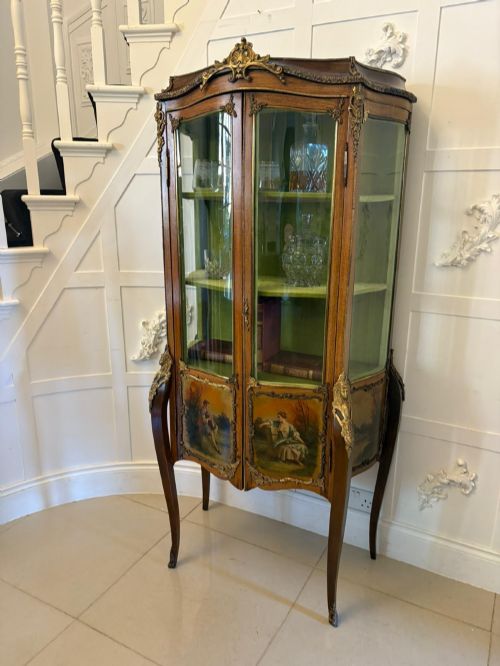
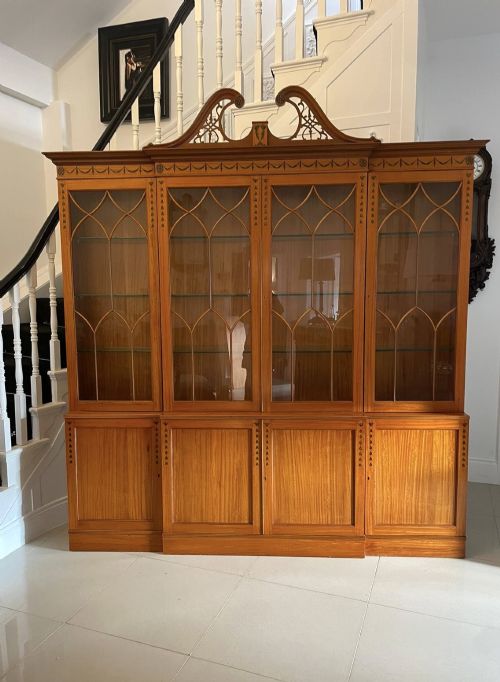
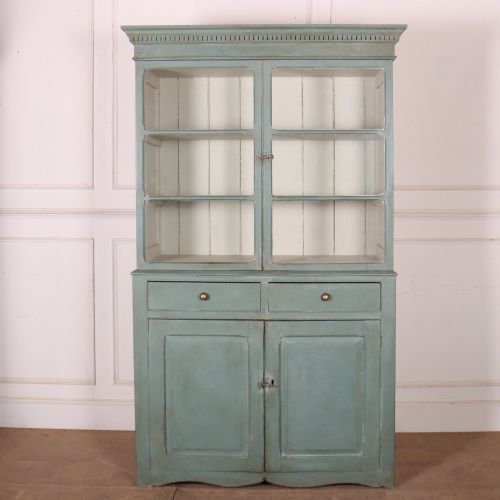
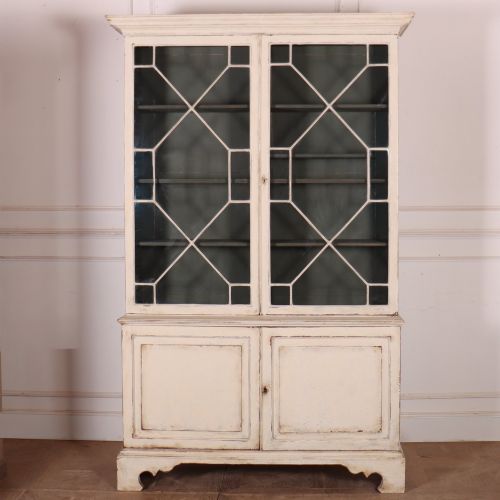
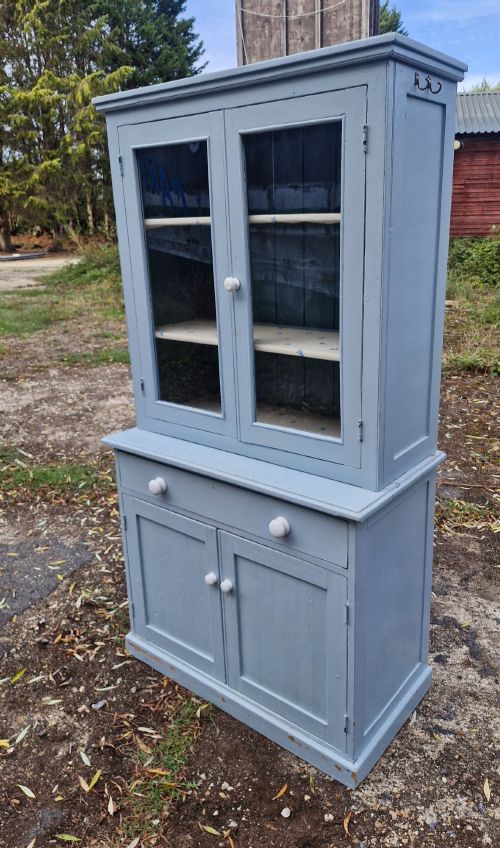
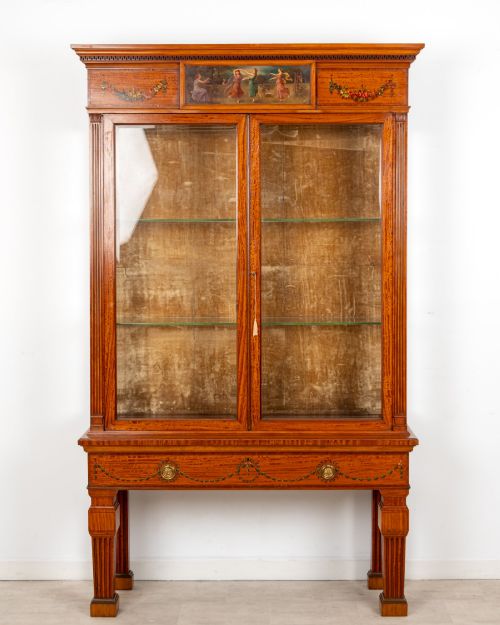
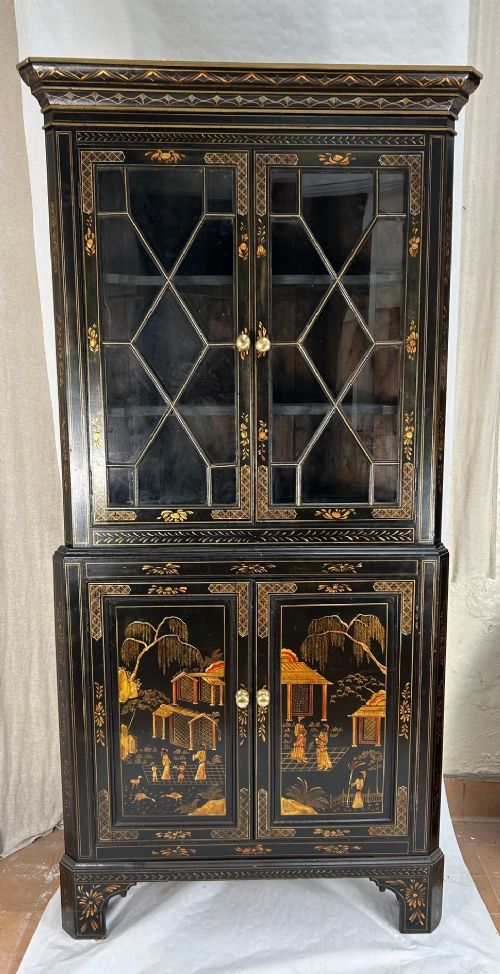
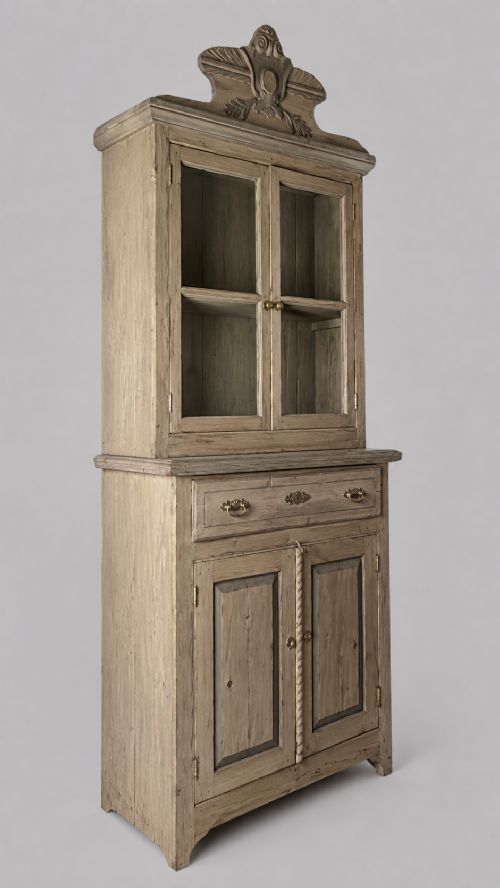
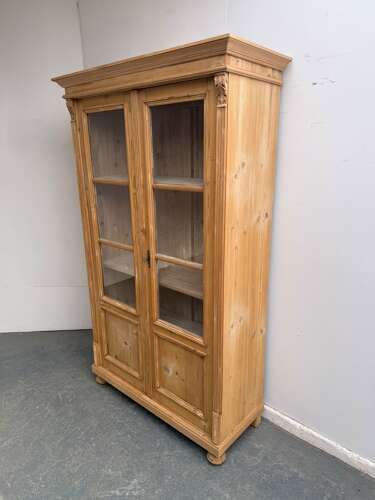
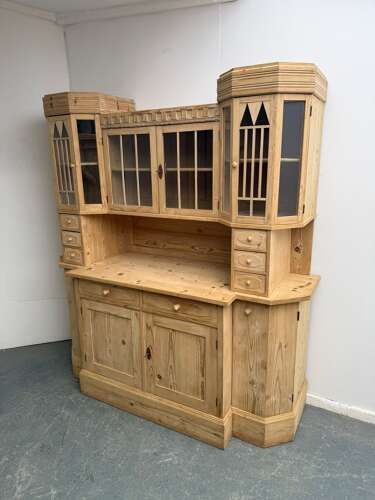
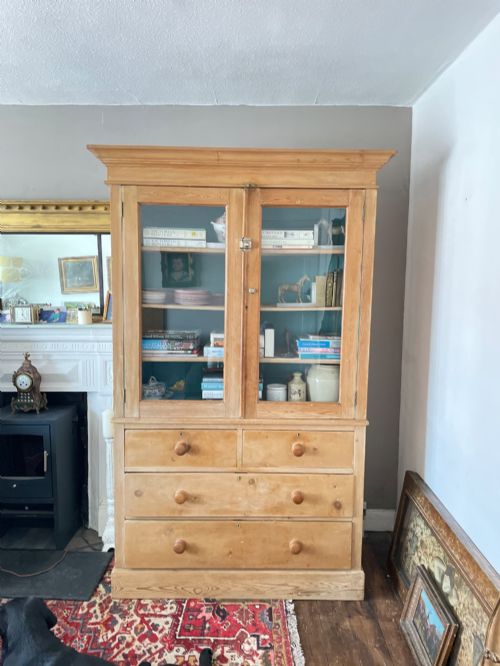
A painted glazed display cabinet bridges the gap between functional storage and decorative presentation. These pieces take various structural forms, ranging from towering breakfronts and serpentine vitrines to corner cupboards and compact kitchen dressers.
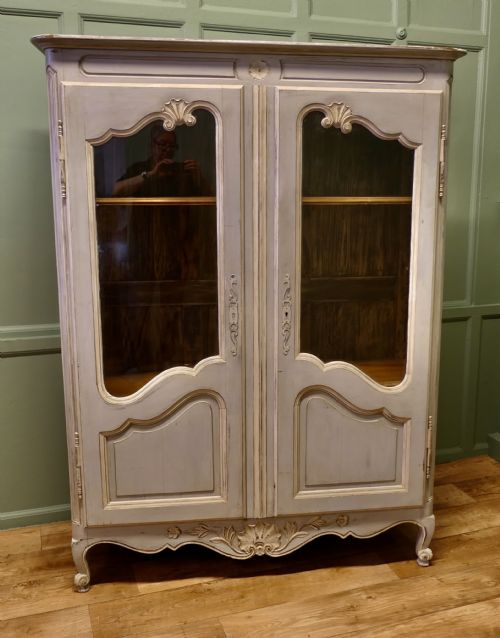
The selections span multiple centuries, with Victorian and Edwardian examples appearing alongside earlier eighteenth-century designs and later interpretations. Continental pieces, particularly French and Swedish models, sit alongside standard English country cabinetry.
How They Were Made
Construction relies heavily on timber carcases built from pine, mahogany, and satinwood, often enhanced with applied painted decoration, lacquer, or vernis martin finishes. Glazed doors utilise wooden frames to hold glass panes, sometimes supported by brass or ormolu mounts and iron hardware.
Cabinetmakers combined traditional joinery with decorative surface treatments, applying paint directly to pine or using fine hardwoods like satinwood and kingwood as bases for elaborate artistic detailing.
The listings here include pine, mahogany, and satinwood examples dating from the eighteenth to the twentieth century.
What Varies in Quality
Quality reveals itself in the handling of the painted surface and the selection of timber. Original painted decoration and finely executed vernis martin work separate standard utility furniture from high-status salon pieces.
Hampton & Sons London
The Painted Glazed Display Cabinet Glossary
- Vitrine
- A glass-sided cabinet designed specifically for the display of porcelain and curiosities. These pieces often feature decorative mounts and painted finishes suited for formal reception rooms.
- Vernis Martin
- A simulated Japanese lacquer technique developed in eighteenth-century France and emulated in later revival pieces. It provides a glossy, polished finish often adorned with painted scenes.
- Astragal
- A moulding profile used to divide glass panes within a door into smaller sections. Astragal glazed doors are typical of finer breakfront bookcases and display cabinets.
- Breakfront
- A piece of furniture where the central section projects forward from the flanking wings. This architectural arrangement creates depth and visual interest in large cabinets.
Painted Glazed Display Cabinet: Frequently Asked Questions
What is a painted glazed display cabinet used for?
These cabinets were historically built to house and display valuable porcelain, books, and collections while keeping dust away behind glass doors. They served both a utilitarian storage purpose and a decorative function in domestic interiors.
Today, they perform the exact same role in contemporary homes, offering visible storage for cherished items in sitting rooms, dining areas, and hallways.
How do I identify a Victorian display cabinet?
Victorian cabinets often utilise dense timbers like mahogany or structural pine, frequently featuring dark wax finishes or applied painted decoration. They span diverse revival styles influenced by French rococo and vernacular English traditions.
Examining the construction methods, such as backboards, drawer linings, and glass manufacturing irregularities, helps confirm nineteenth-century production.
Are painted finishes on these cabinets original?
Many pieces feature original painted decoration applied during manufacture, particularly satinwood cabinets from the Edwardian era and French vernis martin vitrines. Other pieces, especially vernacular pine dressers, were historically painted or stripped and repainted over time.
Distinguishing between original period decoration and later paint layers involves inspecting surface wear, craquelure, and the interaction between the paint and the underlying timber.
How do I place a tall cabinet in a room?
Tall display cabinets require stable, flat flooring and adequate wall clearance to ensure safe placement, particularly when dealing with heavy timber carcases and glass doors. Positioning them away from direct sunlight protects both the painted surfaces and the objects displayed inside.
Lighter painted pine and corner cabinets offer flexible options for smaller spaces, whereas breakfronts and multi-door bookcases suit larger, formal rooms.