


19th Century Painted Dresser
When you search for a 19th century painted dresser, you encounter pieces defined by regional character and historic utility.
19th Century Painted Dresser
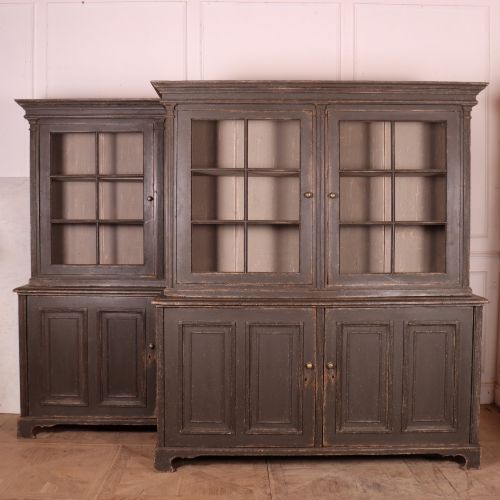
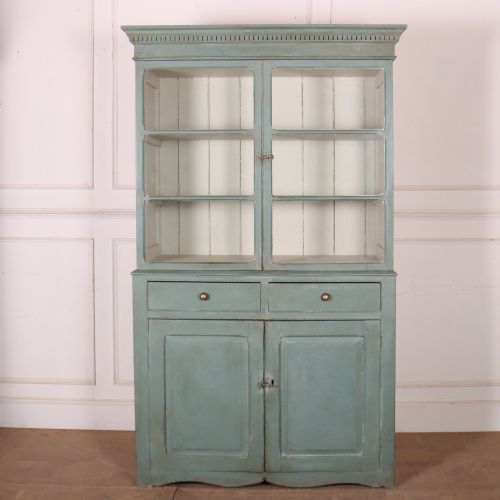
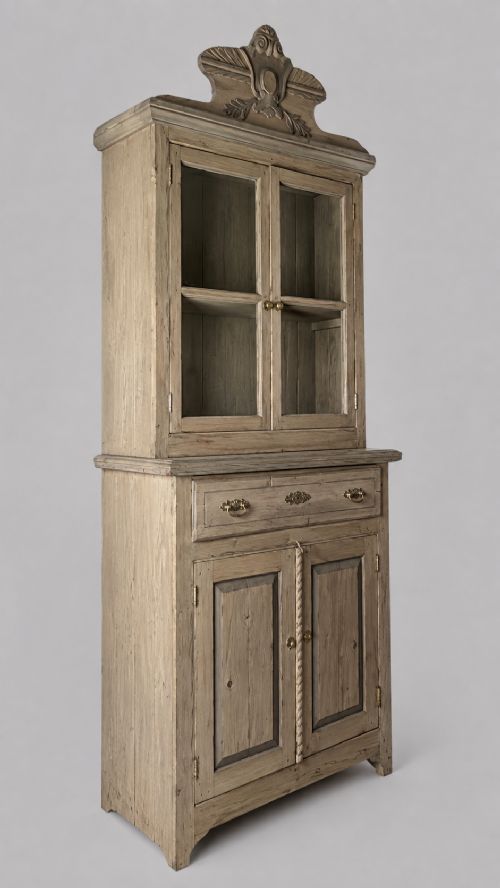
A 19th century painted dresser encompasses substantial storage furniture originating from diverse regional traditions, including English, Irish, Welsh, Scottish, French, Swedish, and Danish workshops. These items frequently manifest as lower potboards, two-part cottage configurations, open-shelf upper units, and expansive kitchen dressers.
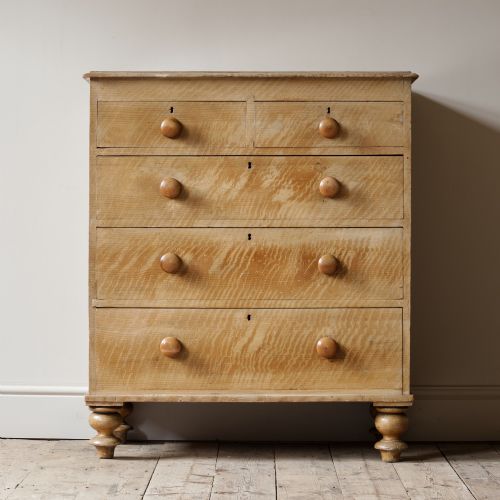
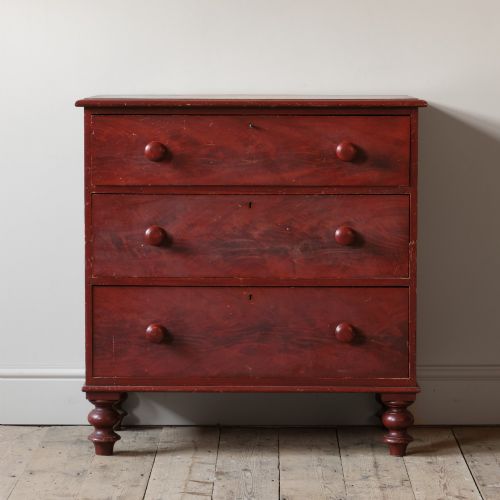
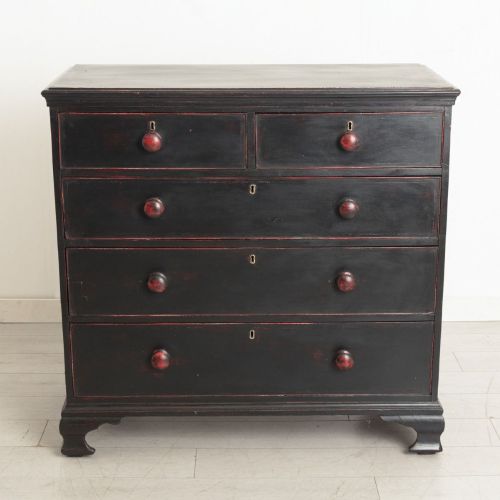
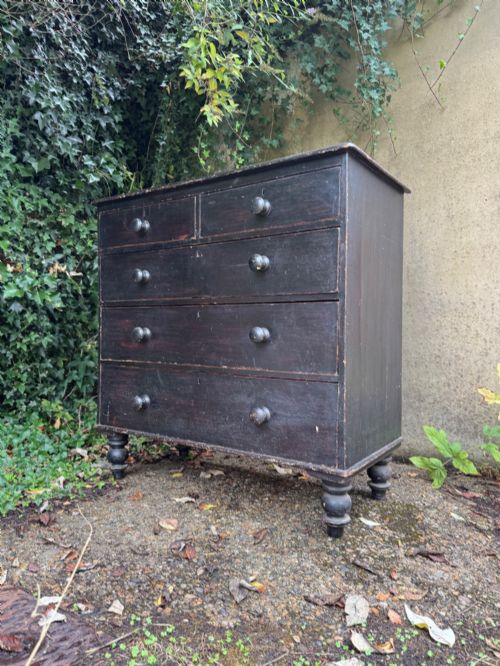
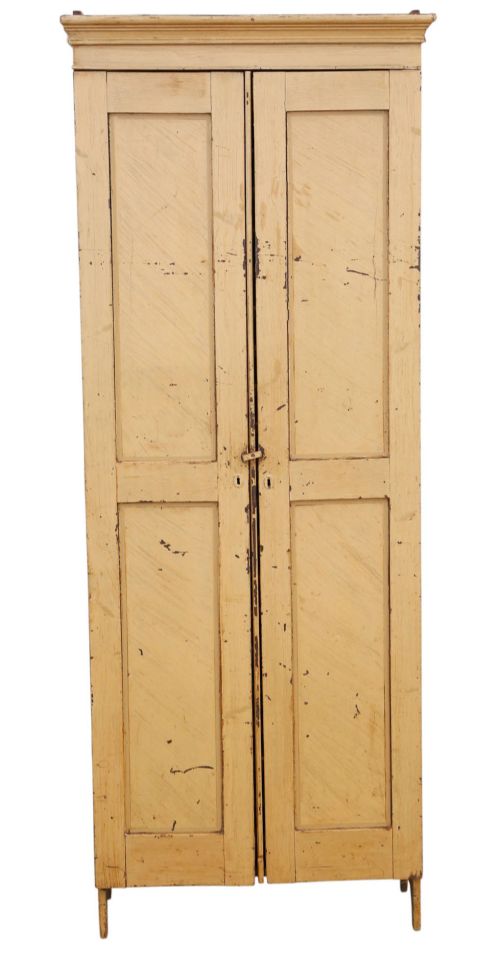
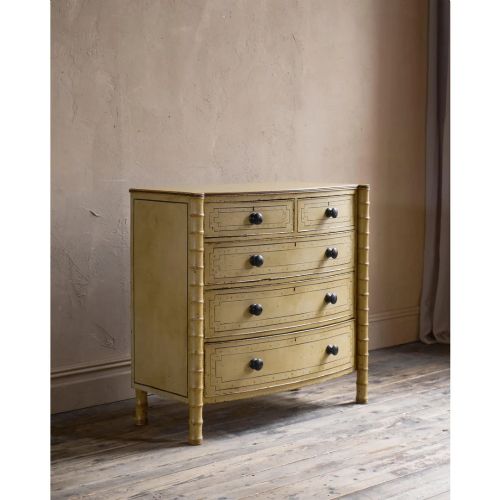
Buyers seeking this phrase most commonly meet pine carcases finished in surface treatments that range from crisp cream and soft green to layered scumbled glazes and decorative faux bamboo motifs. Pieces often display the functional adaptation of domestic spaces, bridging utilitarian kitchen storage with provincial aesthetic charm.
Materials and construction
Constructed predominantly from native and imported softwoods such as pine, these pieces rely on traditional joinery methods suited to domestic utility. Carcases are frequently augmented with iron, brass, or painted wood hardware to secure doors and drawers.
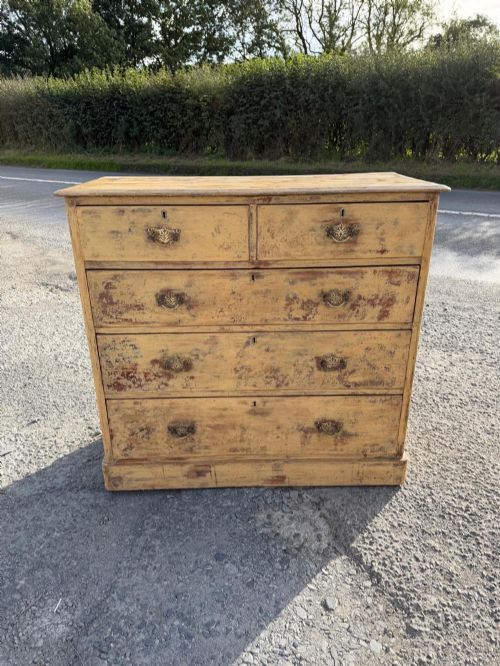
The defining characteristic remains the application of historic surface mediums, encompassing layers of original oil paint, enamel, and delicate hand-painted detailing. Artisans applied these finishes directly to wood substrates, sometimes over older surfaces during subsequent domestic or commercial refurbishments.
19th Century Painted Dresser Retail Price Guide 2026
Typical asking prices for 19th century painted dresser among the pieces listed under this phrase on Sellingantiques today, from the lower quarter to the upper quarter. They describe what is for sale here now, not the wider market.
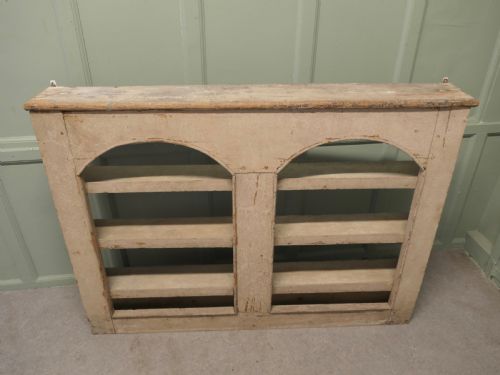
One listed item preserves a history as a shoe shop display before returning to domestic storage.
Distinctions in quality and survival
Quality separates along the integrity of the surface skin, distinguishing pieces retaining their original, untransformed coat of paint from those subjected to later overpainting or stripping. The sophistication of regional detailing, such as architectural mouldings or bonnet tops, elevates certain regional forms above standard utilitarian storage.
Structural preservation of the underlying timber and the crispness of applied decorative motifs also dictate standing. Pieces maintaining untouched patination and functional integrity across drawers, potboards, and glazed upper cabinets command greater interest.
Edwards and Roberts
The 19th Century Painted Dresser Glossary
- Potboard
- An open slatted lower shelf on a dresser base designed originally for airing pots and heavy kitchen utensils. It forms the defining lower tier of many regional Welsh and Scottish formats.
- Scumble
- A translucent or semi-opaque layer of dark paint manipulated over a lighter ground colour to imitate wood grain or create textured depth. This technique appears frequently on Victorian pine furniture.
- Commode
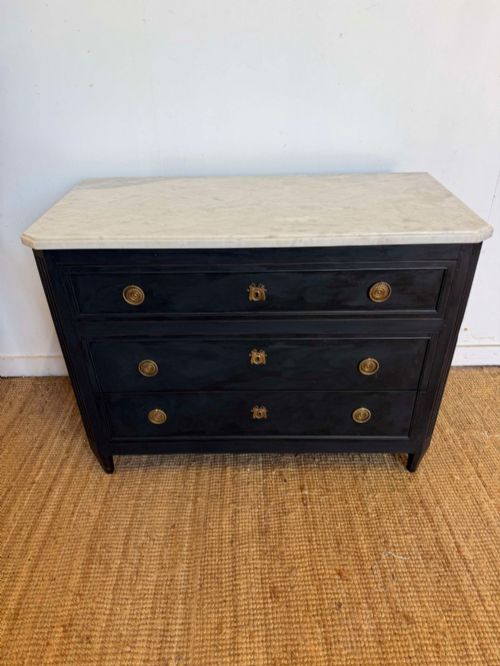
- A low piece of furniture featuring multiple drawers, commonly associated with continental European workshop traditions. The term covers freestanding drawer units and decorative bedroom cabinets.
- Faux bamboo
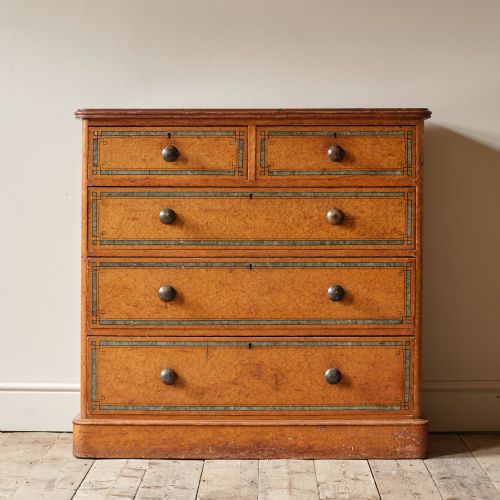
- A decorative turning style applied to wood to imitate natural bamboo stalks. This orientalist technique gained popularity during the nineteenth century across chests of drawers and cabinets.
- Bonnet top
- An arched or curved upper cabinet structure that echoes the shape of historical headwear. It provides vertical height and architectural presence to provincial storage units.
19th Century Painted Dresser: Frequently Asked Questions
How do I identify original paint?
Original paint surfaces show natural wear patterns, craquelure, and integration with the underlying timber over generations of domestic use. Pigments often soften organically around frequently handled drawer pulls and door edges.
Subsequent re-painting typically sits on top of old grime or modern primers, lacking the subtle tonal depth found in nineteenth-century finishes.
Where were these dressers made?
Nineteenth-century painted dressers originated across rural workshops throughout Britain, Ireland, Scandinavia, and continental Europe. Regional vernacular dictated the proportion, timber selection, and structural layout.
Swedish and French examples often favour lighter palettes and formal neoclassical revival lines, whereas British and Irish pieces prioritise robust utilitarian pine construction.
How do I live with a painted dresser?
Living with a painted dresser involves placing the furniture away from direct heat sources and strong sunlight to protect historic pigment layers. Gentle dusting with a dry cloth preserves the fragile historic surface without stripping patination.
These large storage items serve effectively in modern kitchens, dining rooms, and hallways as functional focal points for crockery and linen storage.