



Grey Painted Kitchen Dresser
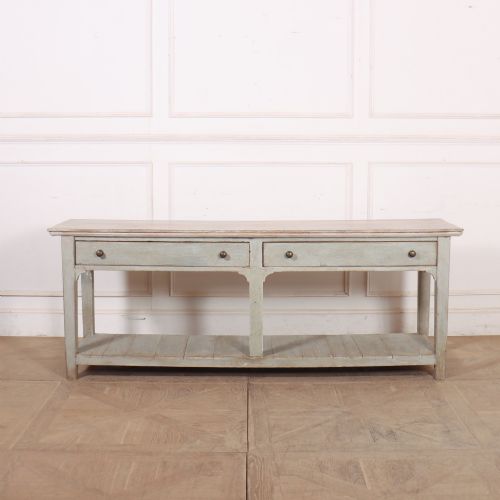
A grey painted kitchen dresser brings practical storage and muted colour to a room, offering sturdy worktops and display space for everyday tableware.
Grey Painted Kitchen Dresser
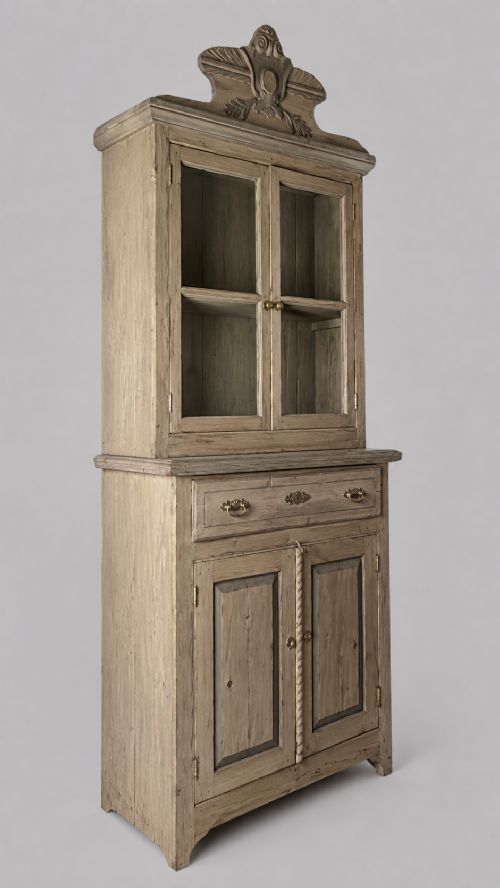
A grey painted kitchen dresser is a utilitarian storage item combining base cupboards or drawers with upper display shelving or enclosed cabinets. Buyers searching for this phrase seek traditional furniture that provides heavy-duty storage while maintaining a soft, neutral finish suitable for domestic interiors.
The pieces appearing on this page span several centuries and geographic origins, including English, French, Danish, and Welsh examples. The selection draws primarily on 18th century, 19th century, and Georgian periods, showcasing regional cabinet-making traditions adapted for daily culinary use.
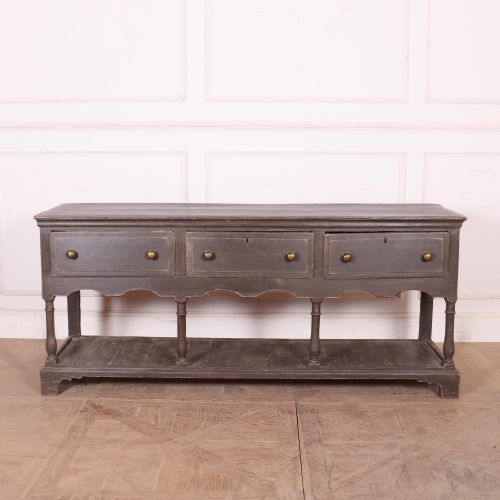
Most examples take the form of dresser bases, servers, potboard dressers, or glazed cupboards and cabinets. These items reflect diverse historical aesthetics such as English country, French provincial, Scandinavian country, and Welsh country styles.
How they were made
Construction relies heavily on sturdy timbers like pine and oak, often combined with painted wood or painted timber surfaces. Metal and brass hardware such as hinges and pulls provide mechanical function and structural support across doors and drawers.
Surfaces receive layers of paint over timber substrates, developing patinas that reflect years of use in domestic settings. Glazed cabinets and display cupboards incorporate glass panes within wooden frames to protect stored ceramics and glassware.
Some potboards were deliberately left open near the floor so working dogs could nap comfortably beneath the family dinner plates.
What varies in quality
Quality rests in the structural integrity of the timber framework, the proportion of base cabinets to upper shelving, and the condition of original or early paint layers. Timbers such as solid oak and heavy pine demonstrate robust construction that withstands centuries of domestic service.
Refinement in regional joinery, from simple potboard bases to sophisticated glazed cabinets, distinguishes standard utility furniture from finer provincial commissions. The integration of period brass hardware and well-fitted doors indicates careful workshop production.
The Grey Painted Kitchen Dresser Glossary
- Potboard dresser
- A traditional storage unit featuring an open lower shelf, known as a potboard, positioned just above the floor for storing heavy cookware and utensils. This practical layout is typical of English and Welsh country furniture.
- Glazed cupboard
- A cabinet featuring glass panes set into the doors to display contents while protecting them from dust. These components form the upper sections of many tall dressers.
- Dresser base
- The lower portion of a kitchen dresser, consisting of drawers and cupboards without the upper shelving superstructure. These versatile pieces function as standalone servers or sideboards.
- Vaisselier
- A French term for a traditional plate rack or dresser used to store and display kitchen ceramics. Examples often exhibit regional French provincial proportions.
Grey Painted Kitchen Dresser: Frequently Asked Questions
What is a grey painted kitchen dresser?
A grey painted kitchen dresser is a traditional storage item featuring lower cupboards or drawers paired with upper display space. The painted finish provides a neutral surface that integrates easily into contemporary and classic interiors.
These units draw on historical forms from the 18th and 19th centuries, originating across English, French, Danish, and Welsh regional workshops.
How were these dressers used historically?
Historically, these items served as the central storage hub in domestic kitchens and dining rooms. The lower cupboards held heavy pots, linens, and provisions, while open shelves or glazed cabinets displayed everyday ceramics and pewter.
Potboard versions offered low horizontal shelving specifically designed to keep heavy cookware off damp stone floors.
How do I distinguish 18th century pieces?
Eighteenth-century examples typically display hand-cut joinery, pegged joints, and heavier timber construction using native woods like oak and pine. Their proportions often reflect regional vernacular styles, such as Georgian or early Welsh country designs.
Surface treatments on these older items show deep patination accumulated through generations of domestic use and repeated painting.
Where did regional styles originate?
Regional styles developed according to local timber availability and domestic customs across Europe. English and Welsh country pieces prioritize utility with potboards and sturdy pine, while French provincial and Scandinavian versions feature softer lines and distinct decorative mouldings.
Geography dictates the specific configuration of drawers, cupboards, and display racks found on each piece.
How do I care for painted wood?
Caring for painted wooden furniture involves dusting with a soft, dry cloth and avoiding harsh chemical cleaners that can degrade historic paint layers. Maintaining stable indoor humidity prevents timber movement and cracking.
Protecting work surfaces from excessive moisture preserves both the underlying wood and the outer painted finish.