





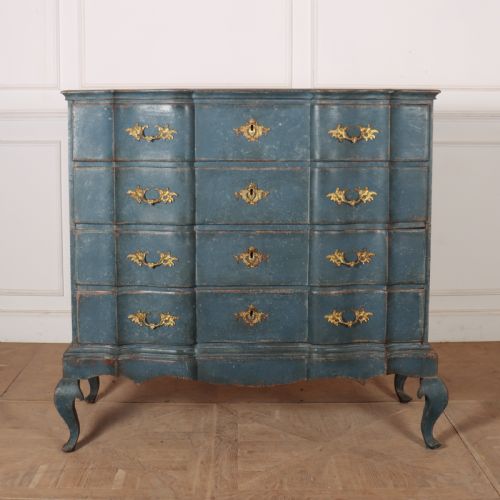
18th Century Pine Dresser
An 18th century pine dresser brings utilitarian honesty and honest timber into a kitchen with unmatched warmth.
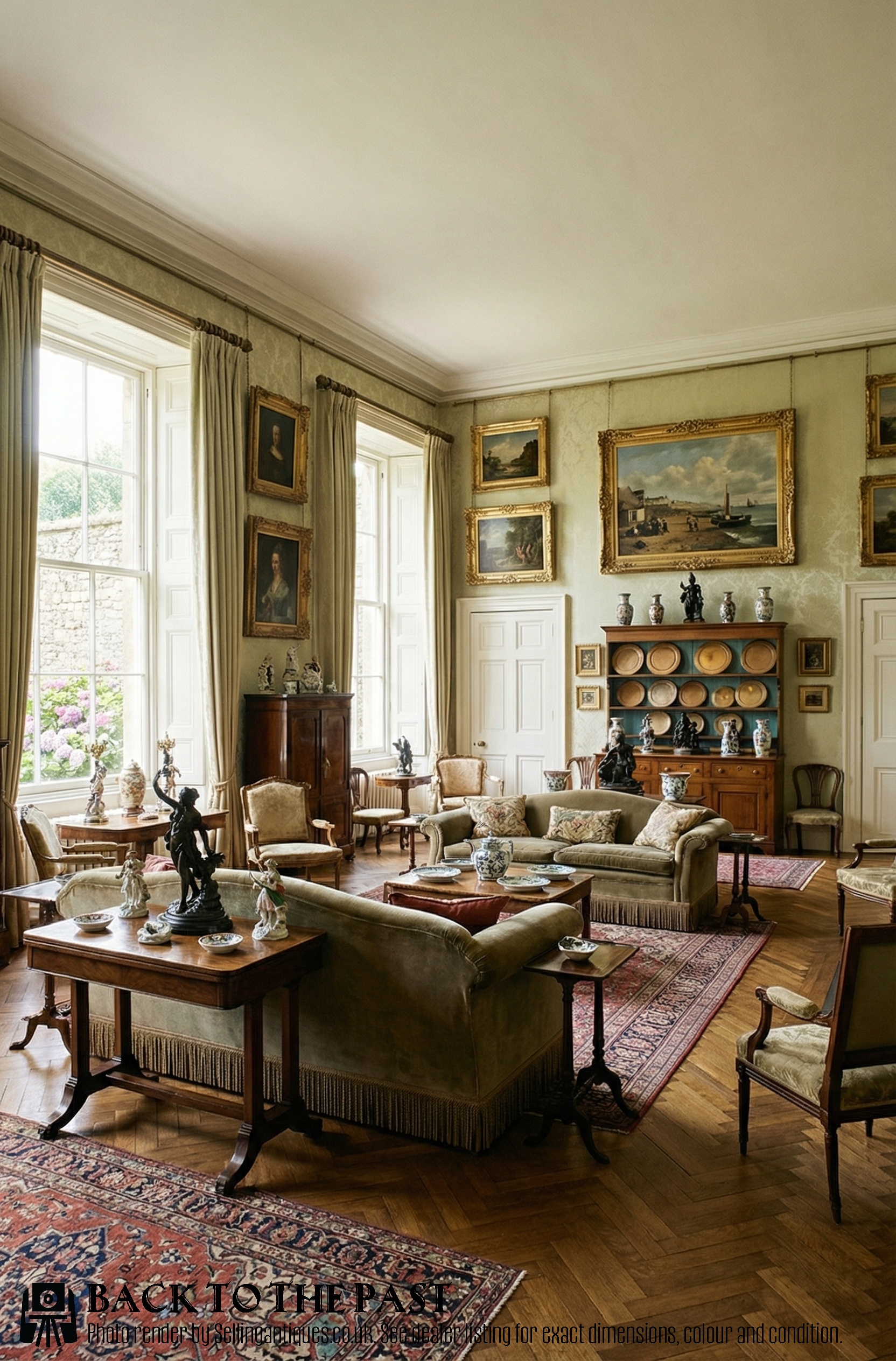
18th Century Pine Dresser
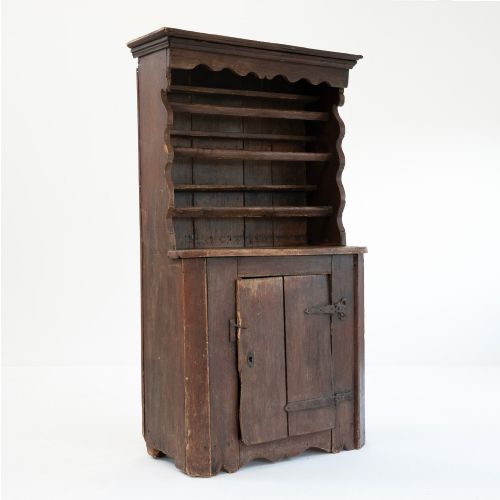
When you search for an 18th century pine dresser, you encounter heavy kitchen furniture designed for storage and display. These pieces combine lower storage bases with upper plate racks or cupboards for domestic service.
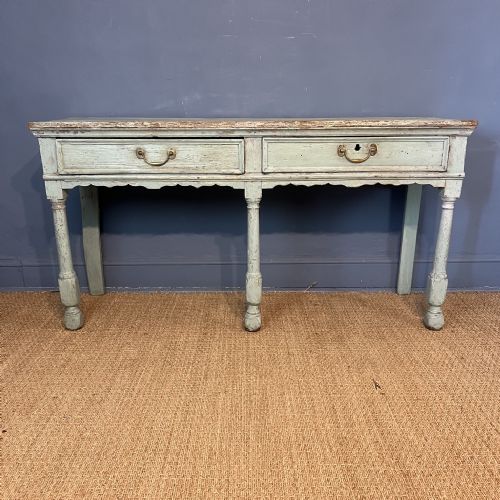
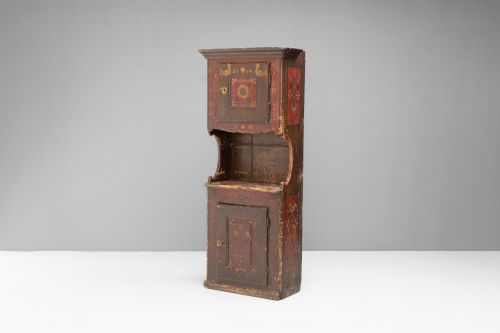
The version you are most likely to meet on this page is an 18th century pine dresser base paired with a plate rack or standing alone. Regional variations such as Welsh, Irish, English, and Scandinavian examples shape the proportions and paint finishes.
Makers utilised native pine alongside secondary woods like oak and ash, often applying historic paint layers. These robust units served dairies, farmhouses, and grander houses alike, evolving from simple working furniture to focal points in modern rooms.
How they were made
Carpenters constructed these items using solid pine boards joined with peg work and dovetailed drawers. Wrought iron hardware and brass pulls secure doors and drawers, while metal mesh sometimes replaces wooden panels in food cupboards.
Surfaces frequently display historic paint layers, ranging from original pigments to later scraped finishes. Plate racks incorporate fretwork or classical columns, demonstrating regional joinery traditions across English, Welsh, and Scandinavian workshops.
18th Century Pine Dresser Retail Price Guide 2026
Typical asking prices for 18th century pine dresser among the pieces listed under this phrase on Sellingantiques today, from the lower quarter to the upper quarter. They describe what is for sale here now, not the wider market.
Dairy dressers smelled permanently of sour milk for generations before ending up in polite drawing rooms.
What varies in quality
The distinction between ordinary and exceptional pieces lies in the survival of original surface paint and untouched timber integrity. Untouched patination on the pine boards separates a domestic utility piece from a heavily restored specimen.
Proportion and regional detailing dictate the stature of the piece, with sophisticated cornices or fretwork elevating standard kitchen furniture into masterworks of country design. Original backboards and unaltered rack attachments sustain historical value.
The 18th Century Pine Dresser Glossary
- Dresser base
- The lower cabinet portion of a dresser featuring drawers and cupboards without the upper plate rack. This configuration functions well as a sideboard in contemporary dining spaces.
- Delft rack
- An open shelving unit mounted to a wall or resting on a dresser base to display ceramic plates and platters. These racks often feature shaped friezes or plate grooves.
- Gustavian
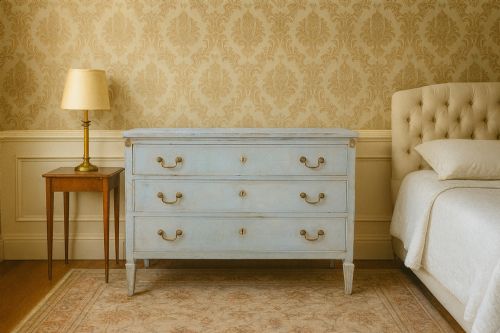
- A Swedish neoclassical style originating in the late eighteenth century characterised by pale painted surfaces and restrained classical ornamentation. Pieces from this tradition bring lighter tones to pine furniture.
- Housekeepers cupboard
- A large storage fixture designed for linen, dry goods, and kitchen equipment within large residences. These substantial cupboards offer deep shelving and enclosed doors.
18th Century Pine Dresser: Frequently Asked Questions
What is an 18th century pine dresser?
An 18th century pine dresser is a utilitarian kitchen storage unit combining a lower base of drawers or cupboards with an upper plate rack.
These pieces were constructed in regional workshops across Britain and Scandinavia to store tableware and food in domestic settings.
How do I identify a Welsh dresser?
Welsh dressers typically feature an integrated plate rack standing directly on the lower dresser base as a single united structure.
Regional examples from places like Tregaron often display distinct proportions and local timber choices such as pine combined with oak or ash.
Were these dressers originally painted?
Many pine dressers received coats of paint during the eighteenth century to protect the softwood and suit domestic interiors.
Surviving historic paint layers contribute significantly to the character and authenticity of country furniture today.
Where should I place a dresser?
Kitchens and dining rooms provide natural settings for these pieces, allowing plate racks to display ceramics effectively.
Dresser bases also function independently as sideboards in living areas or hallways for everyday storage.