



Painted Japanese China Dishes
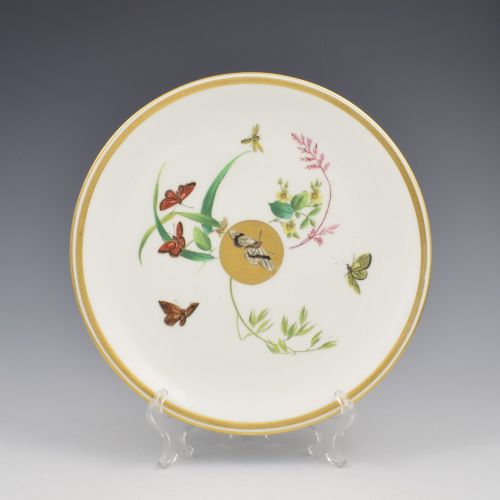
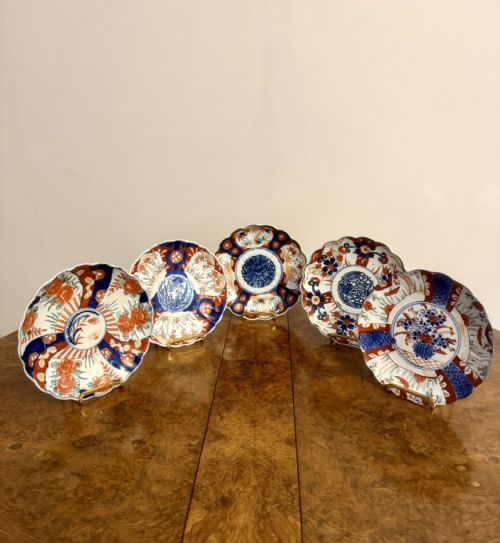
These painted japanese china dishes bring vibrant colour and intricate patterns to a table, combining traditional Eastern motifs with Victorian tastes.
Painted Japanese China Dishes
When you search for painted japanese china dishes, you encounter a selection spanning the 1700s to the 1900s, including pieces from the Victorian era and the Meiji period. The items on this page primarily consist of decorative plates, bowls, cabinet plates, dishes, and large charger plates.
How they were made
These items utilise hard-paste porcelain and ceramic bodies finished with glaze and cobalt blue underglaze. Artisans applied vibrant enamel and gold leaf to create the characteristic surface patterns.
Many works incorporate gilt highlights and hand-painted motifs that reflect traditional Japanese Edo and Meiji aesthetics. The combination of underglaze blue and overglaze enamel defines the visual depth of these ceramics.
Twin koi fish swim across late 1800s platters, proving that ancient porcelain makers also appreciated a good aquatic double act.
What varies in quality
The refinement of the hand-painted brushwork distinguishes standard items from superior examples. Precision in the application of gold leaf and enamel details elevates a piece's visual impact.
The clarity of the porcelain body and the preservation of the glaze over centuries affect the overall standard. Early pieces from the 1700s or 19th Century demonstrate distinct craftsmanship compared to later 1900s productions.
The Painted Japanese China Dishes Glossary
- Imari
- A style of Japanese porcelain decorated in underglaze blue, iron red, and gold. It originated in the port town of Imari and became immensely popular in Europe during the Victorian period.
- Charger
- A large decorative plate utilised primarily for display rather than for serving food. These substantial pieces often showcase the most elaborate painted designs.
- Arita
- A Japanese town famous for its porcelain production, which supplied many of the blue and white wares seen today. Arita pieces often feature fine ceramic bodies and meticulous painting.
- Aesthetic Movement
- A late 19th-century design style that emphasised visual beauty over narrative or moral themes. This movement heavily influenced European makers to adopt Japanese motifs.
- Cobalt Blue Underglaze
- A pigment applied to the raw ceramic body before glazing and firing, producing a deep blue tone that remains permanently sealed beneath the clear surface.
Painted Japanese China Dishes: Frequently Asked Questions
How do I display antique charger plates?
Large charger plates suit wall mounting using specialised plate hangers or placement on sturdy mantel displays. Ensure the mounting method supports the weight of the ceramic.
Cabinet plates fit well inside glass-fronted furniture where their painted details remain protected from dust and accidental knocks.
Can I use these dishes for dining?
Most antique painted japanese china dishes serve primarily as decorative items rather than daily tableware. Historic glazes and delicate gold leaf can wear down with frequent use and washing.
Gentle hand washing in warm water suits pieces that occasionally hold food, avoiding abrasive sponges or modern dishwashers.
What is the difference between Imari and Arita?
Arita refers to the Japanese production region where the porcelain was fired, while Imari describes the specific decorative style exported through the port. Many Arita pieces carry the Imari palette of blue, red, and gold.
Collectors often examine the paste and underglaze characteristics to distinguish between regional workshops and later European copies.
How do I date these porcelain pieces?
Dating relies on stylistic clues such as the presence of Victorian Aesthetic Movement motifs or Meiji period characteristics. Markings, such as specific kiln stamps or baseline signatures, also help establish an approximate timeline.
Comparing the condition of the enamel and the weight of the ceramic body provides further context regarding the age of the item.