



Japanese Enamel Porcelain Dishes
Japanese enamel porcelain dishes bring centuries of precise ceramic artistry to a room, offering rich visual depth through hand-painted glazes and metal wire decoration.
Japanese Enamel Porcelain Dishes
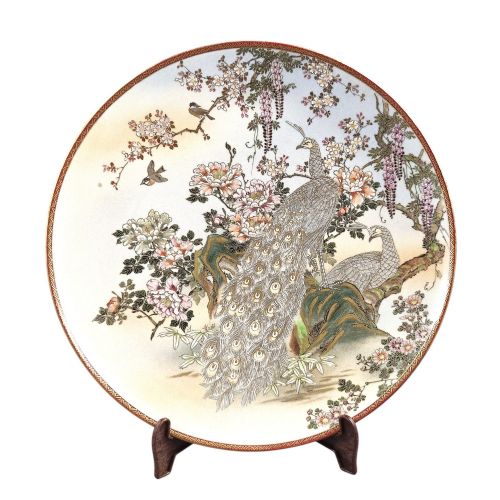
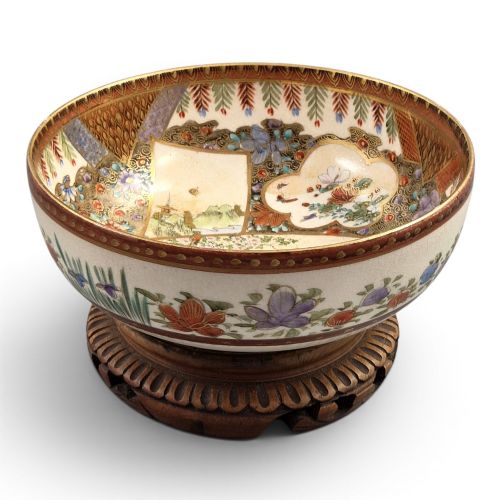
Japanese enamel porcelain dishes encompass chargers, decorative bowls, and plates originating from periods spanning the seventeenth century through to the early twentieth century. Buyers seeking this category encounter diverse regional traditions, most notably Imari, Kutani, Satsuma, and Arita wares.
The pieces available on this page run from large chargers intended for display to smaller bowls and scallop-edged dishes. Forms range from seventeenth-century Arita shell dishes to grand Meiji period Satsuma chargers decorated with detailed figural scenes and natural motifs.
Meiji period works dominate the selection, showing the technical ambition of late nineteenth-century makers. Alongside these porcelain and earthenware items, the inventory includes specialised Totai Shippo pieces where cloisonne enamel is applied directly to a porcelain base.
What varies in quality
Quality rests primarily on the discipline of the brushwork and the complexity of the enamel palette. Superior examples demonstrate confident hand-painted details, crisp outlines, and harmonious integration of gold leaf without heavy-handed application.
The ambition of the form and the crispness of the firing set finer pieces apart from standard production. Signed works and items utilising specialised techniques like Totai Shippo or intricate moriage relief work generally represent the upper tier of the maker's output.
Early export artisans occasionally painted plump domestic fowl onto grand chargers, ensuring dinner guests enjoyed the company of remarkably confident poultry.
Kozan·Meizan·Shozo
The Japanese Enamel Porcelain Dishes Glossary
- Charger
- A large decorative plate traditionally intended for display on a sideboard or wall rather than for dining use. These substantial pieces often feature the most elaborate painting in a maker's repertoire.
- Totai Shippo
- A specific technique where cloisonne enamel with metal wire is applied to a ceramic or porcelain body instead of a traditional metal base. This hybrid method requires immense skill to prevent the enamel from cracking during firing.
- Imari
- A style of Japanese export porcelain originating from the port of Arita, typically characterised by a palette of underglaze blue, iron red, and supplementary gold. These wares gained immense popularity across Europe from the seventeenth century onwards.
- Moriage
- A type of raised enamel decoration applied in thick dots or lines to create a tactile, three-dimensional surface texture on pottery. It appears frequently on Satsuma wares from the Meiji period.
- Kutani
- Japanese porcelain and ceramic ware known for bold pictorial designs, often dominated by rich greens, reds, yellows, and purples. Pieces from this tradition frequently incorporate detailed figural scenes or dense floral patterns.
Japanese Enamel Porcelain Dishes: Frequently Asked Questions
How should I display a large charger safely?
Large chargers need sturdy plate stands designed to take significant weight without tipping. Ensure the display surface is stable and away from heavy footfall.
Wall mounting requires professional brackets that support the rim securely without putting pressure on the ceramic body. Keep pieces out of direct sunlight to protect the enamel colours and gold leaf over time.
How do I tell an Edo period piece from a Meiji piece?
Edo period ceramics often feature restrained palettes and simpler potting styles rooted in domestic traditions. Seventeenth-century Arita and Imari wares display early export characteristics with characteristic blue and red tones.
Meiji period pieces generally show denser decoration, brighter enamels, and greater technical experimentation like moriage or Totai Shippo. Makers during the Meiji era frequently signed their works as export markets expanded.
What does signed Satsuma ware mean?
Signed Satsuma items bear the artist's mark, studio seal, or factory stamp, usually painted on the base in red or gold enamel. These signatures indicate a higher grade of production made for exhibition or high-end export.
Studying these marks helps collectors trace specific workshops active during the late nineteenth century. Unsigned pieces still display fine craftsmanship but often lack the individual attribution of master makers.