






Vintage Japanese Porcelain Chargers
Vintage japanese porcelain chargers are large decorative plates originating from Japan, bringing centuries of painted ceramic artistry to modern display walls and tables.
Vintage Japanese Porcelain Chargers
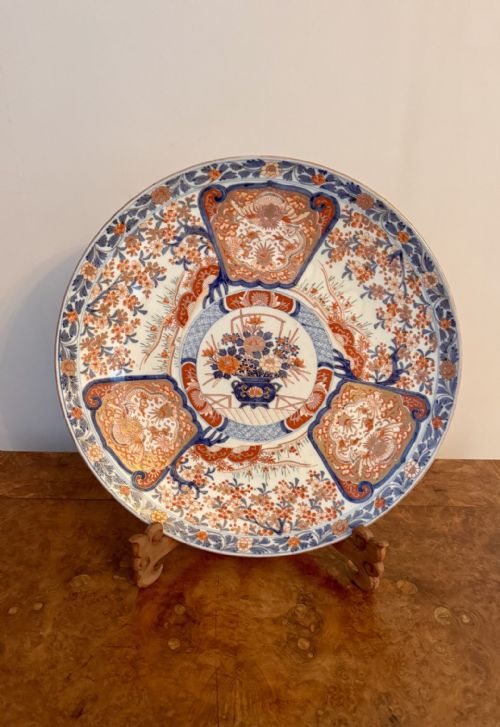
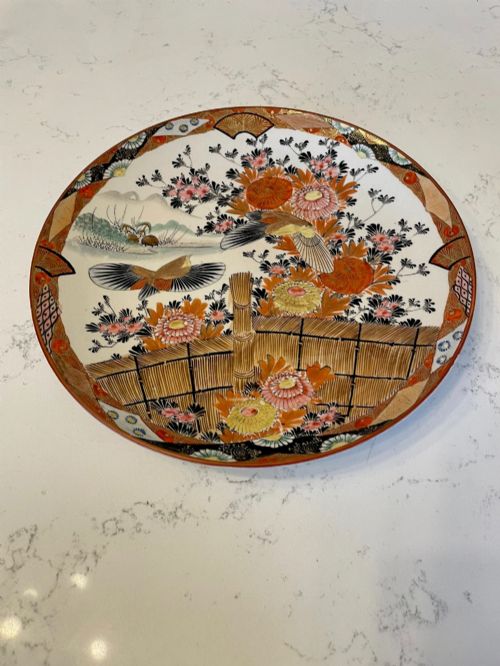
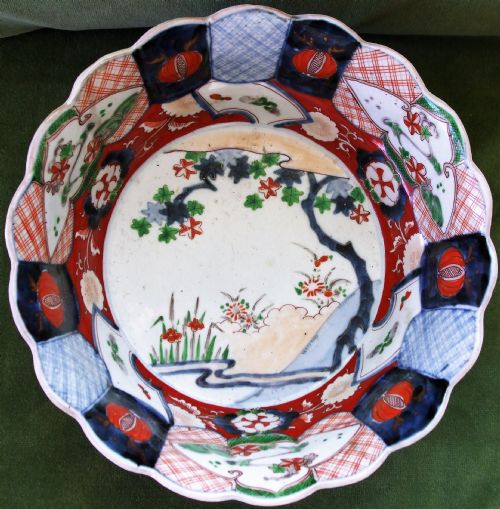
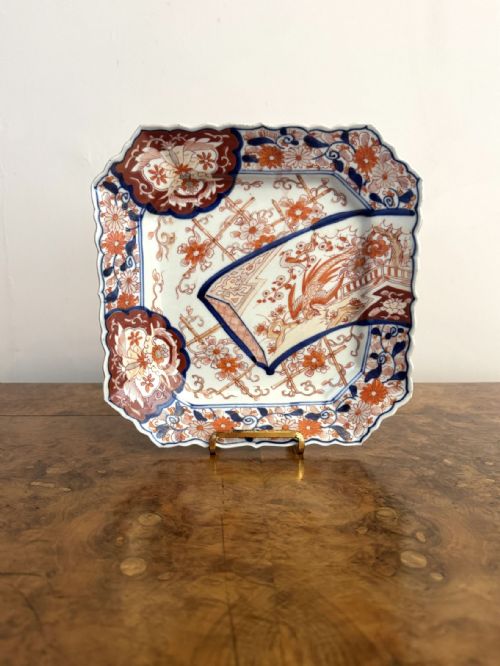
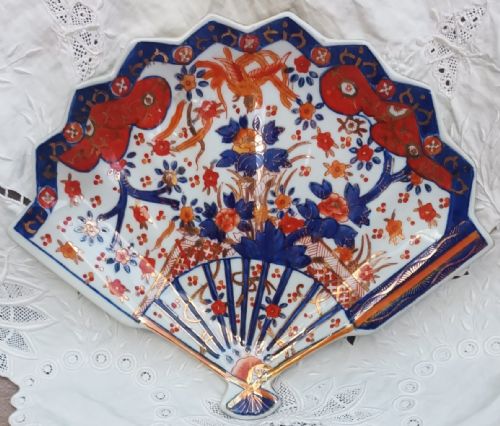
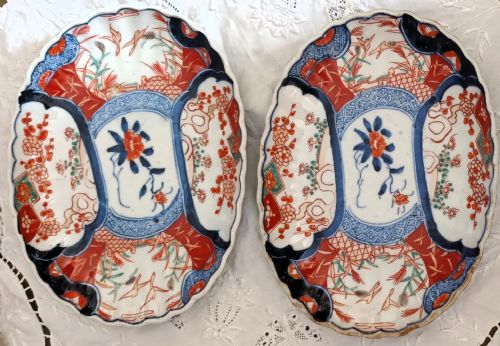
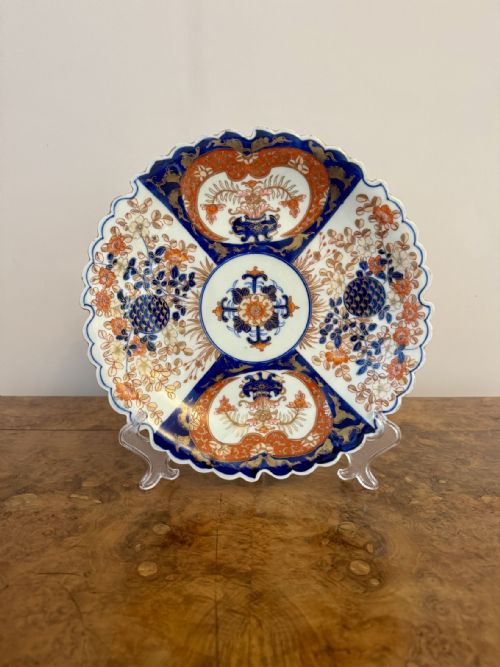
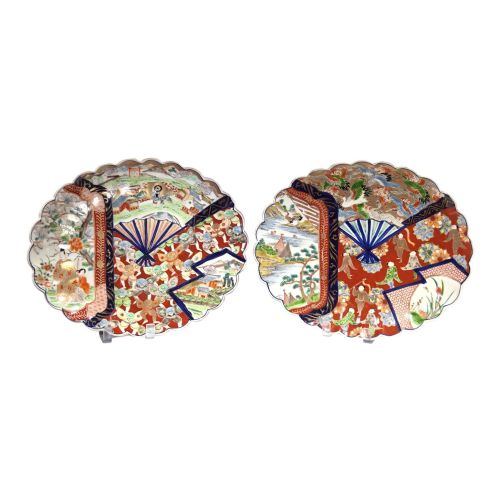
Vintage japanese porcelain chargers represent large circular display plates and shallow vessels produced across the nineteenth and twentieth centuries, spanning the Meiji, Taisho and Showa periods. The pieces appearing here predominantly take the form of Imari and Kutani wares, alongside Satsuma and Arita ceramics designed for decorative display.
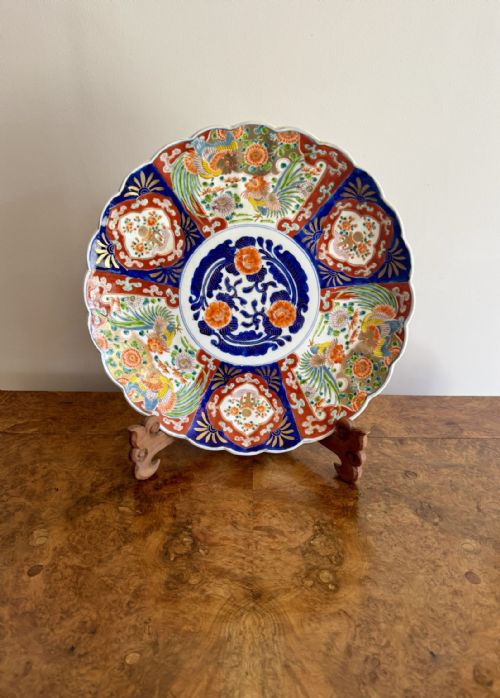
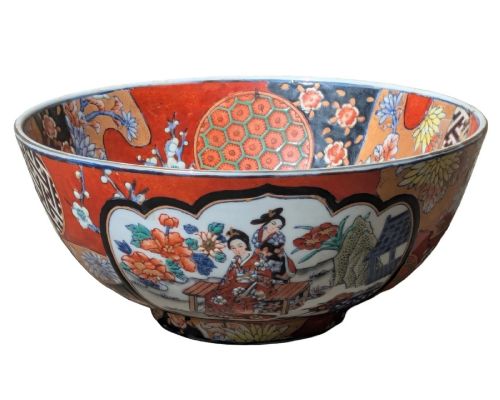
Makers shaped these items as round chargers, scalloped plates, square platters and deep bowls intended to command attention within a room. Collectors encounter examples decorated with traditional motifs including the Seven Lucky Gods, cranes and peonies, rendered in distinctive regional palettes.
Materials and methods
Potters utilised high-fired ceramic and porcelain bodies coated in white glaze before applying detailed hand-painted designs. Cobalt underglaze provided the deep blue foundation seen across many Imari pieces, establishing the primary framework for subsequent colour additions.
Workshops layered vibrant enamels and gold leaf or gilding over the glazed surface to create rich polychrome patterns. Artisans then subjected the painted pieces to secondary kiln firings to fuse the metal leaf and coloured pigments permanently to the porcelain.
Listings span the Edo period through to the Showa era, showcasing porcelain, enamel, gold leaf and cobalt underglaze.
Distinctions in quality
Quality rests upon the precision of the hand-painted brushwork and the complexity of the glazed decoration across the ceramic surface. Superior pieces display crisp detailing in the cobalt underglaze combined with generous application of gold leaf and vibrant enamels.
The sophistication of the form also dictates distinction, separating standard round dishes from scarce square-shaped plates and deeply scalloped chargers. Works attributed to named workshops or specific stylistic traditions command greater attention from discerning collectors.
Koshida
The Vintage Japanese Porcelain Chargers Glossary
- Imari
- A style of Japanese porcelain featuring a distinctive palette of cobalt blue, iron red and gold on a white ceramic body. These pieces were historically exported through the port of Imari during the Edo and Meiji periods.
- Kutani
- A traditional style of Japanese ceramic known for bold pictorial designs and heavy application of gold leaf and vibrant enamels. Such works often depict birds, flowers and figures within intricate geometric borders.
- Charger
- A large decorative plate traditionally used for ceremonial display rather than serving food at the dining table. They measure significantly wider than standard dinner plates.
- Meiji Period
- The era of Japanese history lasting from 1868 to 1912, characterised by the opening of trade with Western nations and the flourishing of export ceramics. Pieces from this time demonstrate exceptional technical skill in hand painting.
- Cobalt Underglaze
- A blue pigment applied directly to the raw porcelain body before glazing and firing, ensuring the colour remains permanent and protected beneath the glassy surface.
Vintage Japanese Porcelain Chargers: Frequently Asked Questions
What is an imari charger?
An Imari charger is a large Japanese decorative plate painted in cobalt blue, iron red and gold. These pieces were created for display.
Potters shaped them to hang on walls or sit on cabinets, showcasing traditional Japanese artistry.
How do I date these porcelain pieces?
Dating relies on stylistic clues, historical periods named in descriptions and manufacturing techniques. Meiji period items reflect late nineteenth and early twentieth century export standards.
Examining the glaze, cobalt tones and painting style helps determine the specific era of production.
Were chargers used for dining?
These large plates served primarily as decorative objects or presentation pieces rather than tableware. Their substantial size made them ideal for display.
Collectors treat them as visual art for walls, sideboards and tables.
What is the difference between imari and kutani?
Imari porcelain relies on a characteristic triad of cobalt blue, iron red and gold. The style emphasises intricate geometric and floral panels.
Kutani wares tend to feature bolder pictorial scenes rendered in thick enamels and extensive gold leaf. Both represent distinct traditions in Japanese ceramic history.