
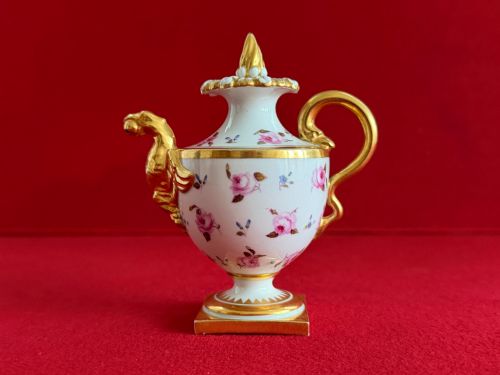
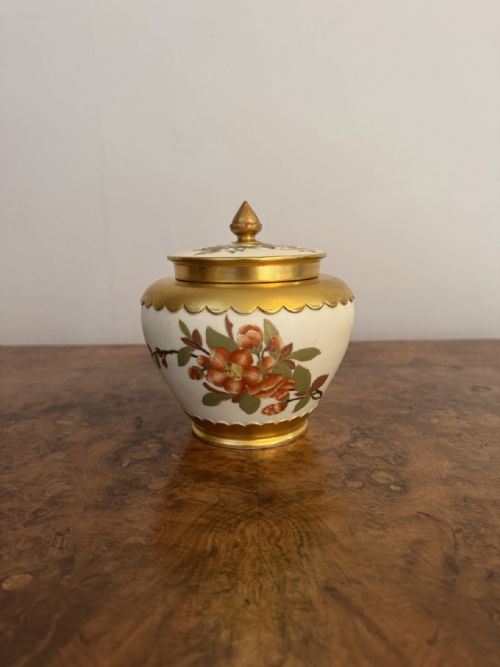
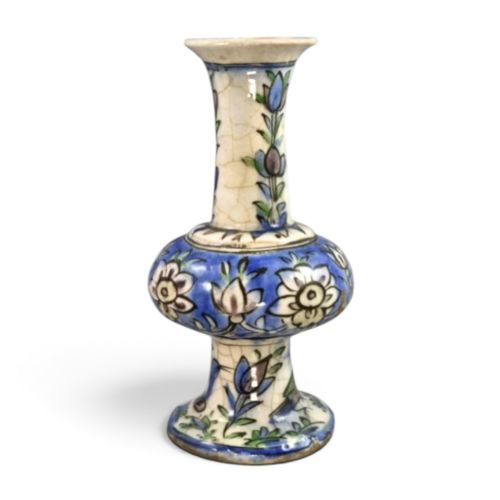
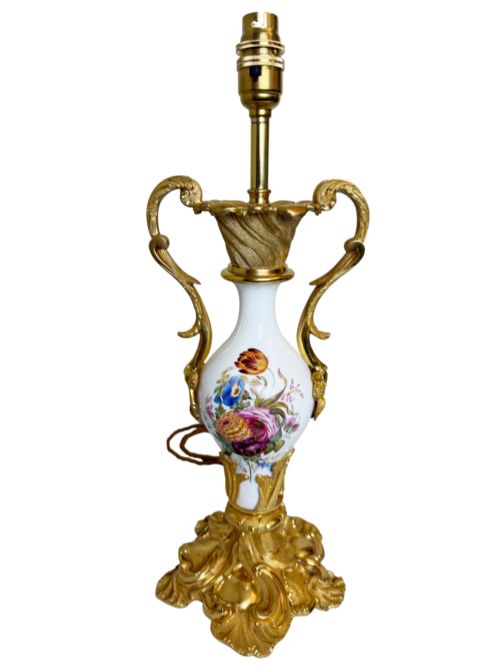
Painted Floral Urn Vase
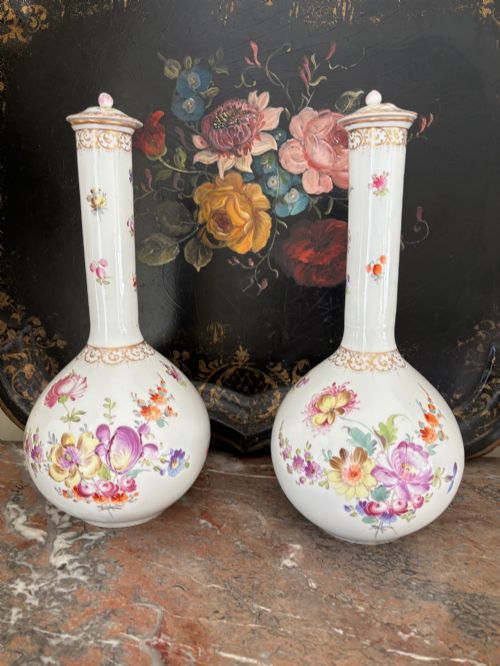
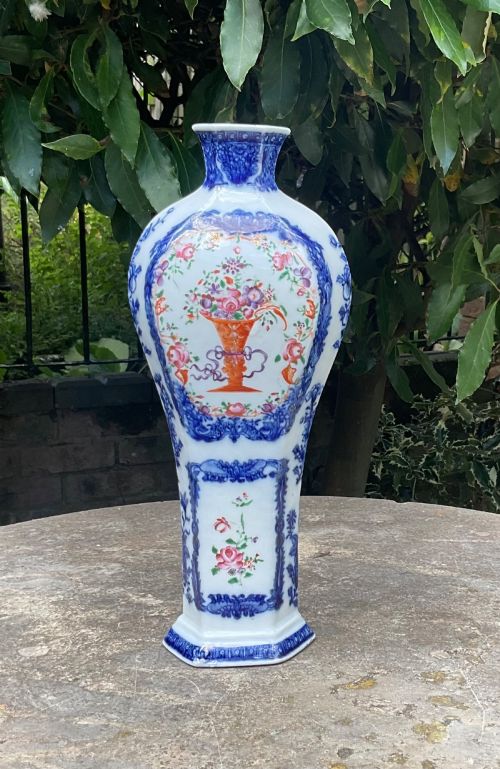
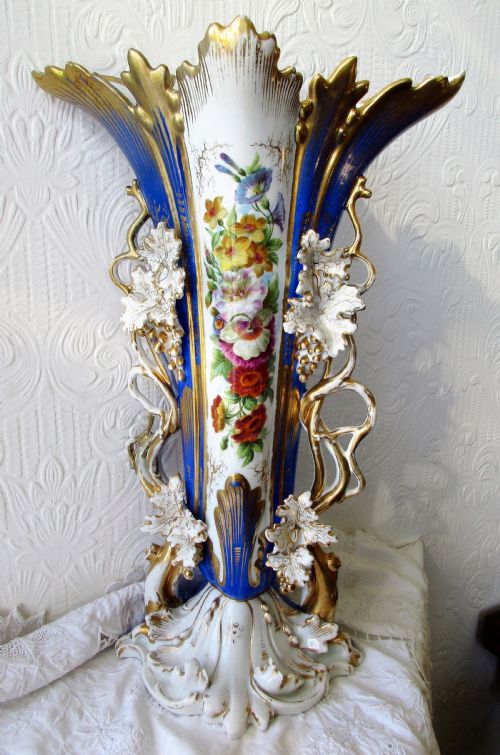
A painted floral urn vase brings hand-painted botanical detail and classical proportion into a room, spanning English factories, continental works and Japanese export pottery.
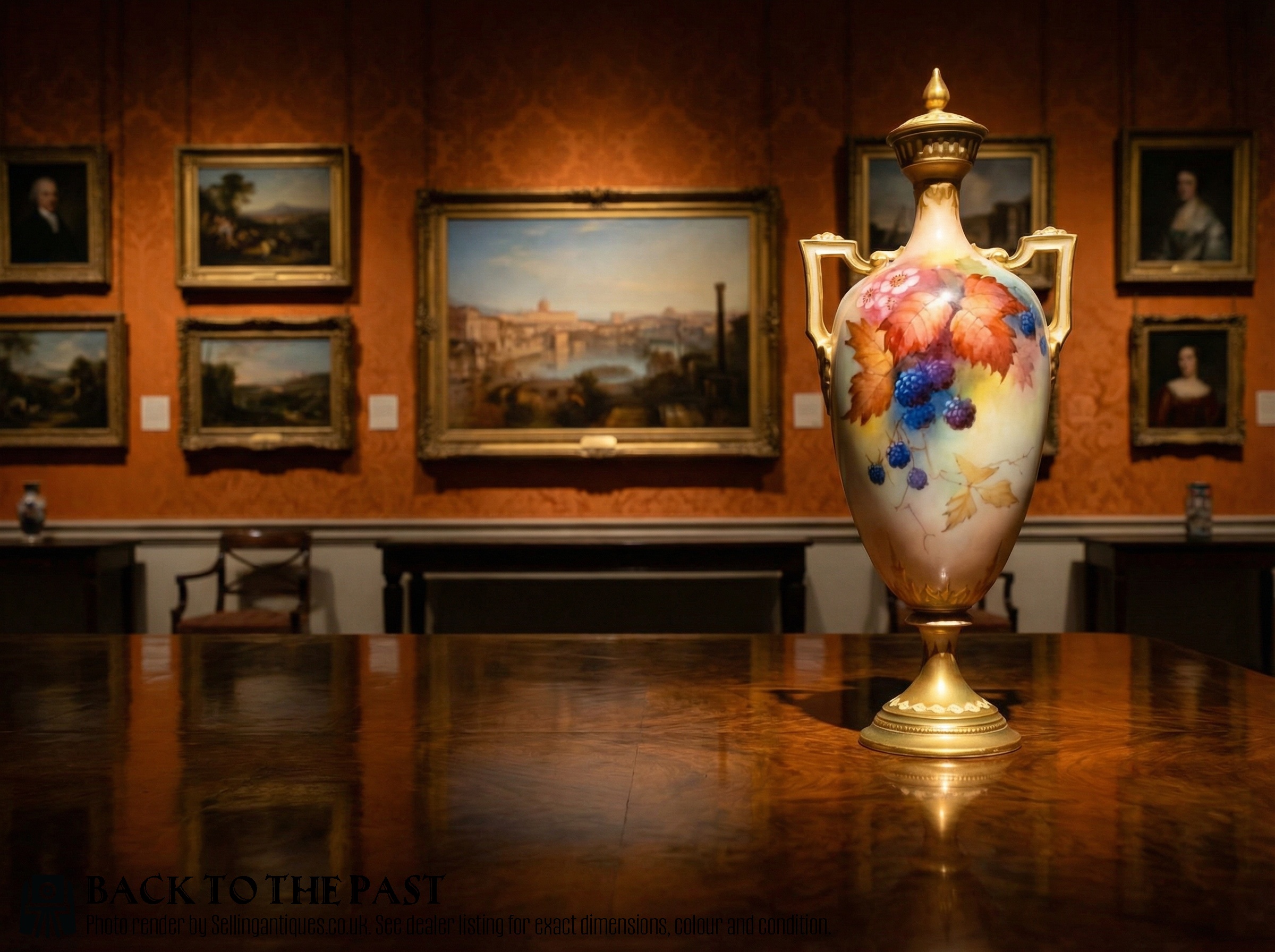
Painted Floral Urn Vase
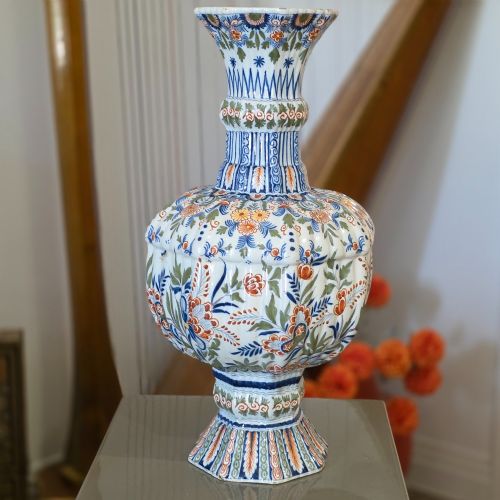
A painted floral urn vase combines bulbous or campana vessel forms with botanical painting, ranging from English porcelain to Japanese Satsuma and Imari ceramics. Buyers searching for a painted floral urn vase encounter pieces created across the eighteenth, nineteenth and early twentieth centuries.
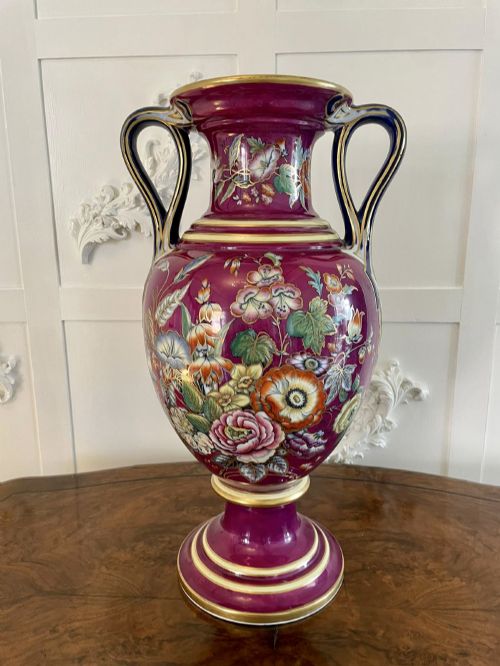
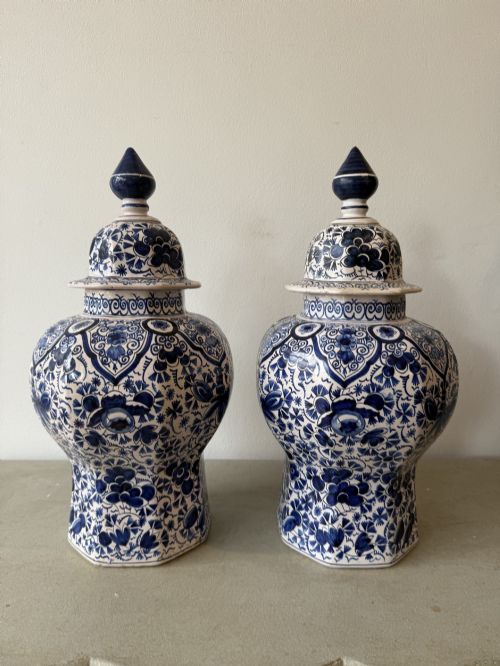
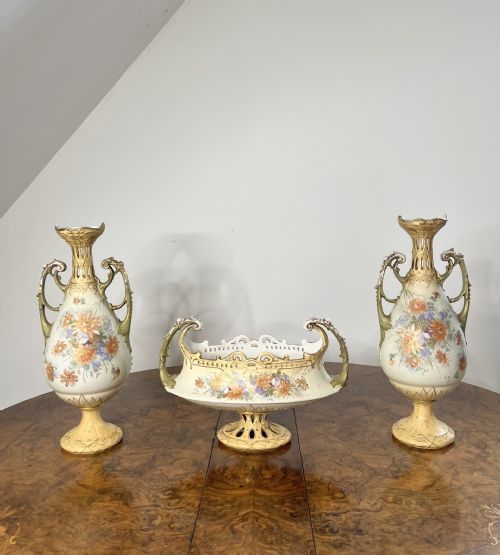
The selection includes lidded potpourri jars, twin-handled urns, bulbous vases and ginger jars executed in porcelain, earthenware and faience. Victorian and Edwardian English factories sit alongside Regency period pieces, Meissen porcelain and Japanese Meiji period examples.
How they were made
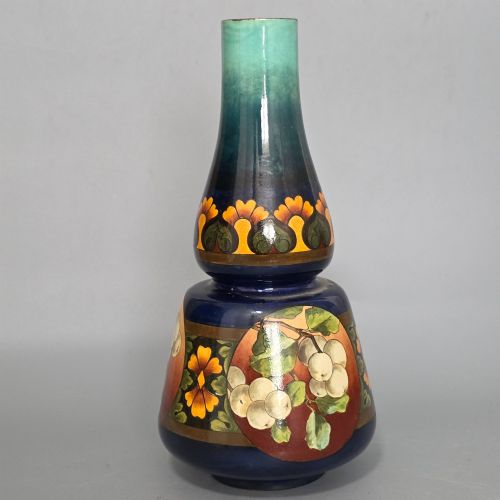
Potters shaped clay, earthenware or porcelain into bodies ranging from delicate rose water sprinklers to large campana urns and double-gourd vessels. Artisans applied polychrome enamel pigments, glaze and cobalt blue directly onto the ceramic surface, often adding gold leaf and gilding to handles and rims.
Many works received kiln firing to set intricate hand-painted floral decorations, while others incorporated relief moulding such as dolphin handles or lidded covers. Glass variations relied on enamelling and gilding applied to blown forms.
Listings feature periods spanning the eighteenth century, Regency era, Victorian epoch and Edwardian years.
What varies in quality
Quality rests in the precision of the hand-painted botanical brushwork and the crispness of the porcelain or earthenware modelling. Pieces from established makers demonstrate superior control over polychrome enamels, gilding application and glaze depth.
Proportion and structural complexity also divide standard production from exceptional works, visible in twin-handled campana urns, applied relief details and well-fitted covers.
Maruni Kobe·Flight Barr And Barr·Royal Worcester·Sitzendorf·Qianlong·Doulton Lambeth·Royal Vienna·Spode·Samson Of Paris·Tunnicliffe·H And R Daniel·Tg Green·Coalport·Meissen·Manpei
The Painted Floral Urn Vase Glossary
- Satsuma
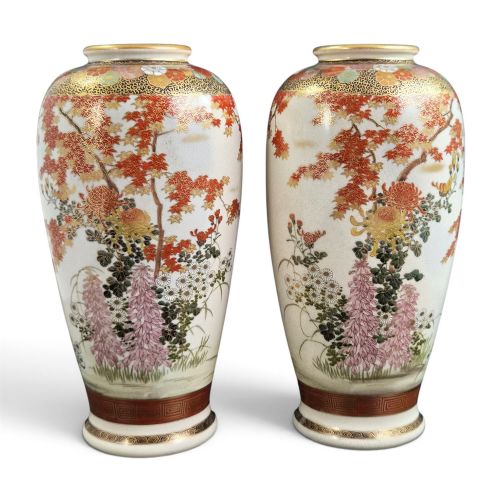
- Japanese earthenware pottery featuring a crackle-glaze ivory body decorated with polychrome enamels and gold leaf. These pieces frequently depict floral and figurative motifs.
- Blush ivory
- A soft cream-coloured porcelain body developed by Royal Worcester, typically decorated with gentle hand-painted floral motifs and tinted shading. It gained popularity during the late nineteenth and Edwardian periods.
- Imari
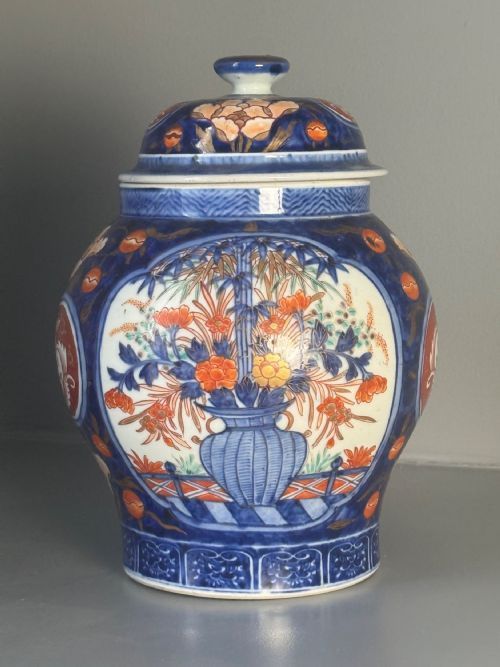
- Japanese export porcelain decorated in underglaze blue, iron red, and gilt. The style originated in the Edo period and continued into the Meiji period.
- Faience
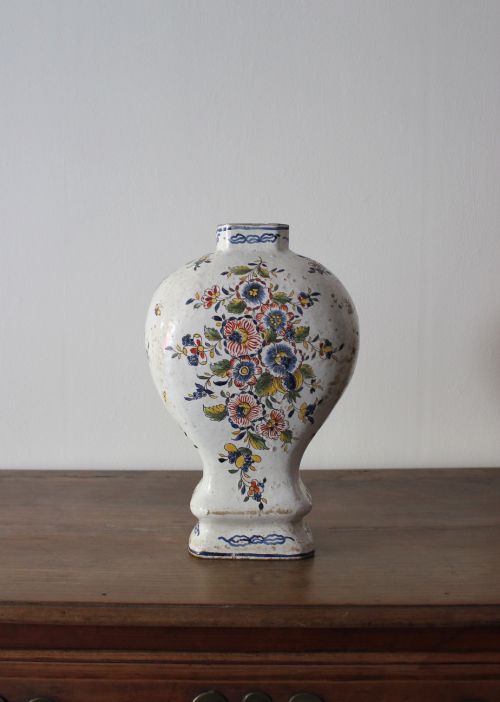
- Tin-glazed earthenware produced by English and continental potteries. It provides an opaque white surface suitable for painted floral decoration.
Painted Floral Urn Vase: Frequently Asked Questions
How do I identify a Victorian painted floral urn vase?
Victorian examples frequently display rich polychrome enamel painting on heavy porcelain bodies, sometimes incorporating blush ivory grounds or elaborate gilding.
Maker marks stamped or painted to the underside help confirm the exact period of production alongside the stylistic cues of the nineteenth century.
What is the difference between Satsuma and Imari vases?
Satsuma wares utilise a fine crackle-glaze earthenware body decorated with detailed polychrome enamels and gold leaf. Imari pieces rely on hard porcelain painted in deep cobalt blue, iron red and gilt.
Both Japanese export styles date predominantly to the Meiji period but offer distinctly different surface textures and colour palettes.
Where should I display a large urn vase?
Large urn vases work well as focal points on sturdy side tables, mantelpieces or dedicated pedestals where their painted floral details remain visible. Twin-handled campana shapes require adequate clearance to showcase their proportions from all sides.
Stable placement prevents accidental tipping of heavy porcelain and earthenware vessels.
How should I clean antique porcelain vases?
Dust these vessels gently with a soft, dry brush to remove particles without disturbing delicate enamel or gilt surfaces. Avoid harsh chemical cleaners or submersion in water, particularly on pieces with cold-painted decoration or fragile gold leaf.
Regular light maintenance preserves the original hand-painted botanical artwork.