
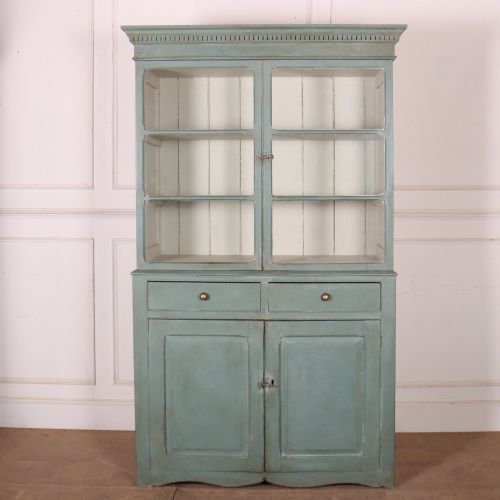
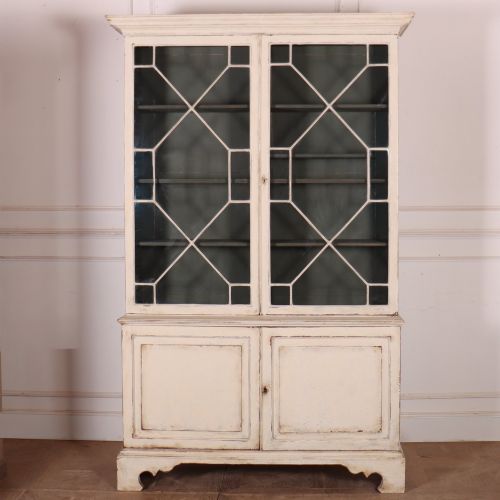
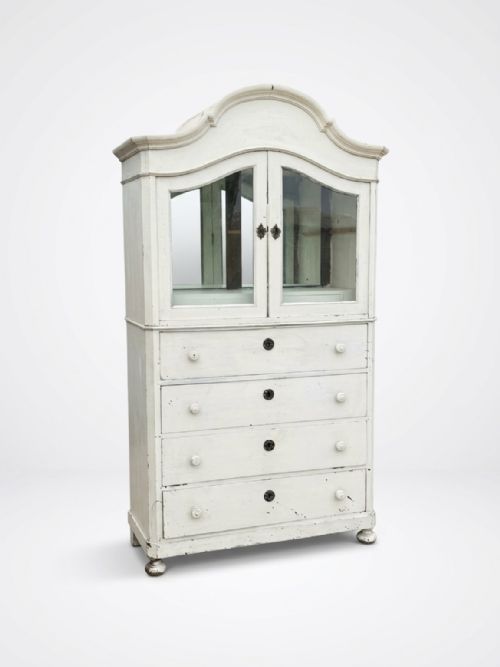
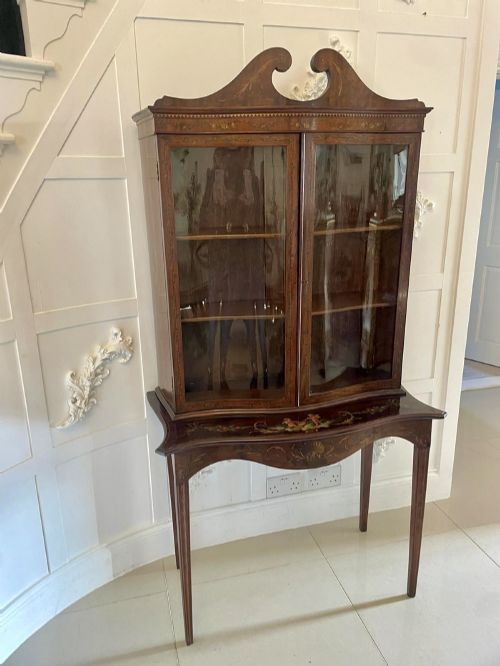
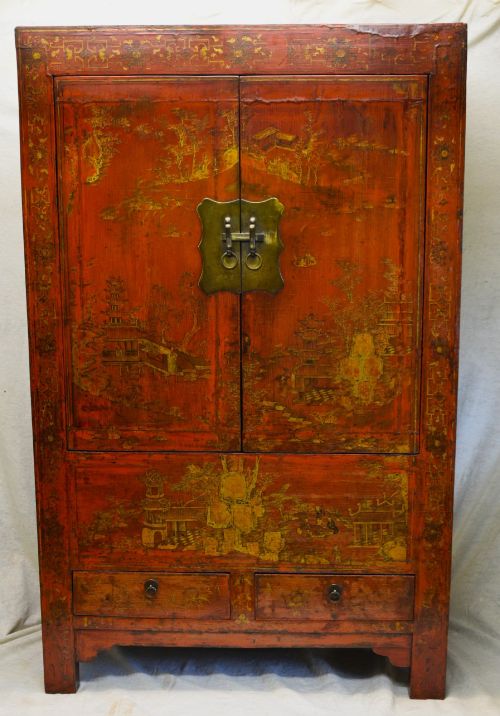
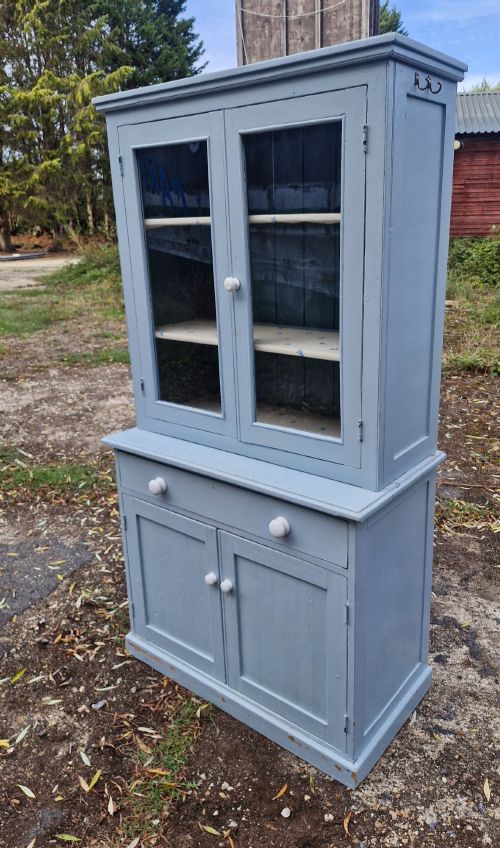
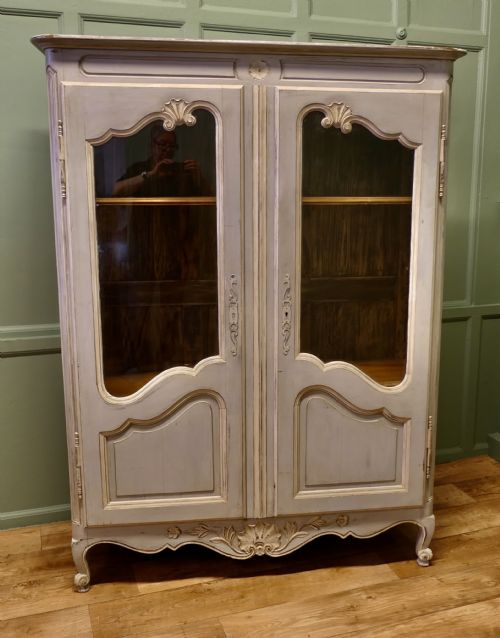
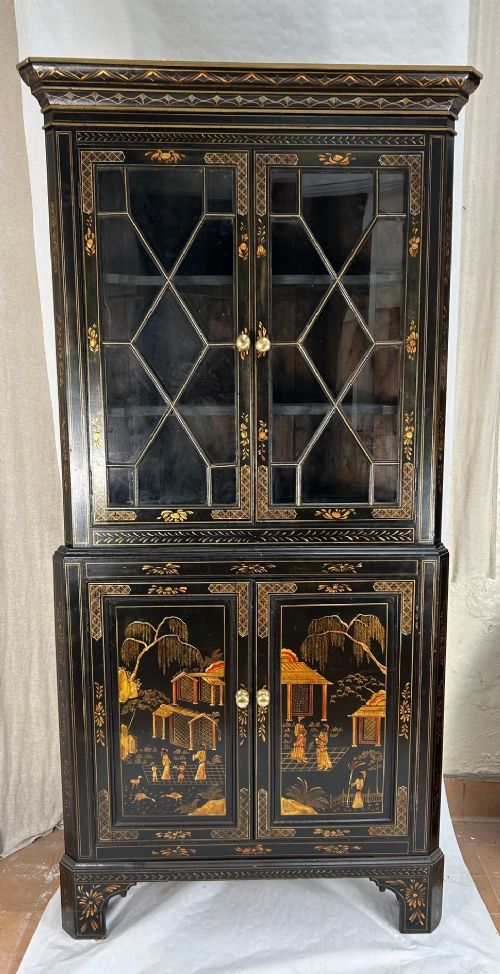
Painted Display Cupboard
A painted display cupboard brings both colour and practical storage to a room, framing cherished objects behind glass doors.
Painted Display Cupboard
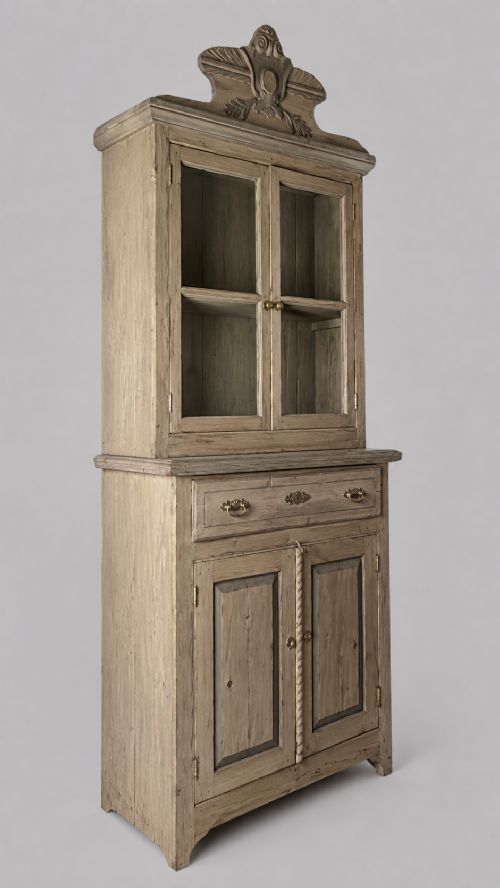
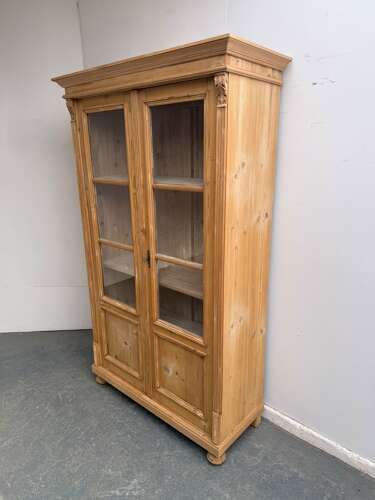
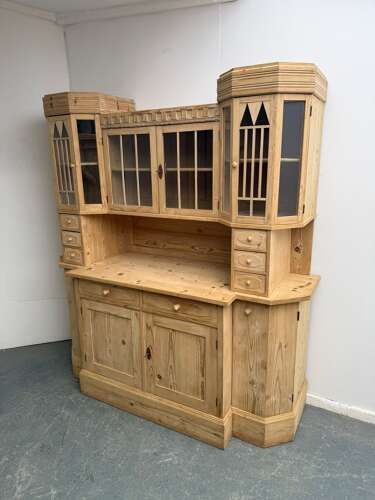
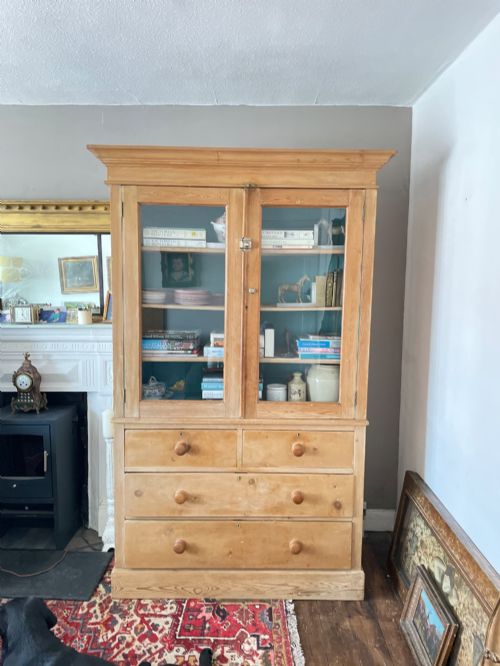
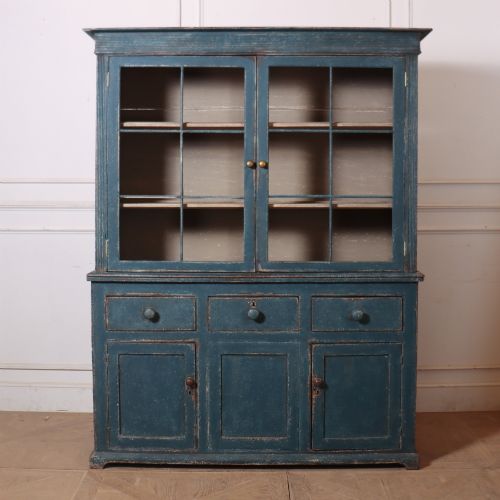
A painted display cupboard serves to showcase china, books or curiosities while keeping them protected behind glazed or open fronts. When searching for a painted display cupboard, buyers encounter everything from modest pine kitchen dressers to refined satinwood and mahogany vitrines.
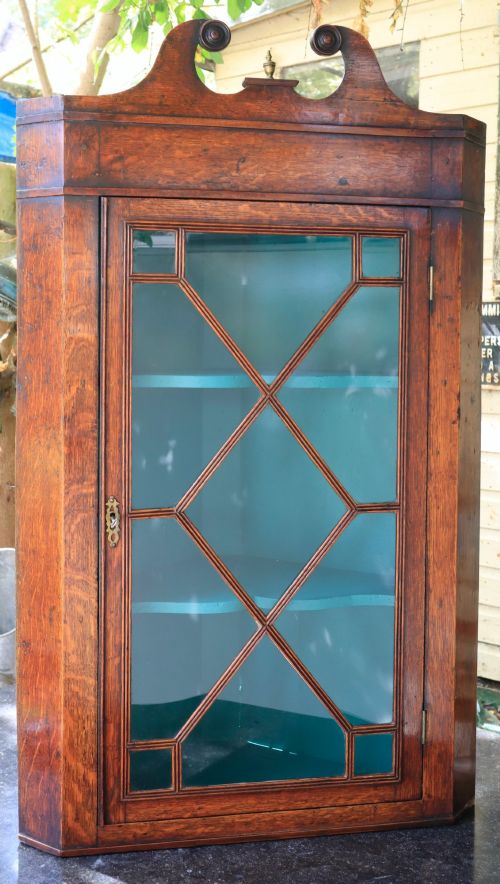
The selection ranges across the eighteenth, nineteenth and early twentieth centuries, drawing on English, French, Swedish, Italian and Chinese traditions. Corner cupboards, tall bookcases and two-part kitchen cabinets all appear frequently across these listings.
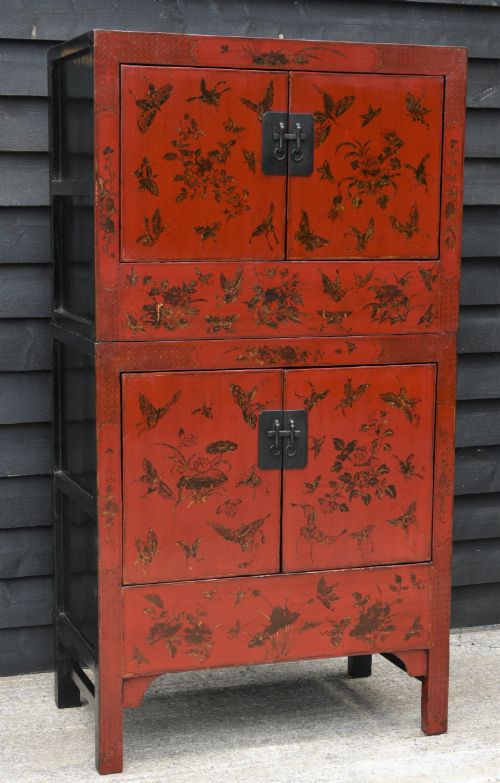
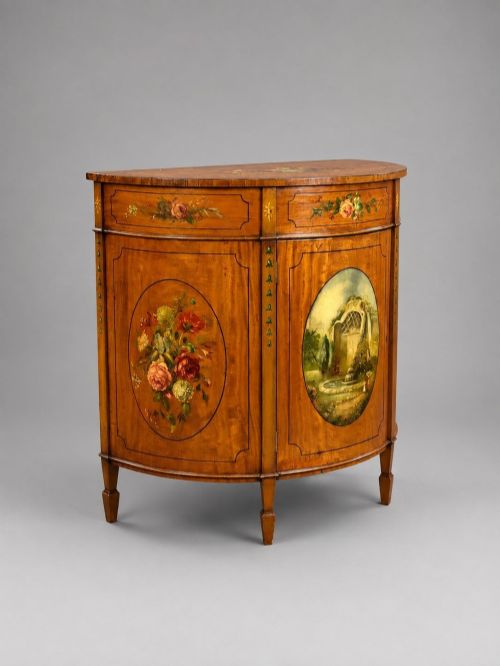
Regional forms such as Scottish kitchen cabinets and West Country dressers sit alongside formal Edwardian demi-lune display pieces and lacquered marriage cabinets. Pine and hardwood carcases predominate, finished with painted surfaces, original glazes or oriental lacquer.
How they were made
Cabinetmakers constructed these carcases primarily from pine, mahogany, satinwood or elm, joining timbers with traditional housing joints and dovetails. Glass panes were fitted into timber doors to create vitrines and glazed bookcases.
Surfaces were prepared with layers of paint, decorative wax or oriental lacquer, sometimes incorporating hand-painted decoration or sign-writing. Brass and iron hardware, including hinges and key escutchein plates, completed the construction.
Several surviving pieces retain utilitarian sign-painting from old stationers and haberdashery shops before finding new life in domestic interiors.
What varies in quality
The integrity of the original painted surface or lacquer work dictates much of the piece's character and standing. Later overpainting or stripped pine surfaces alter the visual depth compared to examples retaining early or original paint.
Proportion and joinery refinement distinguish everyday utility furniture from high-style workshop productions. Pieces featuring original glass, intact shelving and well-fitted doors demonstrate superior workshop origin.
The Painted Display Cupboard Glossary
- Vitrine
- A glass-fronted cabinet designed specifically for displaying fine ceramics or objects. These pieces often feature delicate glazing bars and polished woodwork.
- Demi-lune
- A half-moon shape characteristic of certain Georgian and Edwardian furniture frontages. Such cabinets fit neatly against flat walls.
- Bonnet top
- An arched or hooded upper cornice found on tall cabinets and bookcases. This stylistic flourish draws the eye upward.
- Vernis Martin
- A European imitation of oriental lacquer developed in France. It uses successive layers of varnish to achieve a translucent finish.
- Chinoiserie
- European decorative style reflecting Chinese artistic motifs. It appears frequently on lacquered cabinets and screens.
Painted Display Cupboard: Frequently Asked Questions
Where should I put a display cupboard?
These cabinets suit dining rooms, living spaces or kitchens where glazed doors protect contents from dust while keeping them visible.
Smaller corner cupboards make effective use of neglected angles in compact rooms.
How do I care for painted wood?
Dust surfaces regularly with a soft, dry cloth and avoid harsh cleaning products that might lift historic paint layers.
Keep timber furniture away from direct heat sources and strong sunlight to prevent warping and fading.
Are the shelves adjustable?
Many nineteenth and twentieth century bookcases and display cabinets feature movable wooden shelving supported on traditional ratchets or pins.
Earlier eighteenth-century pieces often retain fixed internal shelves pegged directly into the carcase sides.
How do I identify the period?
Construction methods such as hand-cut dovetails, timber choices like satinwood or pine, and hardware styles point toward specific eras.
Stylistic cues like Edwardian satinwood inlay or Georgian proportions help narrow down the date of manufacture.