

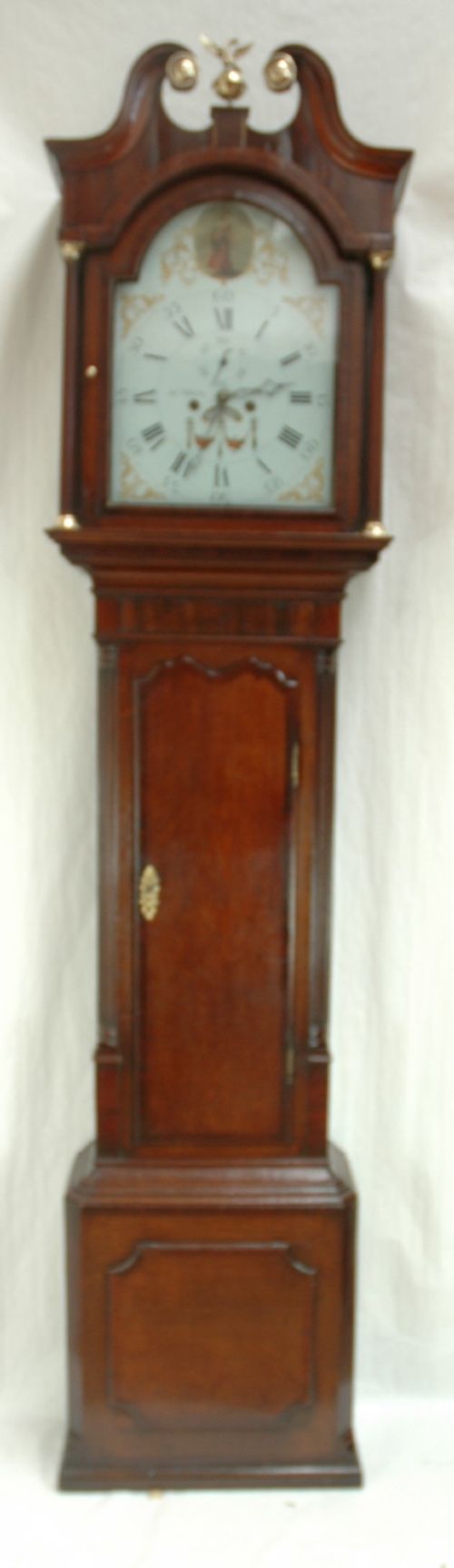
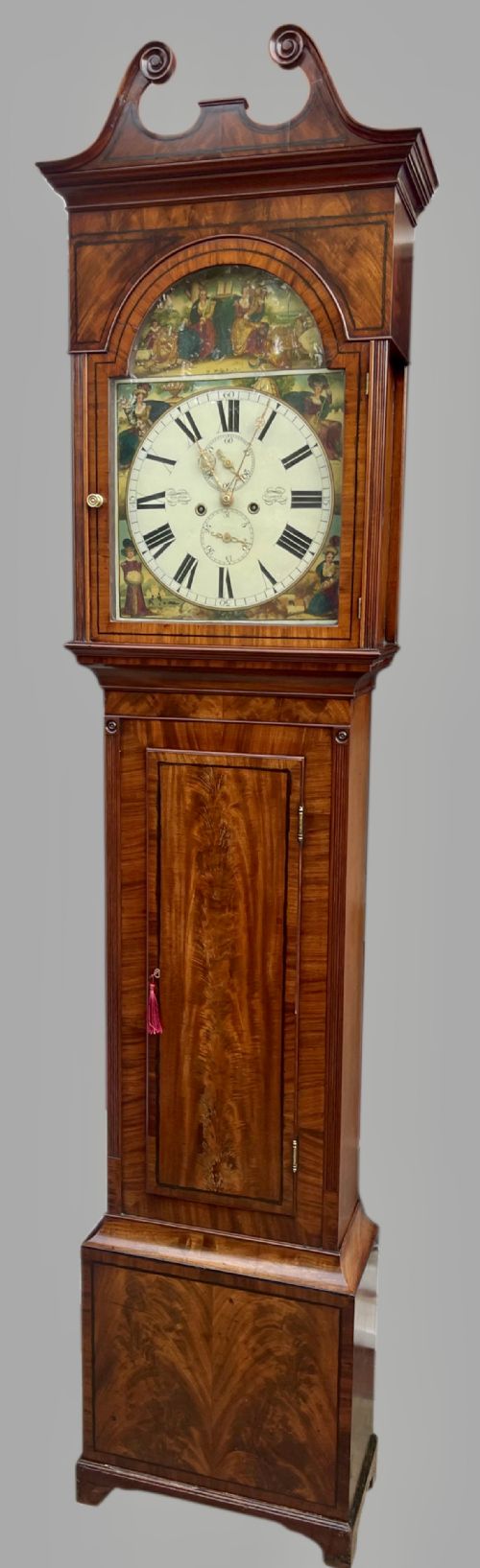
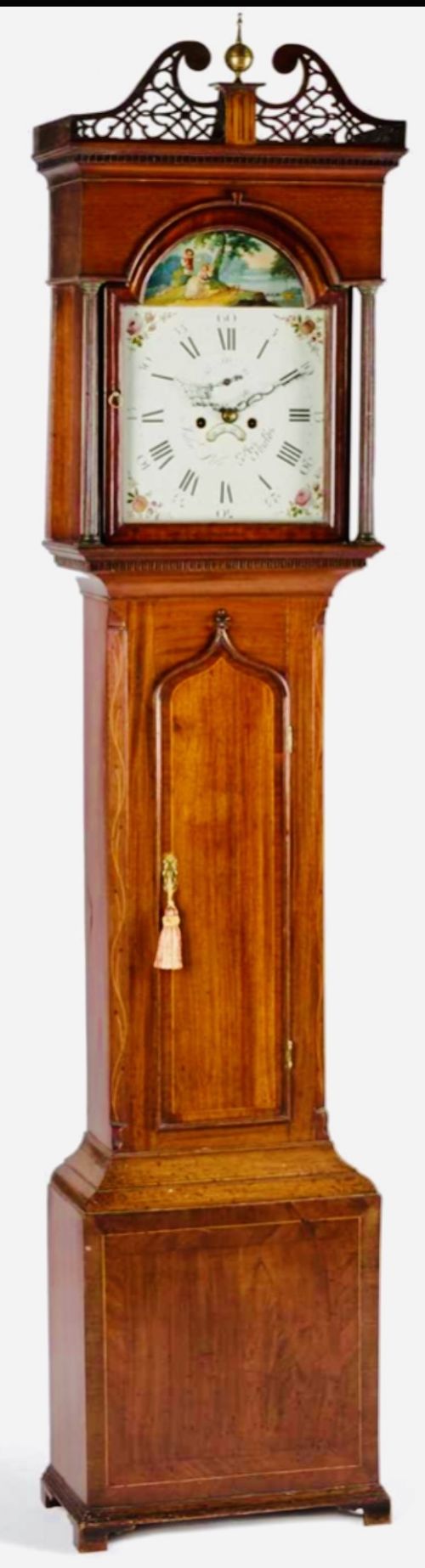
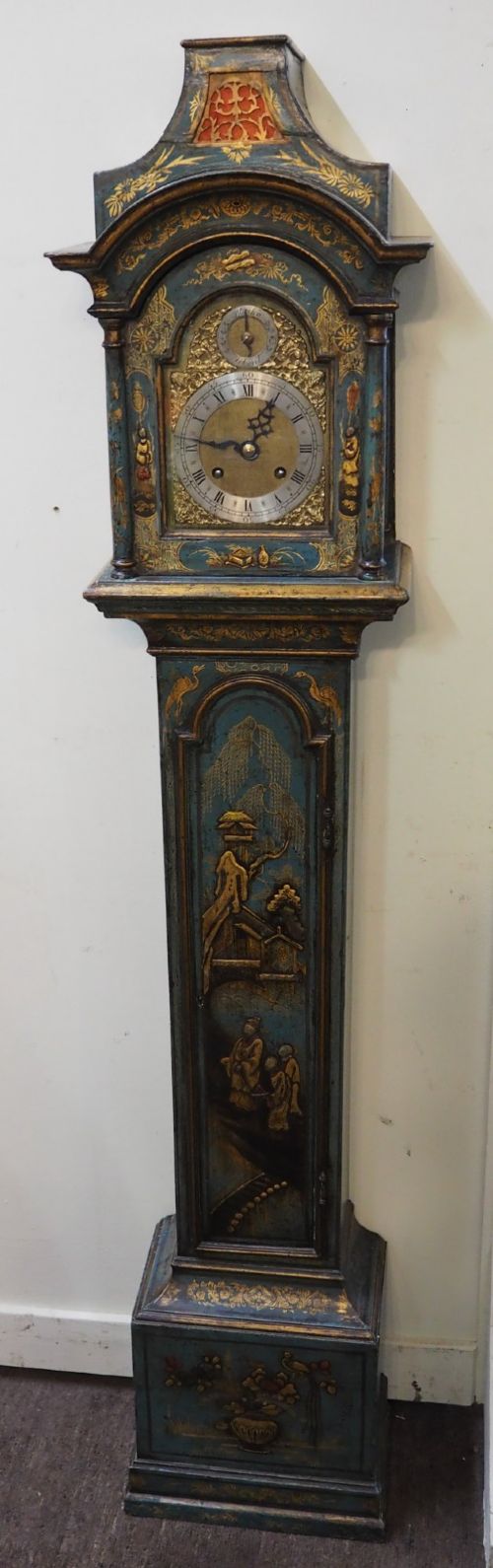
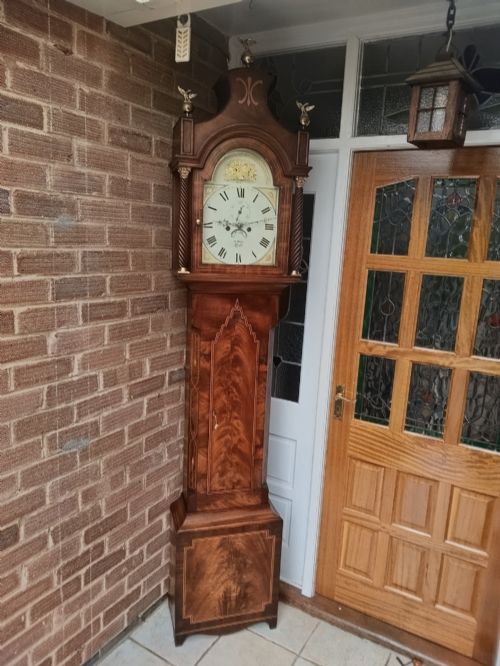
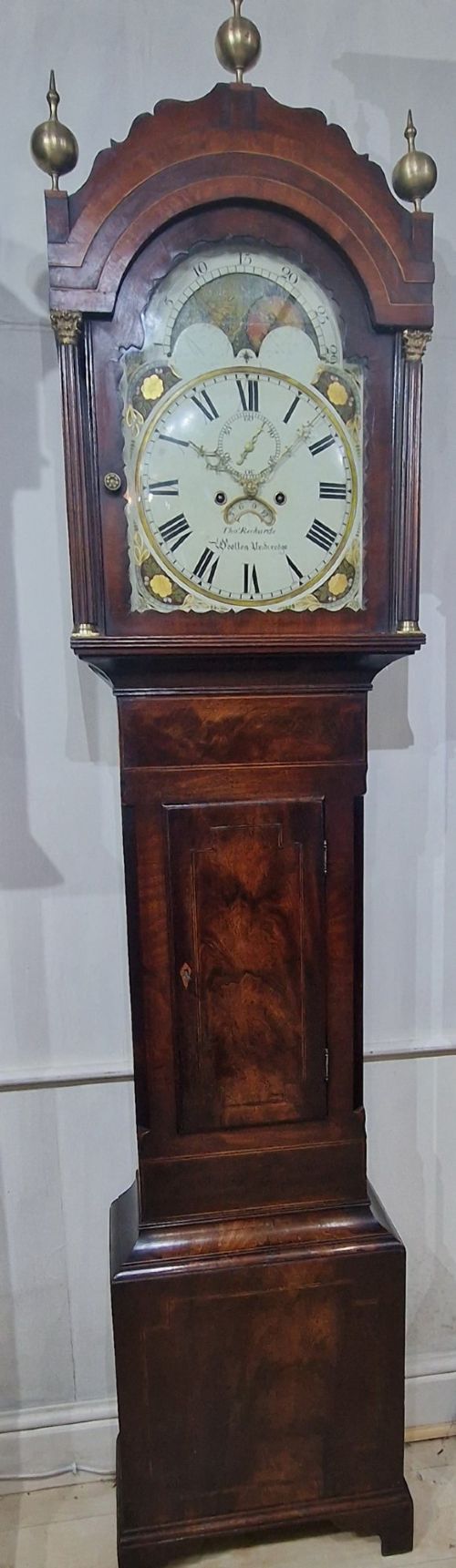
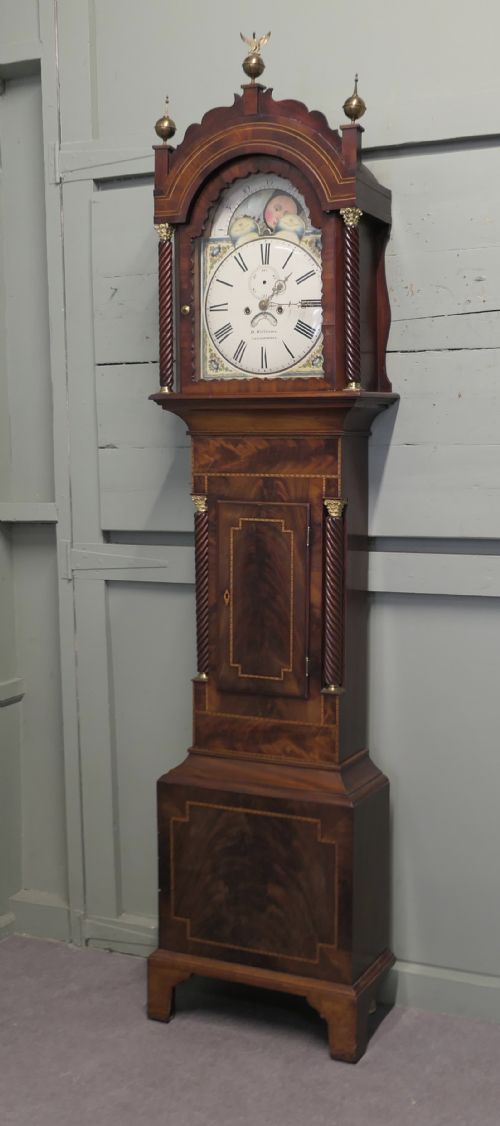
Painted Dial Floor Clock
A painted dial floor clock stands as a traditional domestic timekeeper, bringing considerable presence and mechanical interest to a room.
Painted Dial Floor Clock
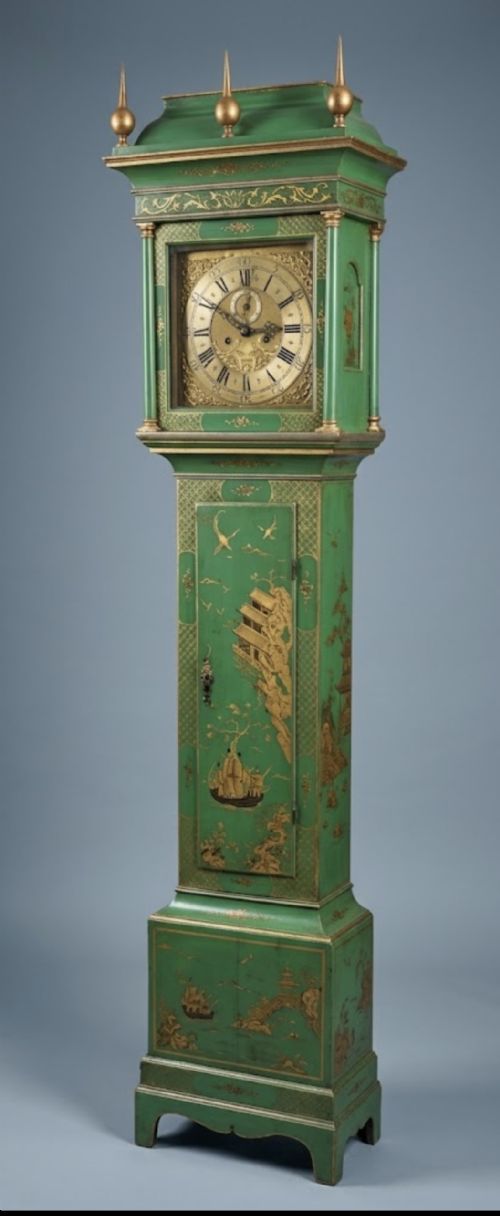
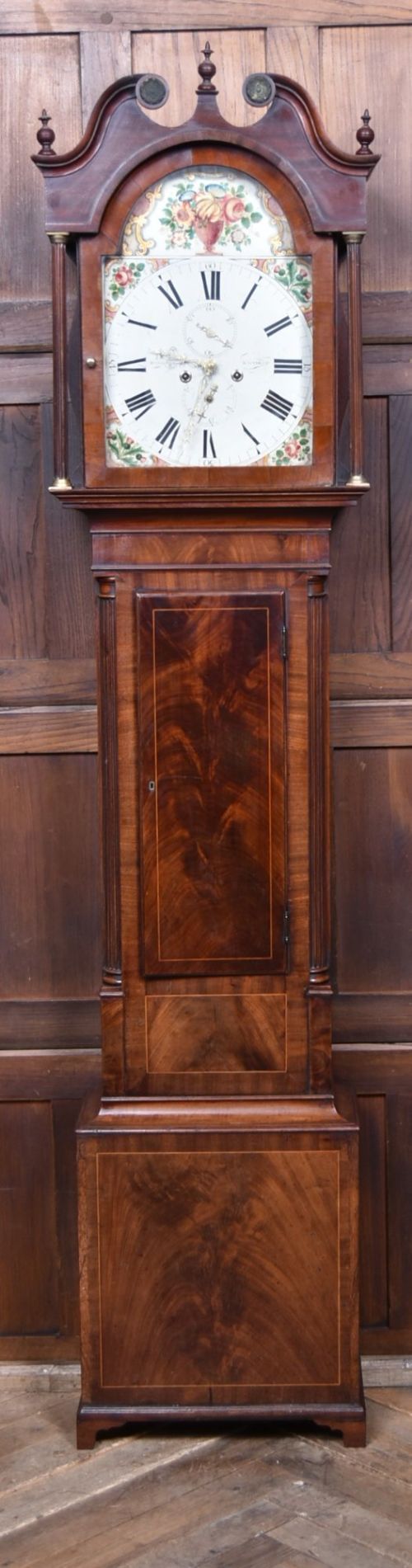
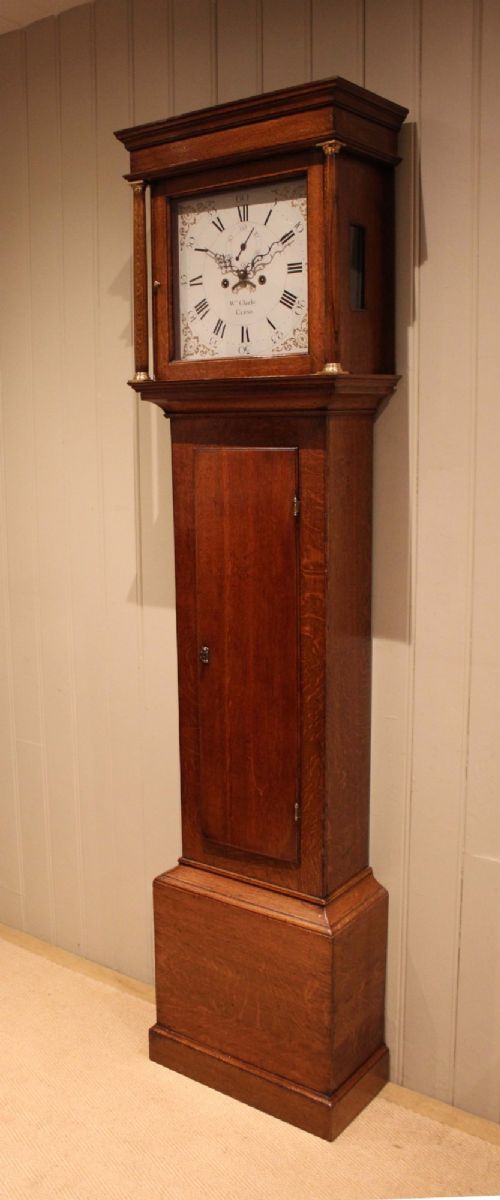
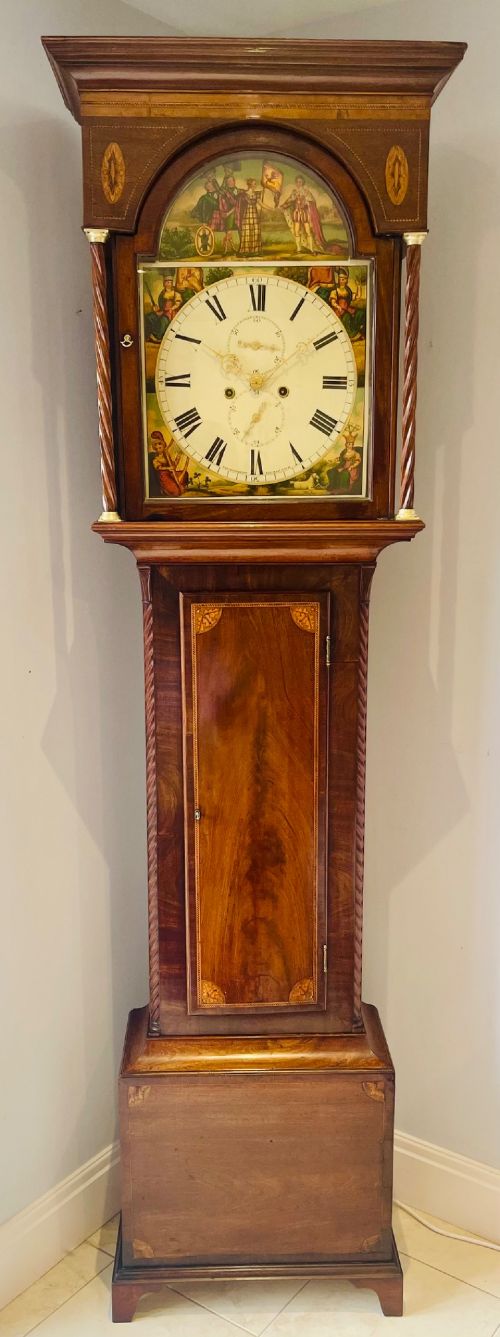
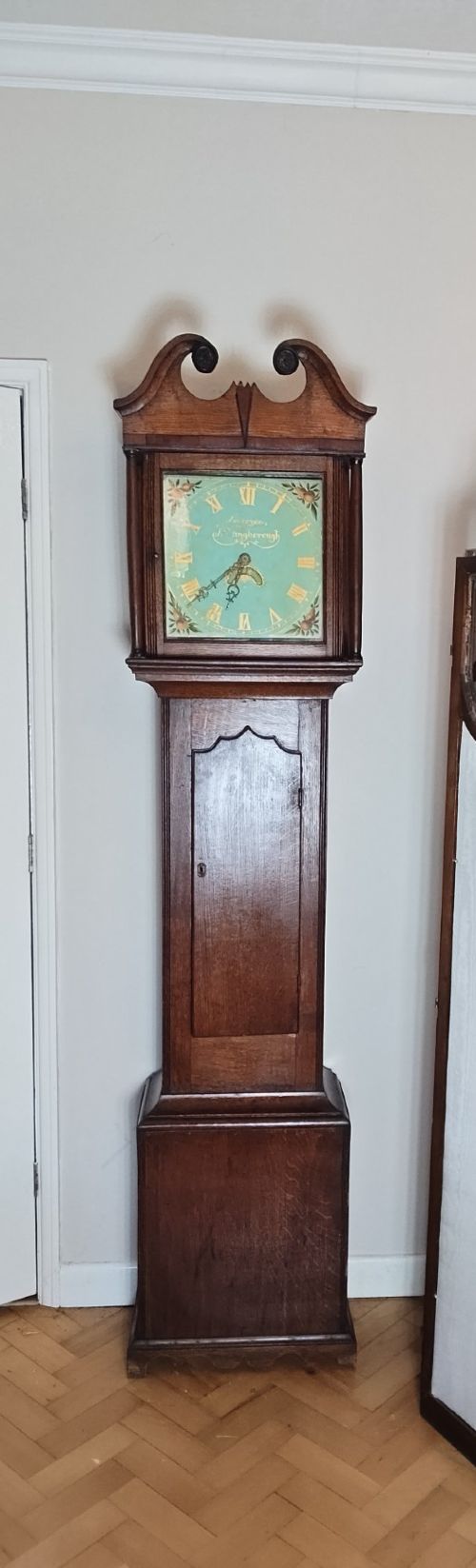
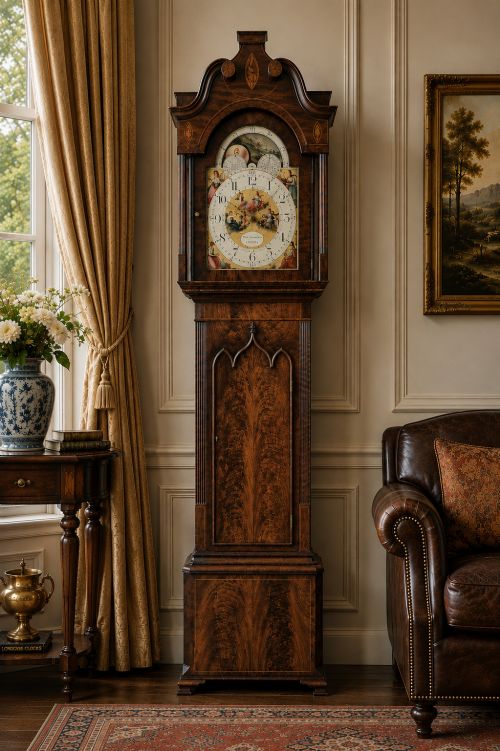
A painted dial floor clock is primarily encountered in longcase and grandfather forms originating from the eighteenth and nineteenth centuries. These tall timekeepers appear across various regional styles, spanning Georgian, Regency, and Victorian periods.
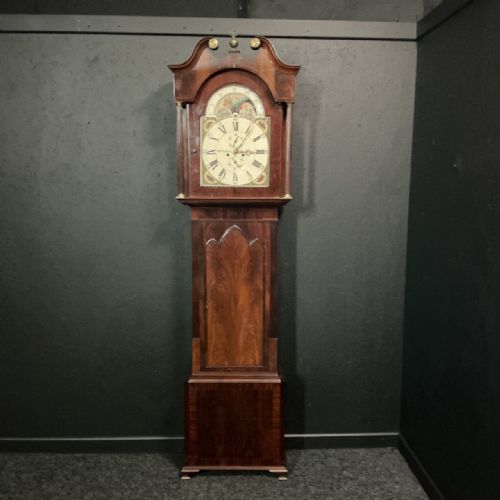
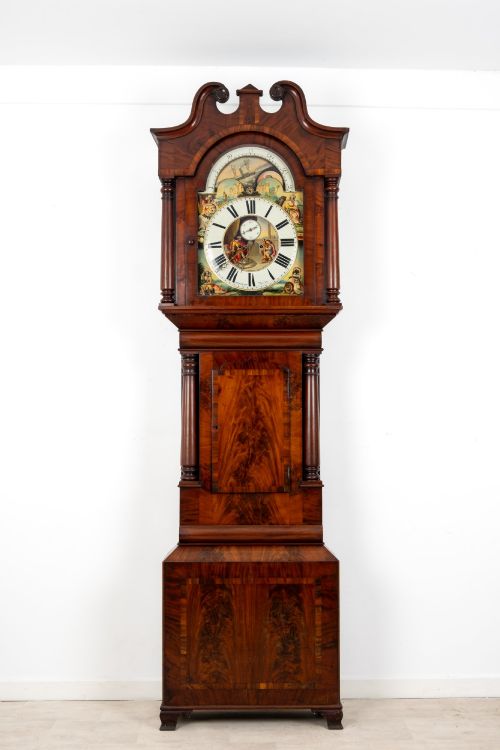
The objects combine cabinet work in timbers such as mahogany and oak with prominent painted iron dials displaying the hours. Examples range from simple country oak pieces to elaborate Scottish and English regional clocks featuring phase complications.
Distinguishing quality factors
Quality rests in the precision of the cabinet timber selection, particularly the use of figured flame mahogany veneers and intricate inlay work. Superior examples show refined proportions in the trunk and hood design rather than heavy or plain carpentry.
The execution of the painted dial elevates the piece, with crisp lettering, detailed floral or lunar artwork, and well-finished brass movements signed by known regional clockmakers. Dial clarity and original matching hands indicate higher standards of production.
Painted Dial Floor Clock Retail Price Guide 2026
Typical asking prices for painted dial floor clock among the pieces listed under this phrase on Sellingantiques today, from the lower quarter to the upper quarter. They describe what is for sale here now, not the wider market.
Listings feature movements ranging from standard thirty-hour versions to complex eight-day mechanisms with moonphase complications.
John Fielder of Alton·Hendrie Ogg·Tait Peebles·Samuel Kellett of Bredbury·Parkinson Bros Batley·D Williams of Crickhowell·Edward Shepley of Manchester·Thomas Webbe of New Quay·Richard Sharkey Birmingham·Thwaites London·Charles Dowsett Of Canterbury·John Denbigh Merton Park·Edward White Birmingham·David Craig Ford Path head
The Painted Dial Floor Clock Glossary
- Longcase clock
- A tall pendulum clock housed in a wooden case consisting of a hood, trunk, and base. These pieces are often referred to colloquially as grandfather clocks.
- Moonphase
- A dial mechanism tracking the lunar cycle through a rotating disc showing the phases of the moon. This complication appears behind a shaped aperture on the arch of the dial.
- Grandmother clock
- A smaller scale version of the traditional longcase clock, typically produced during the nineteenth century. They occupy less floor space while retaining standard weight-driven movements.
- Chinoiserie
- A decorative style employing European interpretations of Chinese artistic motifs, often rendered in lacquer. This finish appears on select regional clock cases.
- Drum head
- A circular case design enclosing the clock dial above the trunk, associated with nineteenth-century Scottish and regional production. The shape resembles a drum mounted on the main body.
Painted Dial Floor Clock: Frequently Asked Questions
Where should a floor clock stand?
Position the piece against a sturdy interior wall away from direct sunlight and heat sources to protect the wooden case and movement. A stable, level floor ensures the pendulum swings evenly for accurate timekeeping.
Allow sufficient clearance above the hood if the movement requires manual winding through the dial face. Hallways, landings, and reception rooms provide suitable environments where the chime or tick can be appreciated.
How do eight day and thirty hour movements differ?
An eight day movement requires winding once a week using a crank key inserted into holes on the dial face. These mechanisms use two or three weights suspended internally.
Thirty hour movements need winding daily and typically operate with a single weight and chain drive system. Simpler gear trains characterise these more rustic domestic examples.
How do I date a painted dial clock?
Examine the overall case style, timber choice, and the shape of the dial arch to determine the period. Georgian examples often feature square dials or simple painted arches, while nineteenth-century pieces display more ornate spandrels and moonphase complications.
Maker signatures inscribed on the dial or movement backplate allow cross-referencing against regional trade records. Case construction details, such as secondary woods and dovetailing, offer further chronological clues.
What is a moonphase dial?
A moonphase dial tracks the lunar cycle across a painted double moon disc visible through a semicircular window on the dial arch. The mechanism advances incrementally over twenty-nine and a half days.
This feature adds visual complexity to the clock face and was particularly popular on better quality regional timekeepers intended for agricultural or coastal use.