




Painted Copper Box
These painted copper box examples are small, hand-decorated vessels in enamel and metal, prized by collectors for their miniature artistry and Georgian provenance.
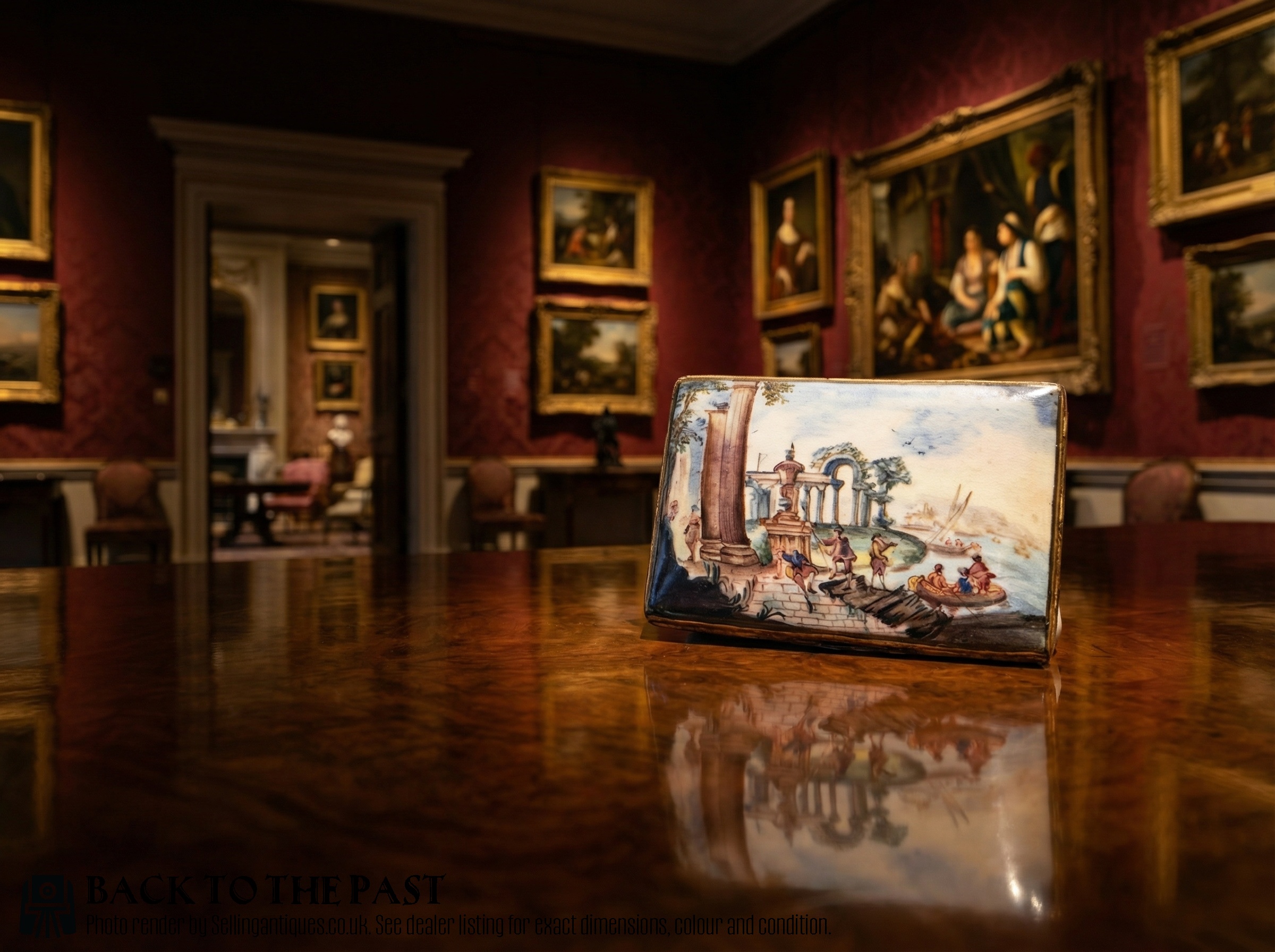
Painted Copper Box
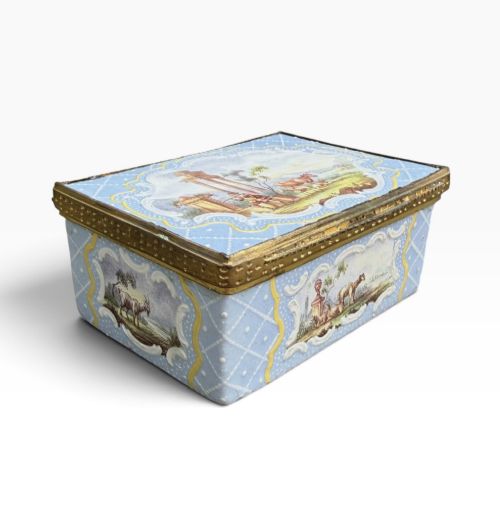
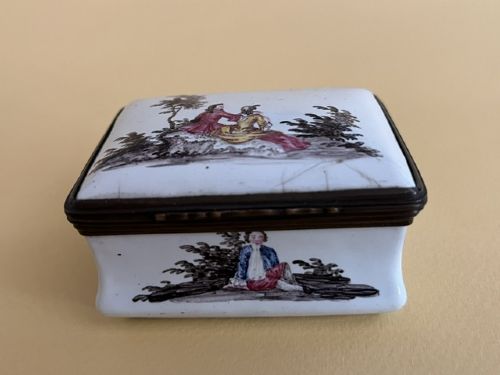
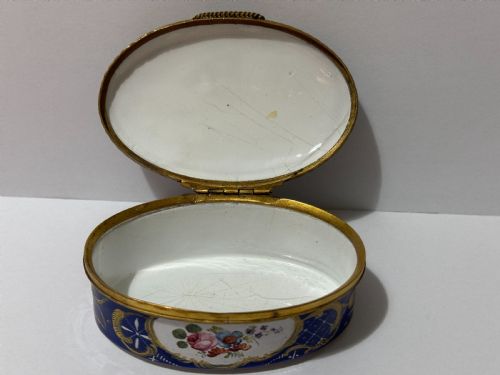
A painted copper box is typically a small, hinged container designed to hold snuff, patches, or trinkets, fashioned during the eighteenth and nineteenth centuries. The pieces on this page are most frequently Georgian Bilston and South Staffordshire enamel boxes featuring detailed painted scenes upon copper bodies.
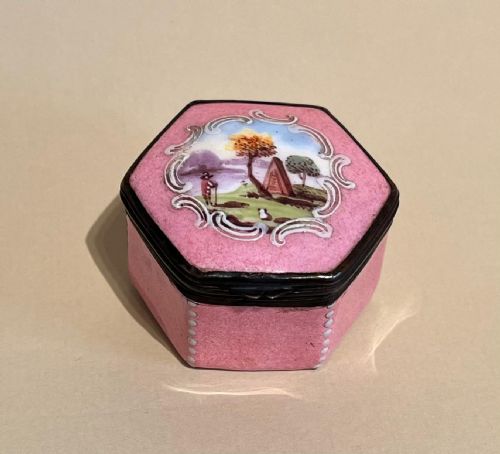
The selection spans oval and rectangular patch boxes, bonbonnières, and snuff boxes, alongside occasional novelty trinket pieces and nineteenth-century folk art dioramas. Most specimens originate from English workshops, with distinct Chinese export examples also appearing in the materials.
Collectors encounter items varying from simple lids to complete, hinged boxes with gilt metal mounts. The form reflects the domestic habits and social accessories of the Georgian era, preserved in portable miniature formats.
How they were made
The foundation of each piece is beaten or shaped copper, which is then coated in vitreous enamel and fired at high temperatures. Artisans applied delicate hand-painted motifs, often depicting figures in landscapes or floral subjects, directly onto the enamel surface.
Gilt metal, brass, and gilded copper mounts were utilised to frame the hinged lids and secure the bases. This combination of base metal, fused glass enamel, and fine metalwork required specialised workshop collaboration between metalbeaters and enamel painters.
Current listings feature eighteenth-century Bilston and South Staffordshire enamels alongside nineteenth-century folk art diorramas in copper and brass.
What varies in quality
Quality in a painted copper box rests upon the finesse and detail of the hand-painted enamel miniature on the lid. Crisp lines in the depiction of figures or landscapes distinguish superior work from simpler provincial decoration.
The condition and execution of the metal mounts, whether gilt metal or brass hinges, contribute significantly to the overall merit of the object. Weight, proportion, and the smoothness of the enamel fusing separate standard production pieces from finer studio examples.
The Painted Copper Box Glossary
- Bilston enamel
- A term for enamels produced in the Staffordshire town of Bilston during the eighteenth century. These pieces typically feature copper bases coated in white enamel and decorated with polychrome painting.
- Patch box
- A small pocket container used by Georgian ladies to store cosmetic patches made of silk or velvet. They are almost invariably fitted with a small interior mirror on the lid.
- Bonbonnière
- A small ornamental box intended for holding sweets or sugar plums. These containers often took whimsical or novelty shapes.
- Vitreous enamel
- Glass powder fused to a metal substrate through firing at high temperatures. This creates a durable, glossy coloured coating over the copper body.
- Gilt metal
- Base metal treated with a thin layer of gold wash or electroplating to simulate solid gold mounts. It frames the enamel panels on boxes and provides structural hinges.
Painted Copper Box: Frequently Asked Questions
What were painted copper boxes used for?
These small containers held personal items such as dry snuff, scented patches for the face, or sweetmeats. Their portability made them fashionable pocket accessories for the Georgian elite.
Over time, they transitioned from utilitarian pocket items into decorative display objects and collectibles prized for their miniature painted scenes.
How do I date an antique enamel box?
Dating relies on the style of the painted decoration, the shape of the copper base, and the characteristics of the metal mounts. Eighteenth-century pieces often display Georgian motifs and characteristic enamel crackle.
Later nineteenth-century examples diverge into folk art or Victorian novelty forms, showing different manufacturing techniques in the copper body.
Where were most English enamel boxes made?
The primary production centres were Bilston and South Staffordshire in England, operating extensively throughout the eighteenth century. Skilled artisans in these areas perfected the technique of fusing enamel to copper.
Other regions, including Qing Dynasty China, also produced export enamel boxes using similar copper and vitreous enamel methods.
How should I care for antique enamel?
Enamel is essentially glass fused to metal and requires gentle handling to prevent scratching or impact damage. Keep the pieces away from moisture and extreme temperature fluctuations to protect the copper and mounts.
Clean them only with a soft, dry cloth and avoid harsh chemical polishes on the delicate enamel surfaces.