


18th Century Trinket Box
An 18th century trinket box brings small-scale Georgian craftsmanship and personal storage to a dressing table.
18th Century Trinket Box
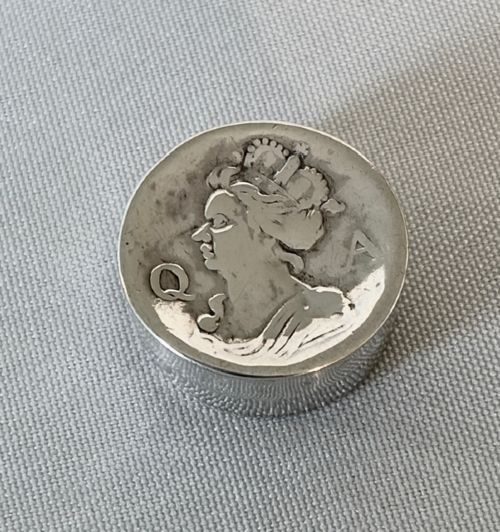
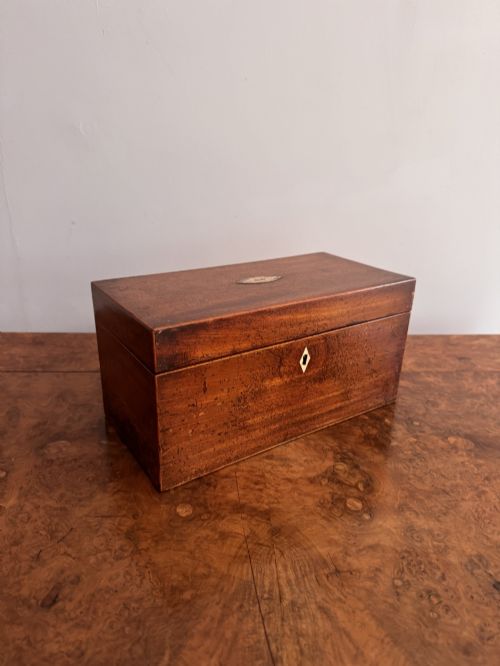
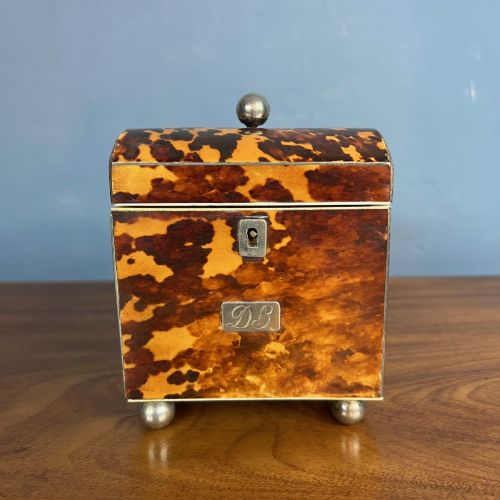
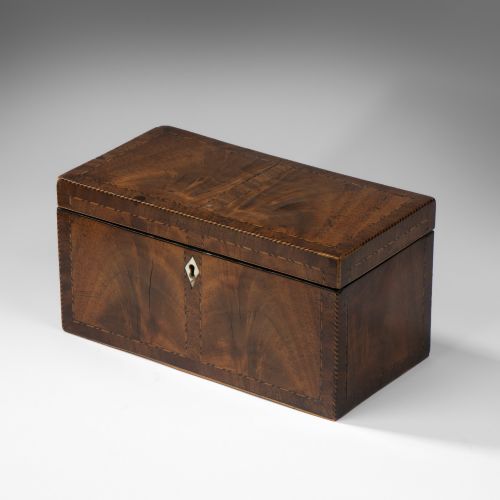
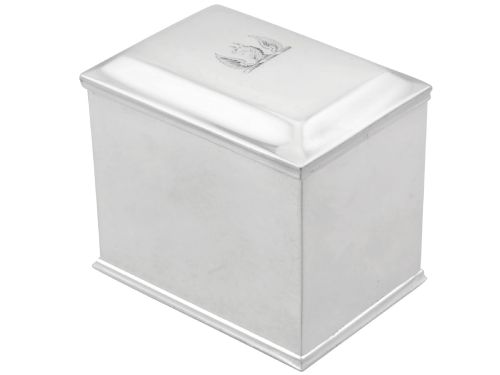
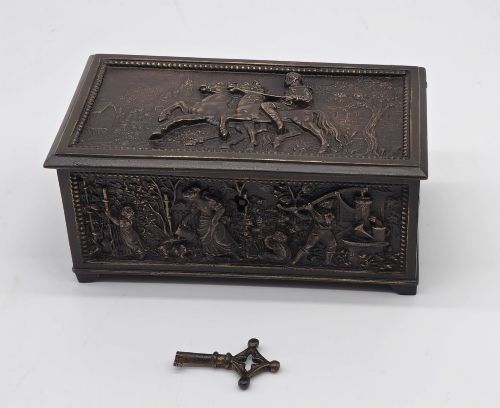
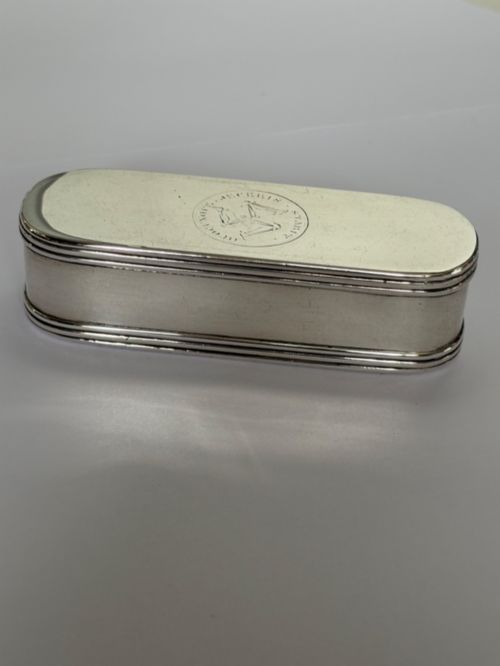
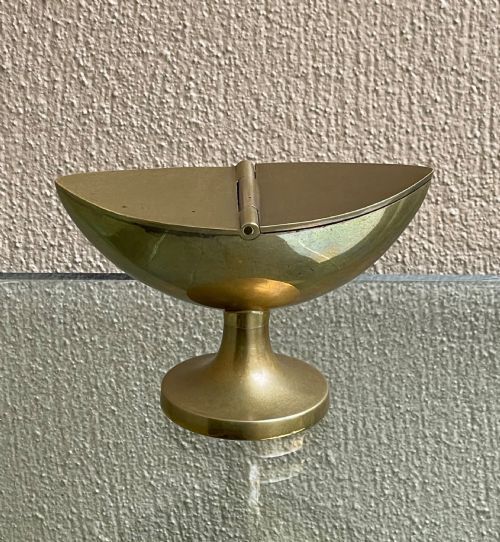
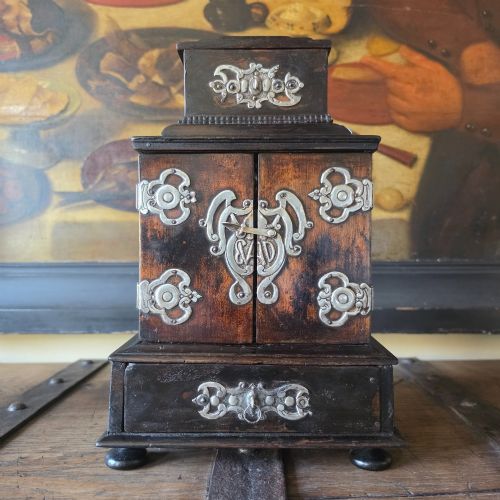
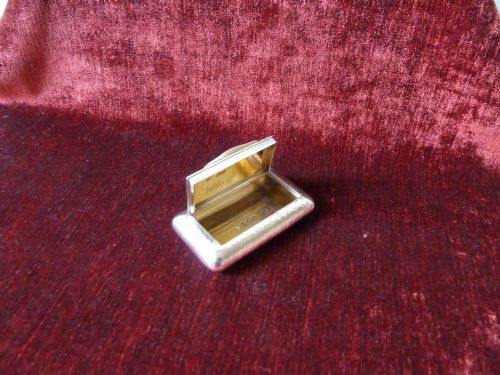
When searching for an 18th century trinket box, collectors encounter a diverse group of small receptacles including snuff boxes, patch boxes, tea caddies and decorative caskets. The selection ranges widely in form, from miniature chests of drawers to domed boxes and navette-shaped table pieces.
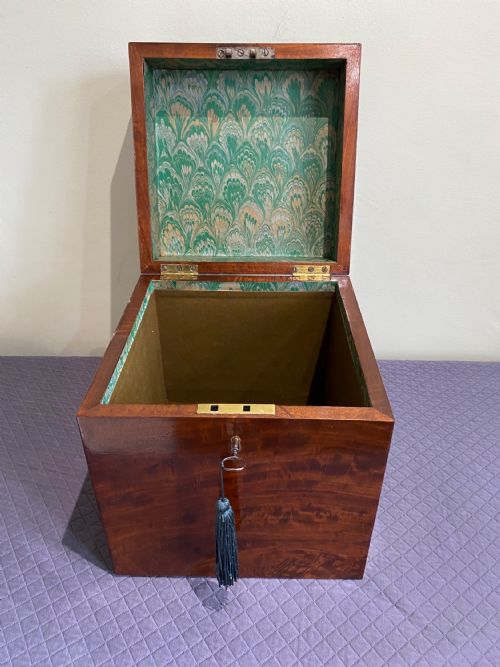
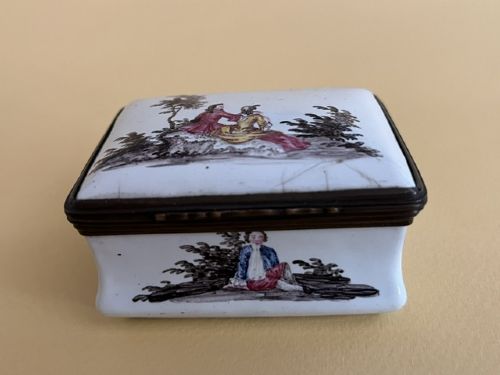
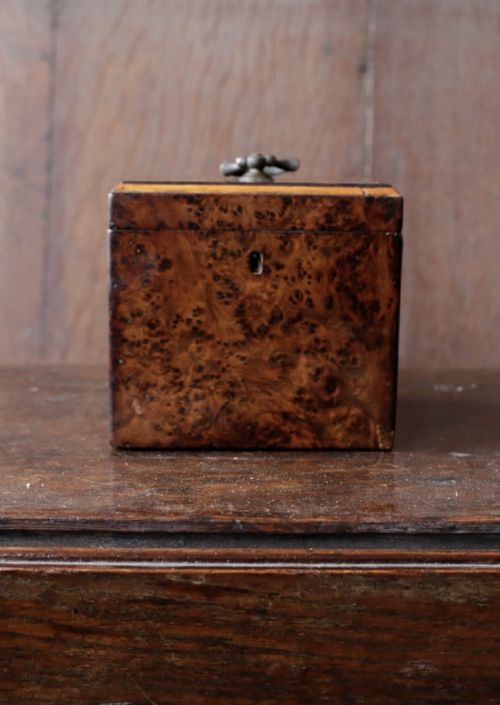
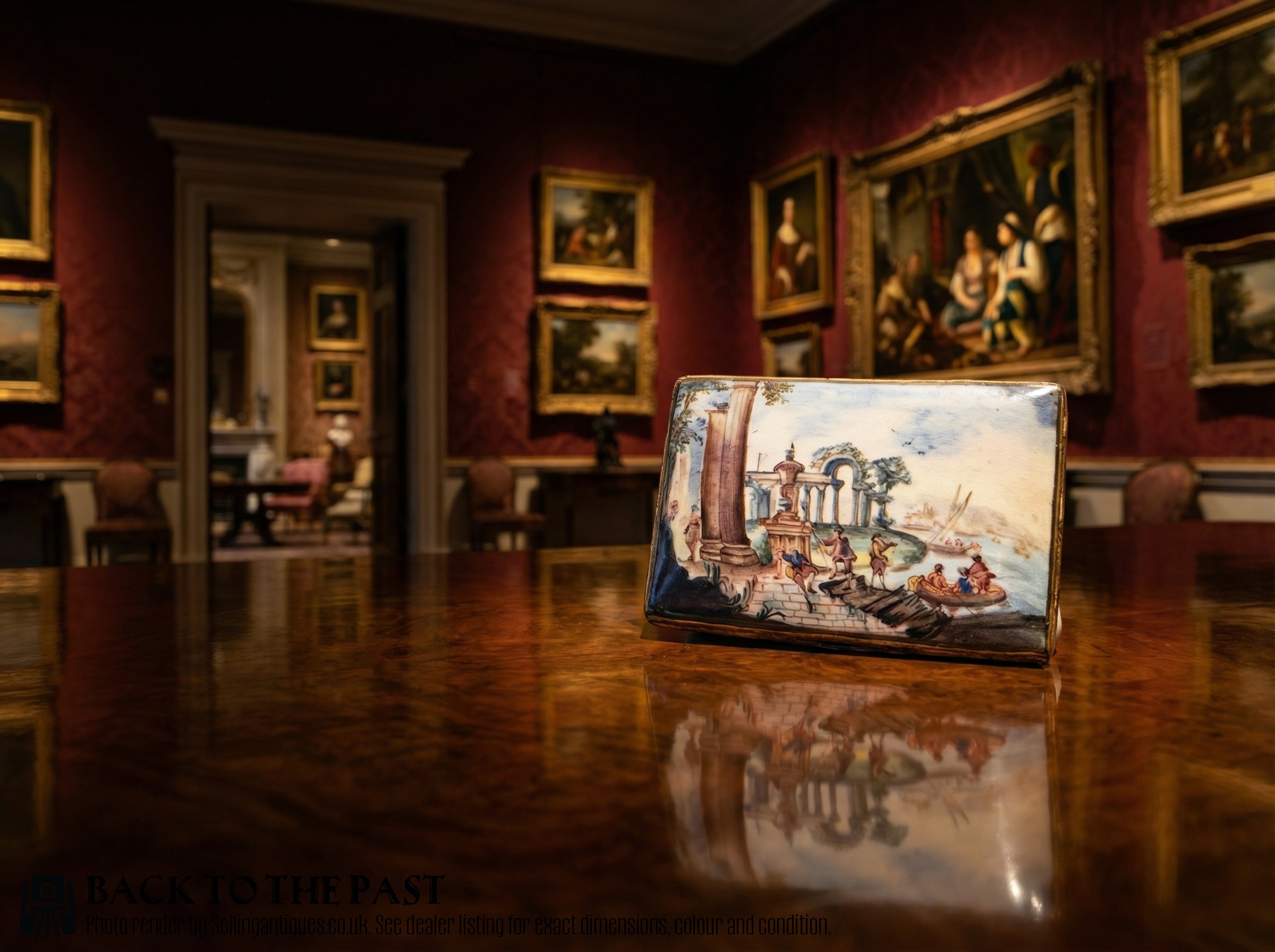
Wooden examples appear frequently in mahogany, oak, walnut, elm, yew and kingwood, occasionally incorporating mother-of-pearl, bone or marquetry. Enamel and metal versions from Staffordshire, Bilston and continental workshops provide colourful alternatives with hand-painted scenes.
Georgian items dominate the selections alongside pieces carrying Rococo, French Baroque and 18th century continental or Chinese influences. Buyers will also find specialised items such as coquilla nut patch boxes, pony skin snuff boxes and silver gilt pieces.
Materials and Construction
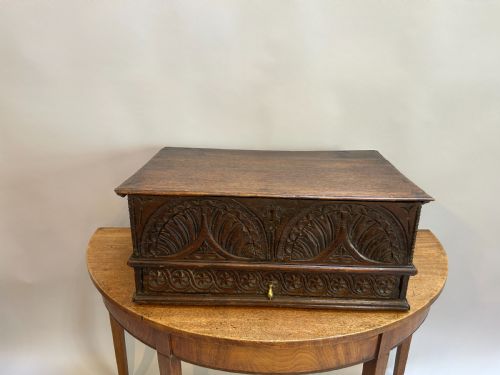
Cabinetmakers utilised dense timbers like mahogany, oak, walnut and burr yew, shaping them into tea caddies, Bible boxes and jewelery cabinets with precise joinery. Inlaid veneers, flame mahogany patterns and delicate stringing added surface detail to wooden bodies.
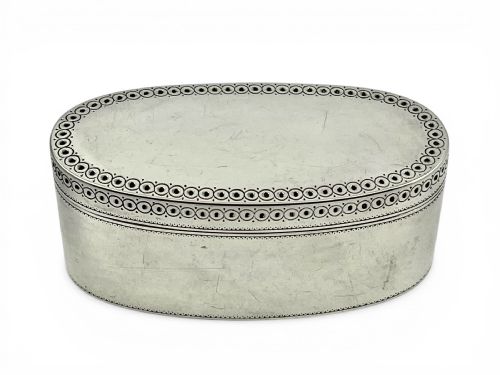
Metalworkers hammered and cast copper, brass, bronze and sterling silver, applying silver gilt finishes or bright cut engraving to pill and snuff boxes. Enamelling on copper formed the basis for colourful patch boxes and bonbonnieres produced in South Staffordshire and Bilston.
Specialised organic materials such as coquilla nut, tortoiseshell and pony skin required careful carving and mounting. Hinges, bezels and locking mechanisms in brass or silver secured the lids of these small receptacles.
18th Century Trinket Box Retail Price Guide 2026
Typical asking prices for 18th century trinket box among the pieces listed under this phrase on Sellingantiques today, from the lower quarter to the upper quarter. They describe what is for sale here now, not the wider market.
Qualities of Distinction
The standard of an 18th century trinket box rests upon the crispness of its execution, whether through the fine hand-painted detail on an enamel patch box or the sharp relief of bright cut engraving on silver. Pieces bearing named silversmith marks or specific regional attributions command greater interest.
The preservation of original surfaces, such as the natural patination on elm or walnut and the intact state of delicate enamel panels without heavy restoration, elevates a piece. Superior examples integrate functional hardware like tight-fitting silver-gilt hinges and original locks that operate smoothly.
Cornelius Bland·Samuel Pemberton·Adriaen Pynacker
The 18th Century Trinket Box Glossary
- Patch box
- A small container originally used to hold cosmetic beauty patches worn on the face. These enamel or metal boxes often feature mirrored lids.
- Snuff box
- A small pocket-sized receptacle designed to hold dry tobacco snuff. They are frequently fashioned from silver, enamel or tortoiseshell with hinged lids.
- Tea caddy
- A box or container made to store loose tea leaves, which were once an expensive luxury. They often include internal locked compartments.
- Navette shaped
- A hull or boat-shaped form with pointed ends, popular for Georgian silver and brass table snuff boxes.
- Bright cut engraving
- A technique of faceted engraving created with a flat graving tool that reflects light from multiple angles. It appears frequently on late Georgian silver pill boxes.
- Piqué
- A method of decorating tortoiseshell or ivory by inlaying tiny gold or silver pins and strips in geometric or floral motifs.
18th Century Trinket Box: Frequently Asked Questions
What were 18th century trinket boxes used for?
These small containers held personal valuables, including rings, pins, cosmetic patches and ground tobacco for snuff. Their portable nature allowed owners to carry them in pockets or keep them close at hand on dressing tables.
Larger variations like tea caddies and jewelery cabinets sat securely in reception rooms to safeguard expensive dry goods and precious ornaments under lock and key.
How do I care for wooden boxes?
Wooden surfaces require stable indoor humidity levels away from direct heat sources and strong sunlight to prevent timber shrinkage and veneer lifting. Occasional light dusting with a dry cloth maintains the finish.
Avoid applying modern chemical polishes or excessive moisture, which can damage historic wax patination and delicate mother-of-pearl or bone inlays.
How can I tell Bilston enamel from other types?
Bilston enamel boxes typically consist of painted enamel fused to a copper base, often featuring copper gilt mounts and hinged lids. The underside and interiors frequently display characteristic white or pastel enamel coatings.
Many examples depict pastoral scenes, musicians in parklands or sentimental mottoes associated with the Staffordshire manufacturing region during the late eighteenth century.
Are silver boxes marked with hallmarks?
British silver boxes from the period generally carry stamped hallmarks indicating the maker's mark, assay office, standard and date letter. These punches help pinpoint the exact year and city of manufacture, such as London or Edinburgh.
Smaller novelty items and pill boxes sometimes bear only a maker's mark due to their restricted surface area.