




Antique Staffordshire Enamel
These antique staffordshire enamel pieces are small, finely painted boxes and plaques that pocket history in hand.
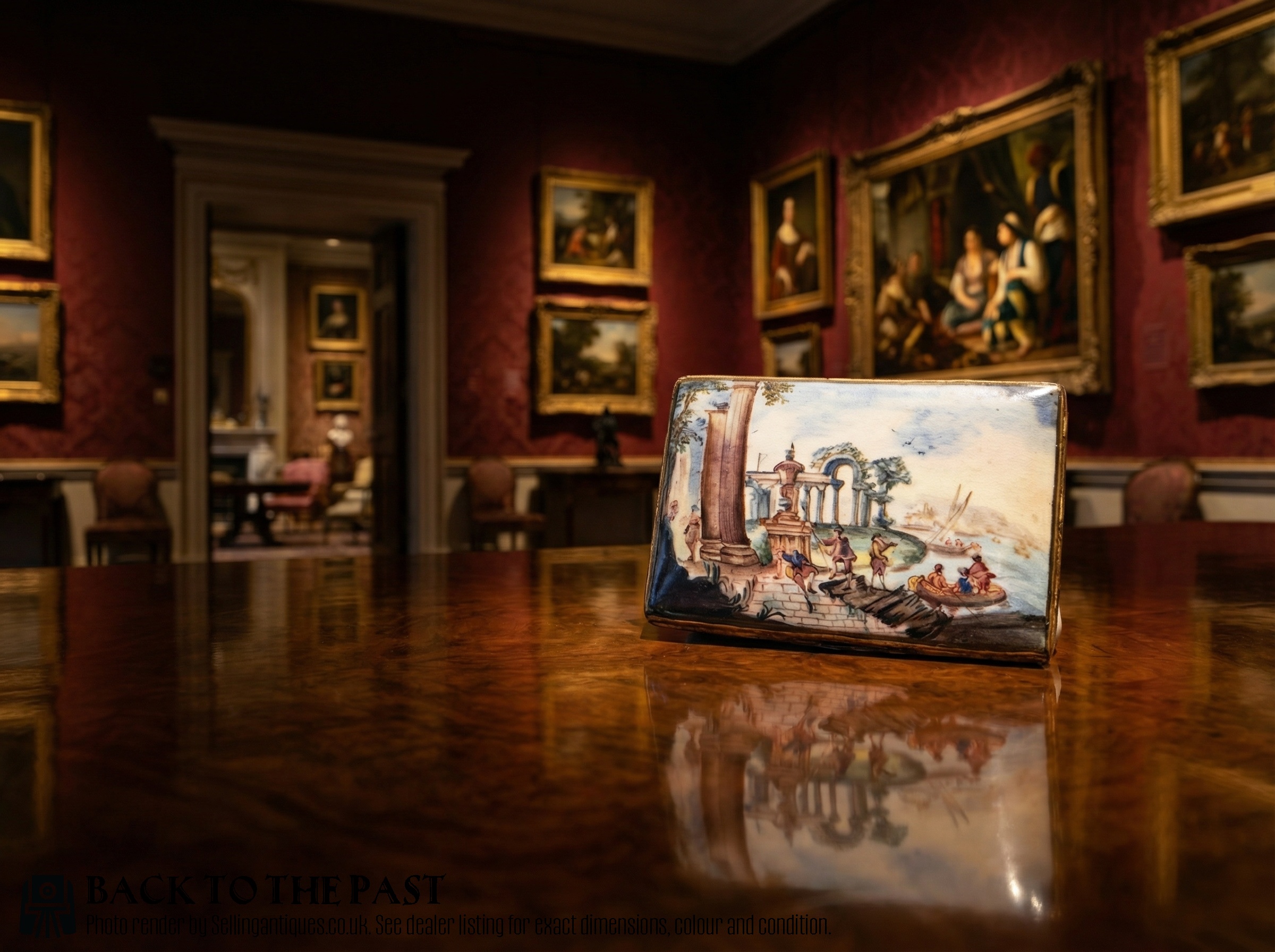
Antique Staffordshire Enamel
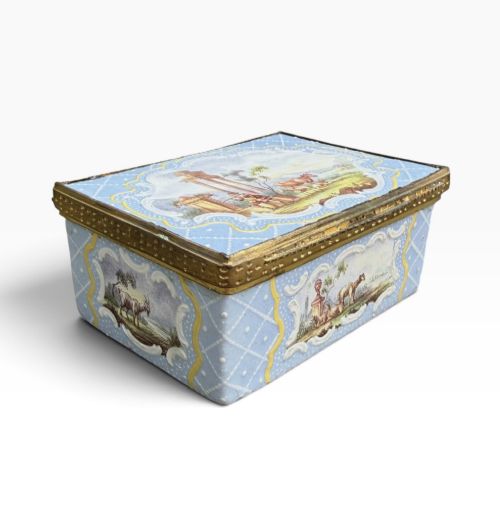
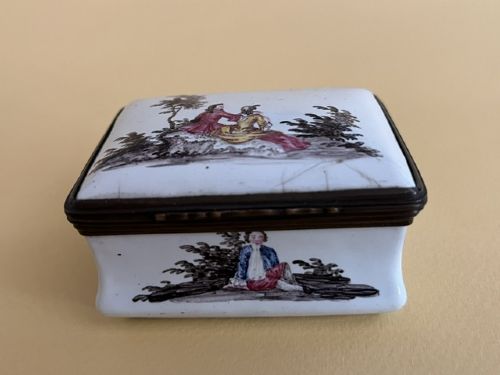
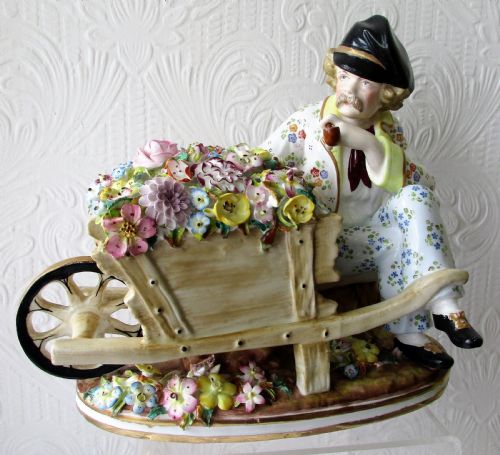
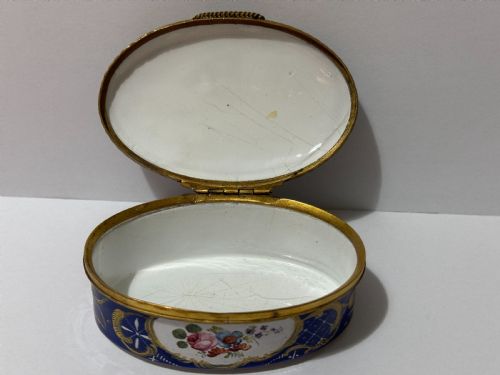
When you search for antique staffordshire enamel, you encounter miniature metal containers and small wall plaques created primarily during the eighteenth century. The items on this page span the Georgian period, featuring trinket boxes, patch boxes, snuff boxes, and scent bottles alongside occasional ceramic figures.
The most common forms are small boxes intended for snuff, patches, or trinkets, often bearing hand-painted scenes or inscriptions. These pieces originate from production centres such as Bilston and South Staffordshire, showcasing the domestic craftsmanship of the era.
How they were made
These items rely on a metal core of copper, brass, or gilt metal fused with a smooth vitreous enamel coating. Artisans then applied overglaze enamel colours by hand to create intricate miniature scenes, portraits, and decorative borders across the surface.
Many boxes incorporate hinged metal mounts, occasionally fabricated from gilded metal or brass, to secure the lid to the base. The firing process required precise temperature control to bond the powdered glass to the copper substrate without cracking the delicate painted details.
Object forms span trinket boxes, snuff boxes, scent bottles, wall plaques, and decorative ceramic figurines.
What varies in quality
Quality rests principally in the clarity and execution of the hand-painted decoration across the enamel surface. Crisp detailing on miniature landscapes or portraits separates superior boxes from standard production pieces.
The precision of the metal mounts and the smoothness of the enamel glaze further distinguish finer examples. Well-preserved surfaces with minimal crazing or hairline fractures demonstrate superior initial manufacture and careful subsequent handling.
John Bevington
The Antique Staffordshire Enamel Glossary
- Patch box
- A small container designed to hold cosmetic beauty patches used in the Georgian period. These often feature mirrored lids and sentimental inscriptions.
- Snuff box
- A small pocket container used to hold ground tobacco. These items frequently display hand-painted pastoral scenes or figurative subjects on the lid.
- Bonbonniere
- A small decorative container intended to hold sweets or sugar plums. They often take whimsical or novelty shapes.
- Bilston
- A town in Staffordshire renowned for its eighteenth-century enamel production. It served as a major manufacturing centre for small luxury boxes.
- Overglaze enamel
- A technique where coloured decoration is applied over the fired enamel surface and refired at a lower temperature. This method allows for a wide palette of vibrant hues.
Antique Staffordshire Enamel: Frequently Asked Questions
What are antique staffordshire enamel boxes?
These are small, eighteenth-century containers made from copper coated in fused glass enamel. They were used to hold snuff, cosmetic patches, or small trinkets.
Craftsmen in Staffordshire and Bilston hand-painted miniature scenes, portraits, or inscriptions onto the surface of each box.
How were patch boxes used?
Georgian women and men used patch boxes to store small pieces of black silk or velvet, known as patches, applied to the face. The tiny containers usually featured a small interior mirror.
Carried in a pocket or reticule, the box kept the cosmetic patches clean and ready for social occasions.
How do I date these items?
Dating relies on stylistic clues, shape, and the nature of the metal mounts. Eighteenth-century pieces often display Rococo influences and delicate hand-painted pastoral motifs.
Later nineteenth-century examples shift towards different manufacturing techniques and styles, such as Victorian porcelain figures and copper lustre wares.
How should I display enamel boxes?
Display these delicate items away from direct sunlight to preserve the vibrant overglaze enamel colours. A secure cabinet protects the fragile copper and glass surfaces from accidental knocks.
Because they are pocket-sized, placing them on small stands inside a glass-fronted case allows you to examine the painted lids closely.