

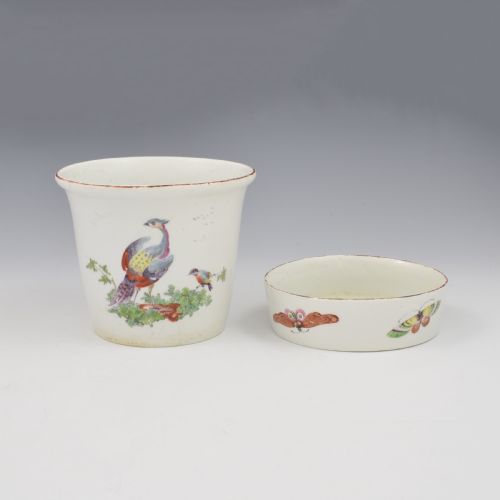
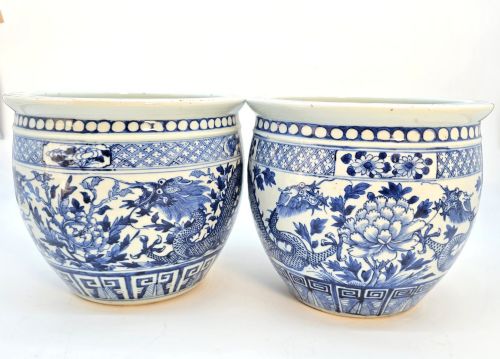


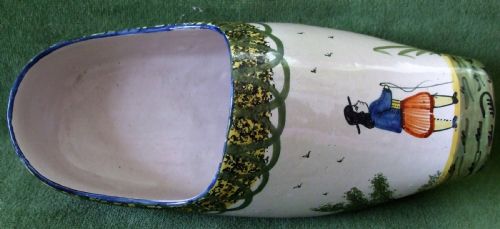


Painted Ceramic Planter
These painted ceramic planter pieces range from Georgian porcelain to 20th century earthenware vessels designed to hold growing plants indoors.
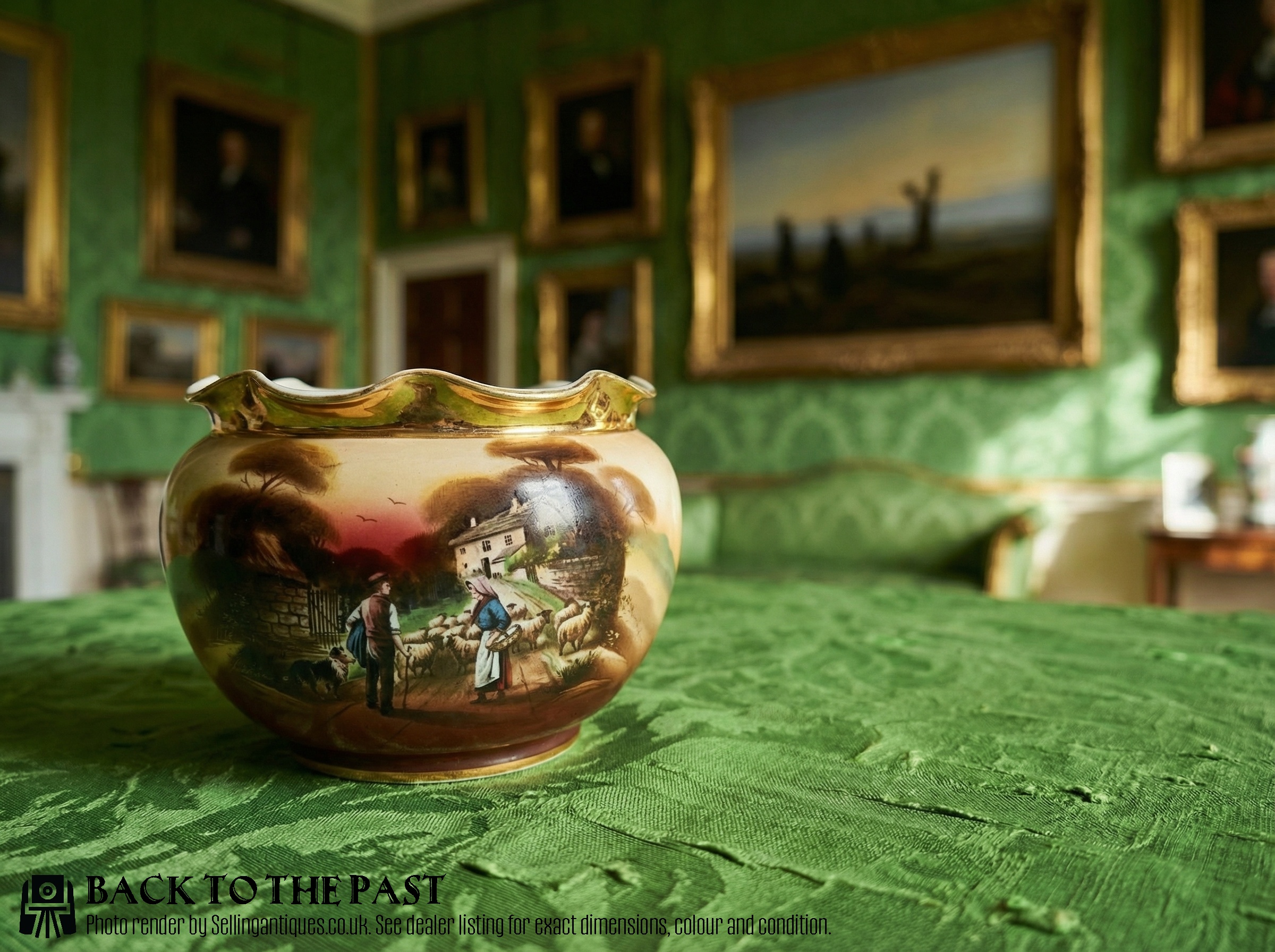
Painted Ceramic Planter
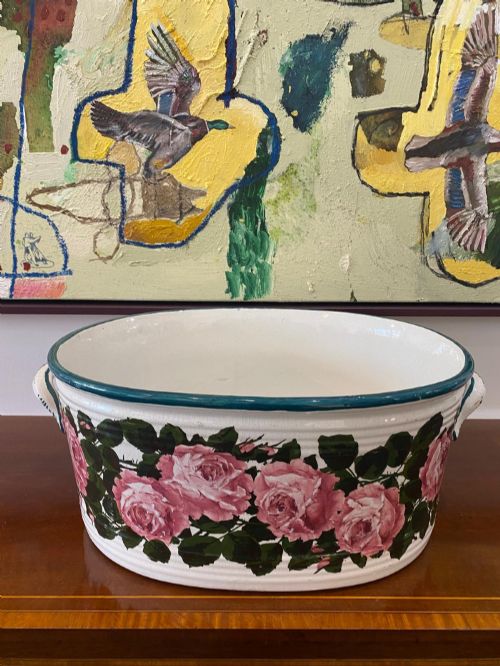
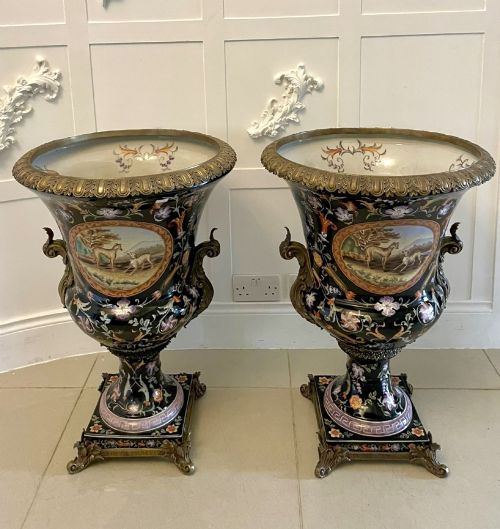
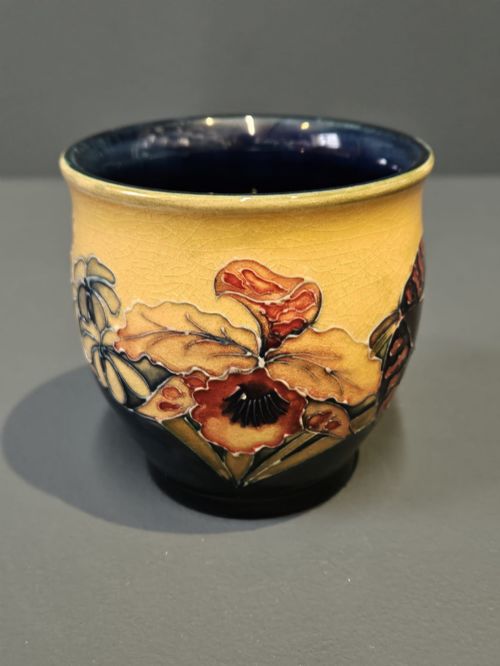
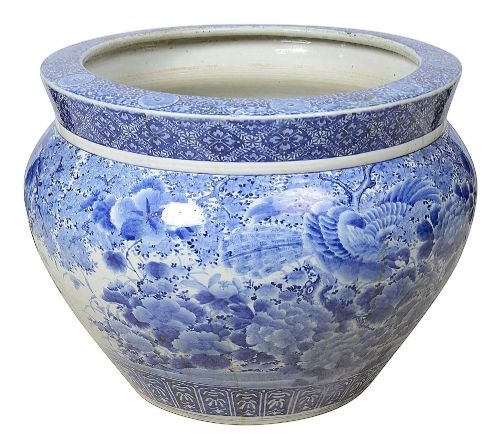
A painted ceramic planter takes many historical forms, appearing here as jardinières, cachepots, garden urns, and footbaths originating from European and Asian workshops. The selection spans 18th century Delft, Georgian Worcester, and Victorian items alongside Chinese export porcelain and Japanese Imari vessels.
Buyers seeking a painted ceramic planter will encounter robust earthenware, delicate porcelain, and heavy terracotta bodies shaped into traditional bowls, footbaths, and hexagonal planters. Many pieces incorporate brass mounts, pedestals, or matching drip trays designed to protect interior surfaces.
Differentiating quality in historic vessels
Quality reveals itself in the crispness of the hand-painted brushwork, the depth of the glaze, and the precision of the ceramic moulding. Superior examples display finely controlled enamel colours and well-balanced forms without distortion from the kiln firing process.
The sophistication of the decorative scheme separates standard utility vessels from high-status salon pieces. Pieces bearing factory marks, detailed hand-painted scenes, and original stands or drip trays command greater attention from collectors.
Listings feature porcelain, earthenware, terracotta, and enamel materials across 18th, 19th, and 20th century periods.
Wemyss·Derby Porcelain·Barr Flight And Barr·Quimper·Burmantofts·Clarice Cliff·Vion And Baury·Royal Worcester·Coalport·Dresden Porcelain
The Painted Ceramic Planter Glossary
- Jardinière
- A large ornamental pot or stand designed to hold growing plants or flowers. These vessels often sit on matching pedestals or floor stands in principal rooms.
- Cachepot
- An ornamental flower pot case intended to conceal a plain inner plant pot. The term derives from the French words meaning to hide the pot.
- Famille Rose
- A major palette of Chinese ceramic glazes introduced in the 18th century, characterised by opaque pink or purple enamel colours. Artisans used this palette to render delicate floral and figurative scenes.
- Imari
- A style of Japanese export porcelain decorated in underglaze blue, iron red, and gold. This ware was manufactured in Arita and shipped to Europe from the port of Imari.
- Faience
- Tin-glazed earthenware produced in France and other European countries. The technique involves applying an opaque white glaze that serves as a ground for painted decoration.
Painted Ceramic Planter: Frequently Asked Questions
What is the difference between a jardiniere and a cachepot?
A jardiniere typically holds soil and plants directly or serves as a substantial decorative centrepiece in a room.
A cachepot is specifically designed as an outer container to hide a utilitarian flower pot inside, usually featuring a solid base without drainage holes.
How do I care for antique ceramic planters?
Protect antique glazes and hand-painted surfaces by using a plastic liner inside the vessel rather than planting directly into the historic ceramic body.
Clean the exterior only with a soft, dry cloth and avoid harsh chemical cleaners that can damage delicate enamel and gold leaf decorations.
Can these antique planters be used outdoors?
Most antique porcelain and fine earthenware vessels were manufactured for indoor display and lack frost resistance.
Terracotta and heavy garden urns tolerate outdoor conditions better, but historic pieces benefit from being brought indoors during freezing winter weather.