
Painted Bedroom Dresser
A painted bedroom dresser offers practical storage with historic character, bringing layered colour and texture into a sleeping space.
Painted Bedroom Dresser
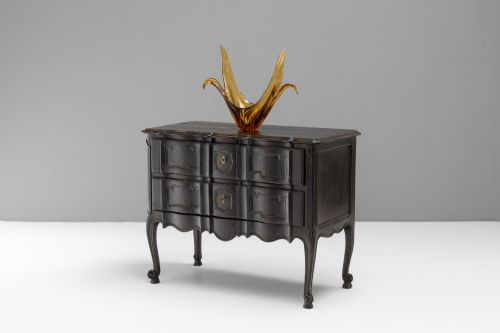
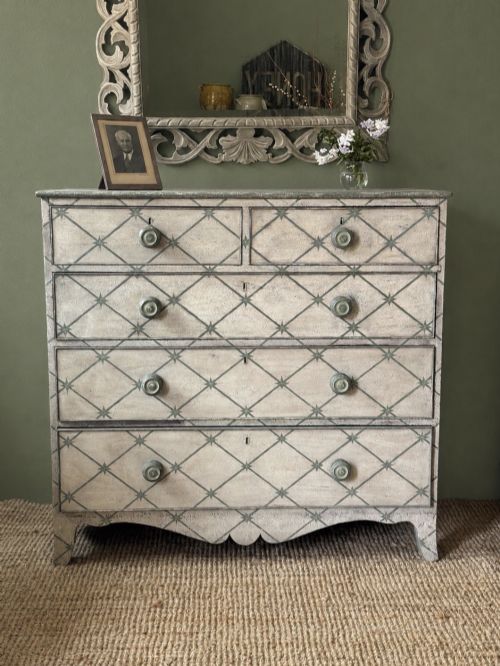
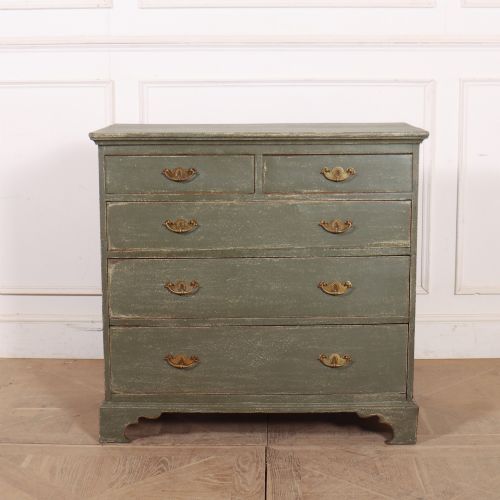
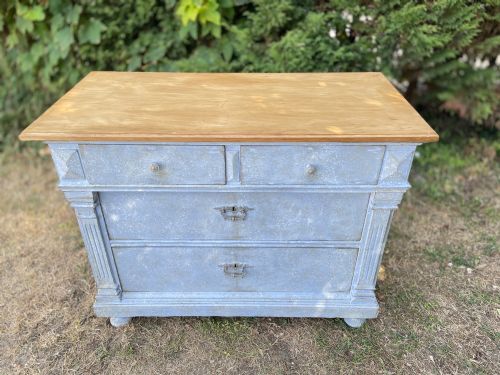
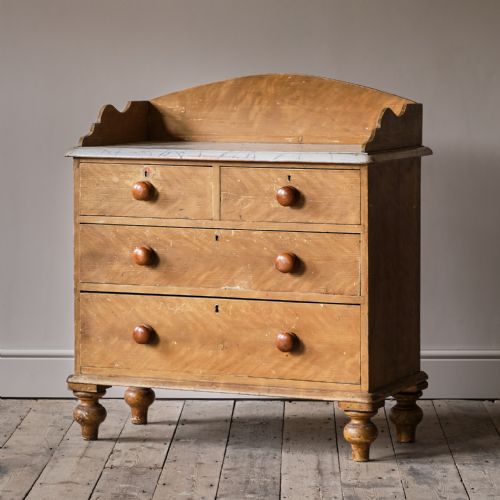
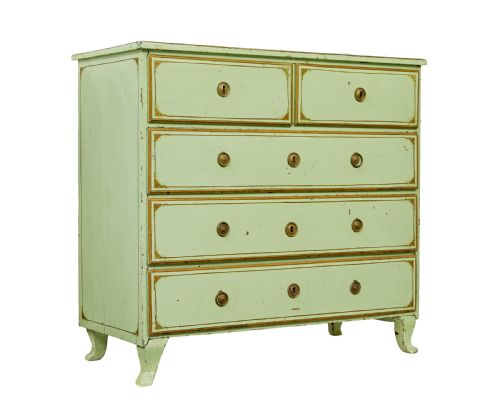
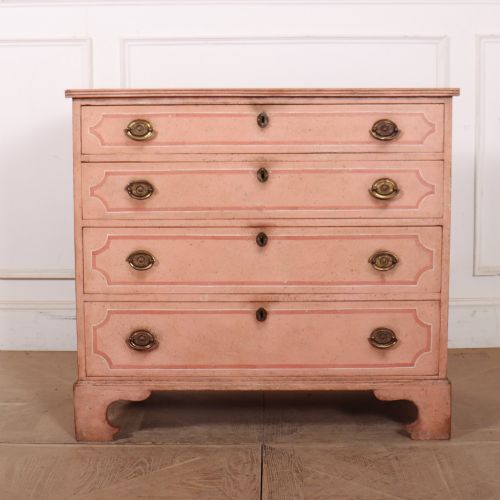
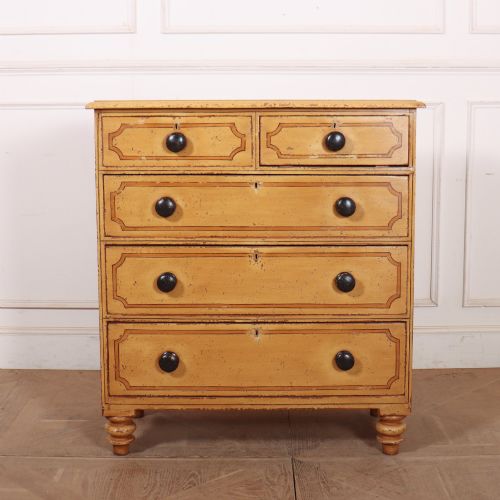
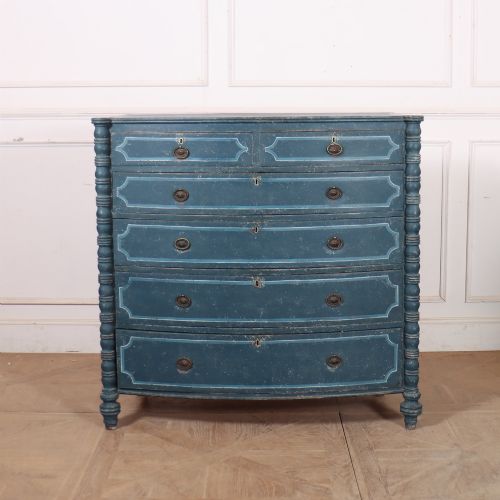
When searching for a painted bedroom dresser, you are looking at nineteenth-century chests of drawers and commodes finished in decorative or original pigments. These practical storage pieces range from robust English country pine to refined continental commodes in Gustavian and French styles.
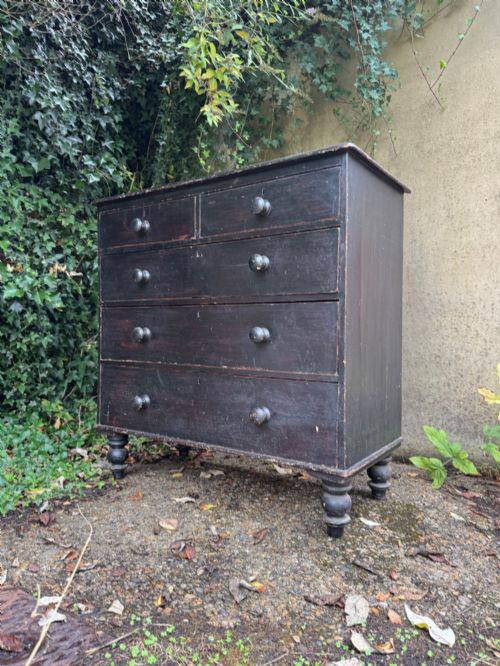
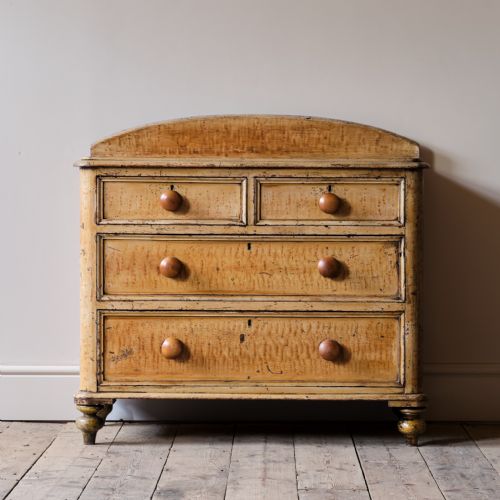
The version you are most likely to meet on this page is a nineteenth-century pine chest of drawers retaining its original paint surface. These pieces span Georgian proportions, Victorian utilitarian forms, and lighter Scandinavian models with simple or carved detailing.
Materials and construction methods
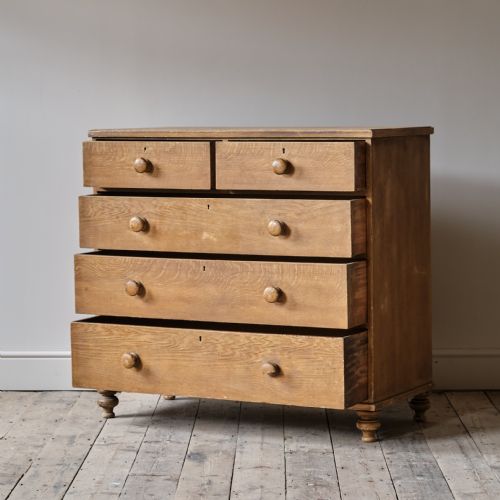
Carpenters built the carcases primarily from solid pine and oak, often assembling larger chests in two stacked parts for easier transport up staircases. Drawers featured hand-cut dovetail joints and iron or brass pulls, whilst decorative surfaces received layers of oil- or water-based paint.
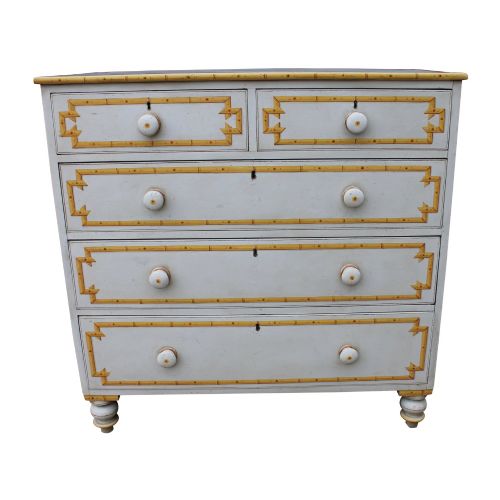
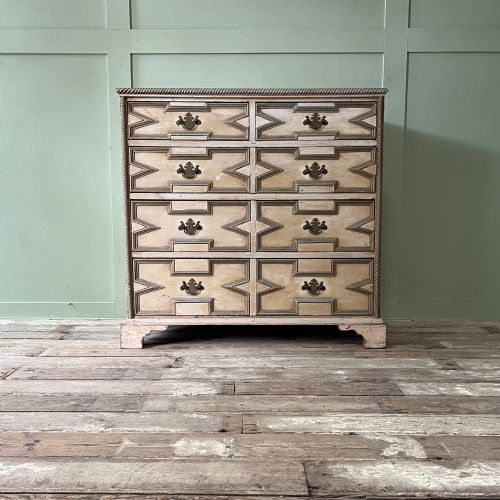
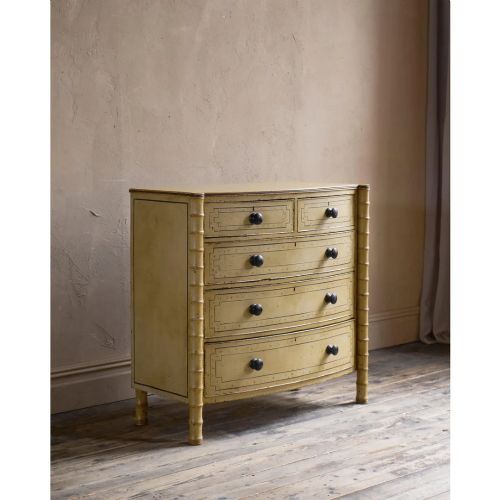
Finishes vary from plain utilitarian coats to faux bamboo turnings, intricate satinwood veneers, and neoclassical carved details. Many surviving examples retain their initial decorative schemes applied decades or centuries ago.
Materials documented across the inventory include solid pine, oak, satinwood, iron, brass, and historic painted wood finishes.
Distinctions in quality and finish
The hierarchy of quality rests on the integrity of the original paint surface and the crispness of the cabinetwork. Pieces retaining uncompromised historic pigment with natural patination stand apart from later repainted surfaces.
Construction standards also dictate value, separating standard regional workshop output from pieces bearing sophisticated details like faux bamboo mouldings, satinwood crossbanding, or work by documented makers.
Sir Clough Williams-Ellis·Edwards and Roberts
The Painted Bedroom Dresser Glossary
- Commode
- A low chest of drawers or cabinet, typically French or continental in origin. These often feature elegant proportions suited to formal bedrooms.
- Gustavian
- The Swedish interpretation of French neoclassical style, characterised by pale painted finishes and restrained symmetry. This aesthetic emerged in the late eighteenth century.
- Faux bamboo
- Wood turned and carved to resemble natural bamboo stalks. Makers utilised this exotic decorative technique during the nineteenth century.
- Bowfront
- A cabinet front that curves outwards in a convex sweep. This design softens the profile of standard rectilinear chests of drawers.
- Original paint
- Pigment applied during the period of manufacture that has survived without later overpainting. This surface layer carries genuine historic wear and patination.
Painted Bedroom Dresser: Frequently Asked Questions
How do I date an antique painted chest?
Dating relies on construction methods, timber choice, and the style of the hardware or turned feet. Earlier pieces from the Georgian era display hand-cut dovetails and solid backs, while Victorian carcases often use machine-sawn timber.
Examining the paint layers under magnification helps determine whether the pigment dates to the original period of manufacture or represents a later decorative campaign.
What is the difference between a commode and a chest of drawers?
In British furniture terminology, a chest of drawers usually denotes a tall utility piece with stacked drawers for bedroom storage. A commode more frequently references a lower, wider continental form with decorative restraint and neoclassical proportions.
Both terms appear across nineteenth-century listings to describe similar drawer configurations used for clothing and linen storage.
Are these pieces suitable for modern bedrooms?
These chests offer deep, practical drawer capacity combined with decorative presence that softens contemporary interiors. Their painted surfaces introduce tactile warmth and historic colour without dominating a room.
Standard interior depths easily accommodate modern folded clothing, bedding, and daily bedroom essentials.
How should I clean original painted furniture?
Maintenance requires gentle dusting with a dry, soft microfibre cloth to remove surface particles without disturbing fragile historic pigment. Avoid abrasive chemical cleaners, harsh detergents, and excessive moisture.
If waxing is necessary, consult a conservator to select a formulation compatible with aged oil or water-based paint layers.