


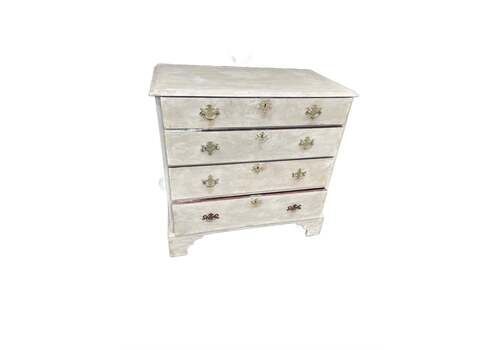


Victorian Grey Dresser
These victorian grey dresser pieces combine utilitarian pine and hardwood timber with muted painted finishes to anchor a traditional room.
Victorian Grey Dresser
A victorian grey dresser search brings up robust storage furniture built during the nineteenth century, including painted pine chests of drawers and occasional sideboards or dressers. These items span periods from the eighteenth century through the Victorian era, reflecting both English country traditions and continental styles.
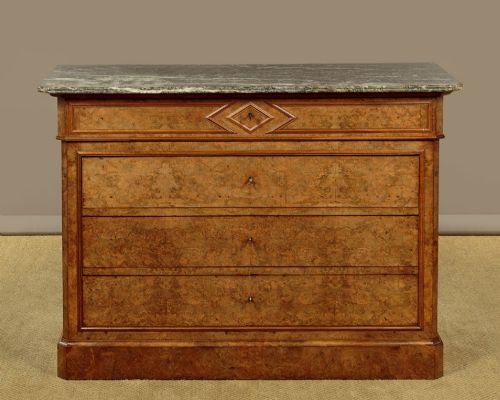
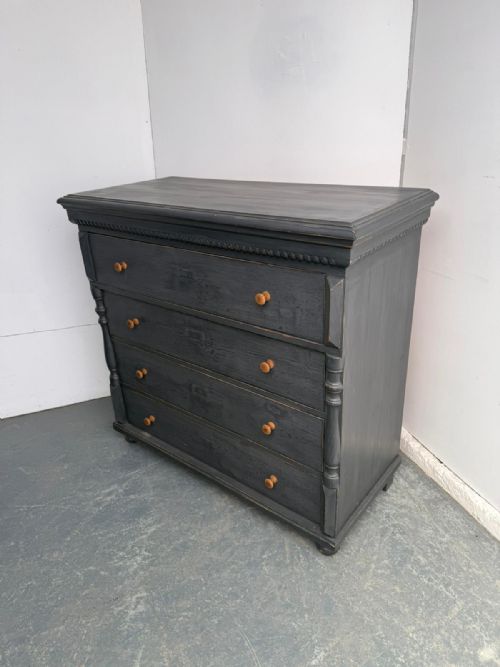
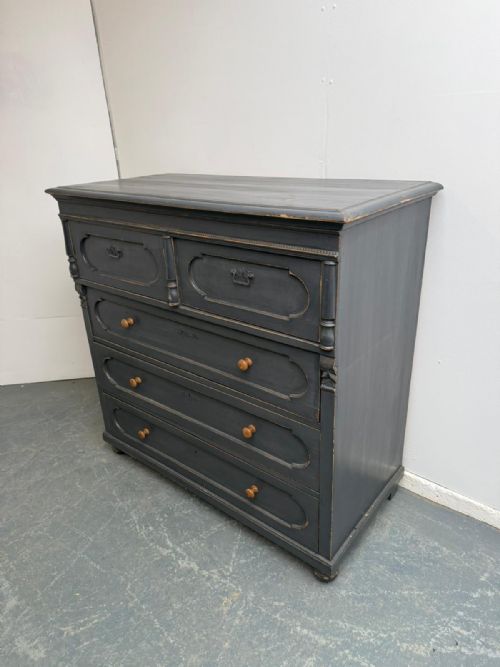
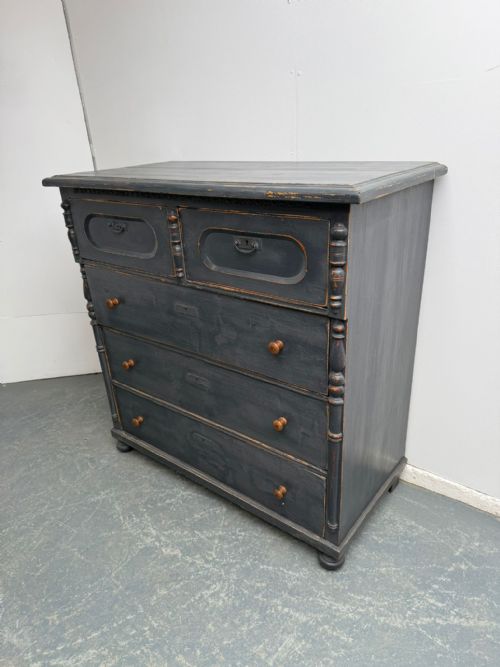
The versions most commonly met on this page are multi-drawer pine chests finished in light or mid grey paint, alongside French Louis Philippe and Biedermeier commodes. Makers also produced faux bamboo and Chinoiserie decorated pieces, giving buyers a range of painted and polished wooden surfaces.
How they were made
Carpenters constructed these items primarily using solid pine, ash, and flame mahogany, incorporating brass or metal hardware for drawer pulls and handles. Surfaces were treated with traditional paint finishes or left as polished timber, occasionally complemented by marble tops on continental commodes.
Construction relies on sturdy timber joinery designed for daily domestic use, with hand-applied paint finishes appearing either as original decoration or later redecoration. Iron and brass fittings secure the drawers and doors, providing both structural function and visual contrast to the grey painted wood.
Victorian Grey Dresser Retail Price Guide 2026
Typical asking prices for victorian grey dresser among the pieces listed under this phrase on Sellingantiques today, from the lower quarter to the upper quarter. They describe what is for sale here now, not the wider market.
Listings feature items from the eighteenth century to the late nineteenth century, using pine, ash, flame mahogany, and marble.
What varies in quality
Quality across these items depends on the integrity of the timber framing and the execution of the decorative painted surfaces, distinguishing utilitarian workshop output from refined cabinet work. Maker attribution, such as pieces associated with Edwards and Roberts, elevates the standing of an item.
The finesse of the hardware, the retention of original paint layers, and the balance of proportions separate standard domestic storage from more distinguished examples. Choice of materials, from basic pine to figured flame mahogany and marble, also defines the upper tier of the range.
Edwards and Roberts
The Victorian Grey Dresser Glossary
- Chest of Drawers
- A case furniture form designed for storage, featuring multiple horizontal drawers stacked vertically. These units form the core of the painted grey bedroom furniture listed.
- Pine
- A softwood timber commonly utilised for nineteenth century carcases and drawer construction. It provides a stable base for painted finishes.
- Flame Mahogany
- A veneer showcasing distinctive swirling grain patterns derived from the fork of the mahogany tree. It appears on finer continental commodes.
- Chinoiserie
- A decorative style employing European interpretations of Chinese motifs and imagery. It is found on nineteenth century decorated pieces.
- Commode
- A low cabinet or chest of drawers, often of French origin. Examples on this page feature marble tops and flame mahogany construction.
Victorian Grey Dresser: Frequently Asked Questions
What is a victorian grey dresser?
A victorian grey dresser typically refers to painted nineteenth century storage furniture, predominantly pine chests of drawers finished in shades of grey.
These pieces combine traditional utilitarian forms with muted painted surfaces suited to contemporary and period interiors alike.
How were these dressers used?
Nineteenth century households utilised these chests of drawers and sideboards for storing textiles, clothing, and domestic dry goods.
Their robust timber construction ensured they stood up to heavy daily use in bedrooms and living spaces.
How do I live with painted furniture?
Living with painted pine and hardwood pieces involves placing them away from direct heat sources to protect the timber and paint layers.
Standard dusting with a dry cloth keeps the painted surfaces clean without requiring harsh chemical polishes.
How are different periods identified?
Periods are identified through construction methods, timber selection, and stylistic details such as faux bamboo turnings or Louis Philippe proportions.
Evidence from nineteenth century manufacturing shows distinct shifts from plain pine utility to decorative Chinoiserie and flame mahogany.