



Pad Feet Dressing Table
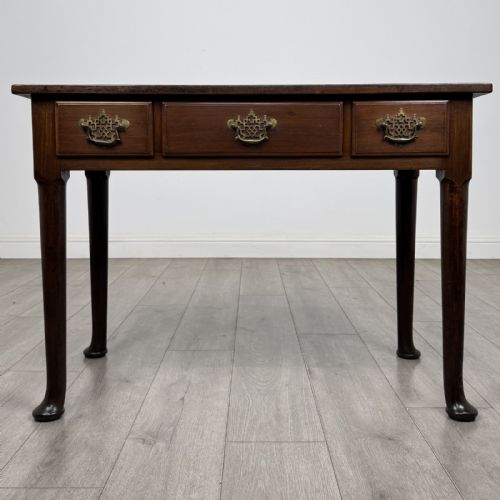
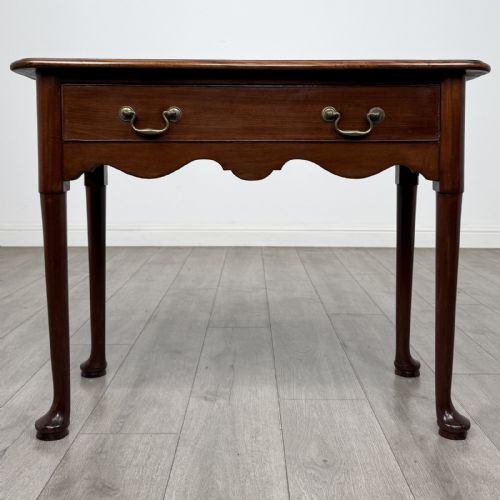
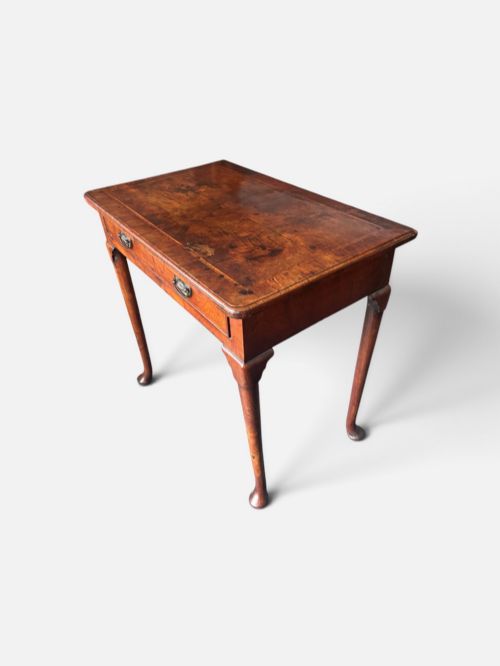
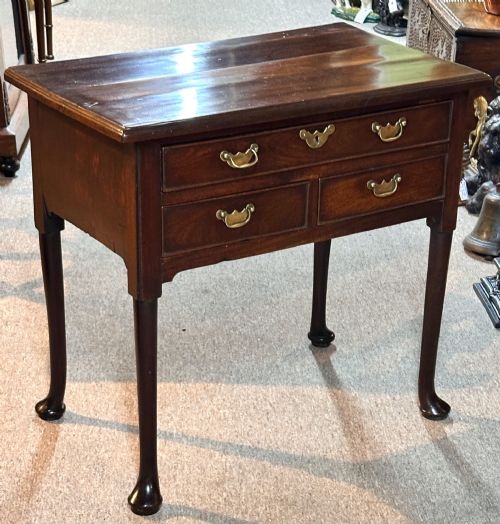
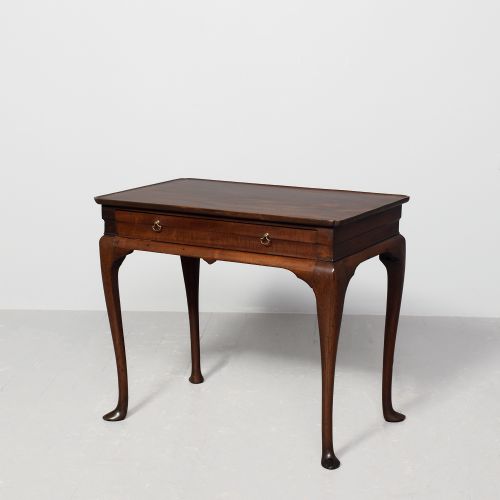
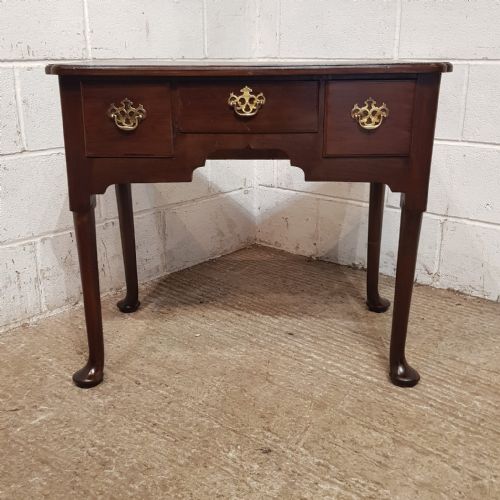
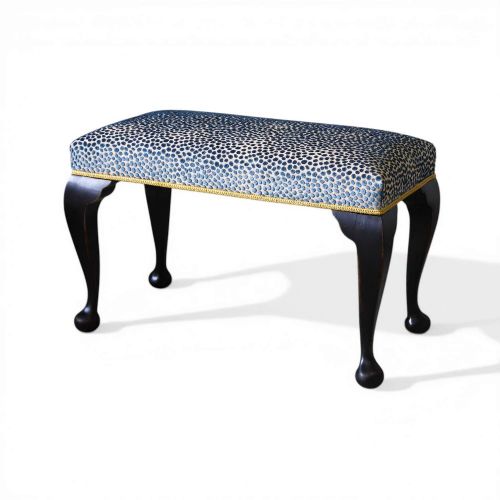
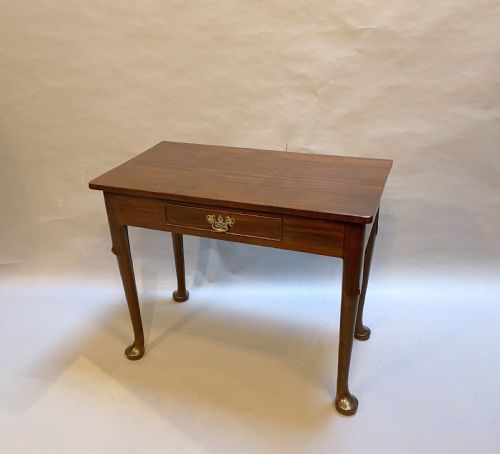
These pad feet dressing table options group lowboys, side tables, and matching stools originating from the eighteenth century through the Edwardian period.
Pad Feet Dressing Table
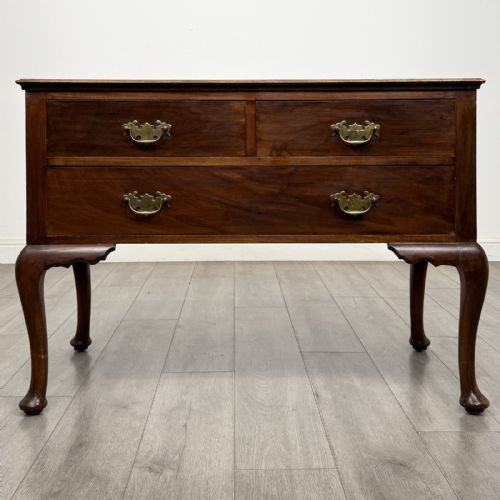
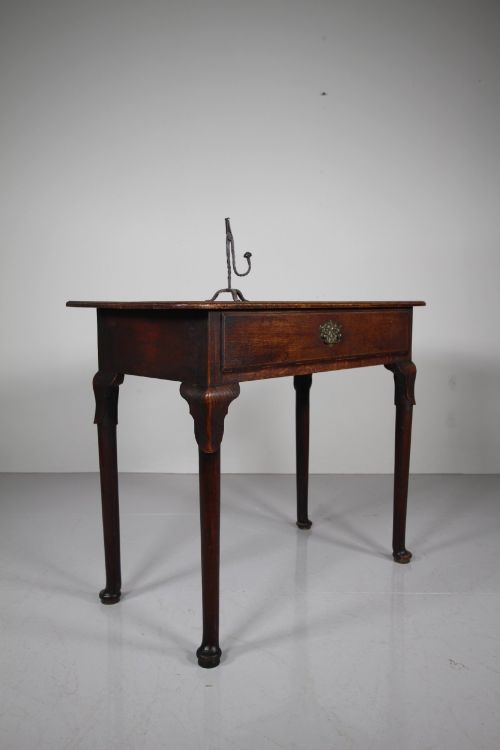
When searching for a pad feet dressing table, buyers actually encounter lowboys, side tables with drawers, and various stools designed for dressing areas. These pieces function as small writing desks, hall tables, or low dressing tables depending on their configuration.
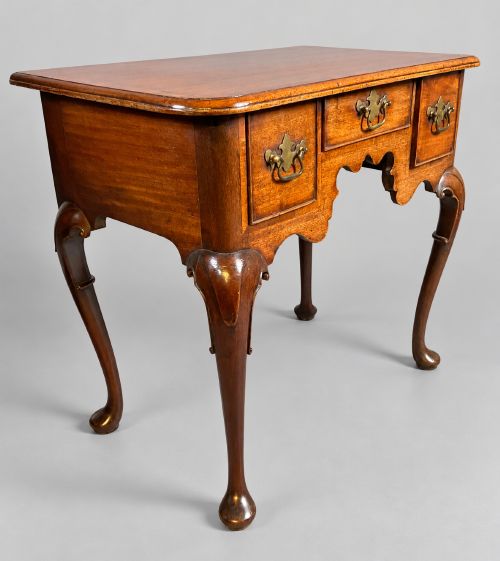
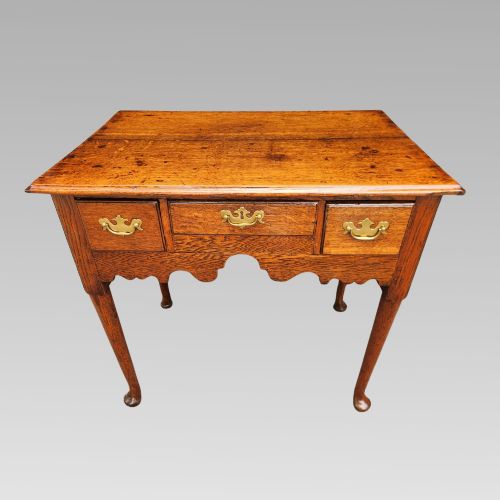
The lowboy dominates the selection, standing on cabriole legs that terminate in pad feet. Examples span from early eighteenth century walnut and oak up to Georgian mahogany and later revival pieces.
Factors influencing quality
The choice of primary timber sets the baseline, with richly grained Cuban mahogany, figured walnut, and early oak commanding attention. Finer items display crisply carved cabriole legs that transition smoothly into well-formed pad feet.
Original hardware, dovetail construction on drawer boxes, and the crispness of inlaid herringbone details separate standard utilitarian pieces from high-status eighteenth century examples.
Pad Feet Dressing Table Retail Price Guide 2026
Typical asking prices for pad feet dressing table among the pieces listed under this phrase on Sellingantiques today, from the lower quarter to the upper quarter. They describe what is for sale here now, not the wider market.
Needlepoint and tapestry upholstery on the stools allow eighteenth century dressing tables to double as remarkably comfortable seats.
The Pad Feet Dressing Table Glossary
- Lowboy
- A small table with one or more drawers, standing on four legs, commonly used as a dressing table or side table during the eighteenth century.
- Pad foot
- A simple foot shape where the leg terminates in a flattened pad resting directly on the floor, frequently seen on cabriole legs.
- Cabriole leg
- A furniture leg that curves out and then in, resembling the leg of an animal.
- Herringbone inlay
- A decorative pattern of small veneers arranged in rows resembling the bones of a fish.
Pad Feet Dressing Table: Frequently Asked Questions
What is a lowboy?
A lowboy is a small leg table featuring drawers beneath the top surface. They served various domestic functions historically, including as dressing tables.
Today they fit easily into entrance halls or bedrooms as compact side tables.
How do I date an oak lowboy?
Dating relies on timber selection, construction methods such as hand-cut dovetails, and leg profiles. Eighteenth century pieces display distinct joinery compared to later revivals.
Examine the secondary woods inside the drawers for further clues regarding age.
Are these tables suitable for modern use?
Their compact proportions make them practical for contemporary hallways and bedrooms. They function well as small writing desks or display surfaces.
Matching them with period stools creates a traditional dressing station arrangement.
What timber was used most often?
Mahogany and oak appear most frequently across the surviving lowboys and side tables. Walnut and cherrywood also feature in eighteenth century examples.
Revival pieces from later periods often employ mahogany or ebonised wood.