
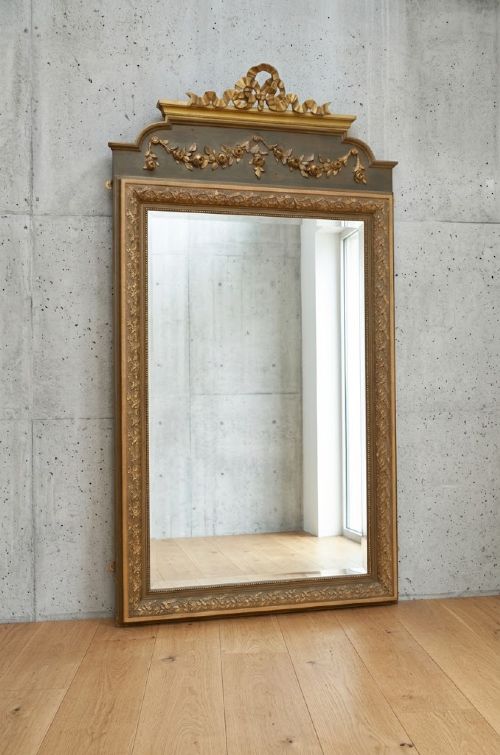
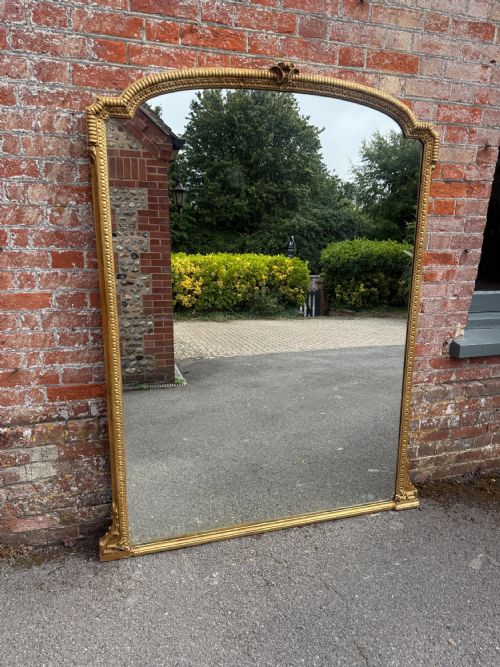
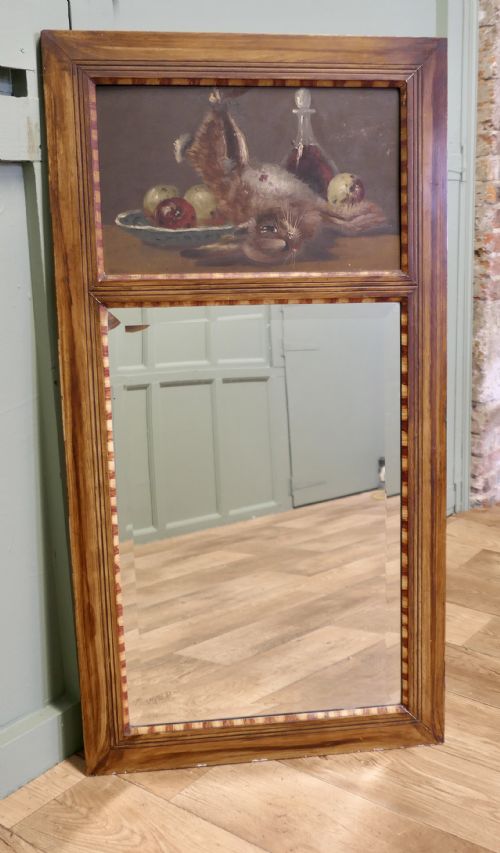
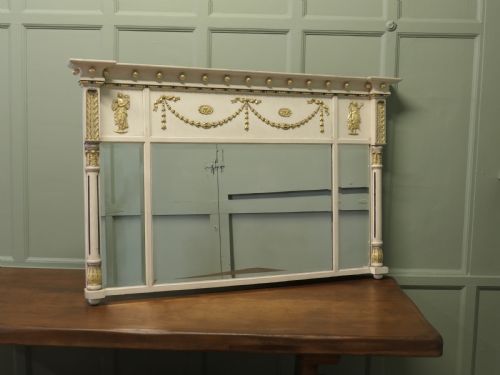
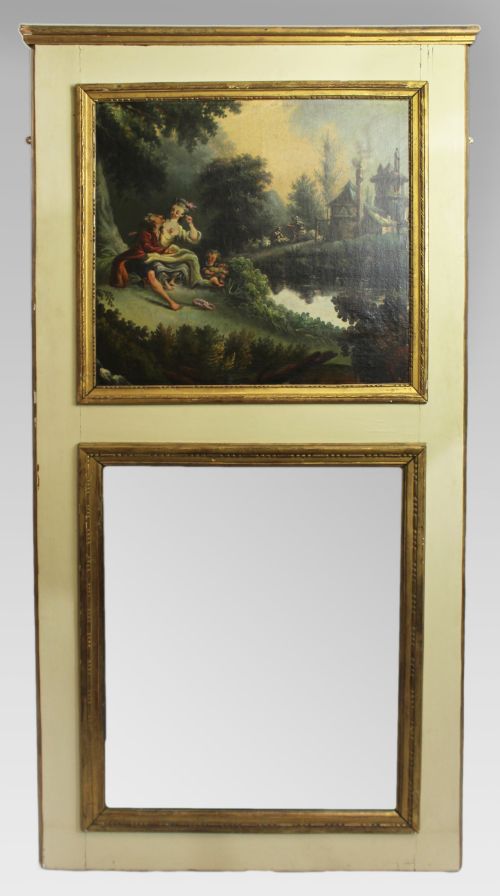
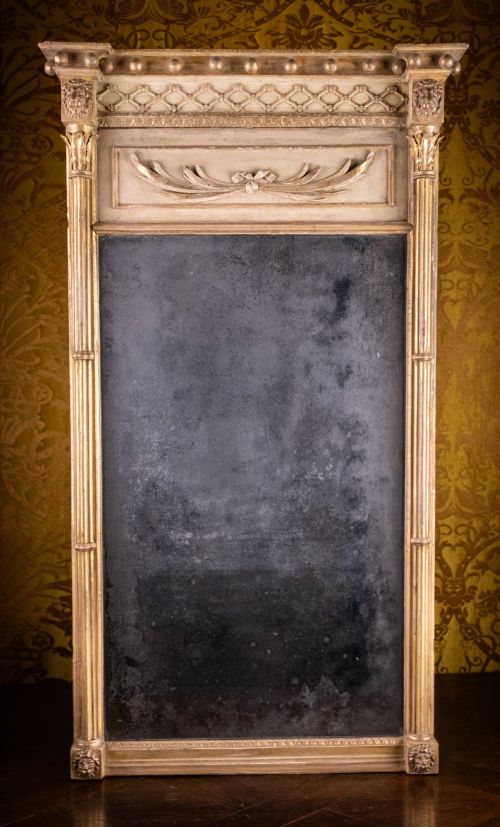
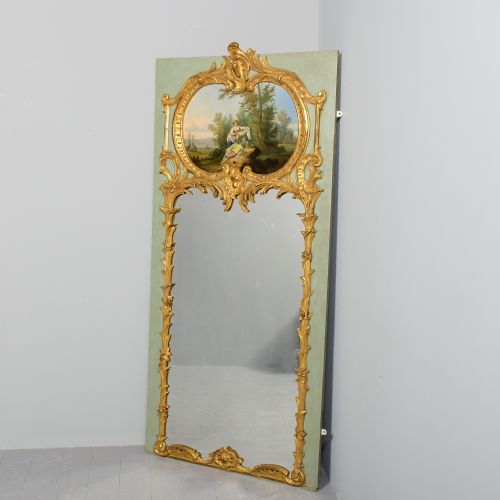
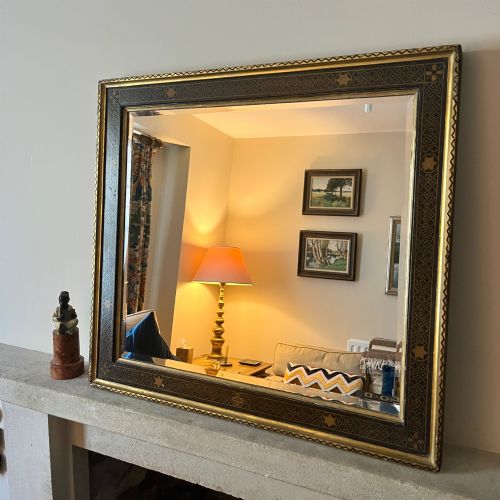
Overmantel Mirror Painting
An overmantel mirror painting brings architectural presence and tonal depth to a room, combining large glass plates with integrated pastoral or maritime scenes.
Overmantel Mirror Painting
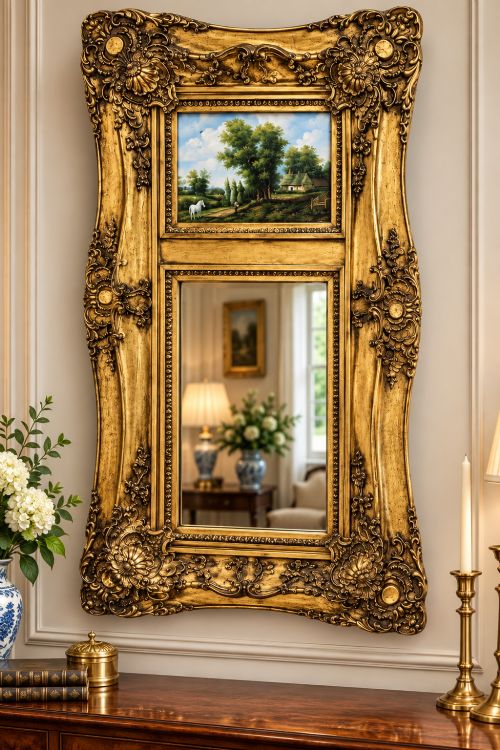
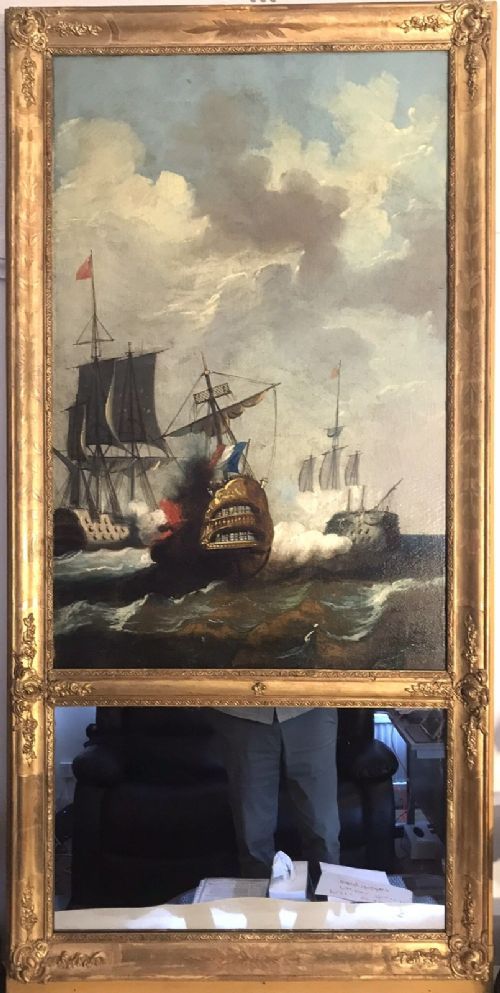
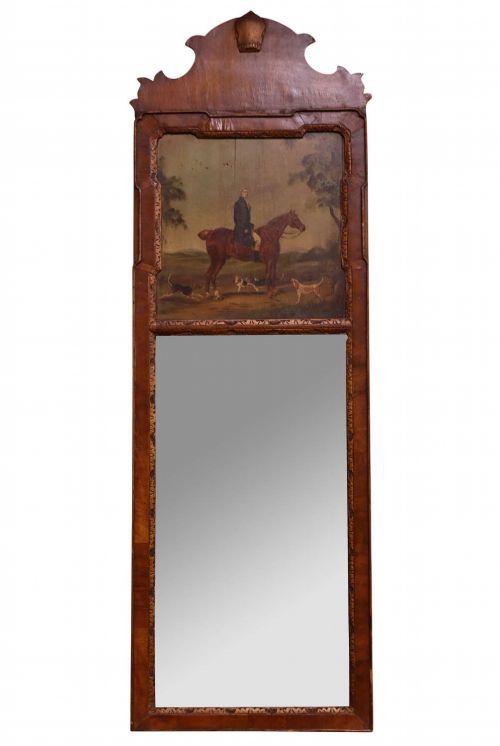
When you search for an overmantel mirror painting, you encounter grand wall-hanging plates designed to sit above a fireplace, often taking the form of French trumeau mirrors or English overmantels. These pieces combine mirror glass with decorative oil paintings set into the upper section of the wooden frame.
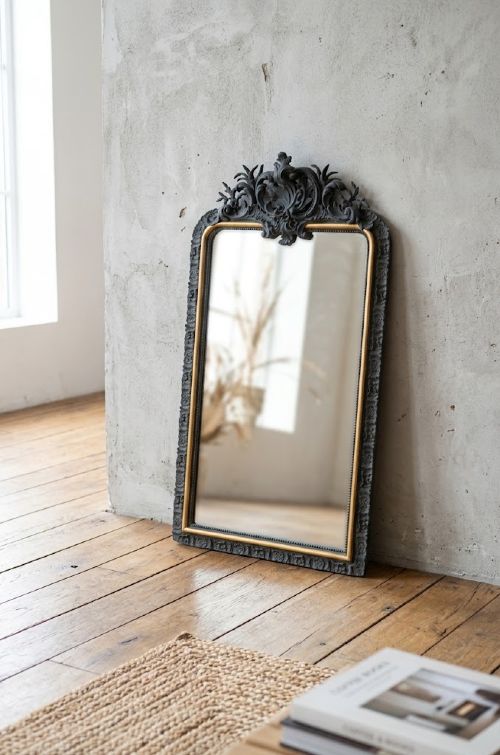
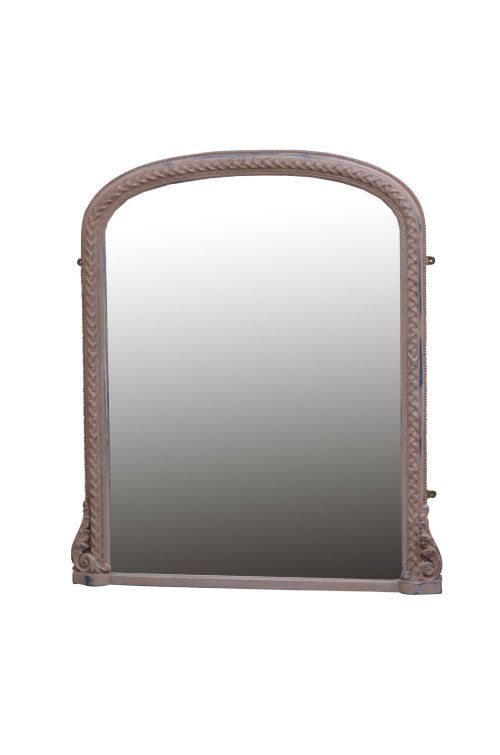
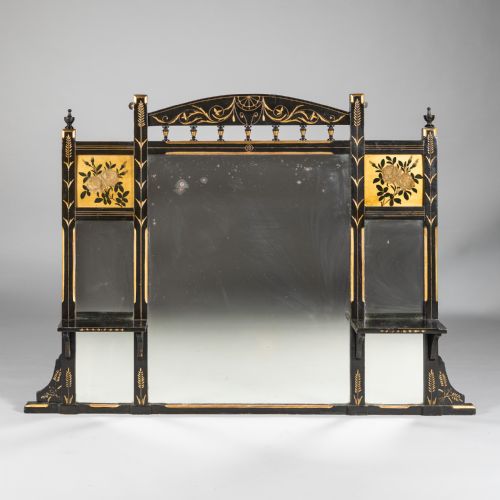
The selection ranges from Regency triple-plate designs and Victorian ebonised frames to tall French provincial examples incorporating pastoral scenes, seascapes with galleons, or equestrian panels. Regional variations stretch across nineteenth-century English workshops and French provincial ateliers, displaying stylistic influences from the Georgian period through to the Belle Époque.
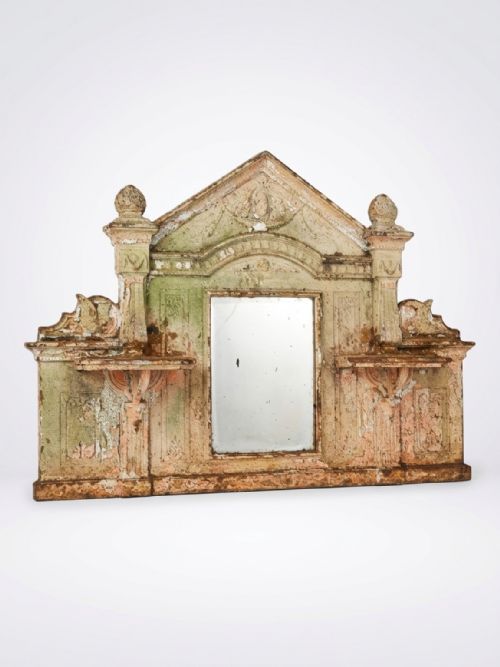
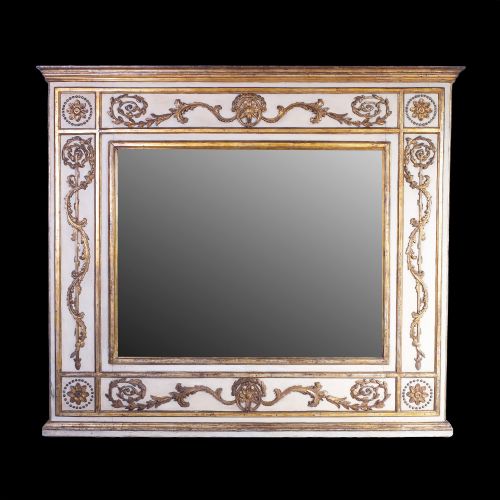
Most examples meet you as large vertical or horizontal formats defined by carved wooden structures, gesso ornament, and painted or gilt surfaces. The integrated artworks range from quiet pastoral landscapes to classical subjects framed directly above the reflective glass plates.
Materials and construction
Makers constructed these frames from solid timber such as pine, walnut, and mahogany, applying layers of gesso to build up high-relief scrollwork, lion masks, and architectural moulding. Gilding techniques involved gold leaf applied over bole or silvering on parcel-gilt surfaces, whilst other frames received flat paint or layered palettes in olive green, lilac, and ink blue.
The reflective components utilise mercury glass or standard mirror glass, sometimes divided into triple plates or accented with verre églomisé panels. Integrated oil paintings on canvas or wood panels were fitted directly into the upper wooden sections of trumeau frames, creating a unified composition of reflection and imagery.
Materials recorded across the inventory include gesso, giltwood, mercury glass, painted wood, and oil paintings on canvas.
Evaluating quality and execution
Quality rests in the crispness of the hand-carved wooden details and the depth of the gesso moulding beneath the paint or gold leaf. Superior examples display finely proportioned frames where the integrated oil painting shares the artistic hand and palette of the period rather than appearing as a later addition.
The preservation of the original mirror glass, whether showing the soft grey speckling of mercury silvering or clear reflection, determines the integrity of the piece. Frame construction methods, from traditional joinery to the retention of original painted or gilt surfaces, separate standard decorative items from finer works.
The Overmantel Mirror Painting Glossary
- Trumeau
- A decorative wall mirror featuring an integrated painted panel or artwork set into the upper portion of the wooden frame. These pieces originated in eighteenth-century France and remained popular through the nineteenth century.
- Verre églomisé
- A cold decoration technique where design motifs are painted and gilded on the reverse side of glass panels. This process produces a reflective metallic sheen often found in Regency mirror panels.
- Gesso
- A plaster mixture applied to wood frames to create a smooth surface for carving and gilding. Artisans build up layers to model intricate relief ornaments and floral motifs.
- Parcel-gilt
- A finishing method where specific raised details or carved elements of a painted wooden frame receive gold leafing. This technique highlights particular areas against a contrasting dark or painted background.
- Pier glass
- A tall mirror specifically designed to hang on the wall space between two windows. These mirrors frequently incorporate console tables or match the height of adjacent architectural elements.
Overmantel Mirror Painting: Frequently Asked Questions
Where should I hang an overmantel mirror painting?
These pieces find their traditional placement mounted securely on the wall directly above a fireplace mantelpiece, where their scale balances the hearth below. Their substantial height also suits placement along a primary dining room wall or above a large sideboard.
The integrated oil painting draws the eye upward, making high ceilings feel proportioned and grounded. Ensure the wall structure supports the combined weight of the timber frame, glass plates, and oil panel.
How do I care for the antique glass and paint?
Dust the carved wooden frame gently using a soft, dry brush to prevent dirt accumulation within the gesso relief work. Clean the mirror glass sparingly with a microfiber cloth and a mild, ammonia-free solution applied to the cloth rather than directly to the glass.
Protect the integrated oil painting by keeping the mirror away from direct sunlight and fluctuating heat sources like active fireplaces. Avoid using abrasive commercial cleaning sprays near the gilt surfaces or painted panels.
Are the oil paintings original to the mirrors?
Many trumeau mirrors retain their original nineteenth-century oil paintings depicting pastoral scenes, seascapes, or equestrian subjects. Close inspection of the panel seating and the ageing of the canvas or wood helps indicate whether the artwork belongs to the original construction.
Subtle craquelure across the paint surface often matches the expected age of the nineteenth-century frame. Dealers note specific subject matter, such as galleons at sea, when the original pairing remains intact.
What styles are available in these mirrors?
The selection encompasses nineteenth-century French provincial designs, Regency giltwood pieces, and Victorian aesthetic period frames. You will also encounter decorative influences from the Louis XVI style, French Empire, and Georgian periods.
Details range from ebonised and parcel-gilt finishes to carved wood with layered colour palettes. Each style reflects the interior decoration trends of its specific nineteenth or early twentieth-century decade.