



Antique Oil Painting Mirror
An antique oil painting mirror combines fine art and reflective glass within a decorative frame, offering a dual decorative focal point for a room.
Antique Oil Painting Mirror
When searching for an antique oil painting mirror, one encounters a fascinating convergence of decorative glass and canvas art within a single fixture. These pieces primarily manifest as trumeau mirrors, pier mirrors, and overmantle mirrors originating from the nineteenth and eighteenth centuries.
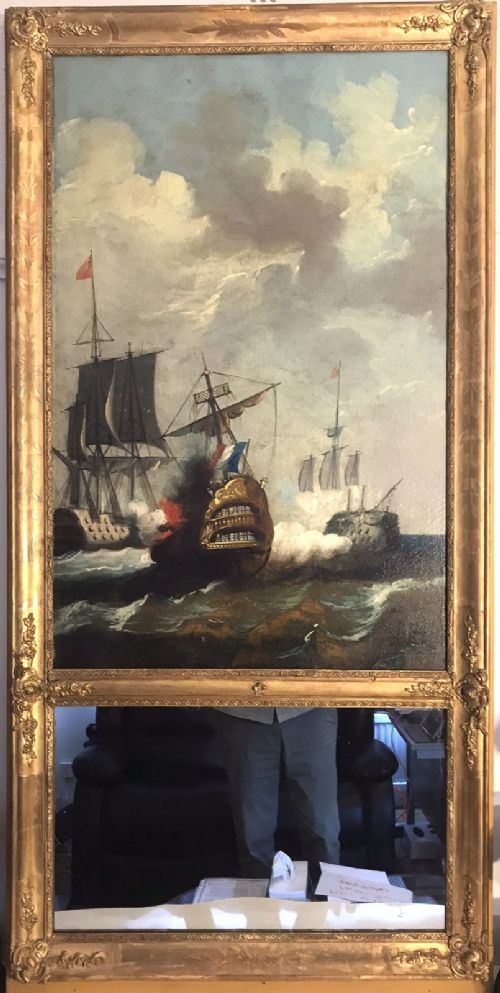
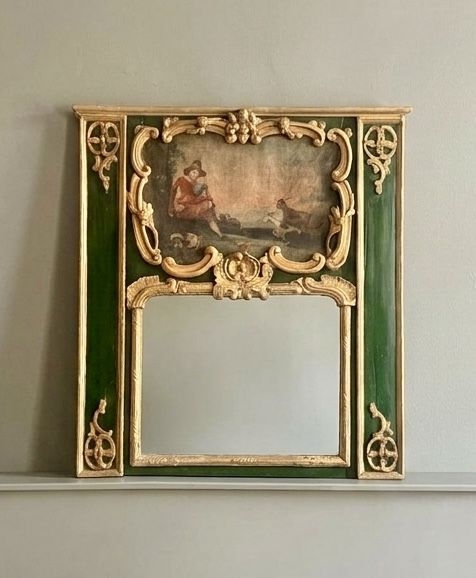
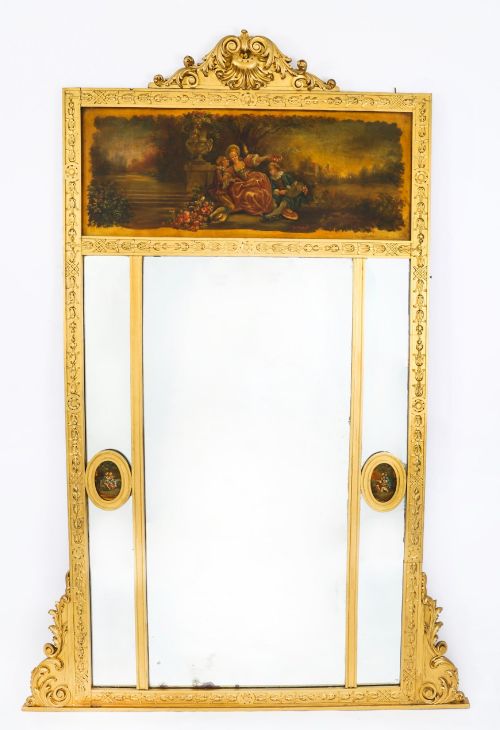
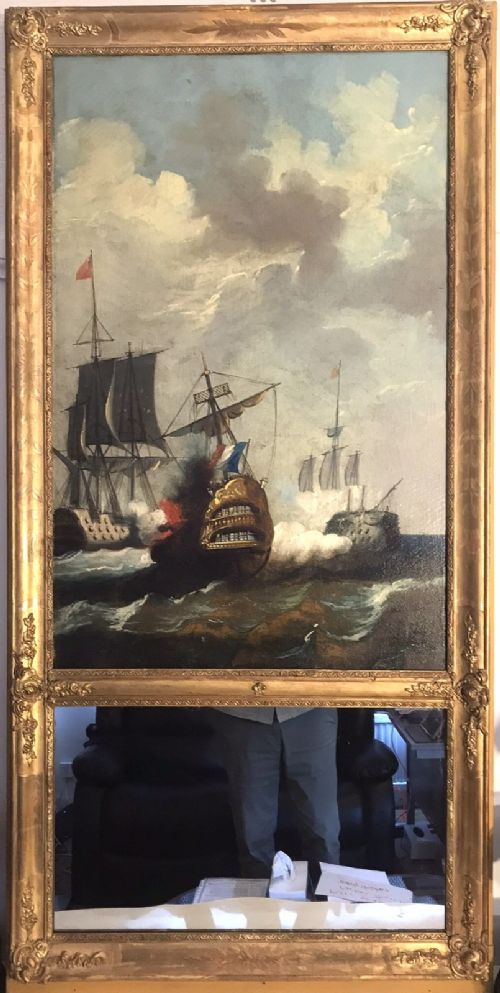
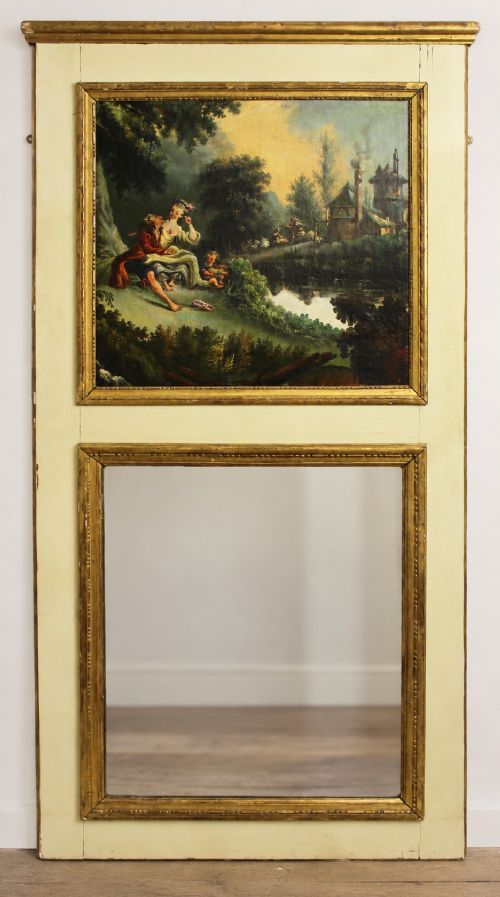
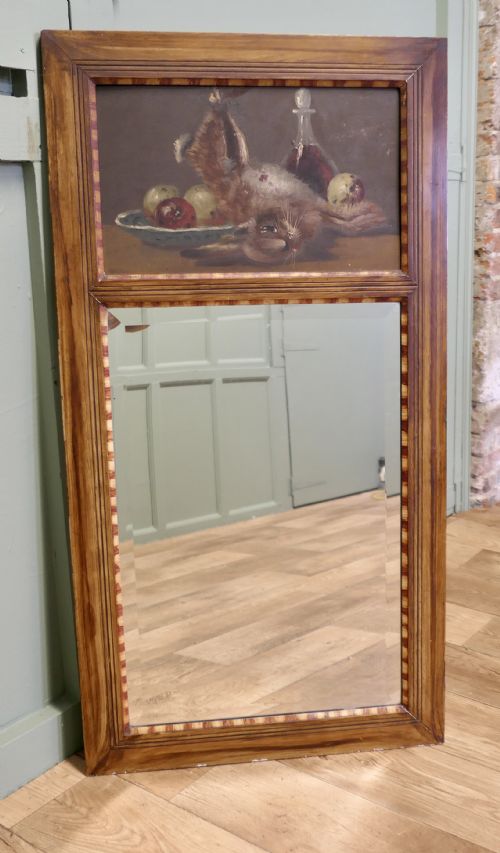
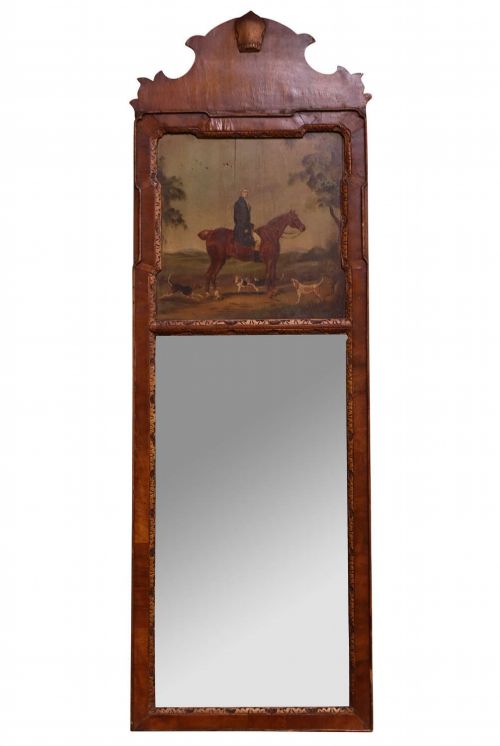
The most common version met on this page is the French trumeau mirror, frequently featuring an integral oil painting depicting seascapes, pastoral scenes, or galleons at sea placed above the glass plate. These items integrate seamlessly into domestic interiors by serving both a practical reflective purpose and displaying original fine art.
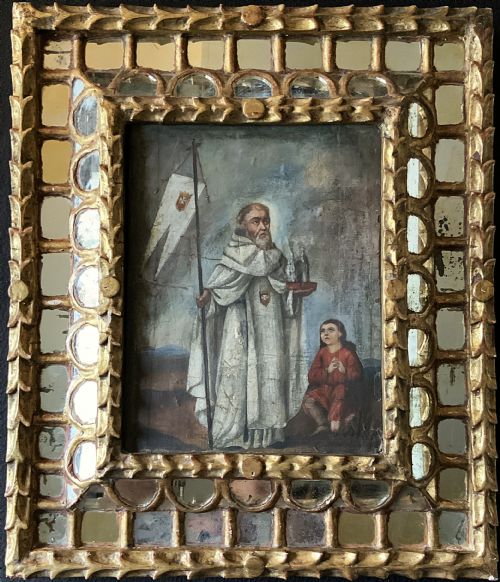
Alongside integrated trumeau pieces, the selection encompasses seventeenth-century Spanish Baroque oil portraits housed in giltwood frames and various revival styles. Such works demonstrate the historical tradition of combining portraiture or landscape painting directly into architectural wall furniture.
How they were made
Makers constructed these frames predominantly from wood, walnut, and mahogany, applying gesso layers to prepare the surface for gilding with gold leaf. Artisans then utilised oil paint on canvas or wood panels to create the integrated artworks, securing them directly above or within the glass housing.
The decorative embellishments rely heavily on giltwood and parcel-gilt techniques, particularly seen in Rococo Revival, Louis XV Revival, and Queen Anne Revival examples. Craftsmen carved intricate details into the wooden mouldings, ensuring the architectural proportions suited grand country houses and French chateaux.
Antique Oil Painting Mirror Retail Price Guide 2026
Typical asking prices for oil painting mirror among the pieces listed under this phrase on Sellingantiques today, from the lower quarter to the upper quarter. They describe what is for sale here now, not the wider market.
Listings feature pieces spanning from the seventeenth century through to nineteen-twenty, encompassing walnut, mahogany, and giltwood materials.
What varies in quality
The depth and intricacy of the carved gesso and giltwood ornamentation separate standard production from superior examples. Master carvers achieved crisp relief work and harmonious proportions that elevate the entire composition.
The artistic merit and original condition of the oil painting itself dictate the upper tier of the market. Integrated canvases showing accomplished brushwork and well-preserved pigments maintain greater integrity than later replacements.
The Antique Oil Painting Mirror Glossary
- Trumeau mirror
- A wall mirror featuring an upper panel decorated with a painting or relief carving, originating from eighteenth and nineteenth-century interior decoration. These pieces were designed to fit neatly between windows or above mantelpieces.
- Giltwood
- Timber carved and coated with gold leaf or metallic powder to simulate solid gold. This finish catches candlelight and natural illumination effectively.
- Gesso
- A plaster-like mixture applied to wooden frames as a smooth base for gilding and paint. It allows artisans to carve intricate relief details before applying gold leaf.
- Pier glass
- A tall mirror specifically designed to hang on the narrow section of wall between two windows. They often incorporate console tables or integral paintings below or above the glass.
- Parcel-gilt
- A finishing method where only specific decorative elements of a painted or stained wooden object are highlighted with gold leaf. This creates a subtle contrast against the underlying painted surface.
Antique Oil Painting Mirror: Frequently Asked Questions
Where were these mirrors placed?
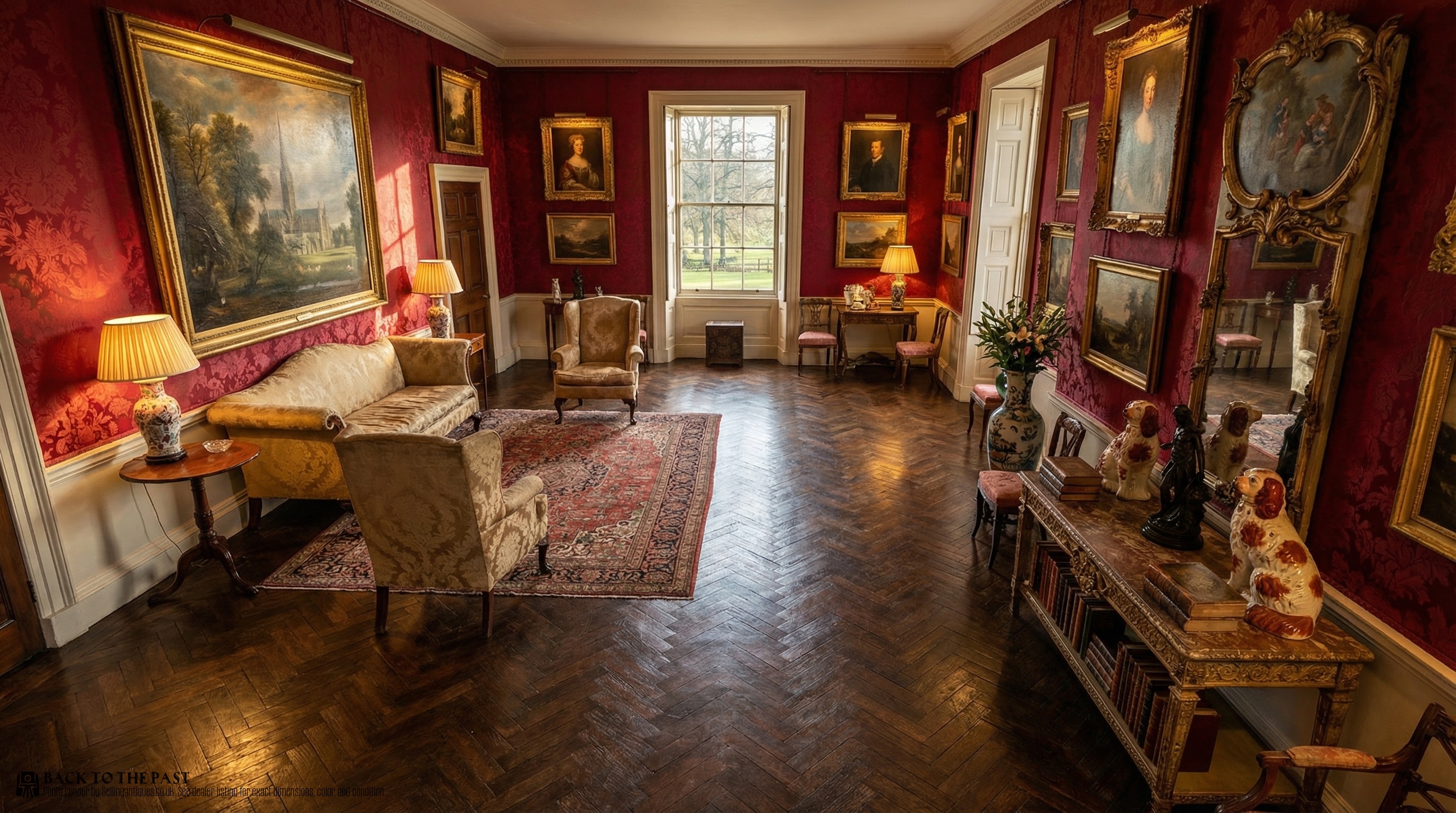
These mirrors traditionally hung between large windows or directly above mantelpieces in formal reception rooms. Their dual nature allowed them to bounce light around the room while simultaneously displaying artwork.
In grand country houses and French chateaux, they anchored the symmetrical wall panelling of the interior scheme. Their vertical proportions suited high ceilings and expansive entertaining spaces.
How do I clean the glass?
Clean the antique glass gently using a soft, lint-free cloth and a mild, ammonia-free glass cleaner applied to the cloth rather than the mirror. Avoid spraying liquid directly onto the frame or the oil painting.
Moisture can seep behind the silvering or damage delicate gesso and oil paint over time. Regular dusting with a dry feather duster remains the safest maintenance method.
Are the paintings original?
Many surviving examples retain their original integrated oil paintings, particularly within nineteenth-century French trumeau and pier mirrors. These artworks usually depict landscapes, seascapes, or pastoral scenes suited to the domestic interior.
Closer inspection under magnification can reveal whether the canvas ground and pigment ageing match the era of the surrounding frame. Dealers note specific subjects like galleons at sea or equestrian scenes in the individual listings.
How do I identify a revival style?
Revival pieces emulate earlier decorative movements, such as Queen Anne Revival walnut frames or Rococo Revival gilded gesso designs. Makers during the late nineteenth and early twentieth centuries frequently borrowed these historic motifs.
Examining the construction methods, backboards, and fastener types helps differentiate a period piece from a later revival interpretation. The evidence here includes specific dates like nineteen-twenty for Queen Anne Revival items.