
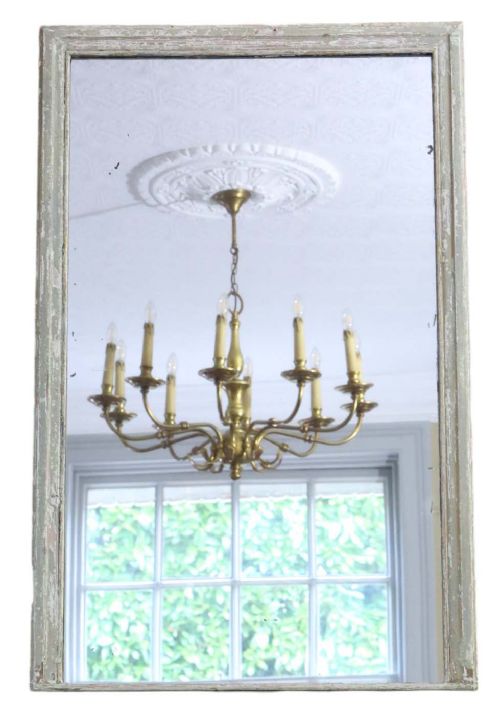

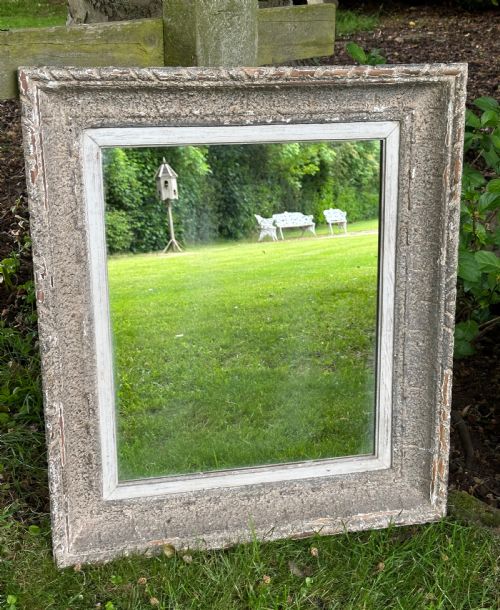


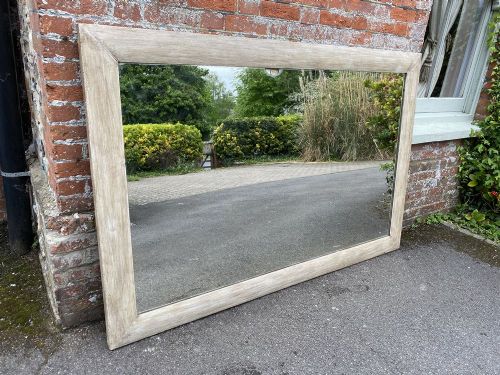

Rustic French Painted Mirror
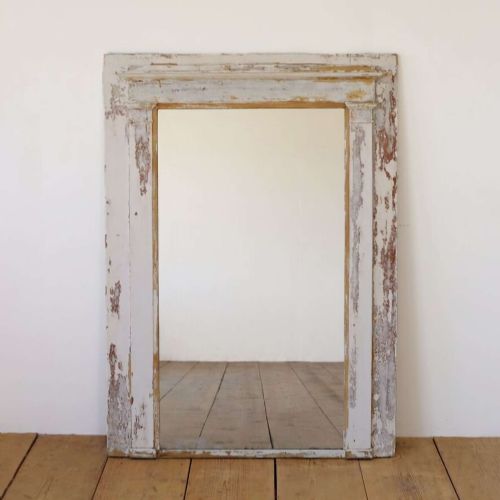
A rustic french painted mirror brings tactile warmth and aged character to a room through weathered painted timber and time-softened glass.
Rustic French Painted Mirror
When you search for a rustic french painted mirror, you are looking at wall-hanging and overmantel looking glasses originating primarily from the nineteenth century. These pieces combine utilitarian forms with decorative painted or gessoed wooden frames that show genuine signs of age.
Origins range across French provincial workshops and nineteenth-century English adaptations. Each piece displays the distinct visual weight of period timber paired with aged paint surfaces rather than pristine factory finishes.
How they were made
Construction relies heavily on solid pine and carved wood frameworks assembled by hand. Artisans shaped these wooden bases to form architectural profiles, arched tops, and rectangular piers.
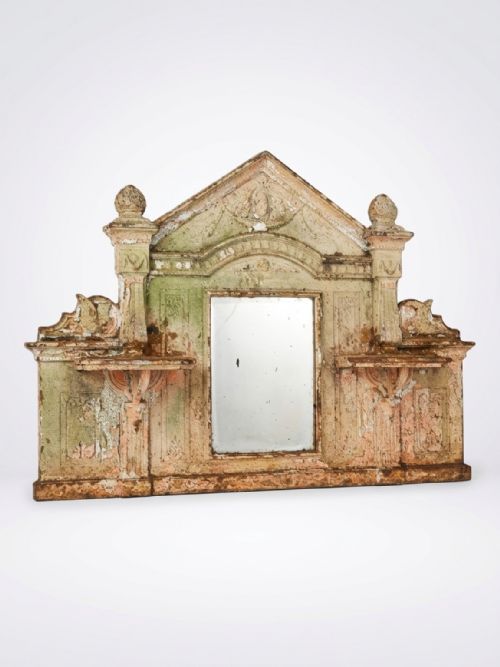
Layers of gesso and oil paint were applied directly to the timber surfaces, creating a durable foundation that accepts wear and distress over decades of use. Cast iron components occasionally reinforce the structural integrity of larger wall and overmantel mirrors.
Mirror plates were set securely into the wooden rabbets behind the painted frames, often featuring bevelled or plain glass that reflects the light softly through patinated silvering.
The listings on this site feature nineteenth-century pine, carved wood, gesso, and cast iron materials across wall and overmantel formats.
What varies in quality
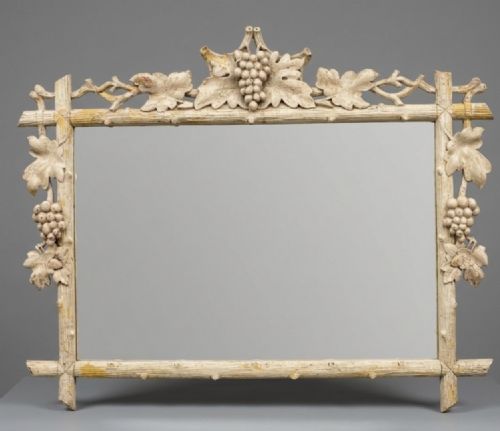
The distinction between ordinary and exceptional examples rests in the depth of hand-carved detail and the authenticity of the painted surface. Pieces featuring intricate carved wood and gesso ornamentation display a superior sculptural quality.
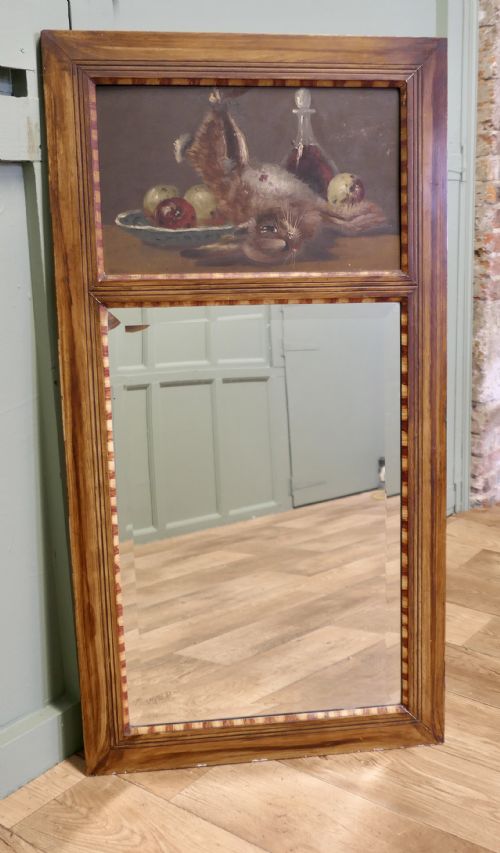
Proportion and scale dictate the visual impact of the glass within the room. Taller trumeau pier mirrors and large arched overmantles demand greater joinery skill to maintain stability across extended wooden frames.
The preservation of original oil paint layers dictates the integrity of the piece. Natural flaking and weathering accrued over time hold more aesthetic value than modern repainting efforts.
The Rustic French Painted Mirror Glossary
- Trumeau
- A decorative wall mirror or panel designed to fit into the architectural space between windows or above a mantelpiece. It often combines painted woodwork with a mirror plate.
- Gesso
- A plaster-like mixture applied to wood frames to create a smooth surface for painting or gilding. It provides crisp relief for carved details.
- Overmantel Mirror
- A large looking glass specifically scaled to hang directly above a fireplace mantel. These pieces frequently feature arched tops to draw the eye upward.
- Louis Philippe
- A mid-nineteenth-century French style characterised by restrained curves and simple, elegant proportions. It avoids excessive ornamentation in favour of clean architectural lines.
- Bistro Mirror
- A functional wall mirror traditionally used in public dining spaces and cafes. These pieces prioritise clear reflection within a simple painted wooden frame.
Rustic French Painted Mirror: Frequently Asked Questions
Where should I hang a large mirror?
These mirrors suit placement above a living room fireplace mantel or positioned on a main dining room wall where they reflect natural light.
Ensure the wall anchors are rated for the substantial combined weight of the solid wood frame and glass plate.
How do I clean the painted frame?
Dust the carved wooden surface gently with a dry, soft cloth to preserve the fragile layers of historic oil paint.
Avoid liquid cleaners and harsh detergents that can soften or strip the original gesso and paintwork.
Are the mirror plates original?
Nineteenth-century mirrors frequently retain their original glass, which often exhibits characteristic silvering spots, foxing, and minor distortion.
These optical imperfections confirm the age of the glass and contribute significantly to the decorative charm of the piece.
How do I identify a Louis Philippe mirror?
Look for a subtly arched top corner profile that transitions smoothly into straight vertical sides without heavy carving.
This nineteenth-century French aesthetic values understated elegance and balanced proportions over ornate embellishment.