

Antique Pier Wall Mirror
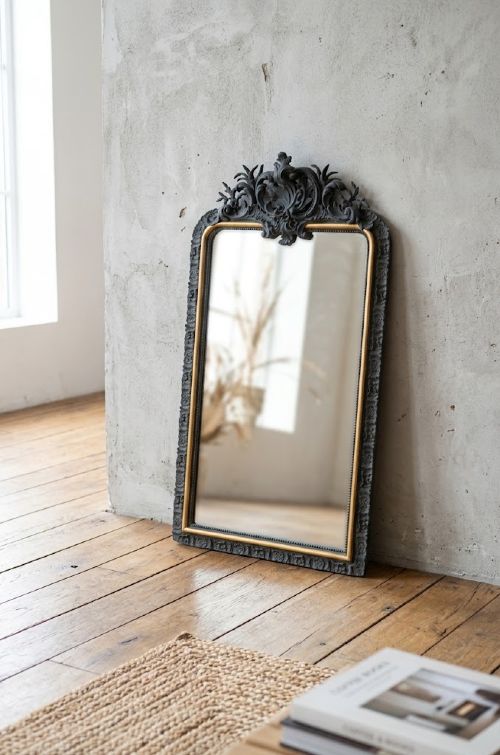
An antique pier wall mirror brings reflective depth and architectural presence to a room, historically hung between windows or above low console tables.
Antique Pier Wall Mirror
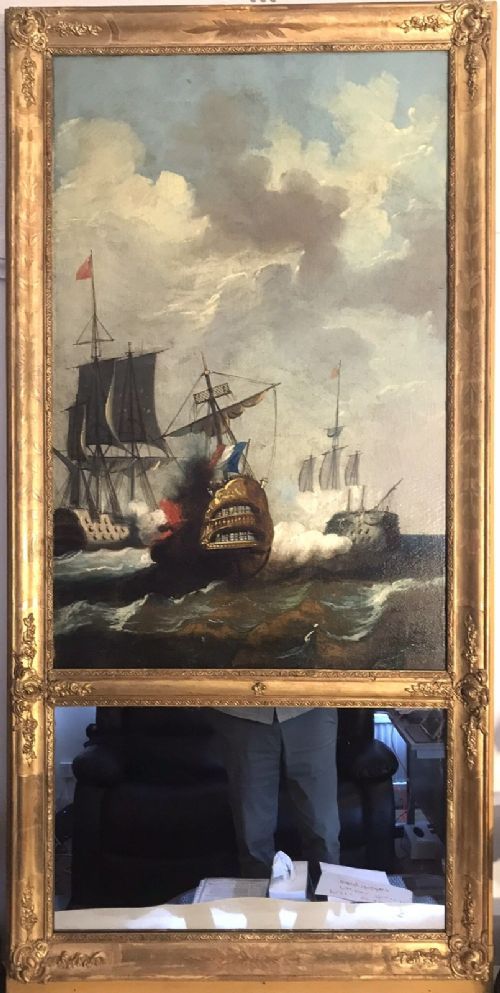
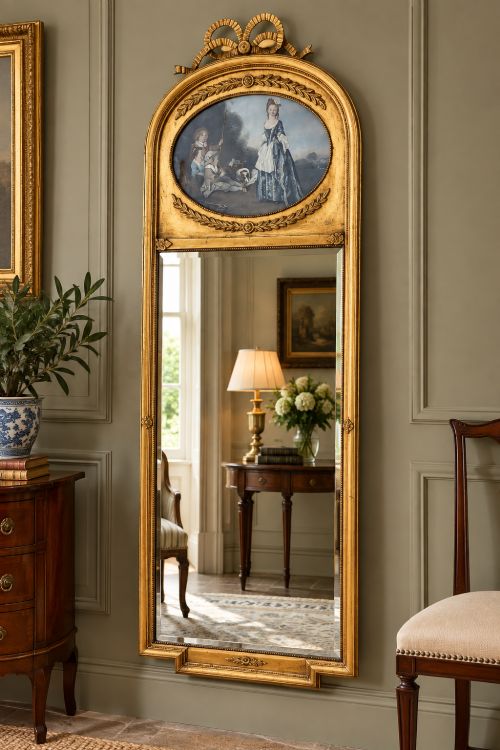
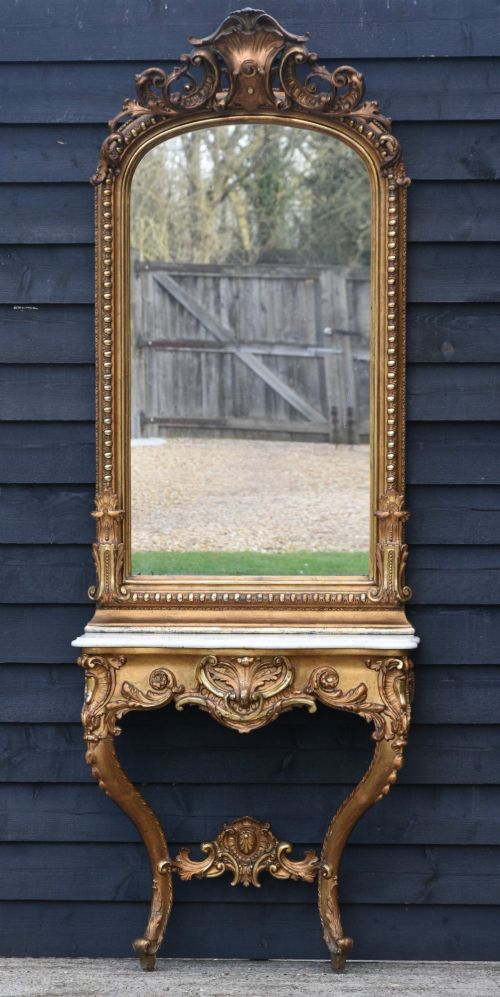
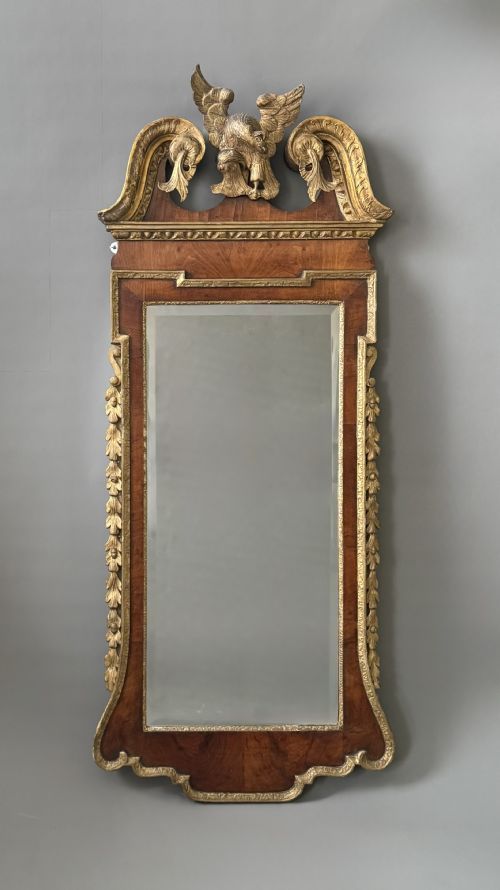
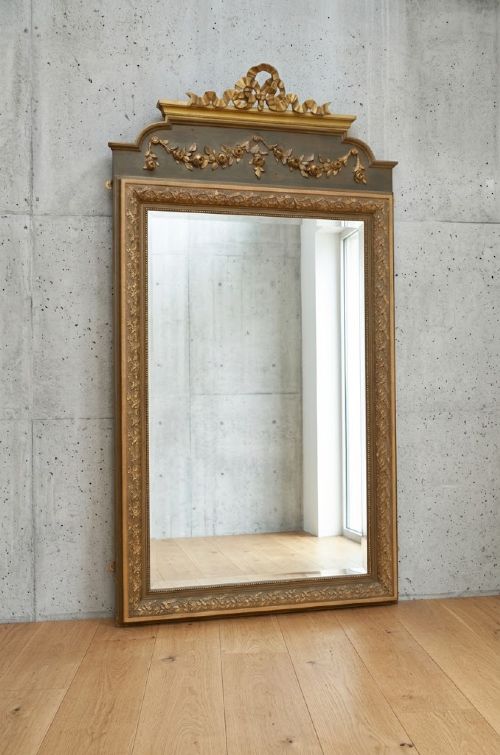
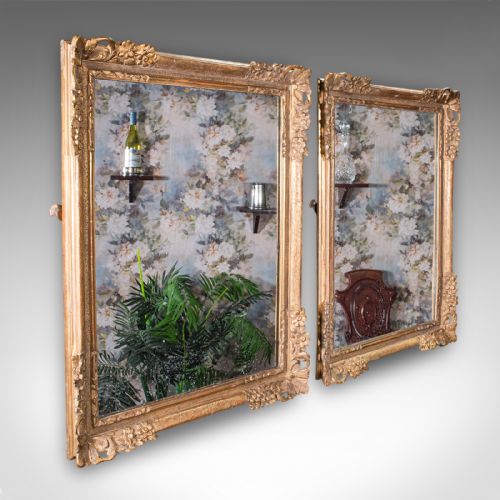
An antique pier wall mirror is a tall, vertical looking glass designed to sit on the narrow stretch of wall between two windows or directly above a pier table. The forms span the 18th century, Regency, and Victorian periods, with French trumeau examples often incorporating pastoral oil paintings or painted woodwork above the glass.
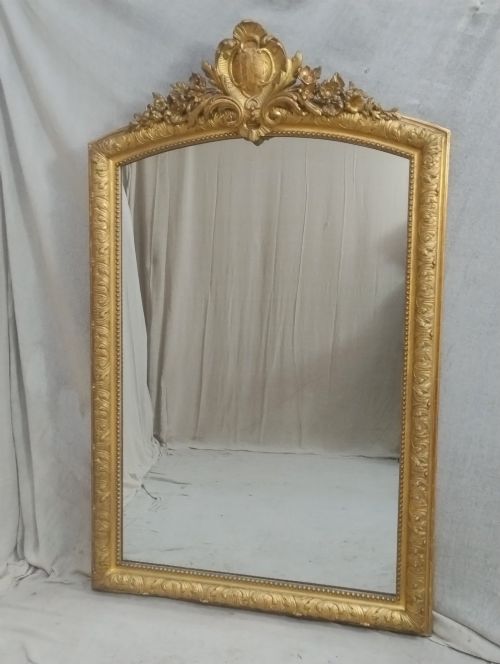
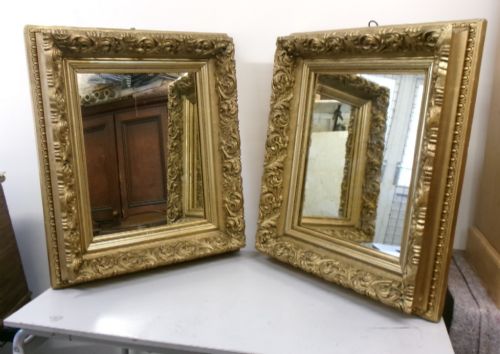
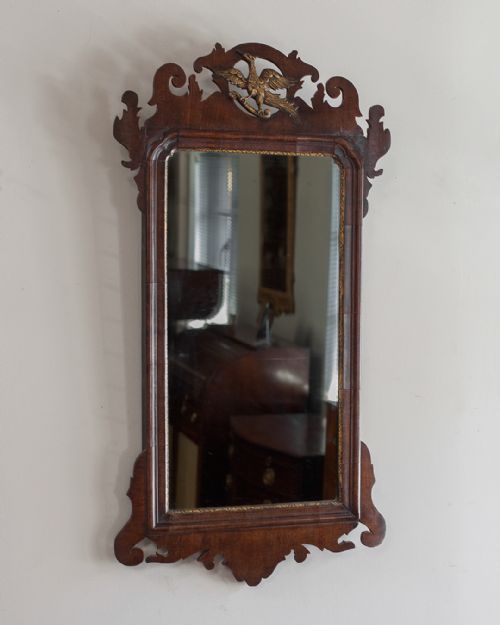
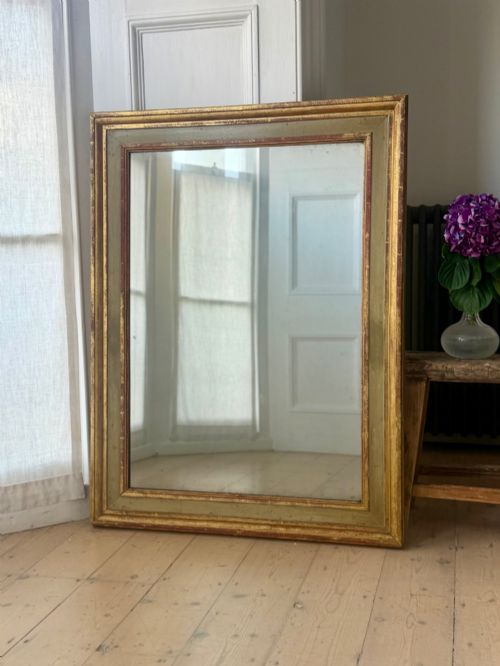
Buyers will encounter substantial giltwood frames, carved gesso mouldings, and rich mahogany surrounds. Many pieces retain their original mirror plates, showing the characteristic slight foxing and distortion associated with older glass production.
How They Were Made
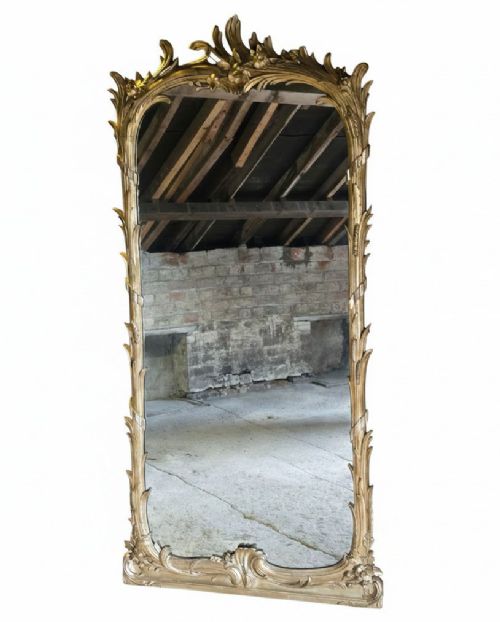
The construction of these mirrors relies heavily on carved wood, gesso, and gold leaf, particularly in Regency and French Rococo Revival pieces where decorative motifs like lion masks or ribbon crests are built up in relief. Mahogany and walnut feature prominently in Georgian designs, often enhanced with parcel gilt details or intricate fretwork.
Listings feature 18th-century, Regency, and 19th-century periods, utilising materials such as giltwood, gesso, mahogany, and mercury glass.
What Varies in Quality
The distinction between tiers rests upon the crispness of the original carving and the integrity of the gilding. Hand-modelled gesso and deeply carved giltwood demonstrate superior craftsmanship compared to later cast replacements.
The Antique Pier Wall Mirror Glossary
- Pier glass
- A tall mirror specifically proportioned to hang on the wall space between windows. These mirrors were often paired with matching console tables positioned underneath.
- Trumeau
- A decorative wall panel that incorporates a mirror glass alongside a painted scene or carved wood panel. French country examples frequently use this format.
- Gesso
- A plaster-like mixture applied to wood frames and carved into intricate relief ornamentation before gilding. It allows for sharp decorative details.
- Mercury glass
- An early form of mirror plate created by applying a tin and mercury amalgam behind the glass. It produces a distinctive speckled or foxed appearance over time.
- Parcel gilt
- Woodwork that is partially gilded with gold leaf while other areas show the natural grain of mahogany or walnut. This technique highlights specific carved details.
Antique Pier Wall Mirror: Frequently Asked Questions
Are antique mirror plates original?
Many older pieces retain their original glass, which often displays minor foxing, dark spots, and slight surface distortion. These characteristics confirm the age of the looking glass.
Replacement glass is sometimes fitted during restoration if the original plate suffered too much degradation, which changes the overall reflective quality.
How do I identify a Regency pier mirror?
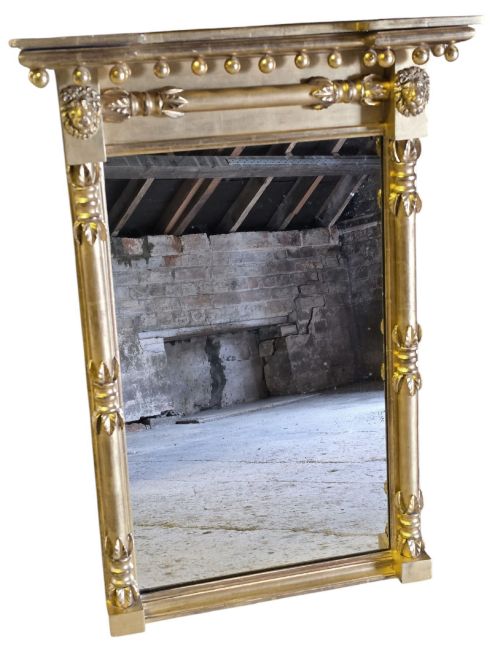
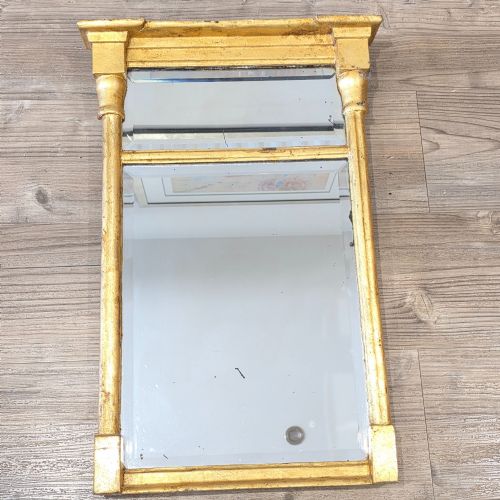
Regency pieces often feature classical motifs such as reeded columns, ball-stud mouldings, and carved crests including lion masks. The frames are typically finished in bright giltwood.
They date from the early 19th century and reflect a distinct neoclassical influence distinct from earlier heavy Baroque or later Victorian styles.
What is a trumeau mirror?
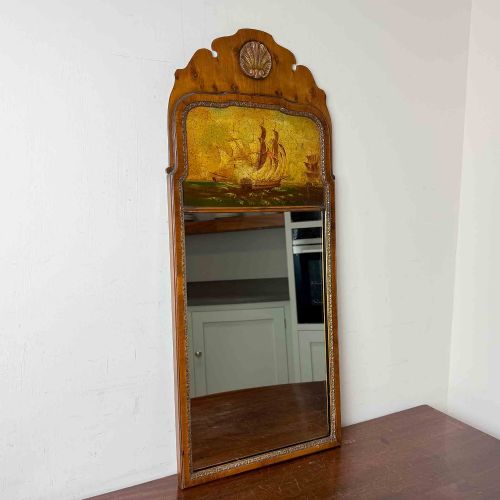
A trumeau is a decorative wall mirror that combines the glass plate with an upper section containing an oil painting or carved wooden panel. Originating in France, they were designed to integrate seamlessly with wall panelling.
The pastoral scenes or decorative paintings set above the mirror give these pieces a distinct narrative quality.