
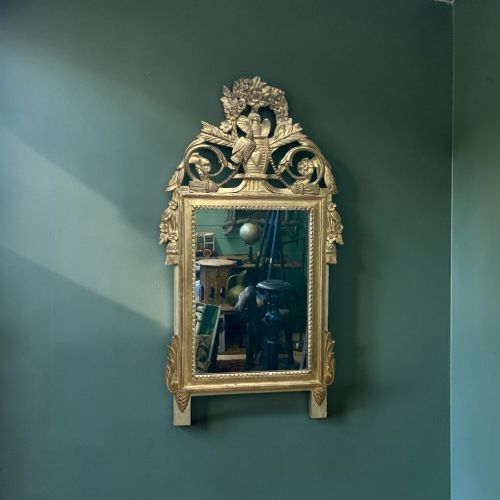


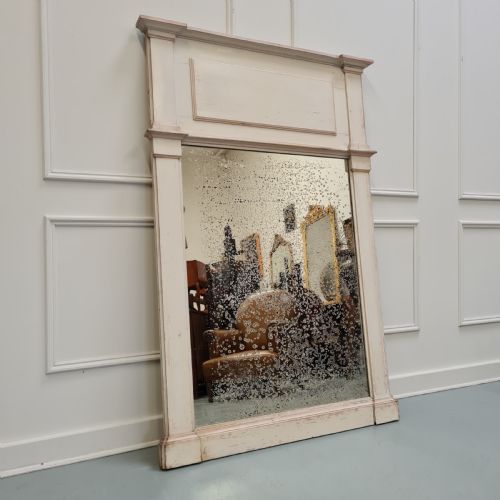


French Country Trumeau Mirror
These french country trumeau mirror pieces combine carved woodwork and integrated painted panels to anchor a room with provincial elegance.
French Country Trumeau Mirror
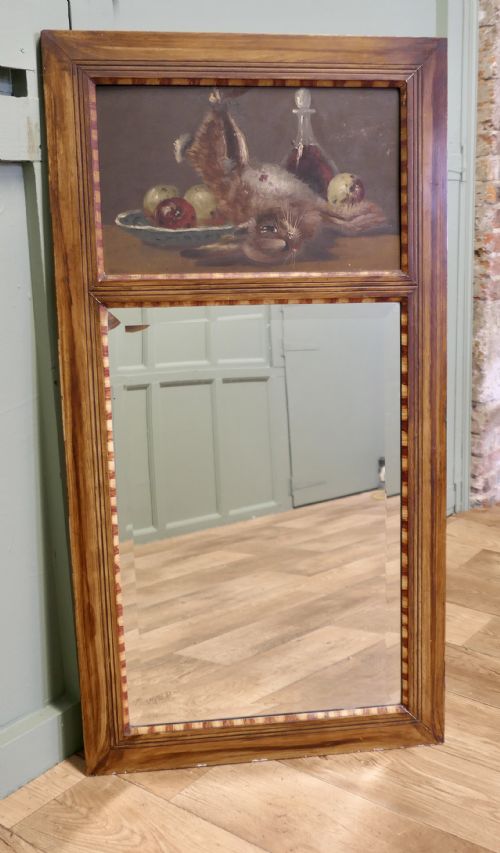
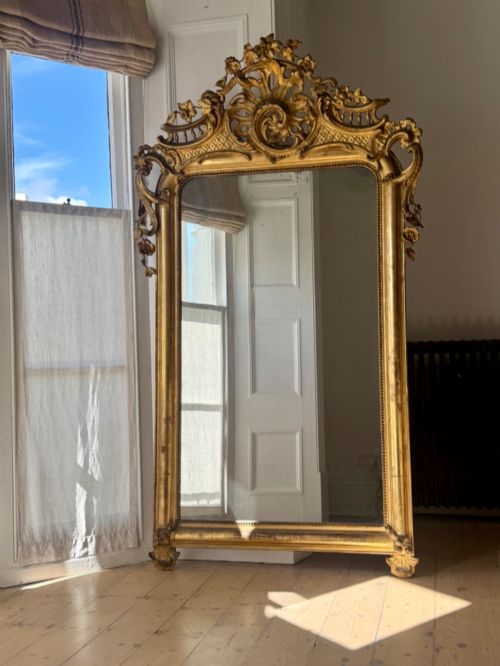
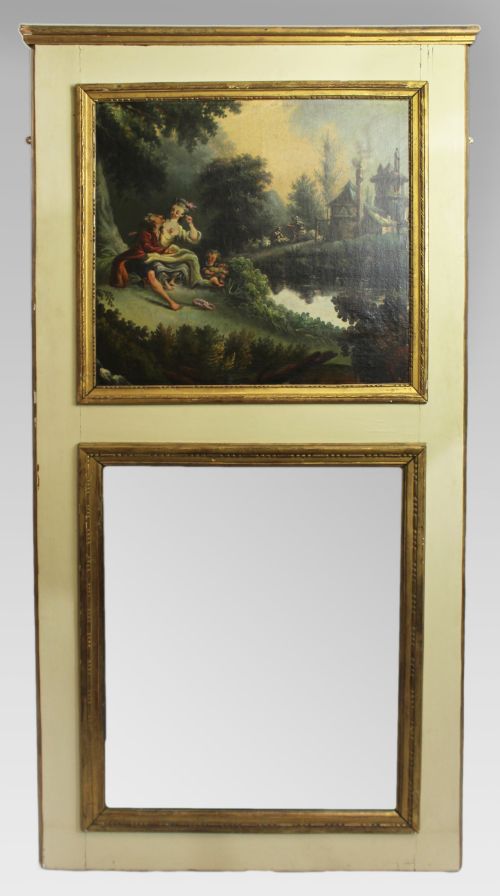
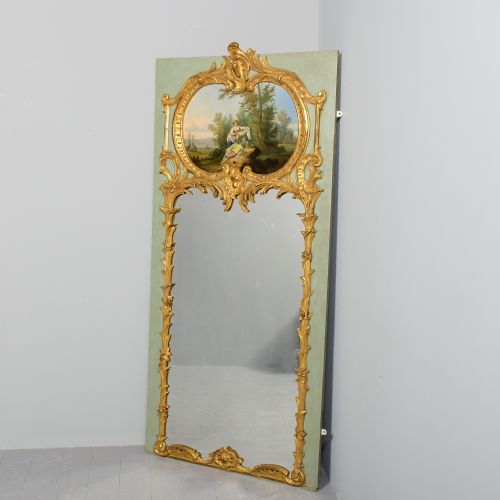
A french country trumeau mirror brings together a reflective glass plate and an upper decorative panel, often featuring an oil painting or carved motif set into the woodwork. These wall-hung furnishings range from provincial painted frames to grander giltwood and gesso overmantle designs originating across the eighteenth and nineteenth centuries.
The selections available here lean heavily into nineteenth-century interpretations alongside earlier eighteenth-century examples, spanning regional styles like Louis XVI, Louis XV Rococo, and French Provincial. Tall pier mirrors and wide overmantle pieces dominate the forms, designed originally to sit between windows or above fireplaces in chateaux and country houses.
Buyers seeking this specific look will encounter painted wood finishes alongside gilt highlights and classic mercury glass plates. Each piece balances decorative painting with functional reflection, preserving the distinct character of French country and chateau interiors.
How They Were Made
Carpenters constructed these frames from solid wood, applying layers of gesso to build up carved details and mouldings before finishing them with paint, gilding, or both. The resulting surfaces often show the subtle wear of age across carved wood and painted elements.
Upper panels frequently incorporate oil paint on canvas or wood, depicting pastoral scenes or decorative subjects directly integrated into the architectural frame. Original mercury glass plates provide the lower reflective surface, held securely within the timber rebate.
Listings span the eighteenth and nineteenth centuries, featuring painted wood, giltwood, gesso, and oil on canvas.
What Varies in Quality
The refinement of the hand-carved wood and gesso ornamentation sets the standard across these pieces, distinguishing simpler provincial work from more elaborate chateau commissions. Crisply detailed carving and well-balanced proportions elevate the visual presence of the frame.
The artistic execution of the integral oil painting plays a major role in overall character, with finely painted pastoral scenes commanding closer attention. Furthermore, the preservation of original mercury glass and the integrity of the painted or gilt surface dictate the piece's visual harmony.
The French Country Trumeau Mirror Glossary
- Trumeau
- An architectural term for a decorative wall panel, which in mirror form incorporates a glass plate below a painted or carved artwork.
- Mercury glass
- A type of silvered glass produced by pouring a liquid mercury amalgam between double-walled blown glass, creating a characteristic mottled reflection.
- Gesso
- A plaster mixture applied to wood frames to create a smooth surface for subsequent gilding or painting.
- Pier mirror
- A tall vertical mirror specifically proportioned to hang on the wall space between two windows.
- Overmantle mirror
- A wide horizontal mirror designed to sit directly above a fireplace mantelpiece.
French Country Trumeau Mirror: Frequently Asked Questions
Where should I hang a trumeau mirror?
These mirrors suit placement above a mantelpiece, sideboard, or console table where their height and decorative top panel can serve as a primary focal point. Tall pier formats work particularly well on blank wall spaces between windows to bounce natural light around the room.
Ensure the wall construction safely supports the considerable weight of timber, gesso, and glass. Professional fixings matched to the weight of the specific frame are essential for secure installation.
How do I care for the original mercury glass?
Clean the glass surface gently using a soft, dry microfibre cloth to avoid disturbing the silvering behind the plate. Avoid harsh modern chemical cleaners that might seep behind the edges and damage the historical backing.
Keep the mirror away from direct, harsh sunlight and damp environments to protect both the timber frame and the delicate silvered glass plates.
Are the oil paintings on these mirrors original?
The upper panels generally feature period oil paintings on canvas or wood that were created as an integral part of the trumeau design. Pastoral scenes and decorative subjects were composed to complement the proportions of the frame.
Close inspection reveals how the panel fits directly into the structural rebates of the woodwork, confirming its relationship to the mirror frame.
How do I distinguish eighteenth-century pieces from nineteenth-century ones?
Eighteenth-century examples often display the deeper carving depth and specific gesso layering characteristic of earlier cabinetmaking traditions. Wood shrinkage, hand-beveled edges on mercury glass, and wear patterns offer reliable clues to age.
Nineteenth-century revival pieces frequently adopt Louis XV or Louis XVI vocabulary while employing nineteenth-century construction techniques and machine-sawn timber elements.