


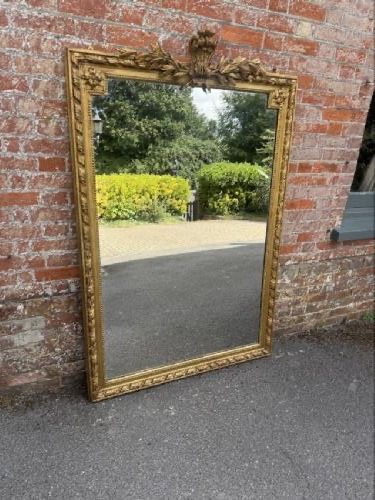
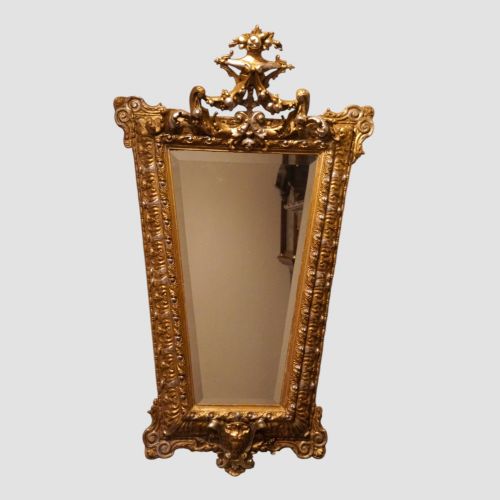
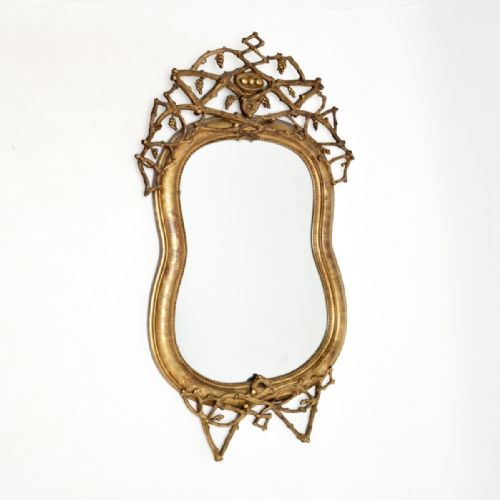
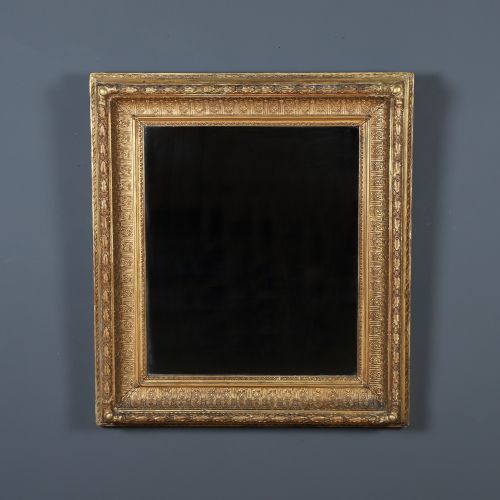

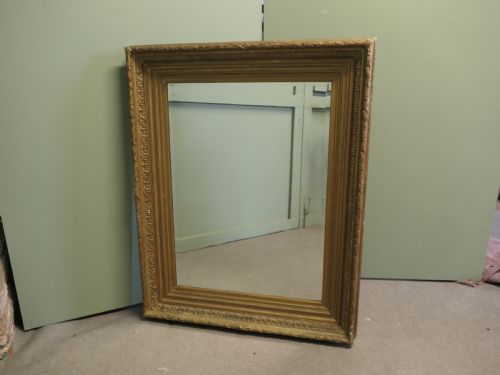
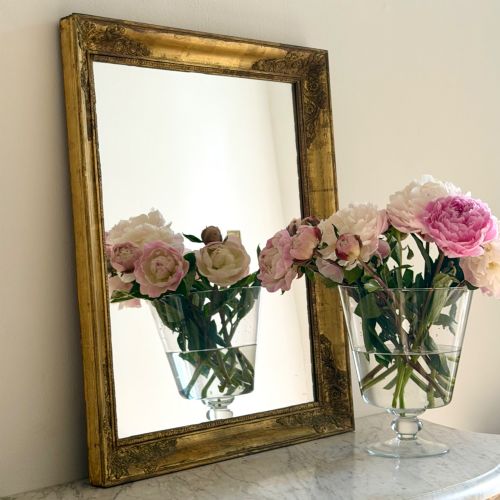
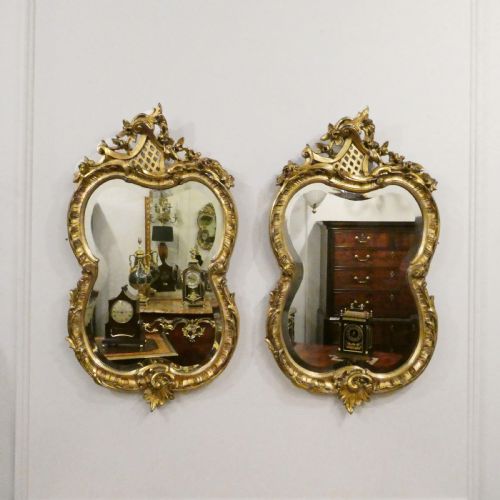


Gilded Frame Accent Mirror
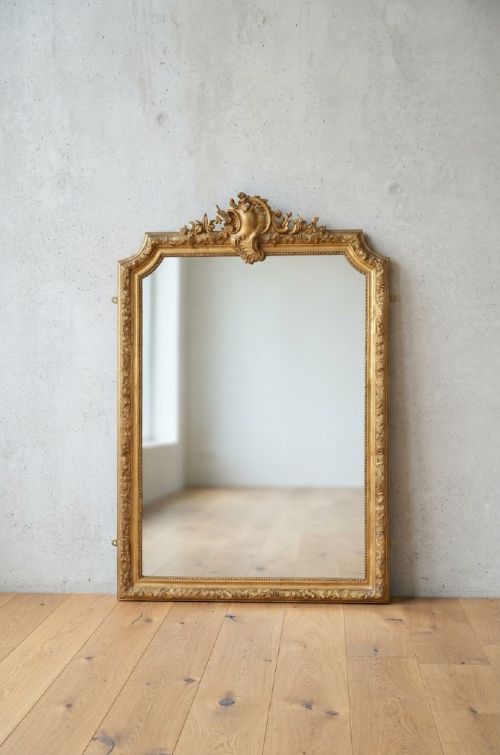
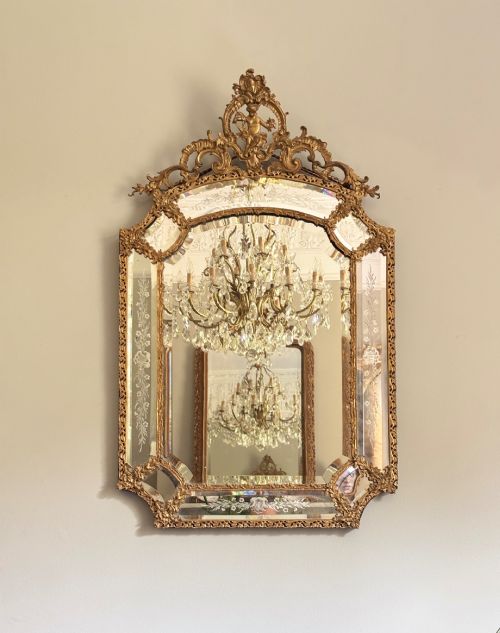
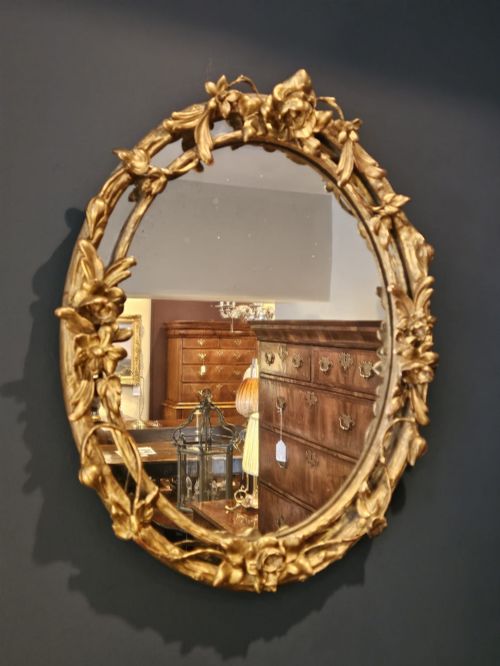
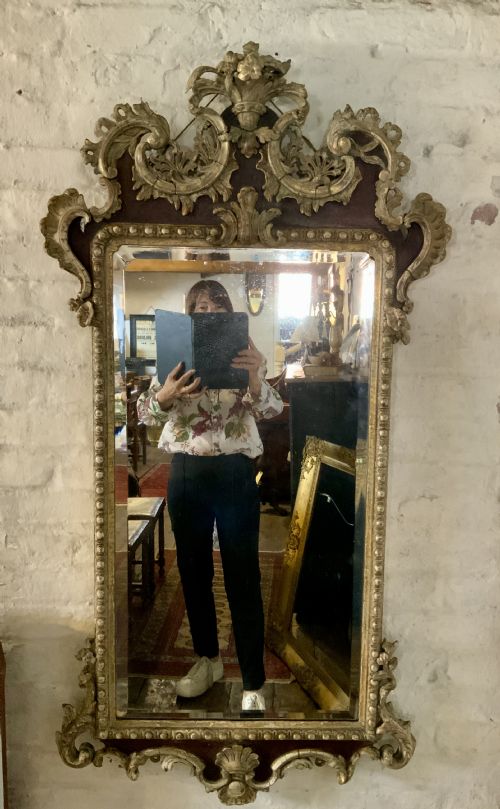
These gilded frame accent mirrors bring light and architectural presence into a room, drawing the eye with their reflective depth and carved surfaces.
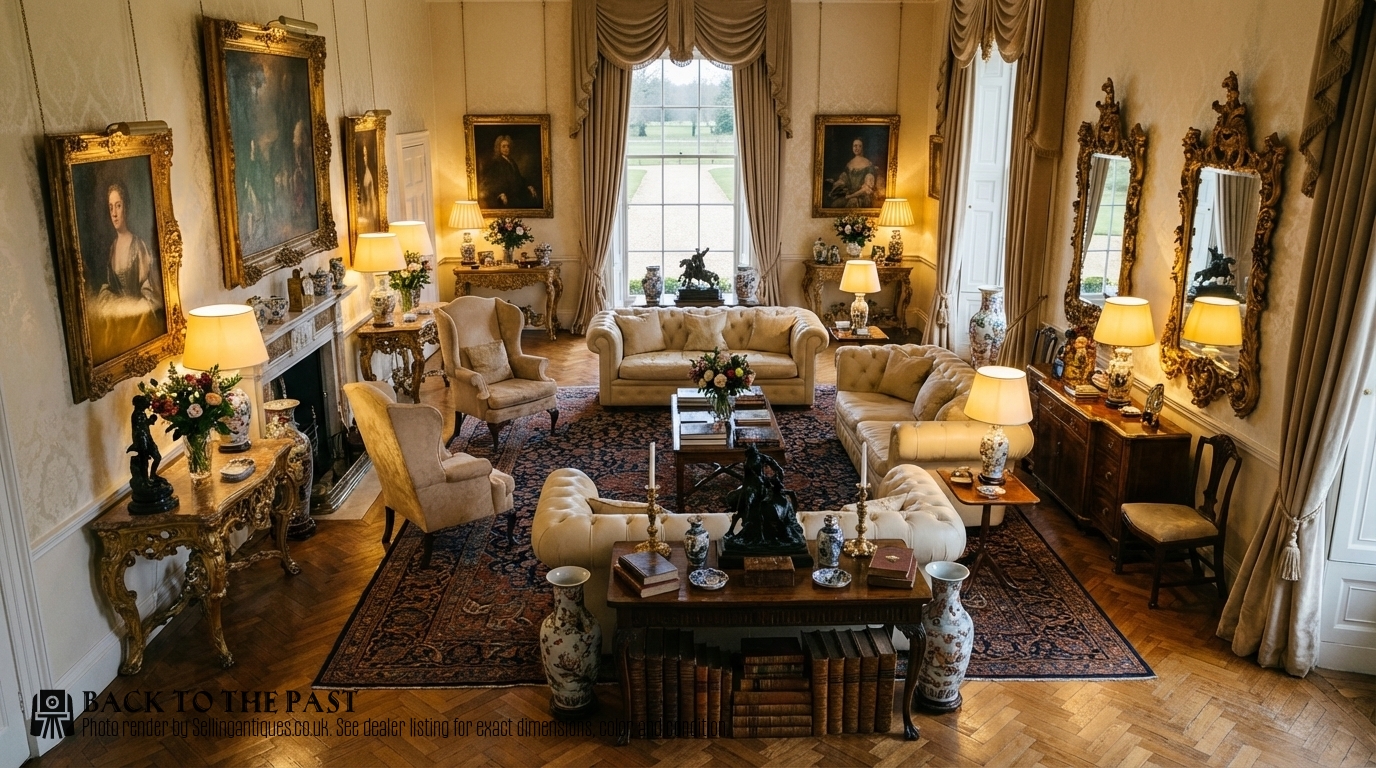
Gilded Frame Accent Mirror
A gilded frame accent mirror serves as a focal point in a room, reflecting light while introducing period character through its decorative surround. When exploring this selection, buyers frequently encounter wall mirrors and overmantel mirrors originating from the nineteenth and eighteenth centuries.
The aesthetic leans heavily towards revival movements, with French Rococo, Italian Baroque, and Victorian styles appearing prominently across the collection. These pieces range from small cartouche and oval wall mirrors to large architectural overmantels designed for prominent placement above a fireplace.
Geographical origins vary, encompassing English, French, and Italian workshops spanning several centuries. Each regional school brings distinct carving traditions and framing profiles to the selection.
Materials and Construction
Wood serves as the primary structural foundation for these frames, frequently carved from timber or built up with gesso layers to receive intricate ornamentation. Giltwood and gold leaf provide the luminous metallic surface finish characteristic of the style, sometimes contrasted with parcel gilt sections revealing the underlying walnut or timber.
Carving and moulding techniques define the decorative detail, whether through deep relief work on Victorian frames or delicate rope twists and cartouche shapes. Mirror glass plates are set within these constructed frames, occasionally featuring engraved details or later replacements suited to their age.
The material record for these mirrors relies heavily on giltwood, gesso, and gold leaf applied over timber frames.
Assessing Quality and Execution
The crispness of the carved detail and the application method of the gold leaf or gesso separate finer examples from standard production. Deeply undercut carving in the wood indicates skilled craftsmanship, whereas softer, less defined ornamentation suggests a more commercial execution.
The integrity of the gilt surface and the preservation of the original mirror plate contribute significantly to the standing of a piece. Original components and unified surface ageing reflect careful preservation over the centuries.
John Belchier
The Gilded Frame Accent Mirror Glossary
- Giltwood
- Wood that has been coated with gold leaf or metal leaf. This finish provides the characteristic metallic gleam seen on period frames.
- Gesso
- A plaster-like mixture applied to a wooden frame to create a smooth surface for carving and gilding. It allows for crisp, detailed ornamental moulding.
- Overmantel mirror
- A large wall mirror specifically designed to hang above a mantelpiece. These pieces often feature wide proportions to match the width of the fireplace below.
- Pier glass
- A tall mirror designed to hang on the wall between two windows. They frequently incorporate narrow proportions to fit architectural wall spaces.
Gilded Frame Accent Mirror: Frequently Asked Questions
How do I clean a gilded frame?
Dust the carved surfaces gently with a soft, dry brush to prevent damage to the delicate gold leaf or gesso layers. Avoid using liquid cleaners or commercial polishes on the gilded areas.
For the mirror glass, apply a small amount of glass cleaner to a cloth rather than directly onto the glass surface. This prevents moisture from seeping behind the frame and damaging the backing.
Where should I hang an overmantel mirror?
These large mirrors traditionally occupy the wall space directly above a fireplace mantel, anchoring the room's visual weight. They also function effectively above sideboards or large console tables in dining rooms and hallways.
Ensure the wall structure and hanging hardware can support the substantial weight of carved wood and glass. Professional installation is often recommended for larger nineteenth-century examples.
How do I tell Victorian from Georgian mirrors?
Georgian mirrors frequently display restrained symmetry, precise parcel gilt details, and classical architectural influences such as broken pediments or Chippendale fretwork. The carving tends to be exceptionally sharp and integrated into the structural design.
Victorian pieces often embrace exuberant revivalism, featuring deep relief carving, robust gesso ornamentation, and heavier proportions. Rococo and Baroque revivals dominate this later period with ornate, asymmetrical flourishes.
Are original mirror plates common?
Many period mirrors retain their original glass, which often exhibits characteristic foxing, minor speckling, and gentle distortion. These signs of ageing confirm the antiquity of the piece and add distinct visual character.
When a mirror plate has been replaced, it usually offers a clearer reflection while retaining the authentic period frame. Both original and replaced plates appear frequently in historical pieces.