


French Pier Glass Mirror
A french pier glass mirror brings architectural presence to a room, designed to hang between windows or above a low console table.
French Pier Glass Mirror
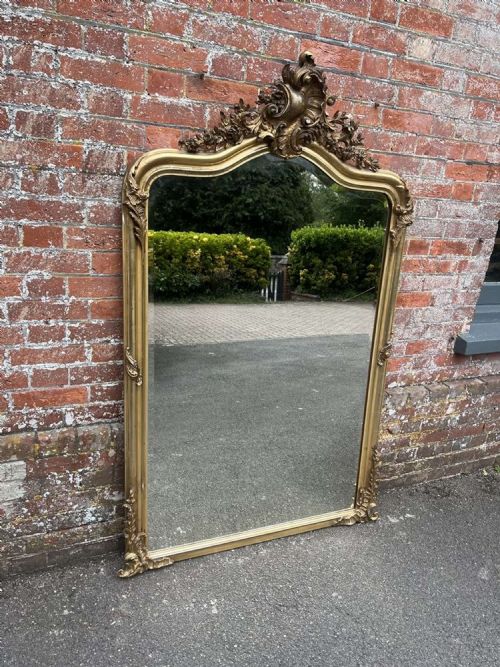
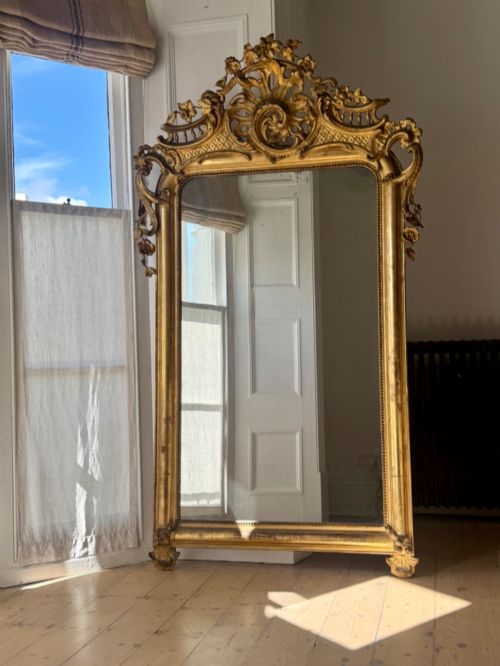
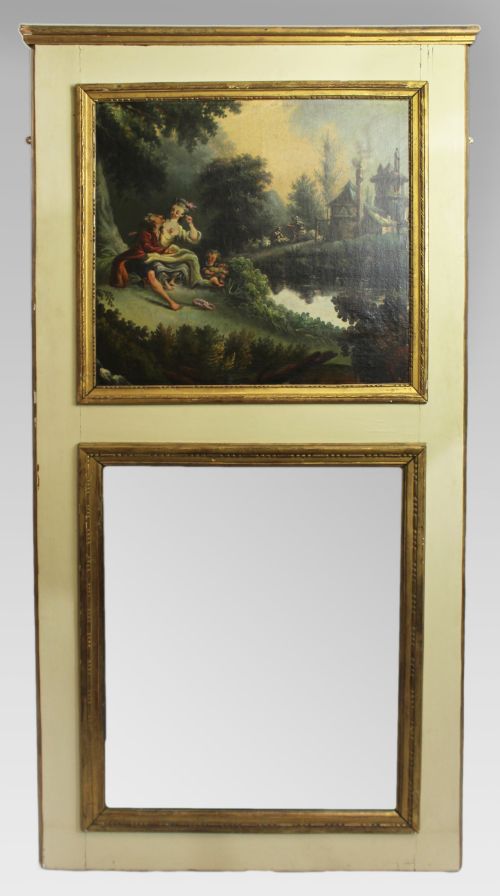
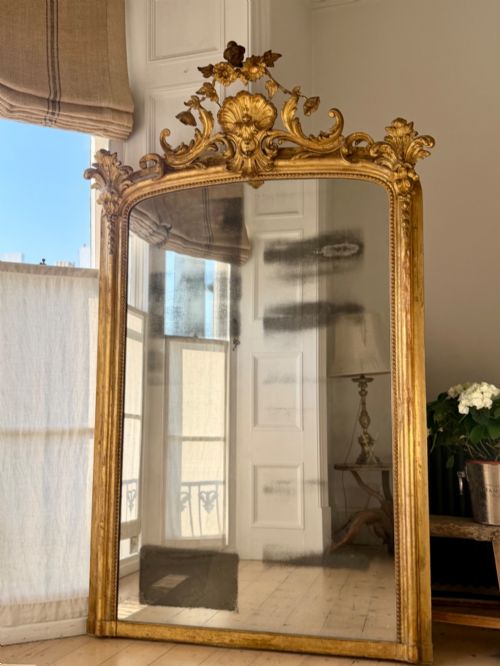
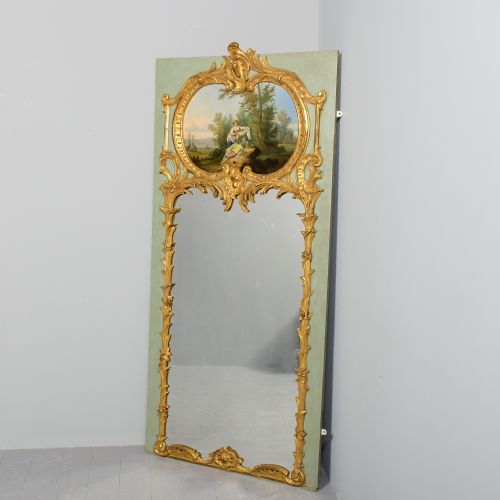
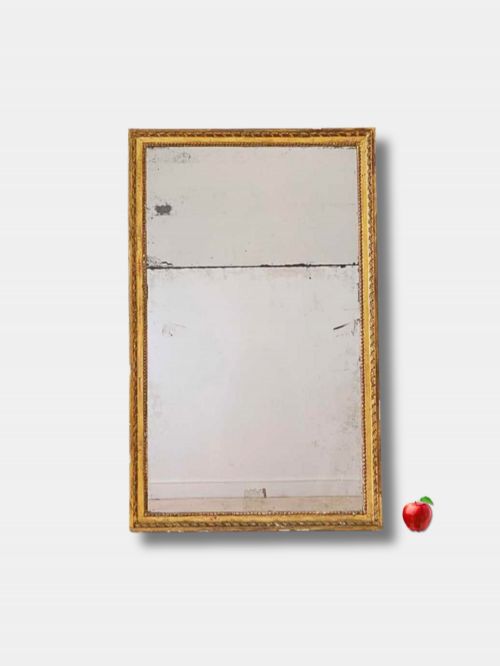
A french pier glass mirror is typically a tall, vertical wall glass created to occupy the narrow wall space between two windows, reflecting light back into the interior. These pieces appear frequently across nineteenth-century and eighteenth-century periods, spanning forms from simple upright plates to elaborate trumeau panels incorporating oil paintings.
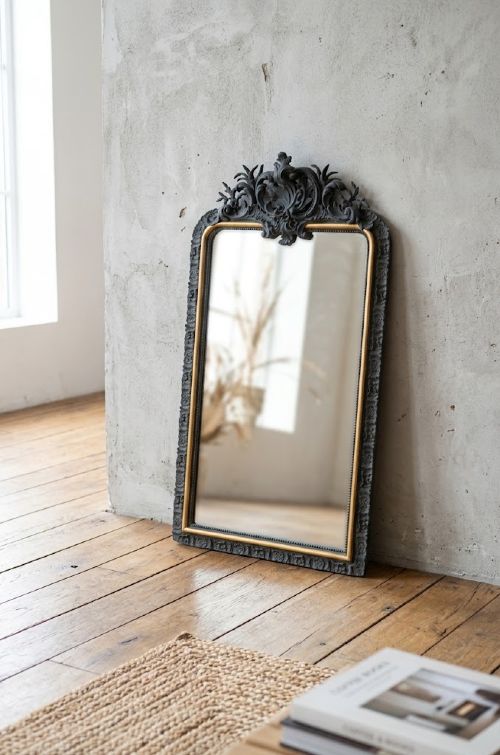
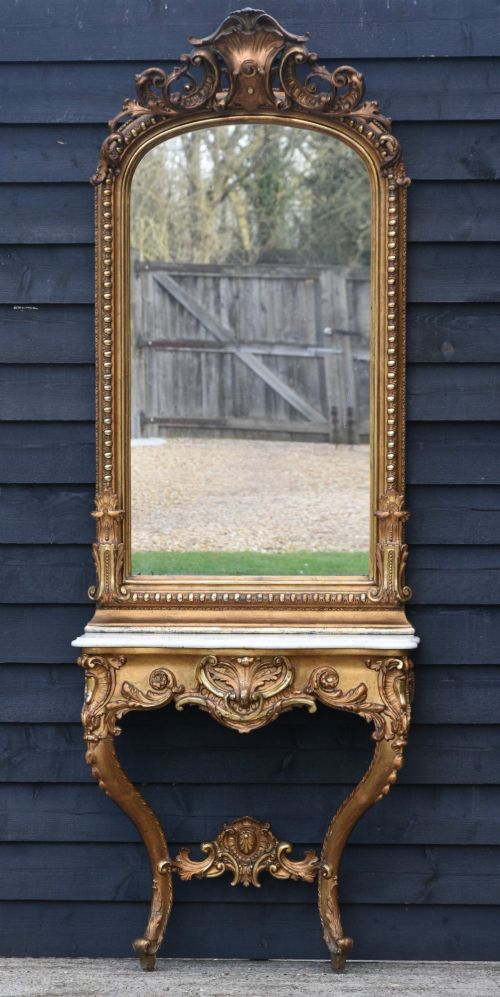
The materials and styles seen in these items range from heavily carved giltwood frames following rococo revival and neoclassical aesthetics to painted wood and ebonized finishes. Console tables often accompany the mirror as a unified set, designed specifically to fit the proportions of the glass above.
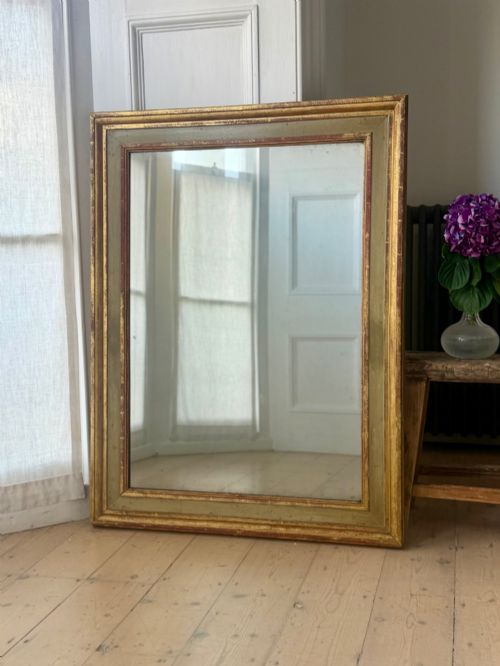
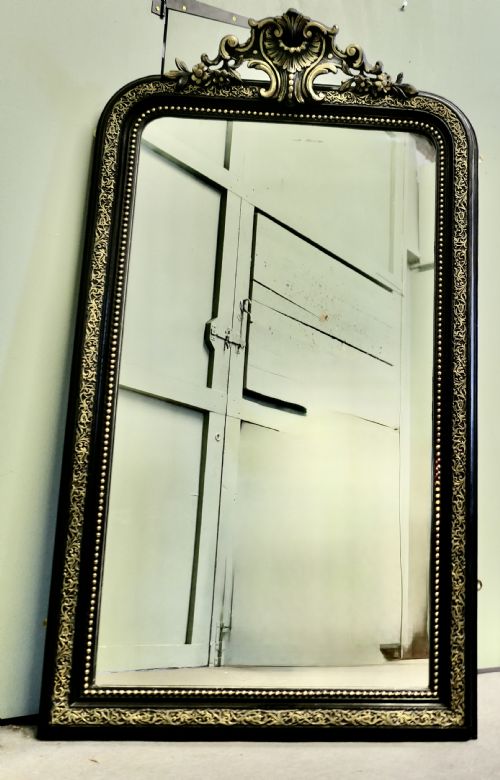
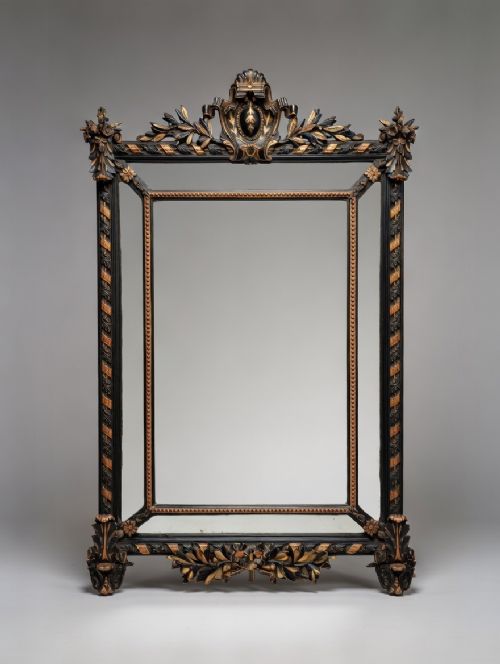
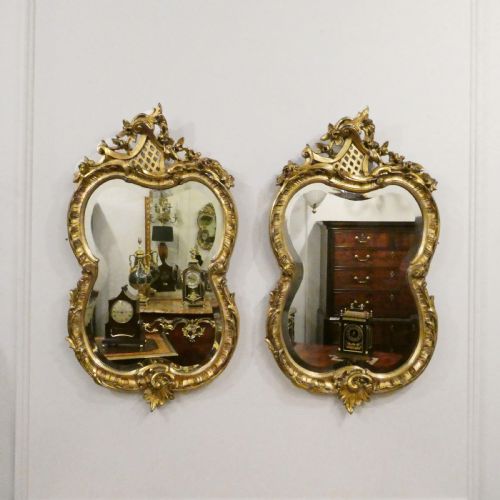
Examples on this page include tall rectangular formats, arched tops, and specialised marriage mirrors or trumeau designs featuring pastoral scenes. Their origins trace firmly through continental workshops adhering to classical motifs and regional decorative traditions.
Materials and Construction Methods
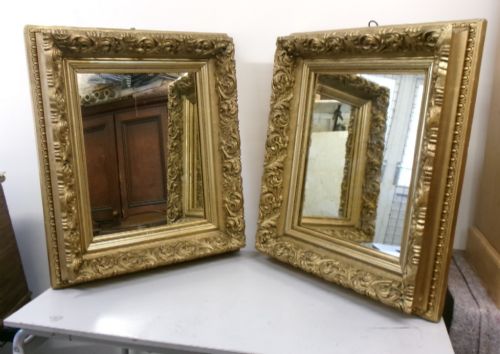
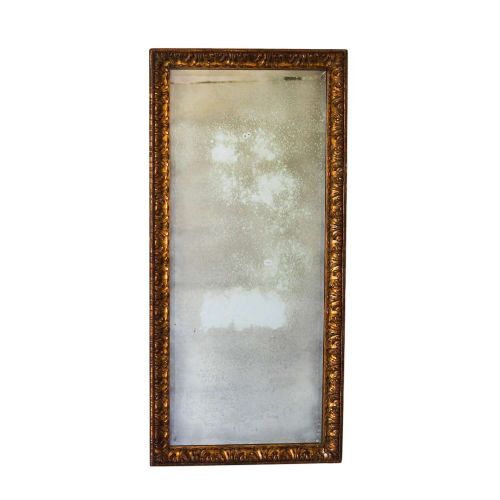
Makers constructed the structural frames of wood, applying layers of gesso to build up intricate relief ornament before gilding them with gold leaf, silver gilt, or composition details. Many plates utilise original mercury glass, which exhibits characteristic foxing, pitting, and depth through the silvering layer.
Carving on these frames varies from delicate floral motifs and classical swags to bold rococo scrolls and architectural pediments. Painted and ebonized surfaces frequently appear alongside parcel-gilt highlights, reflecting the shifting tastes of nineteenth-century French and continental design.
Distinctions in Quality and Execution
The distinction between ordinary and exceptional examples rests upon the depth and crispness of the hand-carving within the wood and gesso frame. Superior pieces demonstrate deeply undercut foliage, sharply defined classical motifs, and harmonious proportions between the glass plate and its surround.
Originality of the components plays a major role, particularly the retention of the original mercury glass plate with its authentic foxing and heavy framing backboards. The integration of matching console tables or intact pastoral oil paintings within trumeau panels elevates the sophistication of the piece.
The French Pier Glass Mirror Glossary
- Pier glass
- A tall mirror designed specifically to hang on the narrow pier of wall space situated between two windows. This placement maximised natural light reflection in period interiors.
- Trumeau
- A decorative wall panel that incorporates a painted scene, carving, or mirror glass within architectural wood framing. They often sit above mantelpieces or console tables.
- Mercury glass
- An early form of silvered mirror glass produced by pouring a liquid mercury and tin amalgam behind the glass plate. It yields a distinctive dark, mottled reflection known as foxing.
- Gesso
- A plaster-like mixture applied to wooden frame substrates to provide a smooth, buildable surface for carving and subsequent gilding. It allows for intricate relief details.
- Giltwood
- Timber frames coated with a thin layer of gold leaf applied over bole and size. This finish creates a warm, reflective metallic surface characteristic of formal antique mirrors.
- Rococo revival
- A nineteenth-century design style drawing on eighteenth-century French motifs characterised by asymmetrical scrolls, C-curves, and naturalistic shell or floral elements.
French Pier Glass Mirror: Frequently Asked Questions
Where should I hang a pier mirror?
These mirrors suit narrow wall spaces between windows, entryways, or above matching console tables where their vertical proportions balance the room. Placing them opposite a light source maximises the reflection into the interior.
Ensure the wall structure can support the substantial weight of carved wooden frames and thick glass plates by using appropriate fixings.
What is mercury glass?
Mercury glass refers to mirror plates silvered using a liquid amalgam of tin and mercury before the modern chemical silvering process was invented. This technique produces deep, atmospheric reflections with characteristic dark spots called foxing.
Such plates indicate genuine age and remain prized by collectors for their historical authenticity.
What is a trumeau mirror?
A trumeau mirror combines a glass plate with an integrated decorative panel, frequently containing an oil painting or carved wooden relief above the mirror. Originating in grand French interiors, they served as permanent architectural fixtures.
The painted scenes often depict pastoral subjects or classical figures framed within painted wood.
How do I identify the period of a mirror?
Dating relies on stylistic cues such as the symmetry of rococo revival scrolls, the severity of neoclassical straight lines, or the heavy ornament of nineteenth-century chateau pieces. Frame construction techniques and the presence of original mercury glass also provide chronological clues.
Cabinetry details on accompanying console tables help confirm the era of manufacture.