



Baroque Style Gilt Mirrors
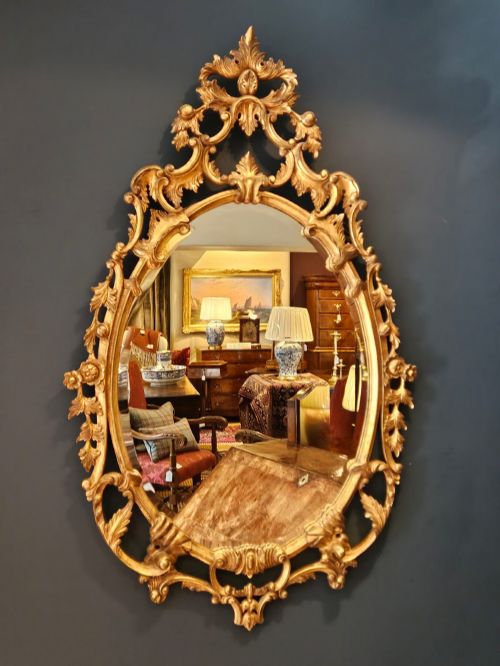
These baroque style gilt mirrors bring dramatic carved frames and reflective depth to a room, drawing the eye with rich gilded surfaces.
Baroque Style Gilt Mirrors
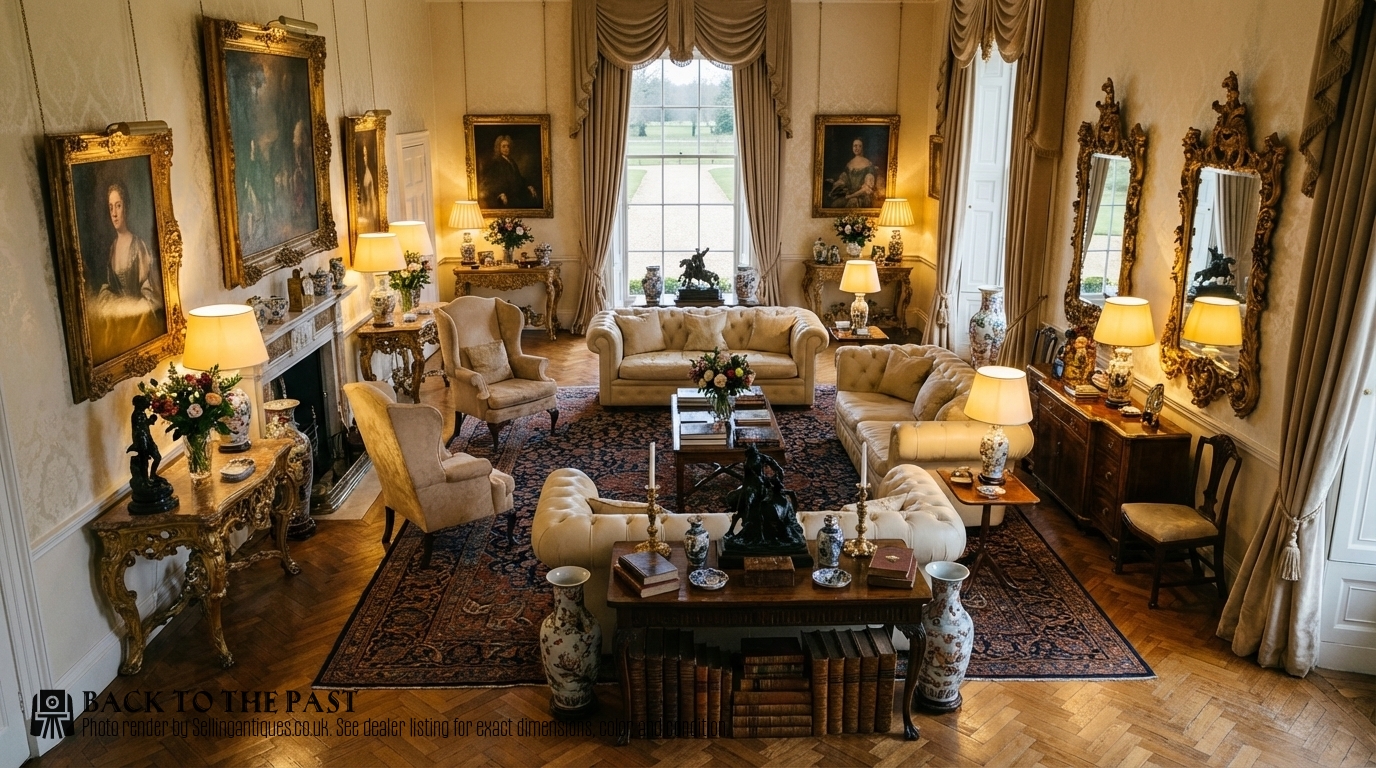
Baroque style gilt mirrors capture an ornate aesthetic rooted in seventeenth-century excess, designed to catch and amplify light within grand spaces. Buyers seeking these pieces encounter wall mirrors, overmantels, and pier glasses shaped by grand architectural influences.
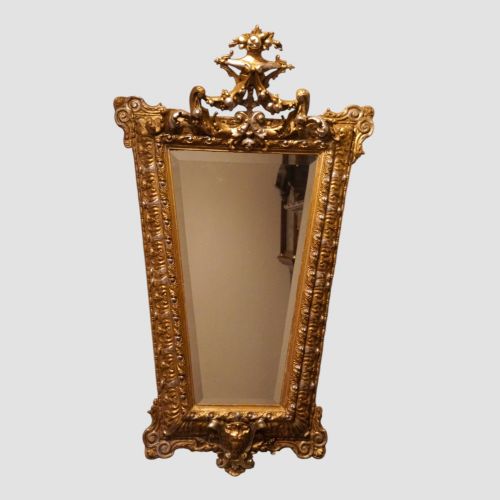
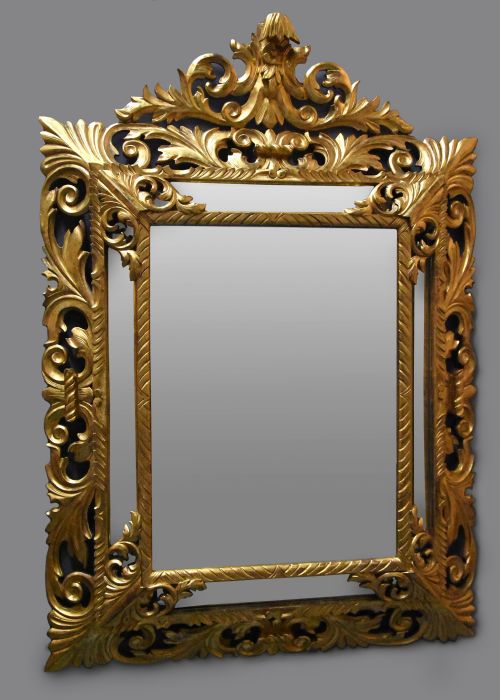
The selections available here lean heavily into nineteenth-century interpretations alongside earlier seventeenth and eighteenth-century examples, often hailing from Italian workshops in regions such as Florence. Forms range from rectangular wall hangings to deep cushion frames and grand console combinations.
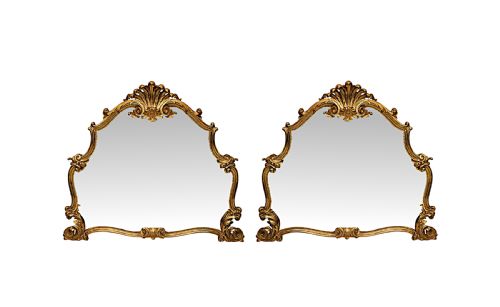
Pieces span Italian Baroque, French Baroque, and Rococo Revival movements, demonstrating how later periods reinterpreted the dynamic scrolls and heavy carving of the original era. These frames function simultaneously as functional looking glasses and substantial wall art.
Materials and Construction
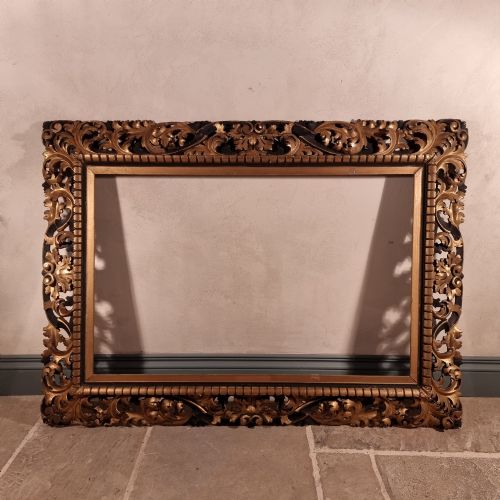
Craftsmen built these frames primarily from carved wood, utilising solid timber substrates shaped by hand before receiving decorative enrichment. Gesso was frequently applied to the wooden base to smooth surfaces and provide a crisp ground for intricate relief work.
The luminous finish relies upon the application of gold leaf or silver leaf applied directly over the prepared ground. This metal leaf surface catches ambient light and creates the characteristic warm glow associated with period gilding.
One remarkably attentive nineteenth-century Florentine frame incorporates a carved lion's head peering out from the gilt gesso decoration.
Quality and Craftsmanship
The distinction between ordinary and exceptional frames lies in the depth and crispness of the hand carving within the wood and gesso. Superior examples display undercut foliage, sharp scrolls, and confident asymmetry where appropriate, whereas lesser pieces rely on shallow moulding.
The integrity of the original gilt surface also determines standing, with genuine gold leaf ageing to a mellow tone distinct from modern metallic paints. Furthermore, the retention of original mirror glass, complete with its natural foxing and silvering loss, marks higher preservation.
The Baroque Style Gilt Mirrors Glossary
- Giltwood
- Wood that has been coated with gold leaf or metal leaf. This material forms the primary structure of the most ornate historical mirror frames.
- Gesso
- A plaster mixture applied to carved wood to create a smooth surface for gilding. It allows craftsmen to model fine details before applying leaf.
- Cushion Mirror
- A looking glass featuring a broad, convex frame that slopes outward or inward towards the glass. This profile creates a strong sculptural presence on the wall.
- Pier Glass
- A tall mirror designed specifically to hang on the wall space between two windows. They often coordinate with console tables placed directly beneath them.
- Foxing
- Age-related spots and discoloration appearing within the silver backing of antique mirror glass. Collectors view this natural degradation as proof of period authenticity.
Baroque Style Gilt Mirrors: Frequently Asked Questions
Where should I hang a large gilt mirror?
These mirrors suit principal reception rooms, grand hallways, or above a fireplace mantel where their reflective capacity maximises light. Positioning them opposite a window helps brighten darker corners of an interior.
Ensure the wall structure securely supports the considerable weight of carved wooden frames, utilising appropriate fixings designed for heavy antique hanging items.
How do I clean an antique gilt surface?
Dust the carved wooden frame gently with a soft, dry brush to prevent dirt accumulation in the recessed areas. Avoid all liquid cleaners, polishes, or moisture, which can strip away delicate gold leaf.
Clean the mirror glass separately using a minimal amount of glass cleaner applied to a cloth rather than sprayed directly onto the glass, protecting the surrounding frame from contact.
Are these mirrors genuinely seventeenth century?
While the design lineage traces back to the seventeenth century, the majority of pieces available date from the nineteenth century during revivals of earlier styles. Surviving seventeenth-century examples are exceptionally scarce and exhibit distinct signs of historical construction.
Examine the wood backing, fixings, and gesso application to understand the true age of a piece, as nineteenth-century makers frequently adopted earlier baroque motifs.
What is the difference between baroque and rococo?
Baroque design focuses on symmetry, monumental scale, and rich, heavy ornamentation designed to project power and grandeur. The carved elements remain robust and architecturally grounded.
In contrast, the later rococo style introduces asymmetrical C-scrolls, lighter pastel aesthetics, and motifs inspired by natural shells and fluid water forms.