

Large Gold Frame Mirrors
Large gold frame mirrors bring scale, reflected light and architectural presence to a room, drawing the eye instantly.
Large Gold Frame Mirrors
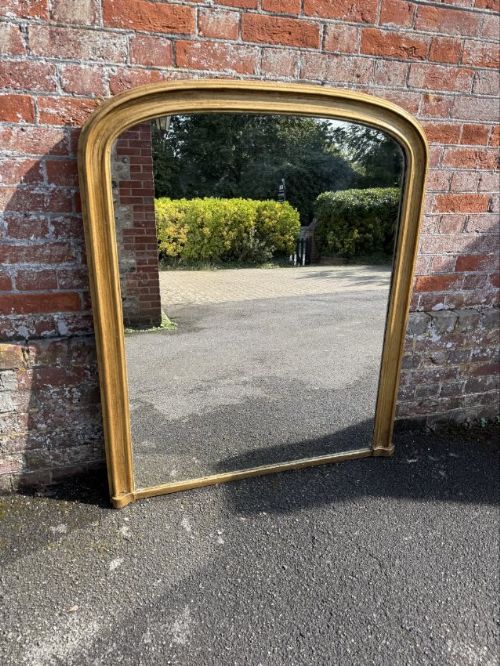
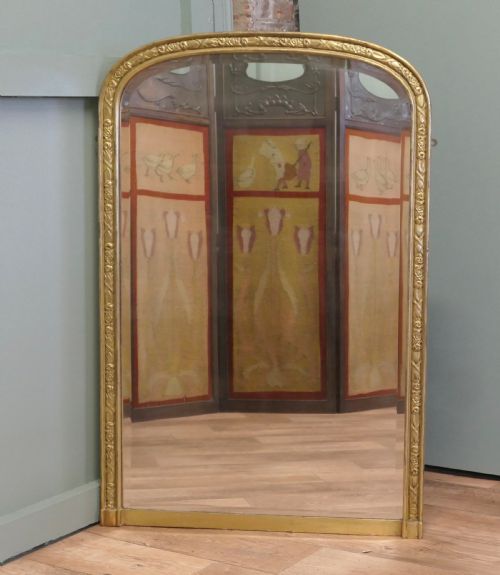
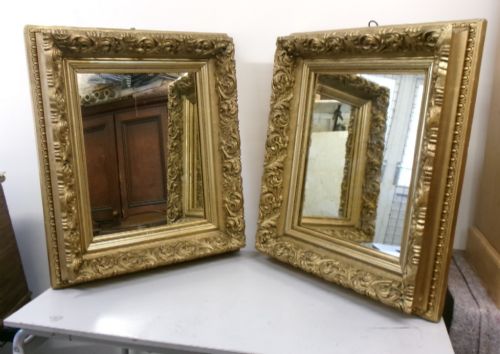
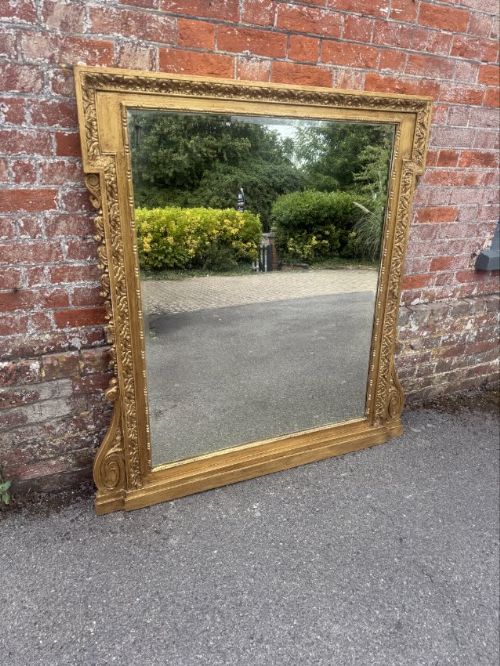
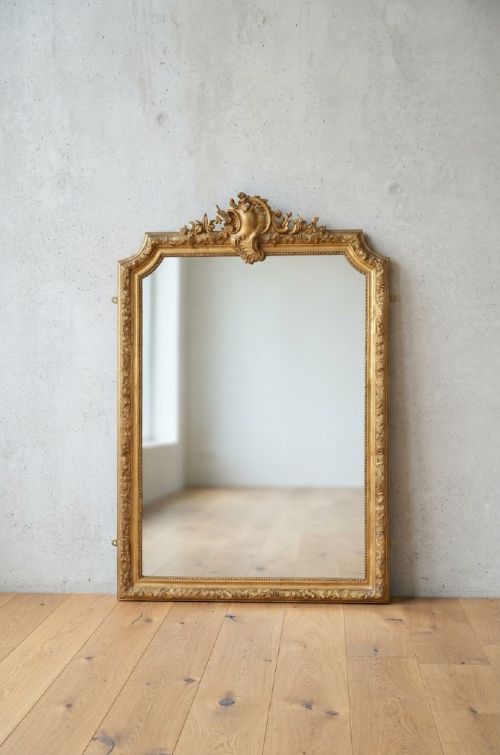
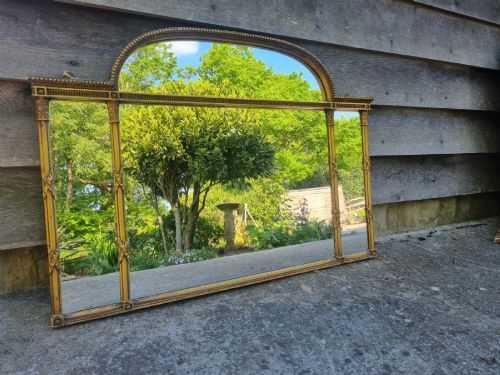
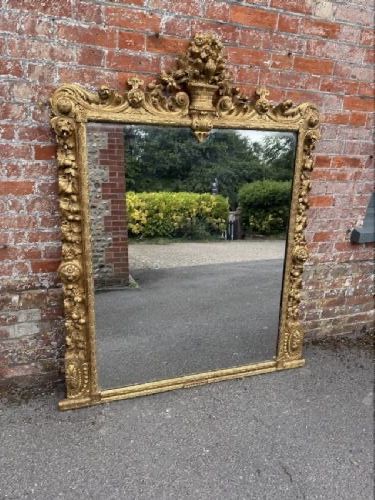
Large gold frame mirrors are substantial wall and overmantel pieces designed to anchor a room, appearing frequently in Victorian, Regency and French styles. The most common iteration met here is the nineteenth-century overmantel mirror, often shaped with an arched top to fit above a fireplace.
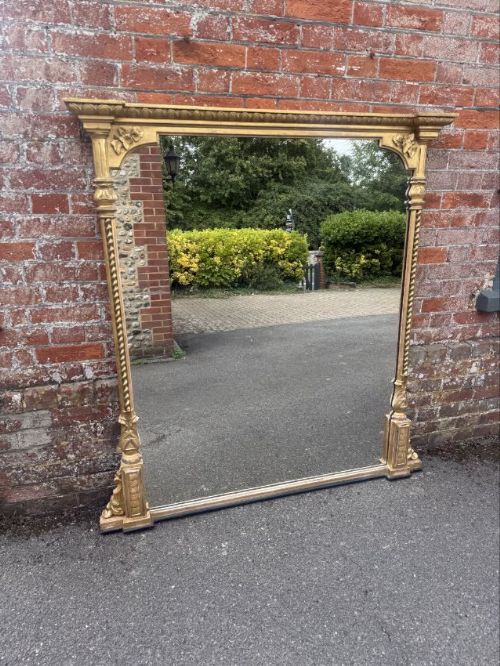
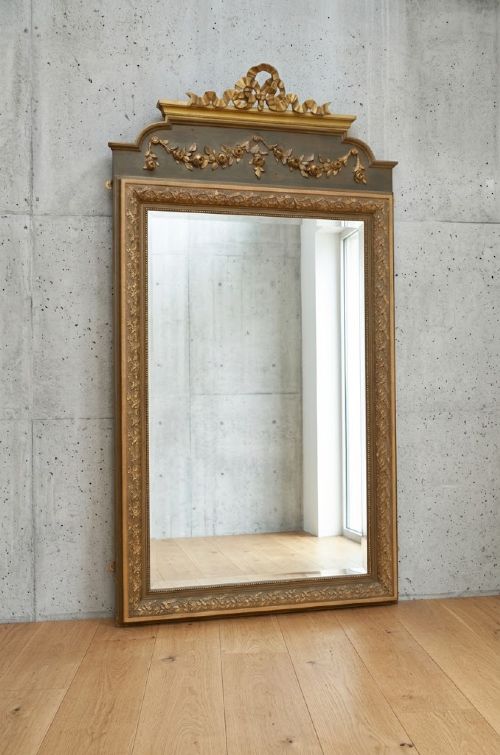
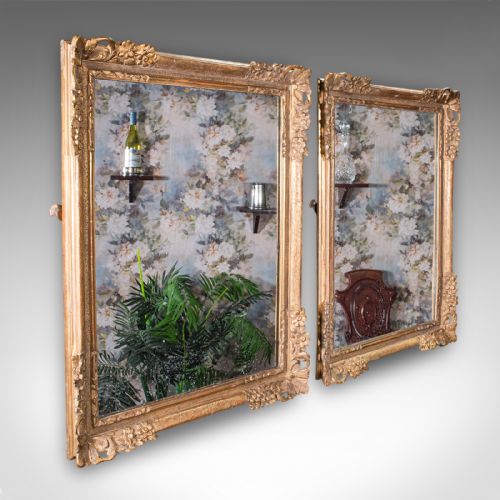
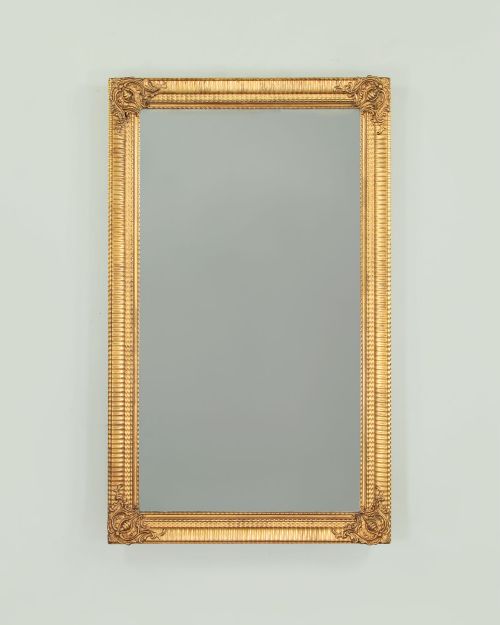
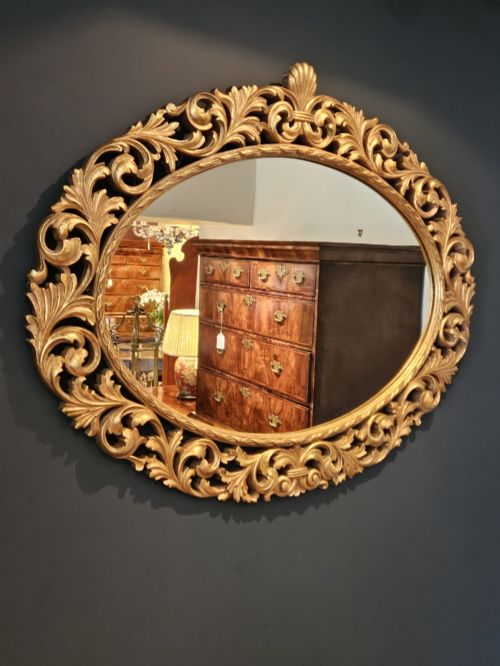
Beyond overmantels, buyers encounter tall pier mirrors, oval wall mirrors, and architectural frames originating from English and French workshops. These pieces span periods from the Georgian era through to the early twentieth century, incorporating decorative elements such as rope twists, columns and ribbon crests.
Crafting the surface
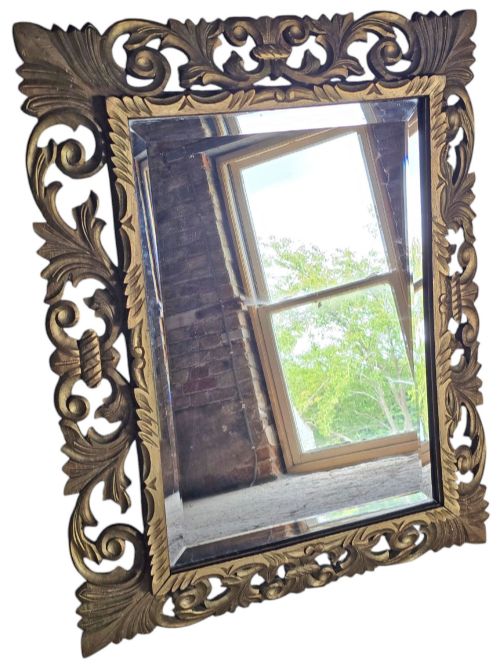
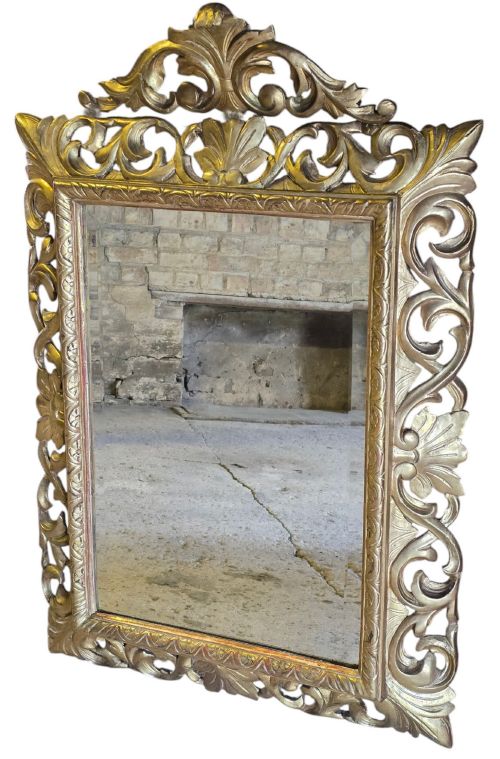
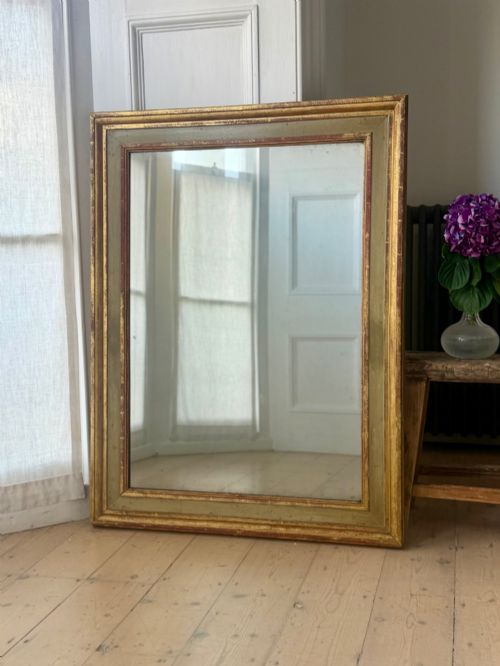
Makers built the structural foundation using carved wood, timber or composition materials, often applying layers of gesso to create smooth surfaces for ornamentation. Giltwood, gold leaf and parcel gilt finishes were then applied to achieve the characteristic metallic sheen.
Reflecting plates frequently consist of traditional mercury glass or period plate glass, sometimes exhibiting natural foxing over time. Frames combine structural joinery with intricate moulded or carved details, ranging from simple ribbed borders to deep relief carvings.
Some frames incorporate hidden nautical rope twists, proving that nineteenth-century carvers liked to sneak the sea into the drawing room.
Judging quality
Quality rests upon the depth and crispness of the hand-carved wood and gesso ornamentation, where sharply defined motifs indicate skilled craftsmanship. Superior examples retain their original gilding and glass plates rather than later replacements.
Proportion and structural integrity also separate standard examples from finer pieces, particularly in heavy overmantels where substantial frames must remain stable and true. The nuance of the gilt finish, whether matte or burnished, dictates the visual weight of the piece.
The Large Gold Frame Mirrors Glossary
- Overmantel mirror
- A large mirror specifically designed to be hung on the wall directly above a mantelpiece. These often feature low centres of gravity and wide formats.
- Gesso
- A plaster-like mixture applied to wood frames to create a smooth surface for carving or gilding. It allows for intricate relief details.
- Mercury glass
- A type of silvered glass produced by pouring a liquid mercury amalgam between double-walled glass, often showing characteristic foxing spots as it ages.
- Pier mirror
- A tall, narrow mirror designed to hang on the wall space between two windows, known as the pier. They frequently include candle sconces or decorative consoles.
- Parcel gilt
- A finish where only specific portions of a wood or painted surface are gilded with gold leaf, leaving other areas exposed or painted.
Large Gold Frame Mirrors: Frequently Asked Questions
Where should I hang a large overmantel mirror?
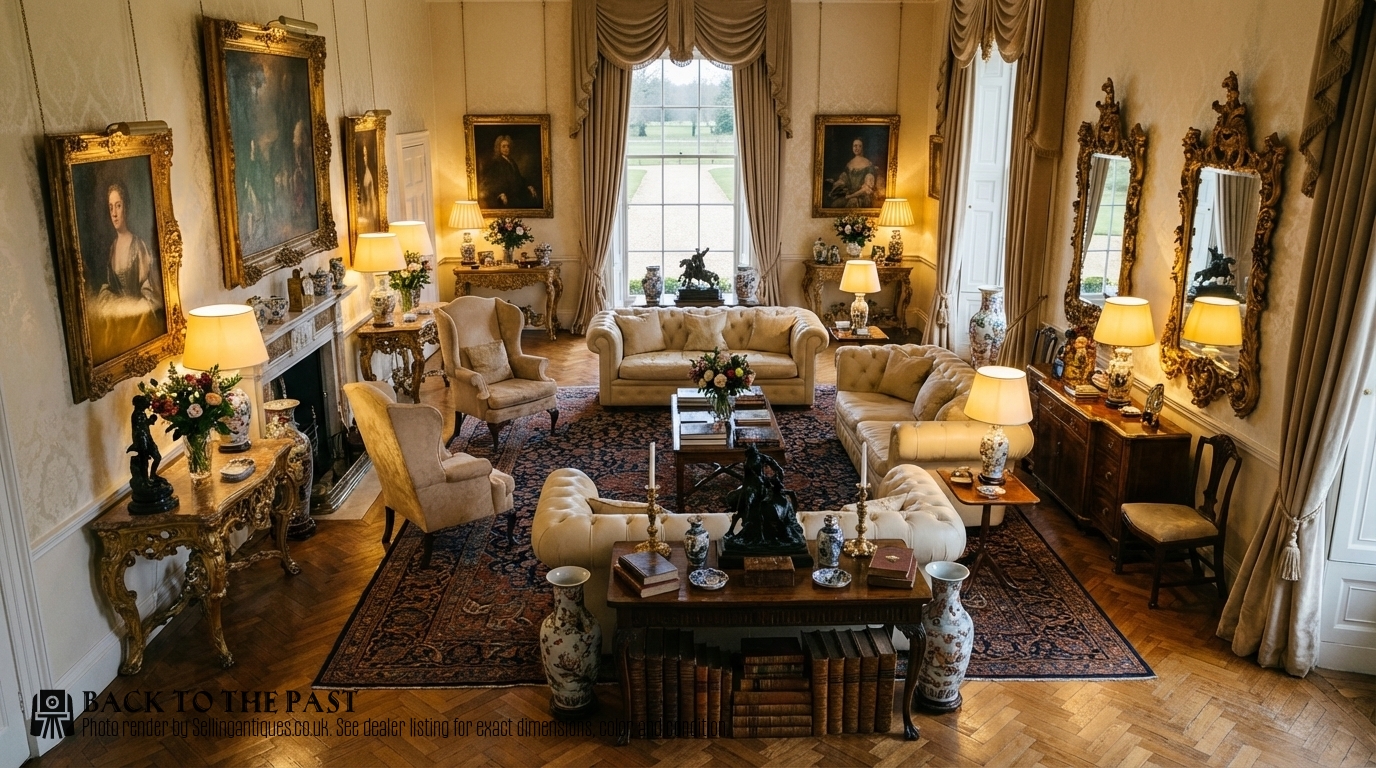
These pieces were traditionally positioned directly above a fireplace mantel to reflect light and fill vertical wall space. They also work effectively on main living room walls to anchor large furniture arrangements.
Ensure the wall construction and fixings can support the substantial weight of timber and gesso frames before mounting.
How do I identify a French nineteenth-century mirror?
French pieces often display distinct stylistic markers such as Louis Philippe rounded upper corners, crests with ribbons, or painted details alongside gilding. They frequently utilise mercury glass plates that develop characteristic dark spots over time.
English equivalents of the same period tend to favour architectural columns, rope twists or heavy arched crests.
What is foxing on mirror glass?
Foxing refers to the small brown spots and patches that appear within older glass plates as the silvering backing degrades. This chemical ageing process is natural in antique mercury glass.
Many collectors value original glass with foxing because it confirms the authenticity and age of the piece.
Are these mirrors heavy?
Constructed from solid timber, thick glass plates and dense gesso layers, these frames possess considerable physical weight. Proper wall anchors and professional installation are essential for safety.
The weight generally increases with nineteenth-century overmantel and pier formats.