


French Country Floor Mirror
These french country floor mirror pieces bring genuine nineteenth-century character and scale into a room, offering both practical reflection and time-worn decorative presence.
French Country Floor Mirror
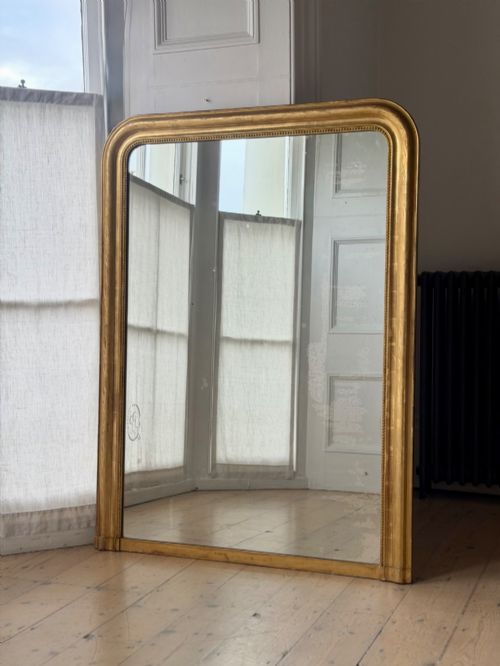
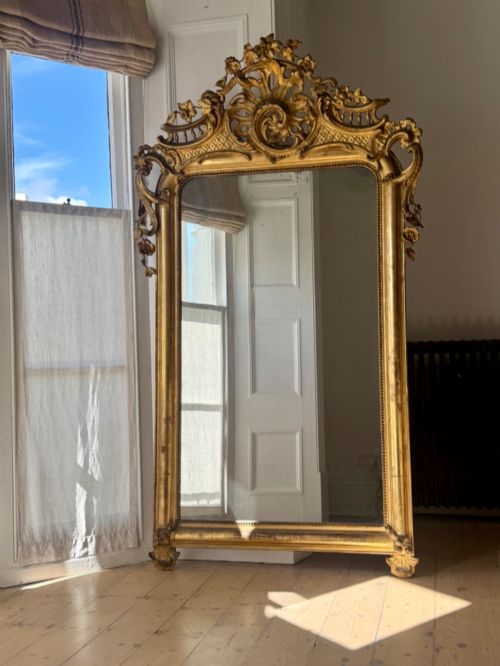
A french country floor mirror most frequently appears as a cheval mirror or a tall wall-hanging glass, rooted in nineteenth-century French design traditions. The selection currently centres on large formats dating from eighteen-fifty to nineteen-twenty, encompassing styles from the Victorian era to French Rococo Revival and the French Chateau aesthetic.
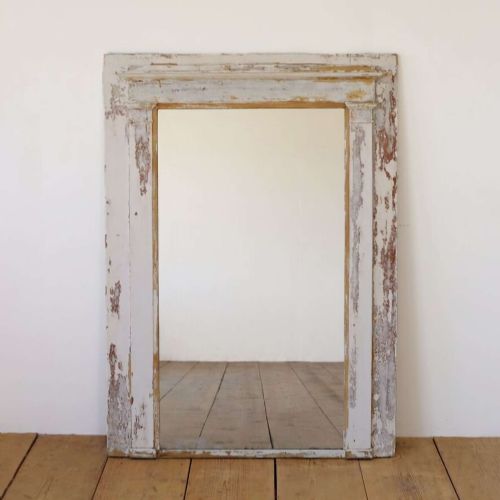
Buyers encounter substantial wooden frames shaped with arches or curves, often finished with painted surfaces or gilding. These pieces serve both functional dressing purposes and grand decorative roles within domestic spaces.
How they were made
Frames are constructed from solid timbers such as mahogany and scrubbed oak, alongside carved wood foundations built to support heavy glass. Artisans applied layers of gesso to wooden bases to create smooth surfaces ready for gilding or painting.
The glazing relies on traditional techniques, including mercury glass seen in eighteenth-century examples, which produces a characteristic speckled reflection. Carved details are executed directly into the wood or moulded in gesso before finishing.
Early mirror plates often possess tiny imperfections that capture candlelight with a warm, uneven shimmer no modern glass can replicate.
What varies in quality
Quality rests in the crispness of the hand-carved wood details and the depth of the original painted or gilded surfaces. Pieces showing layered, authentic patination on the gesso and wood stand apart from later, uninspired reproductions.
The proportion and scale of the frame dictate the visual impact, with larger arched and shaped top mirrors demanding greater joinery skill to remain stable. The preservation of the original mercury glass plate further elevates the standing of an individual piece.
The French Country Floor Mirror Glossary
- Cheval mirror
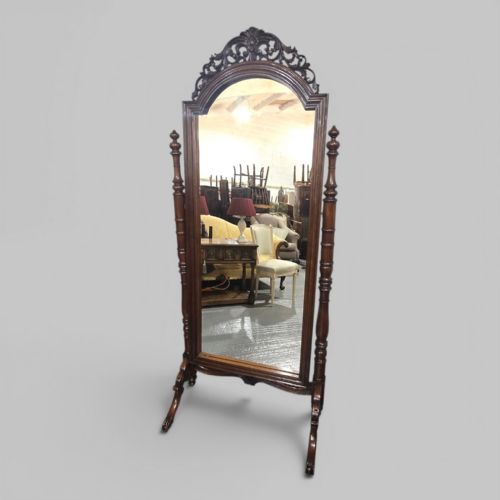
- A freestanding full-length mirror hung on a pivoting frame within vertical floor posts. This form allows the glass to tilt for different angles of view.
- Gesso
- A plaster-like mixture applied to wood frames to create a smooth base for gilding or painting. It accepts fine carving and moulding work exceptionally well.
- Mercury glass
- A double-walled glass blown in the nineteenth century with a silvering mixture inserted between the layers. It creates a cloudy, atmospheric reflection unique to older mirrors.
- Giltwood
- Timber that has been decorated with a thin layer of gold leaf. This finish catches the light and adds warmth to antique interiors.
- Louis XV
- A decorative style characterised by asymmetrical curves, scrollwork, and natural motifs like leaves and flowers. It heavily influences later nineteenth-century revival pieces.
French Country Floor Mirror: Frequently Asked Questions
What is the difference between wall and cheval mirrors?
Wall mirrors are designed to be secured directly to vertical surfaces using appropriate fixings for their weight. They remain static once hung and suit placement above furniture or as architectural focal points.
Cheval mirrors stand independently on the floor supported by a frame and pivot mechanism. They provide a full-length movable reflection ideal for dressing areas.
How do I date a nineteenth-century French mirror?
Examine the construction methods of the wooden frame, the composition of the gesso, and the backboards if present. Hand-cut fixings and early joinery clues help narrow down the decade of manufacture.
The characteristics of the glass plate, such as mercury backing or hand-beveled edges, provide further chronological evidence. Stylistic markers like Rococo Revival curves also point to specific periods within the eighteen-hundreds.
Where should I place a large floor mirror?
Position large mirrors opposite windows to maximise natural light and create an illusion of expanded space in smaller rooms. Ensure the wall or floor surface is entirely stable and capable of supporting substantial weight.
Keep them away from areas prone to excessive dampness or direct heat sources that could dry out the historic wood and gesso. Clearance is also needed if the piece involves a pivoting cheval stand.