
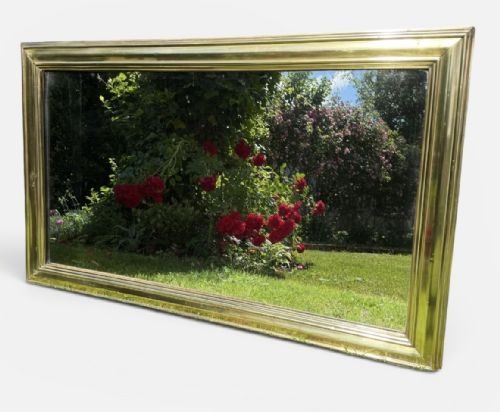


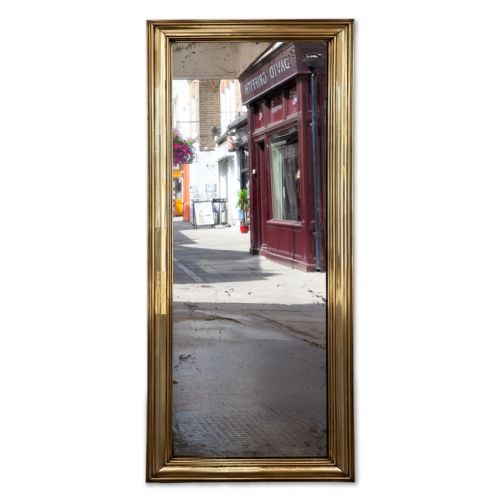


Antique Bistro Wall Mirror
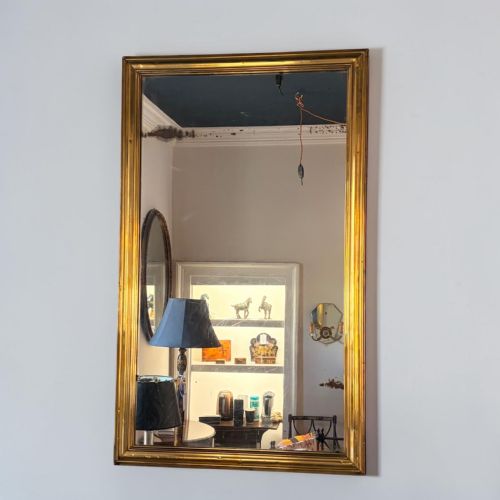
An antique bistro wall mirror brings French interior character and reflected light into a room, drawing the eye with its aged glass and substantial frame.
Antique Bistro Wall Mirror
An antique bistro wall mirror is a French regional wall hanging, frequently taking the form of a brass or carved wooden frame designed for commercial or domestic interiors. You will find pieces spanning from the mid-nineteenth century into the early twentieth century, reflecting classic French design motifs.
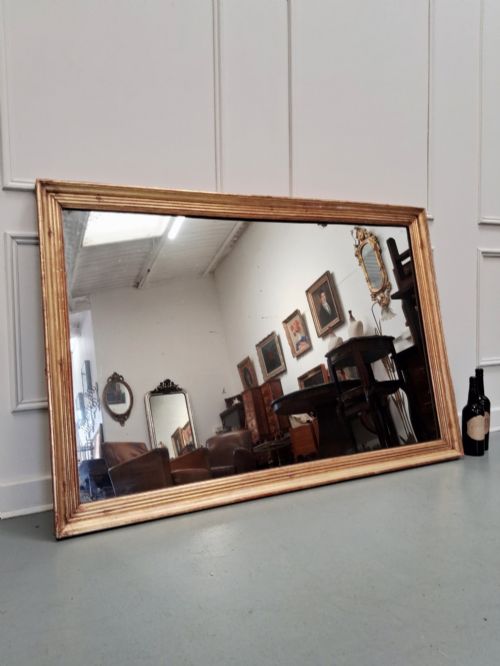
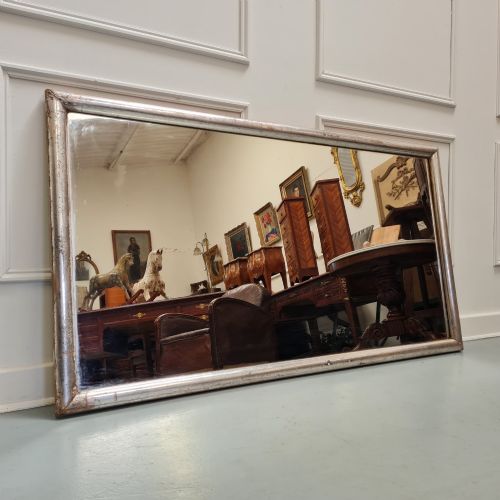
The selections available include tall pier mirrors, overmantels, and portmanteaus paired with coat racks or advertising boards. Brass frames and painted or gilded wood predominate, often housing original distressed mirror plates with deep patination.
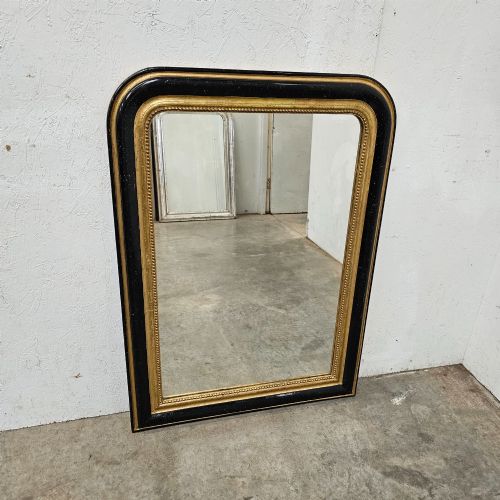
Louis Philippe profiles and French Provincial styles appear regularly amongst the listings, offering plain or decorative surrounds suited to living spaces and hallways. These mirrors range from compact wall units to large scale examples exceeding five feet in height.
Assessing quality
Quality rests in the integrity of the original glass plate and the depth of the frame's hand-carved detailing. Superior examples retain their early silvering with authentic foxing, avoiding modern replacement glass.
The craftsmanship of the framing separates standard production from finer pieces, visible in heavy brass gauges, solid oak foundations, and finely burnished gesso work on carved wooden surrounds.
Current listings feature materials including glass, wood, brass, paint, timber, giltwood, gesso, and gilt across the nineteenth and early twentieth centuries.
The Antique Bistro Wall Mirror Glossary
- Foxing
- The natural age-related spots and discoloration appearing within the silvering of antique mirror glass. This chemical oxidation creates dark speckles that collectors prize for authenticity.
- Louis Philippe
- A mid-nineteenth century French style characterised by a gently rounded upper corners and a plain or modestly moulded frame. It balances neoclassical restraint with domestic warmth.
- Gesso
- A plaster mixture applied to wood frames as a smooth base for subsequent gilding or painting. Traditional gesso is built up in thin layers before being carved or polished.
- Portmanteau
- A combination piece incorporating a wall mirror with integrated coat hooks or umbrella stands. These multifunctional furnishings originated in French hospitality and commercial spaces.
Antique Bistro Wall Mirror: Frequently Asked Questions
How do I date a French bistro mirror?
Dating relies on examining the frame construction, hardware, and the characteristics of the mirror plate itself. Nineteenth-century examples often feature hand-beveled or thick cast glass with characteristic edge irregularities.
Secondary indicators include the type of wood used for backing boards and the composition of the gesso or gilding layers. Comparing the overall proportion to established periods like Louis Philippe helps narrow the decade of manufacture.
Are the mirror plates original?
Many surviving pieces retain their original mercury or early silvered glass plates, identifiable by uneven reflection and natural foxing. Original plates exhibit organic ageing patterns that modern manufacturing cannot replicate.
Replacements typically show uniform reflectivity without the characteristic dark spots or clouding found in genuine nineteenth-century glass. Inspecting the edges through the frame rebate often reveals the depth and backing of the historic plate.
What is a portmanteau mirror?
A portmanteau mirror is a combined hall fixture featuring an integrated mirror plate alongside coat hooks, hat pegs, or umbrella storage. French bistros and grand homes utilised these pieces in entryways to combine multiple practical functions into a single wall-mounted unit.
The presence of original brass or cast iron hardware adds significant character and confirms the piece's utilitarian origins. They serve as striking focal points in modern hallways while retaining their historical purpose.