
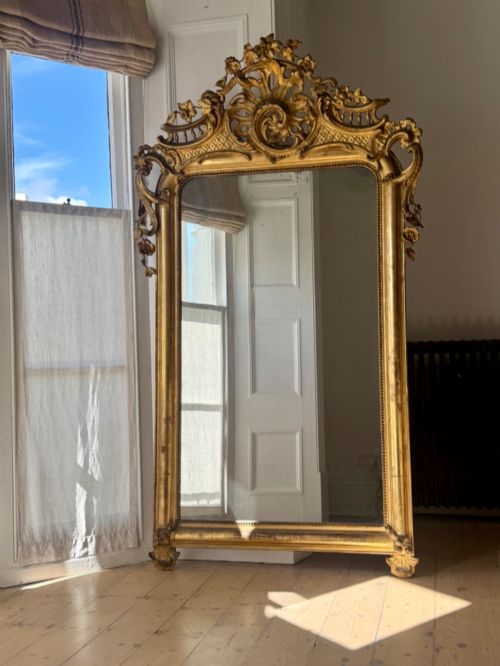
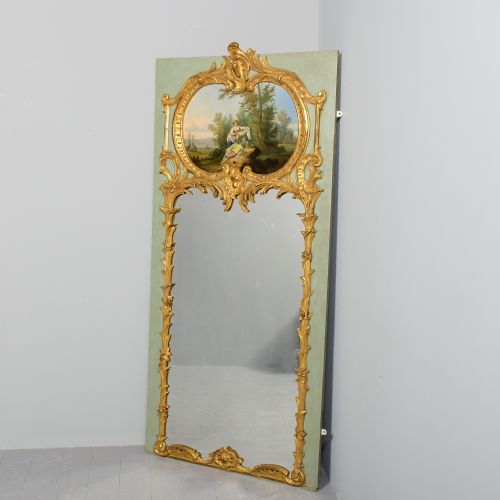


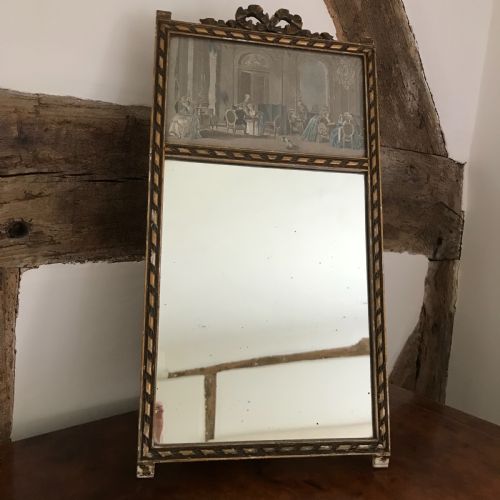
Louis XV Trumeau Mirror
A louis xv trumeau mirror brings architectural presence and antique charm to a room, combining painted or gilt woodwork with integrated panels.
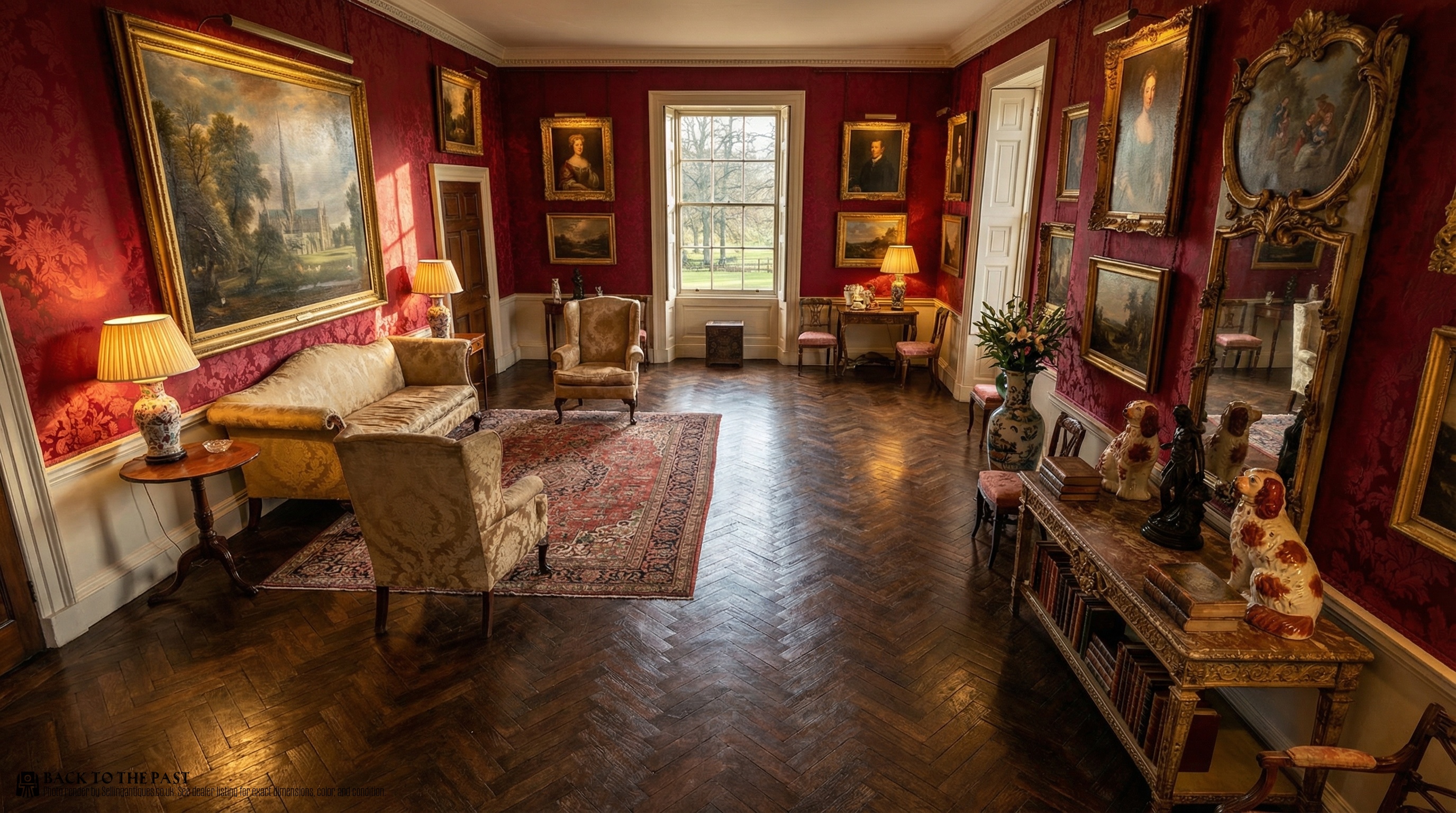
Louis XV Trumeau Mirror
A louis xv trumeau mirror integrates a wall mirror with a decorative wooden panel, designed to mount flush against a wall or above a fireplace. These pieces emerge in forms such as trumeau pier mirrors and overmantle mirrors, alongside console table and mirror sets.
The pieces on this page span the eighteenth century and the nineteenth century, including Revival periods up to the twentieth century. Most examples originate from France, capturing styles from French Rococo and Neoclassical to French country aesthetics.
Buyers most frequently encounter nineteenth century interpretations alongside authentic eighteenth century originals. Wall mirrors and table mirrors also appear, reflecting the enduring popularity of French chateau interior design.
Materials and construction
Carved wood forms the structural base, utilising walnut and softwoods coated in gesso before receiving paint, parcel gilding or gold leaf application. Canvases are frequently incorporated into the upper panels to hold oil paintings.
Glass plates, including mercury glass, are fitted into the frames to create the reflective surface. Giltwood and painted wood finishes dominate the visible surfaces, finished with hand-applied gold leaf or traditional paint layers.
Louis XV Trumeau Mirror Retail Price Guide 2026
Typical asking prices for louis xv trumeau mirror among the pieces listed under this phrase on Sellingantiques today, from the lower quarter to the upper quarter. They describe what is for sale here now, not the wider market.
Object types include wall mirrors, easel mirrors, and complete console table and mirror sets originating from France.
What separates the better pieces
The depth and crispness of the wood carving dictate the visual impact, where hand-chiseled detail outperforms mechanical shaping. Original surfaces, whether early paint or genuine gilding, hold more character than later overpainting.
The preservation of the original mercury glass plate and the integrity of the integrated canvas panel influence the overall authenticity. Proportions between the mirror plate and the upper decorative section determine the balance of the piece.
The Louis XV Trumeau Mirror Glossary
- Trumeau mirror
- A decorative wall mirror featuring an architectural wooden frame with an integrated panel above the glass. This panel often contains a painted scene or carved detail.
- Mercury glass
- An early type of silvered glass created by pouring a mercury and tin amalgam behind the glass plate. It produces a mottled, dark reflection.
- Gesso
- A plaster mixture applied to wood frames to create a smooth surface for gilding or painting. It allows for intricate relief ornamentation.
- Giltwood
- Timber decorated with thin sheets of gold leaf applied over a prepared gesso base. This finish provides a warm, reflective metallic sheen.
- Pier mirror
- A tall wall mirror specifically designed to hang on the wall space between two windows. These pieces often coordinate with matching console tables.
Louis XV Trumeau Mirror: Frequently Asked Questions
How do I hang a heavy trumeau mirror?
These architectural mirrors require secure fixing directly into wall studs or masonry using heavy-duty brackets. The substantial weight of the timber frame and glass demands professional installation.
Ensure the hanging wire or integrated mounting plates are rated for the total weight of the piece. Distributing the load evenly prevents structural strain on the antique frame.
Where should I place a trumeau mirror?
Traditional placement includes mounting the mirror directly above a fireplace mantel or on a prominent wall between windows. This positioning maximises natural light reflection and anchors the room's proportions.
Pairing a tall pier mirror with a matching console table creates a cohesive focal point in an entryway or formal reception room.
How do I clean antique mirror glass?
Clean the glass surface gently using a soft, dry microfiber cloth to remove dust. Avoid harsh chemical cleaners that can damage fragile antique silvering or seep behind the frame.
If moisture is necessary, apply a mild soap solution to the cloth rather than spraying directly onto the glass. Take care around the edges where mercury glass is especially vulnerable.
What is the difference between giltwood and parcel-gilt?
Giltwood describes a wooden object where the entire visible surface is covered in gold leaf. This creates a uniform metallic appearance across the carved ornamentation.
Parcel-gilt refers to a finish where only selected portions of the carved wood are gilded, leaving the underlying painted wood visible elsewhere on the frame.