


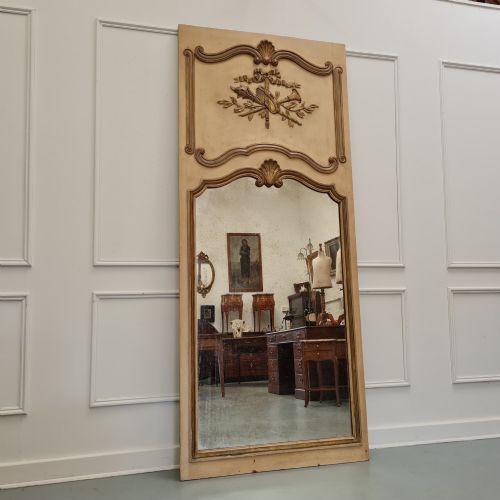


French Painted Pier Mirror
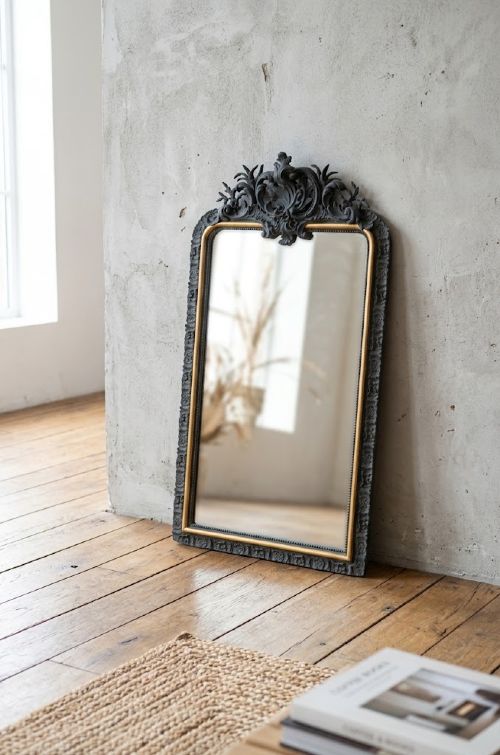
A french painted pier mirror brings height and reflected light to a room, pairing upright glass with decorative timber frames.
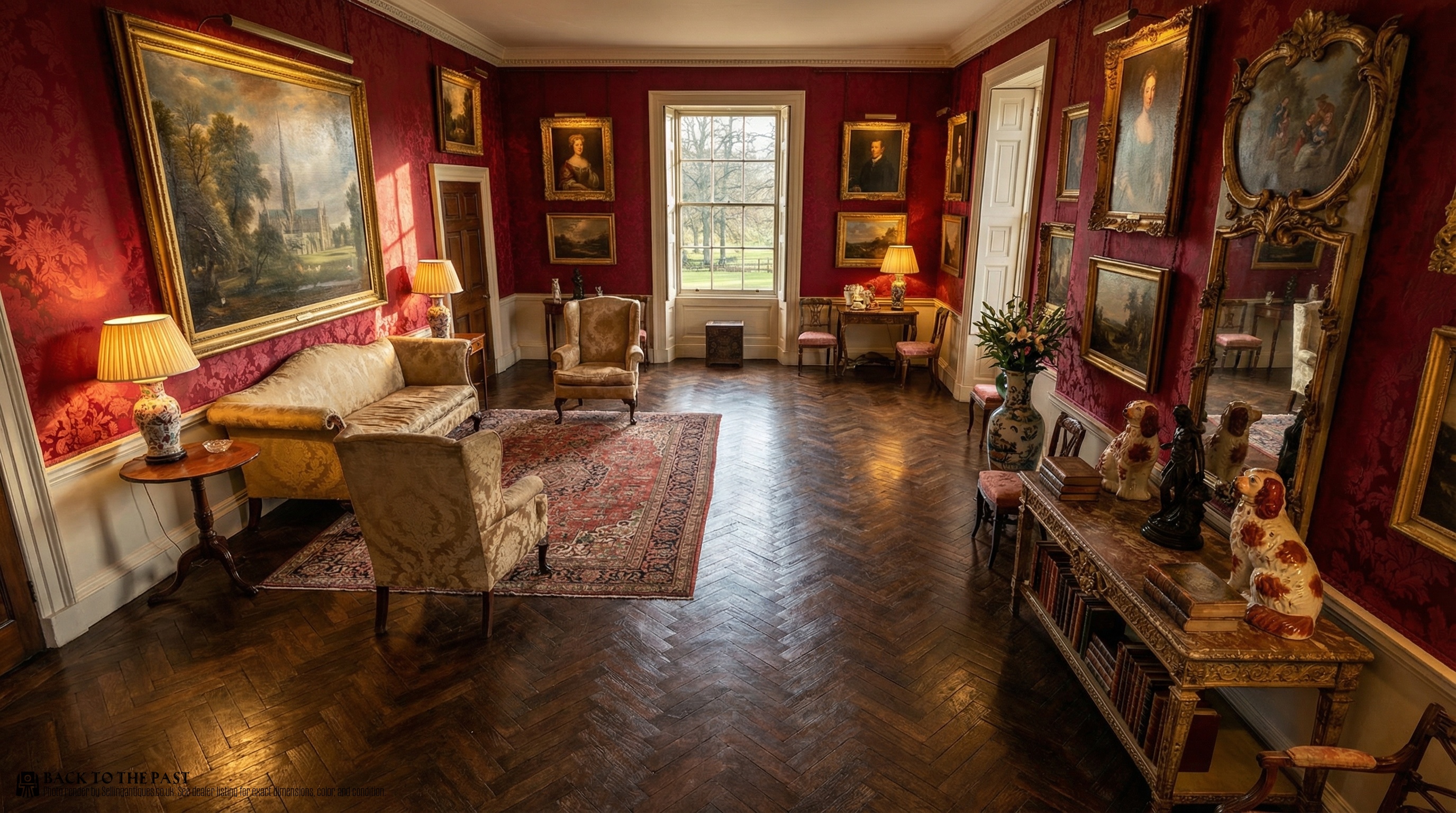
French Painted Pier Mirror
A french painted pier mirror is typically designed to hang in the narrow wall space between windows or above a console table. The selection spans the eighteenth, nineteenth, and early twentieth centuries, encompassing styles from provincial country houses to ornate chateaux.
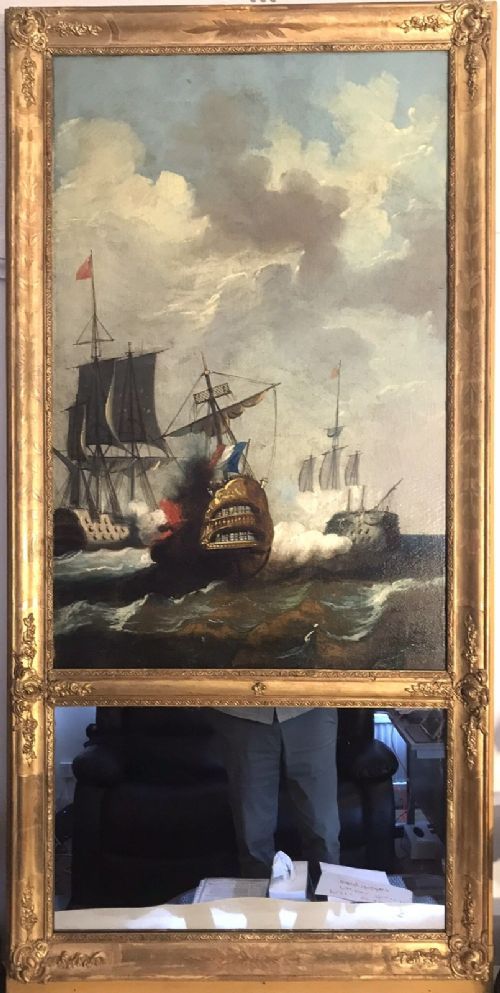
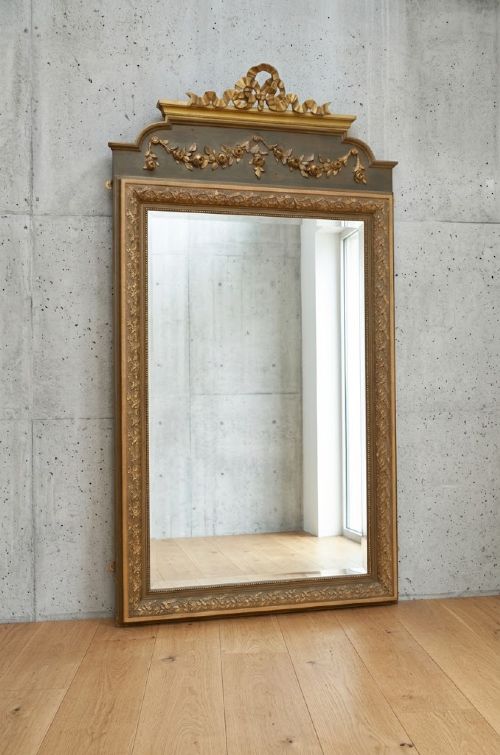
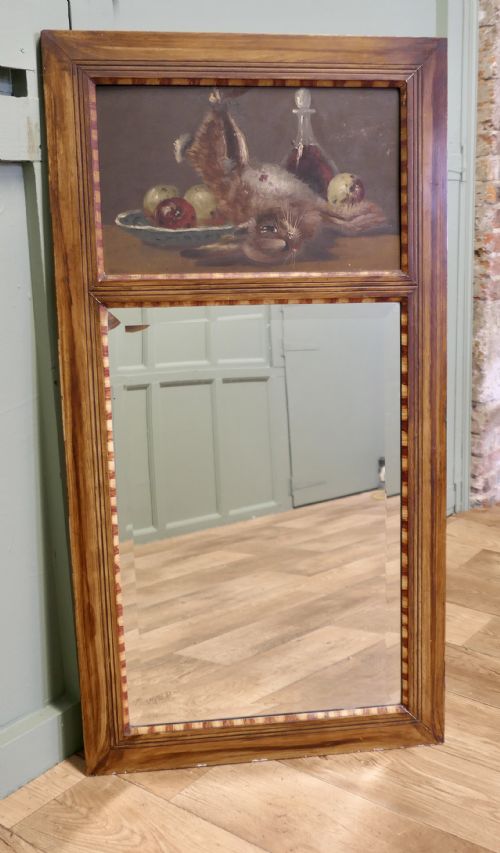
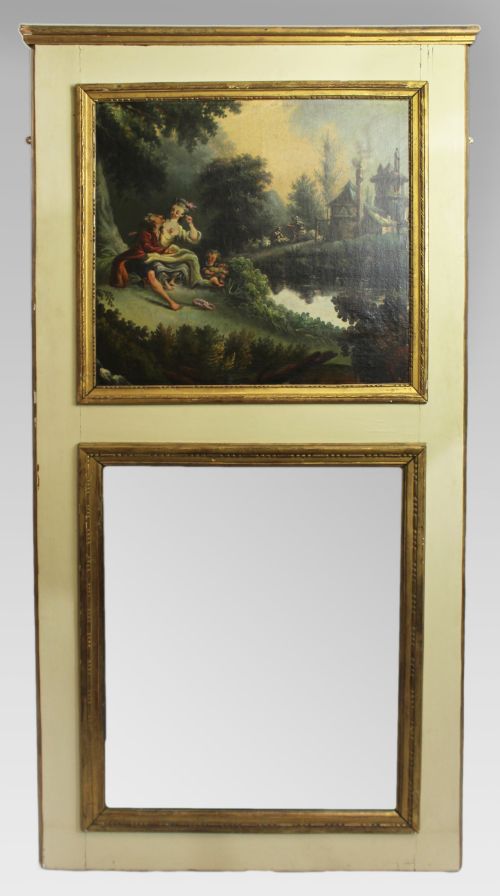
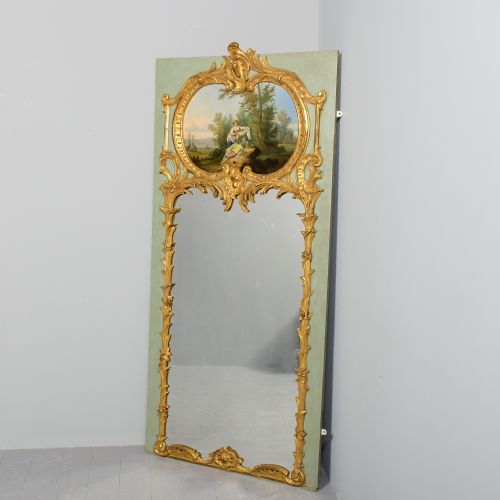
Many examples incorporate integrated artwork above the main glass plate, featuring oil paintings of landscapes, seascapes with galleons, or pastoral scenes. Forms range from simple upright rectangular frames to grand arched and trumeau designs carved with columns or ribbon crests.
Makers and artisans constructed these tall mirrors to anchor large rooms, frequently combining wood and gesso to build up decorative relief mouldings before applying paint and parcel gilding.
How They Were Made
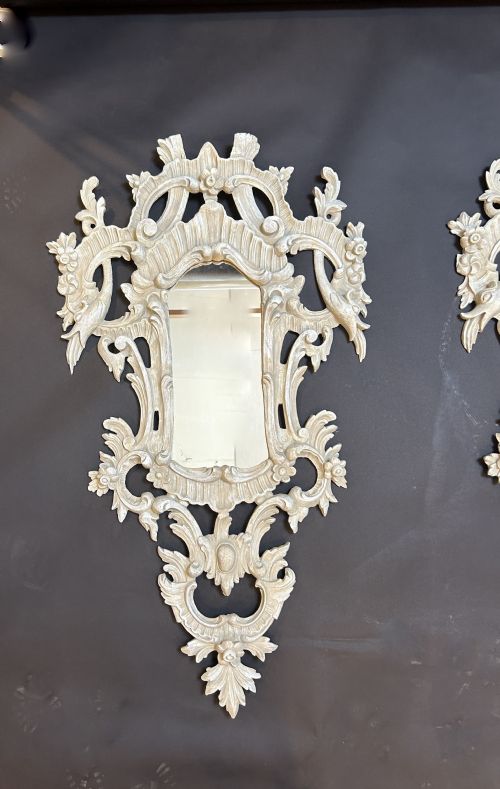
Craftsmen carved wooden frames from timber before applying layers of gesso to build up intricate surface details such as ribbing, rope twists, and column profiles. This plaster-like medium allowed carvers to achieve sharp architectural definition on the timber before finishing.
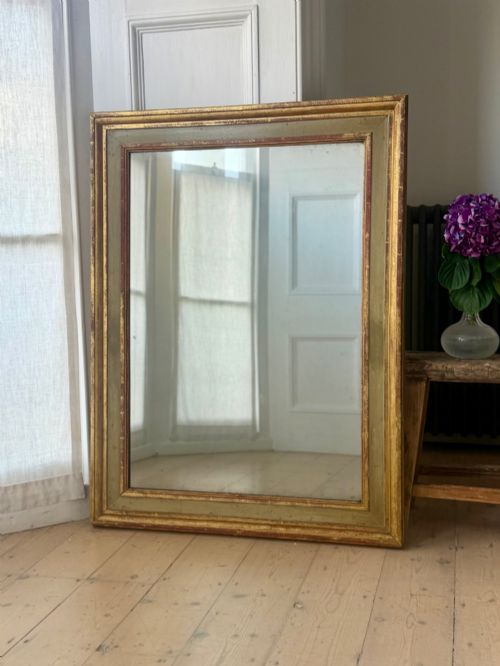
Surface decoration relied on a combination of paint, often in muted tones, ivory, or olive green, alongside gold leaf and parcel gilt highlights. Earlier examples frequently utilise original mercury glass plates, which display a characteristic mottled reflection due to the manufacturing techniques of the period.
Listings span the eighteenth to the early twentieth centuries, featuring French Empire, Rococo, and Provincial styles built from carved wood, gesso, and glass.
What Varies in Quality
The sophistication of the timber carving and the depth of the gesso mouldings set exceptional examples apart from simpler pieces. Hand-carved details with crisp architectural lines or elaborate ribbon crests demonstrate a higher standard of workshop production than plain, utilitarian frames.
The integrity of the original surface finish, whether aged paint or parcel gilding, influences the character of the object. Pieces retaining their early double plates or integrated oil paintings hold distinct artistic merit compared to later replacements.
The French Painted Pier Mirror Glossary
- Trumeau
- A decorative wall mirror featuring an integrated painted panel or artwork positioned directly above the glass plate. These architectural pieces were designed to fit specific wall spaces in period rooms.
- Pier mirror
- A tall vertical glass framed to hang in the narrow masonry space between two windows. They frequently sat above matching console tables to amplify light in a room.
- Gesso
- A plaster mixture applied to carved wooden frames to create a smooth surface for gilding and painting. It allows intricate relief ornamentations to be built up before finishing.
- Mercury glass
- An early type of mirror plate created by pouring a mercury amalgam behind the glass. This process produces a characteristic cloudy depth and irregular reflection.
- Parcel gilt
- A surface treatment where specific carved details or mouldings are partially highlighted with gold leaf over a painted base. It creates contrast against the surrounding painted timber.
French Painted Pier Mirror: Frequently Asked Questions
Where should I hang a pier mirror?
These tall vertical mirrors work best in narrow wall spaces, particularly between windows where they reflect natural light back into the interior. They are also traditionally placed directly above console tables to create a unified furniture set.
Because of their substantial height, ensure the wall fixings are secured into solid timber studs or masonry to support the weight of the carved wood and glass.
What is a trumeau mirror?
A trumeau mirror combines a vertical looking glass with an upper panel that holds a decorative oil painting or carved relief. The artwork often depicts pastoral landscapes, seascapes, or mythological scenes framed within the woodwork.
This format originated as a built-in architectural wall panel in French interiors before evolving into portable wall-hung pieces during the nineteenth century.
How do I identify mercury glass?
Mercury glass plates display a distinctive mottled, cloudy appearance where the reflective backing has aged unevenly over the decades. Older mirrors often show subtle dark spots or soft distortions rather than the uniform clarity of modern float glass.
Original double plates in nineteenth-century frames are a strong indicator of age and undisturbed authenticity.
How do I clean an antique frame?
Dust the carved wood and gesso gently with a dry, soft brush to remove surface particles without disturbing delicate painted or gilded surfaces. Avoid using liquid cleaners, moisture, or chemical polishes, which can strip historic paint layers and damage the gesso.
Glass plates can be wiped sparingly with a lint-free cloth dampened slightly with distilled water, taking care not to let moisture seep behind the frame edge.