
Vintage Painted Wall Mirror
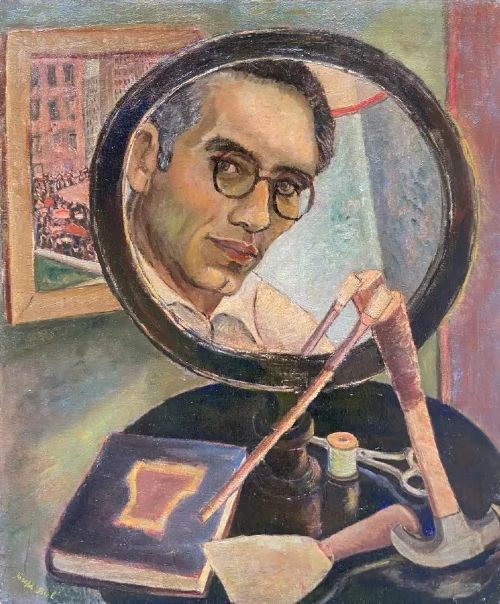
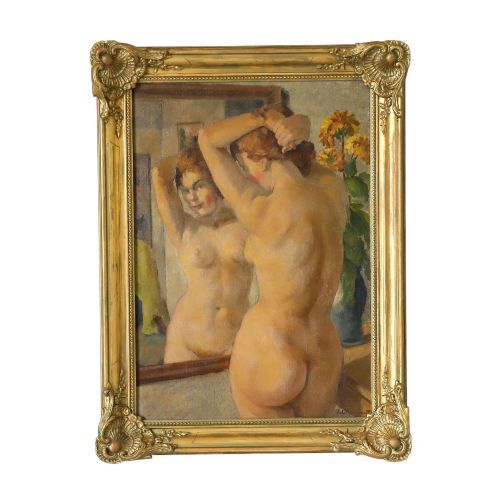
A vintage painted wall mirror brings depth and character to a room, offering functional reflection wrapped in period artistry.
Vintage Painted Wall Mirror
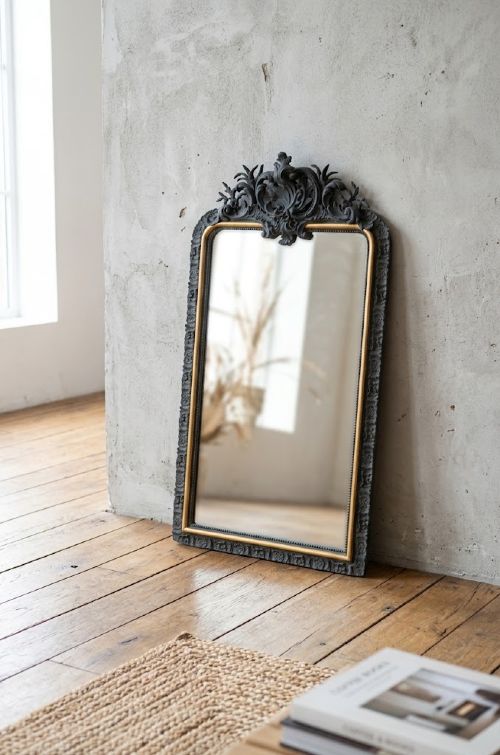
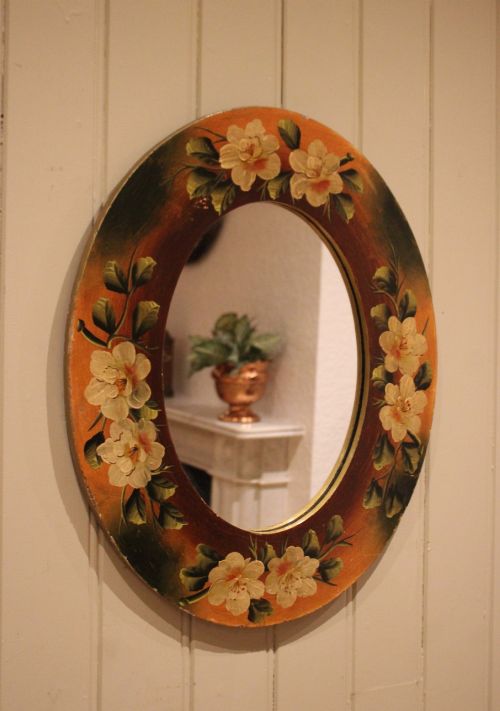
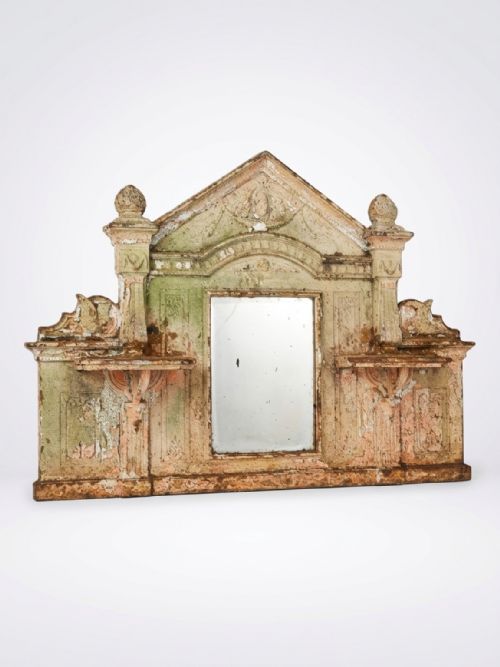
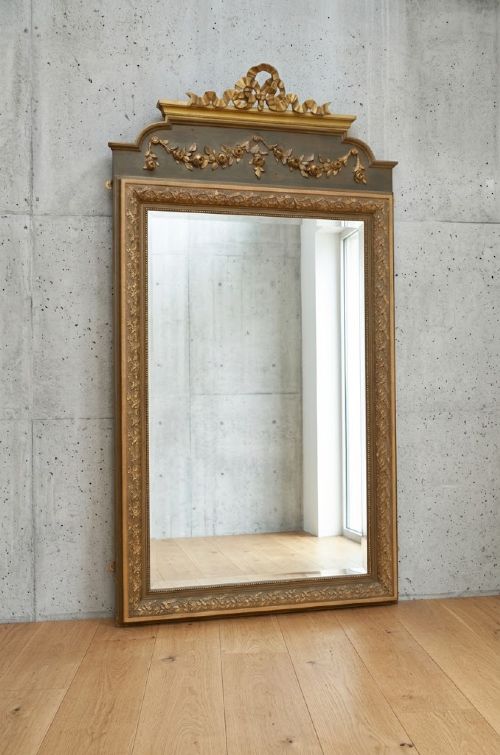
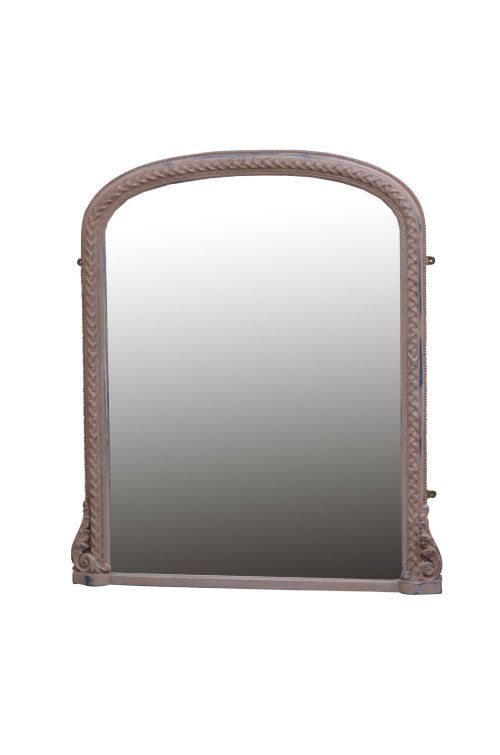
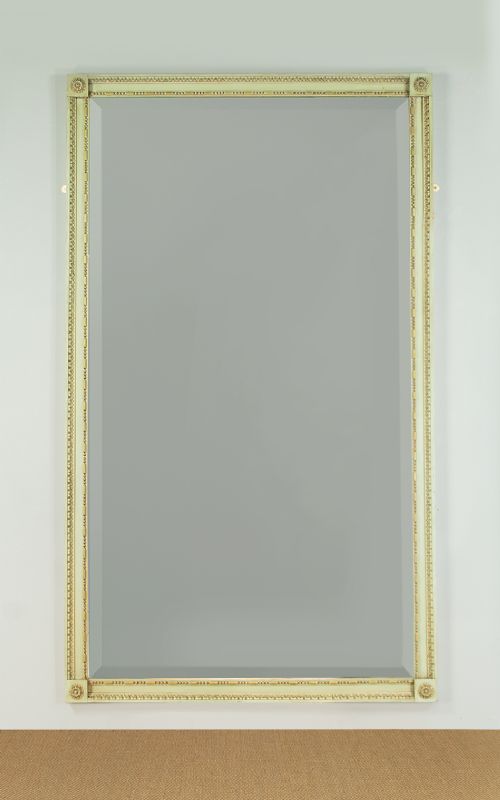
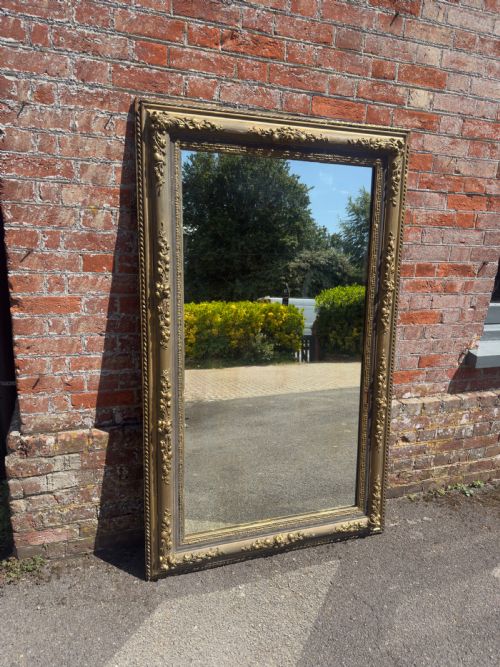
When searching for a vintage painted wall mirror, you encounter pieces spanning the nineteenth and twentieth centuries, originating predominantly from French, English, and Italian workshops. The selection encompasses grand overmantel mirrors, tall pier mirrors, and intimate oval or round wall-hanging designs.
How They Were Made
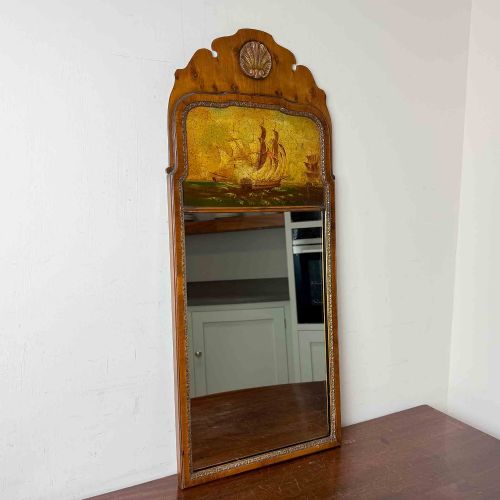
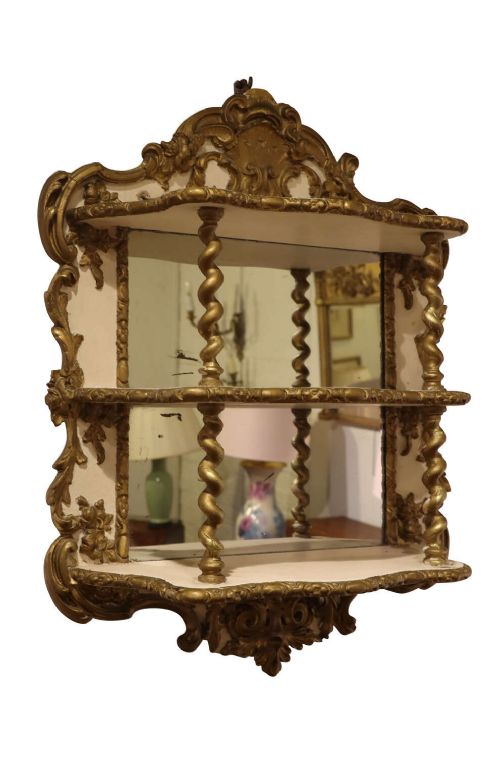
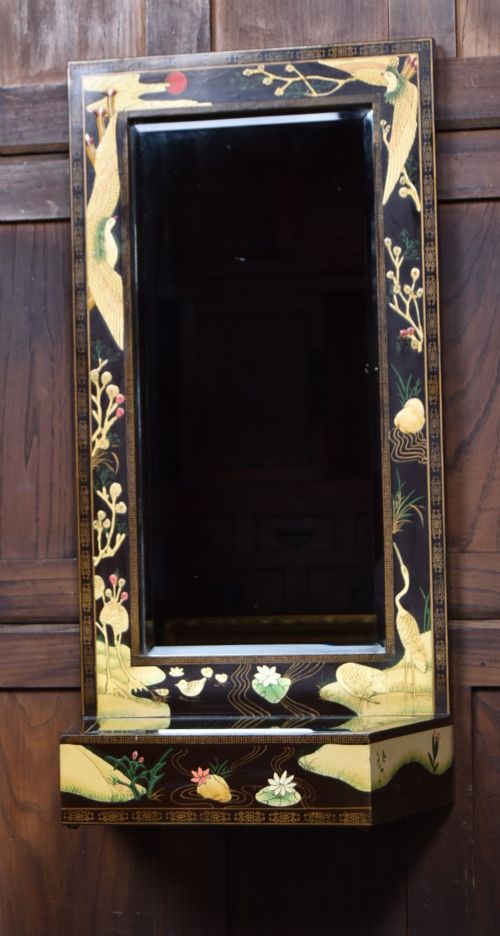
Craftsmen built these frames primarily from solid wood, applying layers of gesso to create smooth surfaces or intricate low-relief carvings before painting and gilding with gold leaf or silvering. Artisans utilised techniques such as hand-painting floral sprays, maritime scenes, or simulated wood finishes directly onto the prepared wooden substrates.
The reflective components consist of traditional mirror glass set securely within the rebates, occasionally showing the subtle foxing and irregularities characteristic of older manufacturing methods.
Listings feature pieces spanning the 19th century through the 1930s, utilising wood, gesso, painted finishes, and giltwood.
What Varies in Quality
Quality rests upon the depth and intricacy of the original hand-carving in the gesso and wood, alongside the finesse of the painted surface decoration. Superior examples display confident brushwork and harmonious colour palettes, such as layered lilac and ink blue or nuanced gilt and cream combinations.
The structural integrity of the heavy wooden frames and the retention of original gilding and painted schemes distinguish finer workshop pieces from standard decorative alternatives.
The Vintage Painted Wall Mirror Glossary
- Trumeau
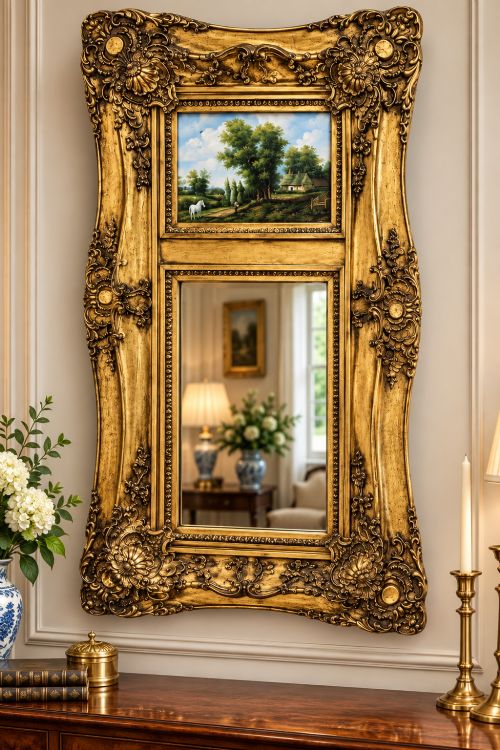
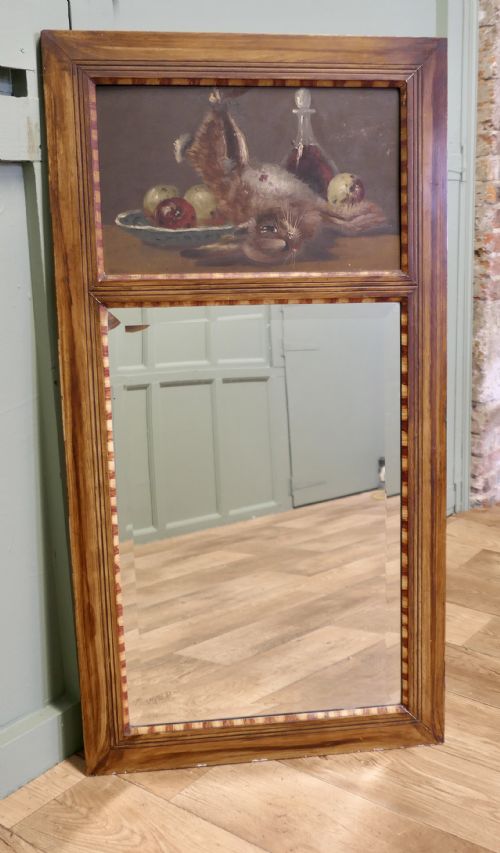
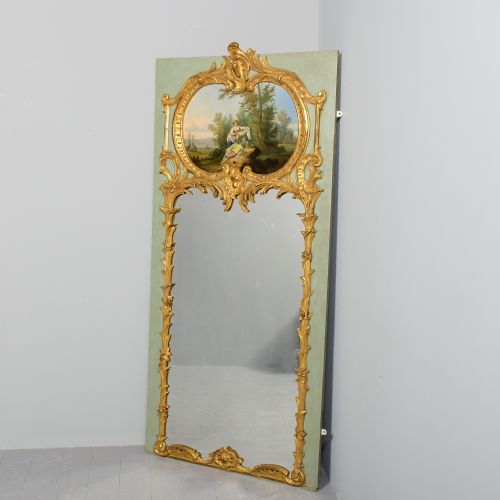
- A decorative wall mirror featuring an upper panel painted with a scene or fitted with an oil painting. These tall pieces were traditionally designed to hang between windows.
- Gesso
- A plaster-like mixture applied to wooden frames as a base for paint and gold leaf. It allows craftsmen to carve intricate relief details before finishing.
- Giltwood
- Timber coated with gold leaf or gold paint to simulate solid gold. It provides a luminous frame border that catches interior light.
- Pier mirror
- A tall mirror designed to hang on the narrow wall space between two windows. They often extend downwards to rest on console tables.
Vintage Painted Wall Mirror: Frequently Asked Questions
How do I hang a heavy antique mirror?
Secure hanging requires locating wall studs or utilising appropriate heavy-duty wall anchors rated for the substantial weight of wood and glass frames. Professional mirror fixings attached directly to the structural frame ensure safety.
Distribute the weight evenly using two fixing points rather than a single wire to prevent the heavy frame from tilting forward over time.
Where should I place an overmantel mirror?
Mount the mirror centrally above the fireplace mantelpiece, leaving a modest clearance space between the lower frame and the mantel shelf. This placement anchors the room's focal point.
Positioning the glass opposite a window maximises natural light distribution and reflects external views deeper into the interior space.
How do I clean antique mirror glass?
Clean the surface gently using a soft microfiber cloth and a mild, ammonia-free glass cleaner sprayed onto the cloth rather than directly onto the glass. This prevents moisture seeping behind the silvering.
Avoid pressing heavily on older plates and take care not to let cleaning solutions come into contact with the painted or gilt wooden frame.
What defines a trumeau mirror?
A trumeau incorporates a mirror plate positioned beneath a decorative painted panel or oil painting, encased within a unified architectural frame. Originating in French interior design, they served as permanent wall fixtures.
The combined artwork and reflection create a decorative vertical feature designed to enhance light and proportion in reception rooms.