

Antique Gilt Overmantel
An antique gilt overmantel brings reflected light and historic scale to a room, hung traditionally above a fireplace or mounted low on a principal wall.
Antique Gilt Overmantel
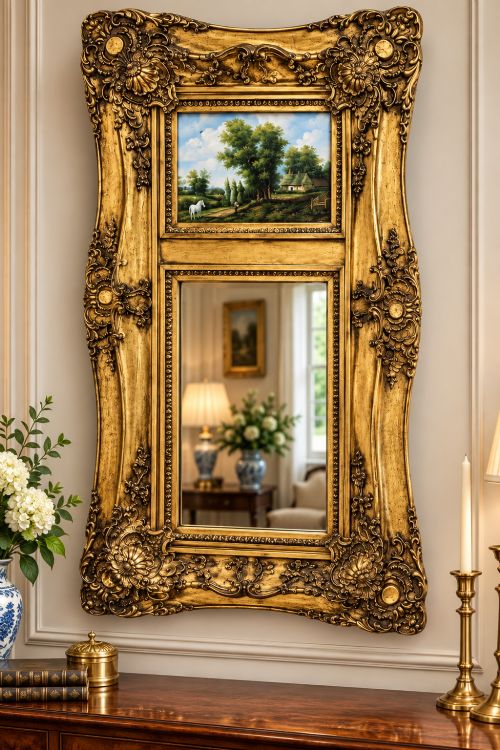
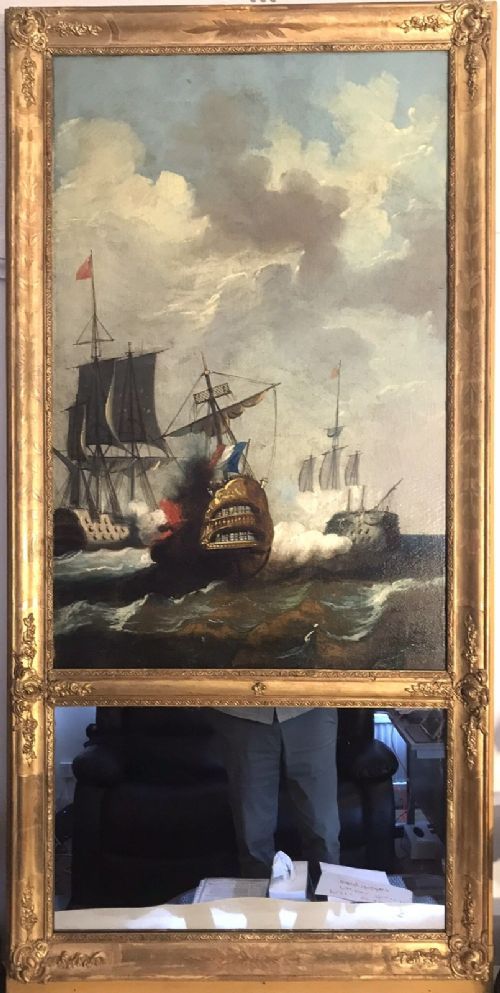
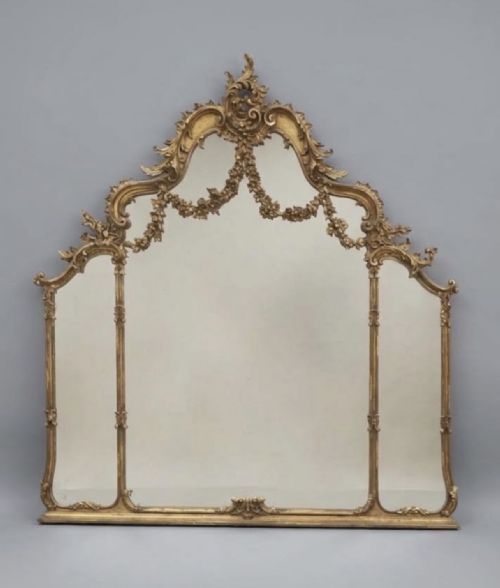
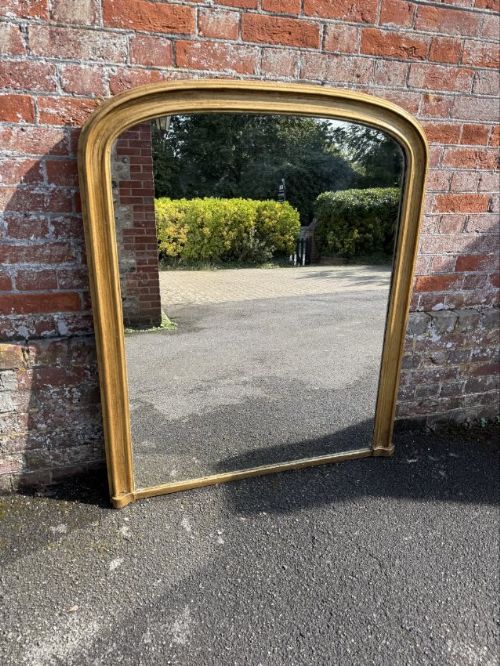
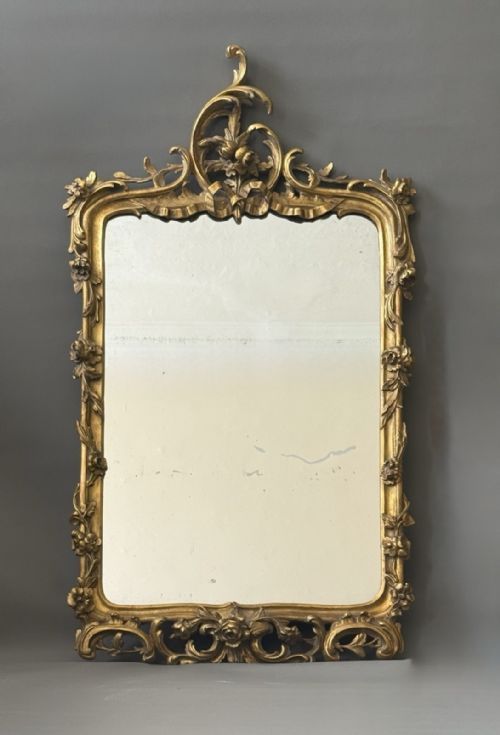
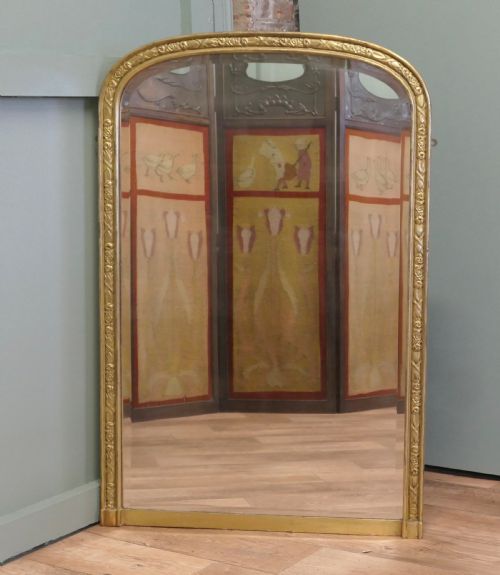
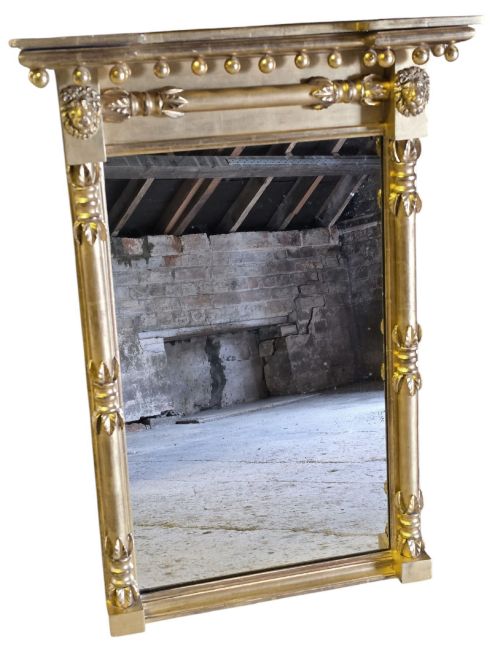
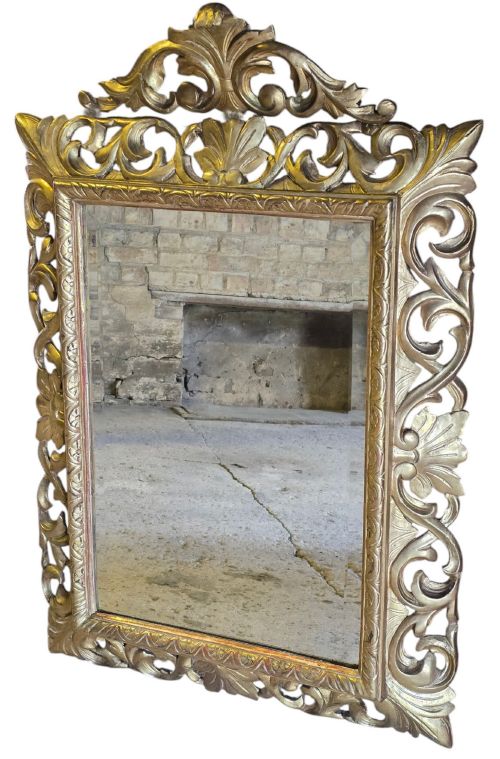
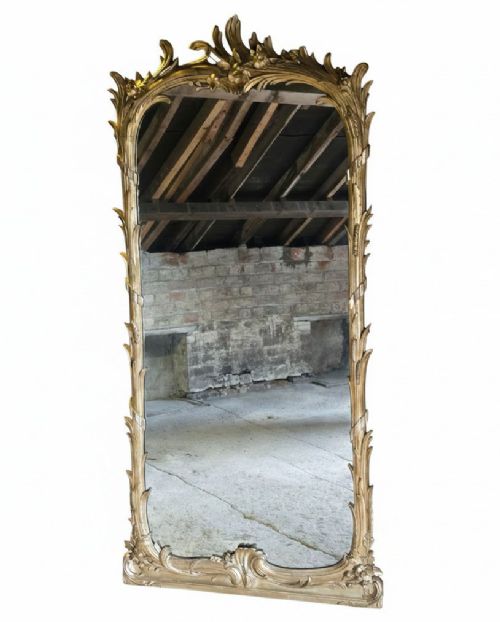
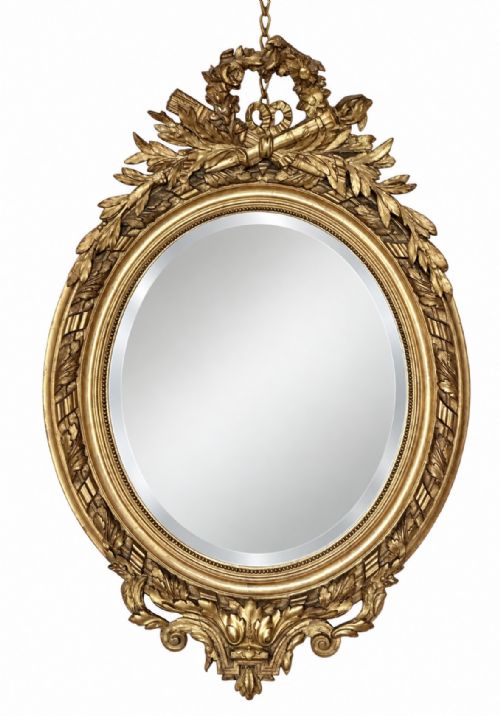
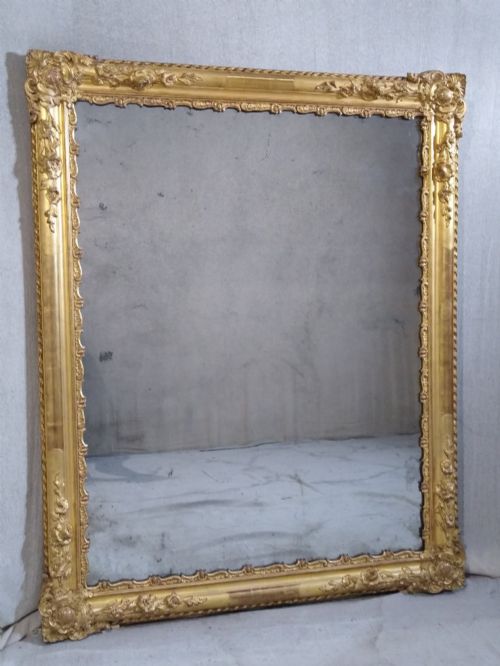
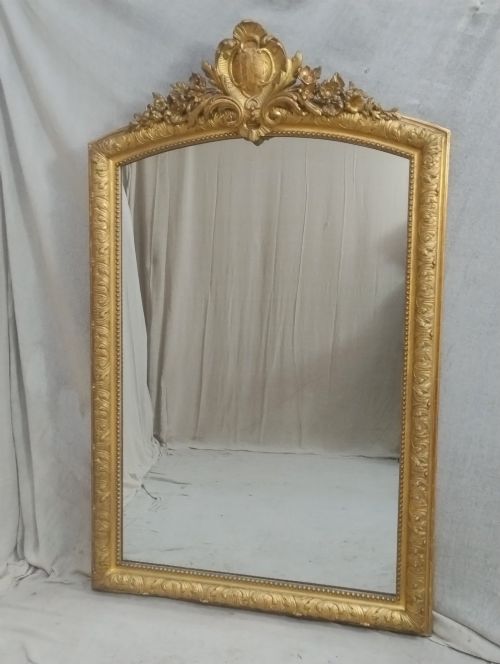
An antique gilt overmantel is a large wall mirror designed specifically to sit above a mantelpiece, though many pieces function equally well as standalone leaner mirrors in reception rooms. The pieces span the eighteenth, nineteenth and early twentieth centuries, encompassing Georgian, Regency and Victorian eras alongside French Louis Philippe and Rococo Revival designs.
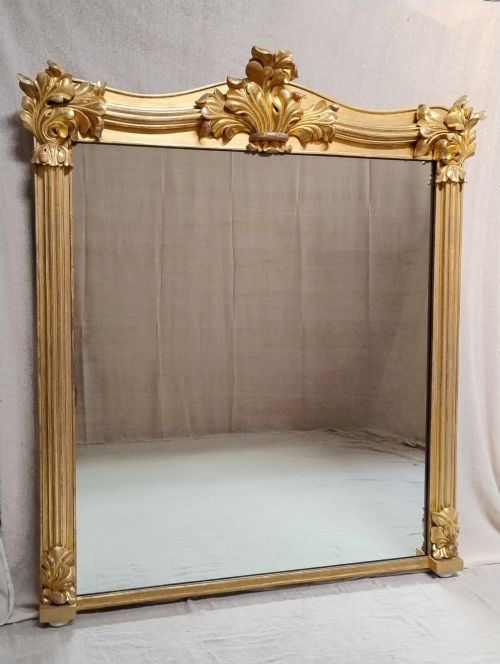
Most examples found on this page measure on a grand scale, constructed with arched, shaped or rectangular timber frames finished in gilded surfaces. English and French workshops produced the majority of these plates, utilising robust timber carcases built to withstand the weight of heavy glass and decorative mouldings.
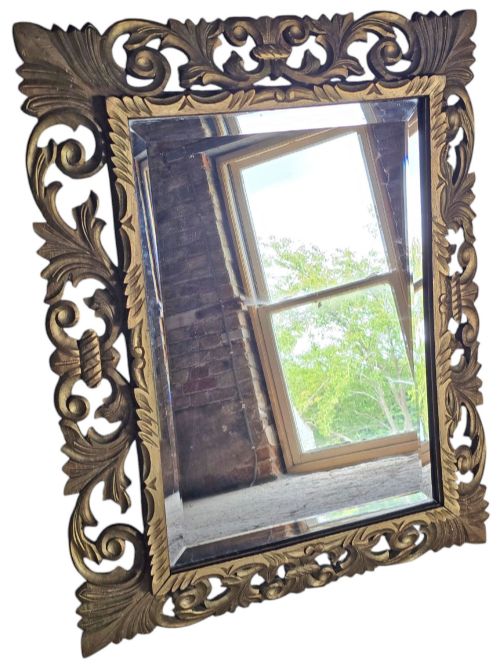
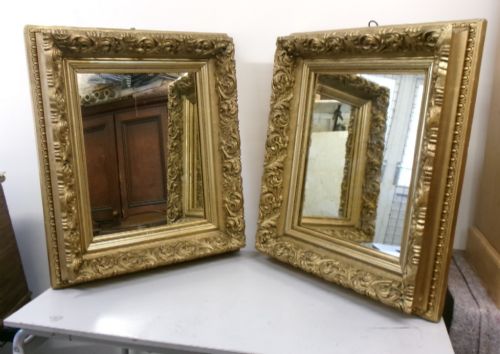
The category includes architectural forms with classical pilasters, cushion frames with deep bevelling, and ornate carved frames featuring rope twists, acanthus leaves or ribbon crests. Buyers encounter everything from restrained Regency triple-plate mirrors to monumental Victorian and Edwardian statement pieces.
How they were made
Makers constructed the foundational carcases of these frames from seasoned timbers such as pine or hardwood, providing a stable base for detailed ornamentation. Artisans then applied layers of gesso - a fine plaster mixture - over the carved wood to build up relief details like floral swags, scrolls and acanthus leaves.
Gilding involved laying thin sheets of gold leaf or metal leaf over a prepared bole surface, often burnished to create contrasting matte and reflective finishes. Many period plates consist of original mercury glass or early silvered glass, frequently exhibiting natural foxing and age spots along the edges.
Mouldings were frequently worked directly into the gesso or built up using composition ornament pressed into moulds while pliable. Joinery methods relied on sturdy tongue-and-groove or halving joints at the corners to support the substantial downward pull of the glass plate.
Listings feature eighteenth-century French Rococo pieces alongside nineteenth-century English gesso frames and twentieth-century Revival models.
What varies in quality
The crispness and depth of the hand-carved woodwork and moulded gesso separate standard production from exceptional artistry. Finer frames display sharply undercut foliage and precise symmetry, whereas lesser examples rely on heavy, flat composition pressings that blur intricate details.
Originality dictates the standing of a piece, with surviving untouched mercury plates and un-regilded gold leaf commanding greater appreciation. Frames retaining their original backboards, wedging and structural ironwork show care in historical assembly.
Proportion and scale influence desirability, as balanced architectural proportions interact harmoniously with high mantelpieces. The clarity and preservation of the reflective plate itself, whether featuring bevelled edges or undisturbed foxing, complete the assessment of a mirror's character.
S T Townshend Norwich
The Antique Gilt Overmantel Glossary
- Gesso
- A prepared mixture of chalk, gypsum and size used as a base for moulding and gilding on wooden frames. This substance allows craftsmen to carve intricate low-relief decorations before applying gold leaf.
- Mercury glass
- A type of silvered mirror glass produced by pouring a mercury and tin amalgam behind the glass plate. This historic technique creates a distinctive speckled ageing known as foxing.
- Overmantel
- A large mirror or panel designed specifically for placement above a fireplace mantel. These pieces occupy a central architectural position in traditional room layouts.
- Giltwood
- Timber that has been coated with gold leaf or metallic powder applied over a prepared ground. The technique protects the underlying wood while imparting a luminous metallic sheen.
- Foxing
- Small dark spots and discolouration within the mirror plate caused by the degradation of the silvering backing over decades. Collectors value this natural patination as an indicator of genuine age.
Antique Gilt Overmantel: Frequently Asked Questions
How do I hang a heavy antique overmantel safely?
Due to their substantial weight, these mirrors require fixing directly into masonry or through plaster into timber wall studs using heavy-duty steel brackets. Many examples also include original iron strap rings on the reverse that need reinforced picture wire or chain.
Professional installation is strongly advised for large nineteenth-century pieces to distribute the load evenly across the wall. Resting the base securely on the mantel shelf itself alleviates a portion of the vertical tension.
Can antique overmantel mirrors be used without a fireplace?
These frames function exceptionally well as floor-standing leaner mirrors in hallways, bedrooms and drawing rooms. Placing a tall piece directly against a blank wall creates an illusion of expanded space and brings architectural weight to a modern interior.
When positioned low to the floor, the reflective surface captures natural light from opposing windows just as effectively as it does above a hearth.
How do I clean the glass without damaging the old surface?
Use a soft microfibre cloth slightly dampened with distilled water or a mild, ammonia-free glass cleaner sprayed onto the cloth rather than directly onto the mirror. Avoid touching the edges of the plate where historical silvering or mercury backing is fragile and prone to flaking.
Gentle dusting of the giltwood frame with a dry, soft-bristled brush prevents the accumulation of dirt within the gesso crevices without disturbing the gold leaf.
How can I tell a Victorian overmantel from a Regency one?
Regency pieces often display classical architectural restraint, featuring simpler giltwood mouldings, convex mirror plates or understated reeded frames influenced by neoclassical tastes. They tend to have a lighter visual presence compared to later nineteenth-century iterations.
Victorian and Rococo Revival examples generally exhibit heavier, more exuberant ornamentation with deep-relief acanthus leaves, scrollwork and robust gesso composition moulded around arched wooden carcases.