


Oval Gilt Wood Frame
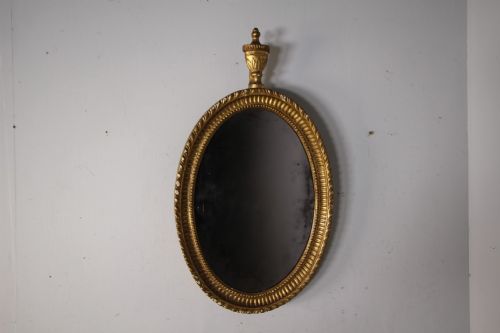
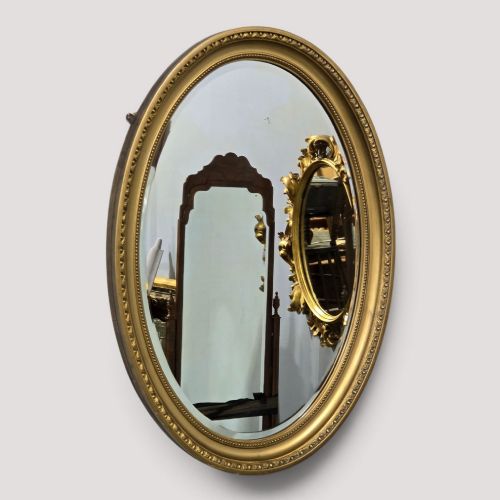
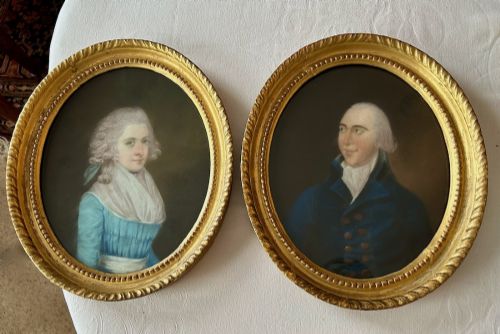
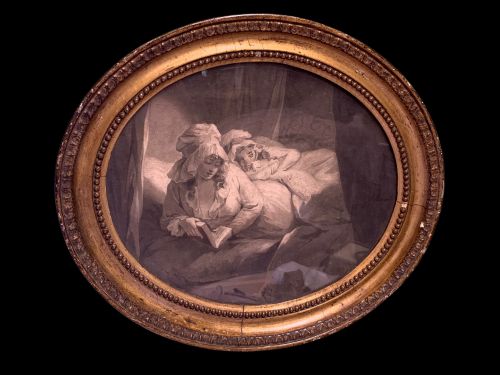
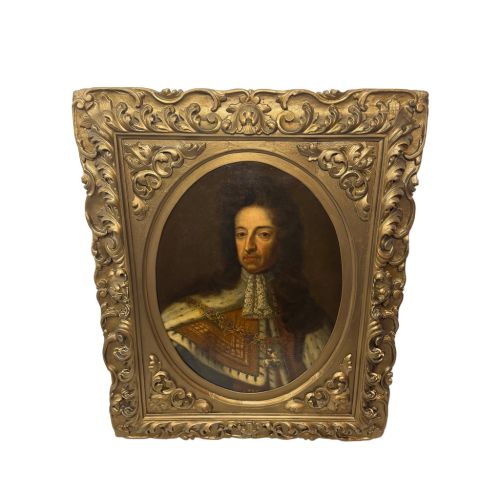
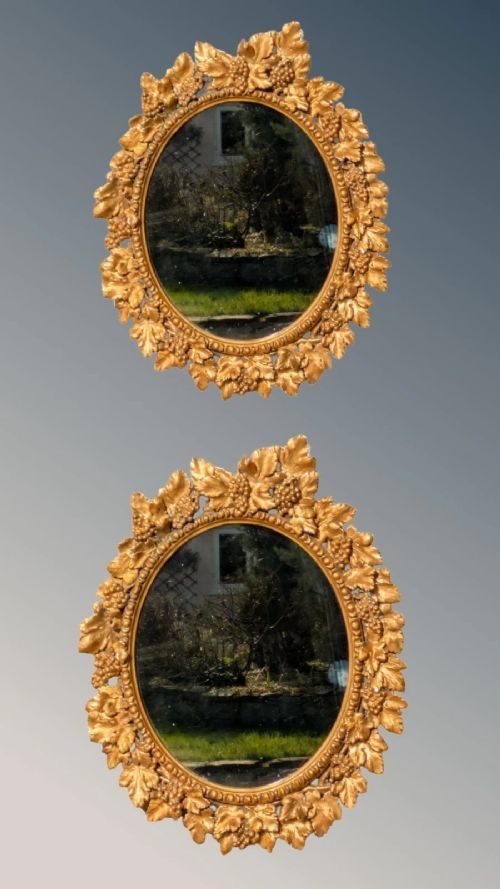
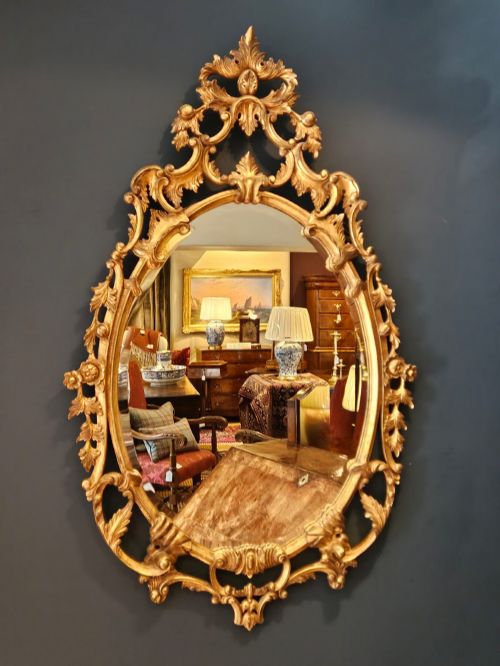
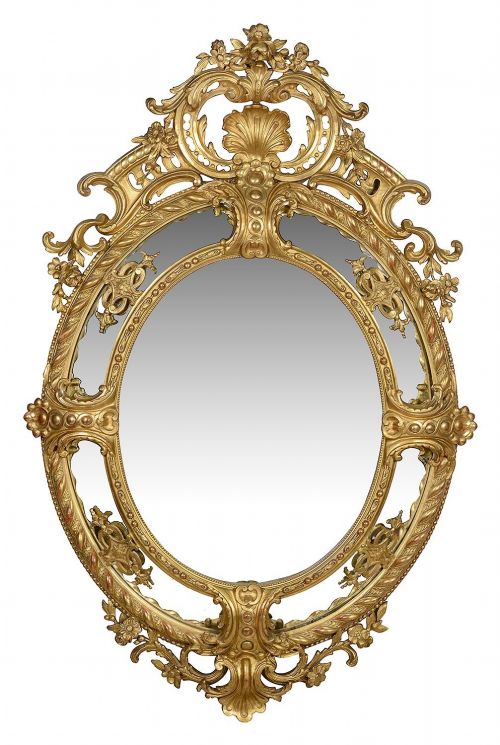
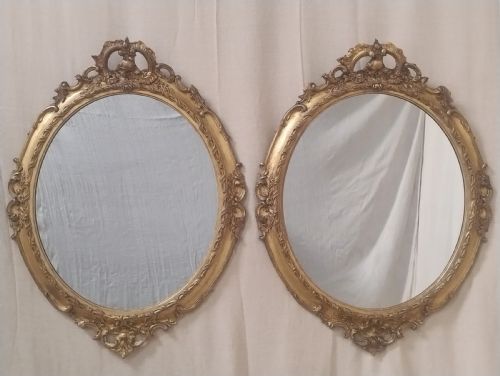
An oval gilt wood frame brings warmth and reflected light to a room, enclosing mirrors, portraits and prints from the Georgian era through to the Edwardian period.
Oval Gilt Wood Frame
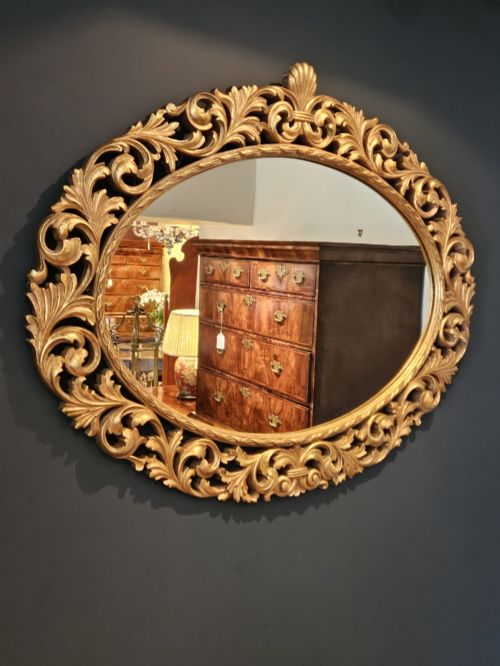
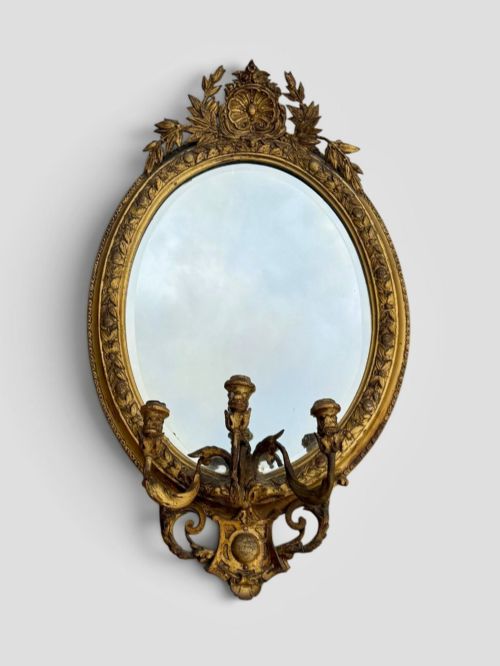
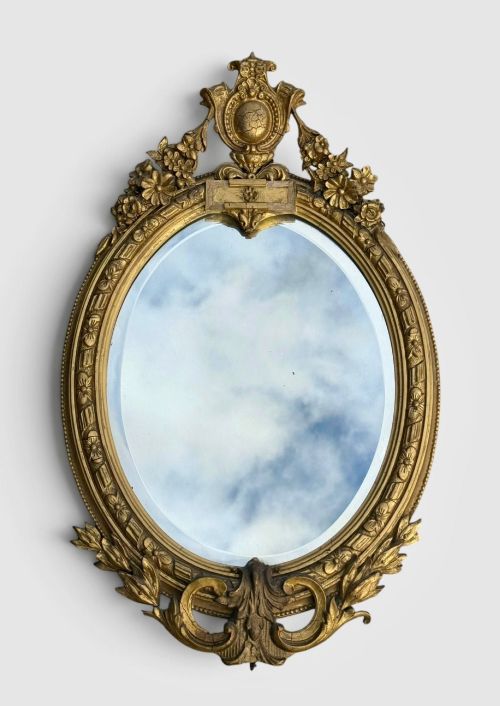
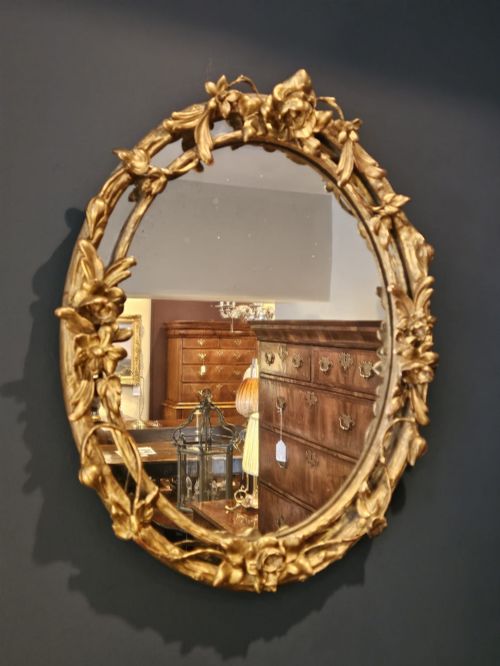
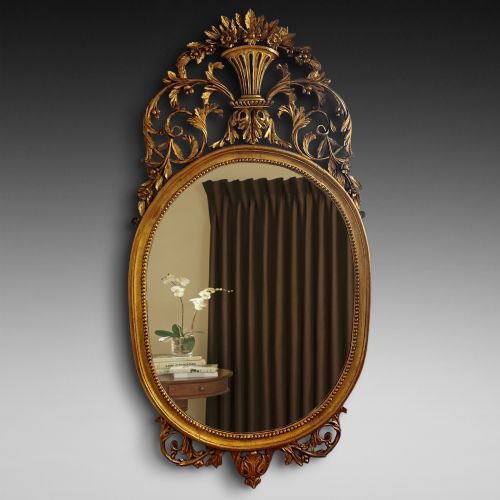
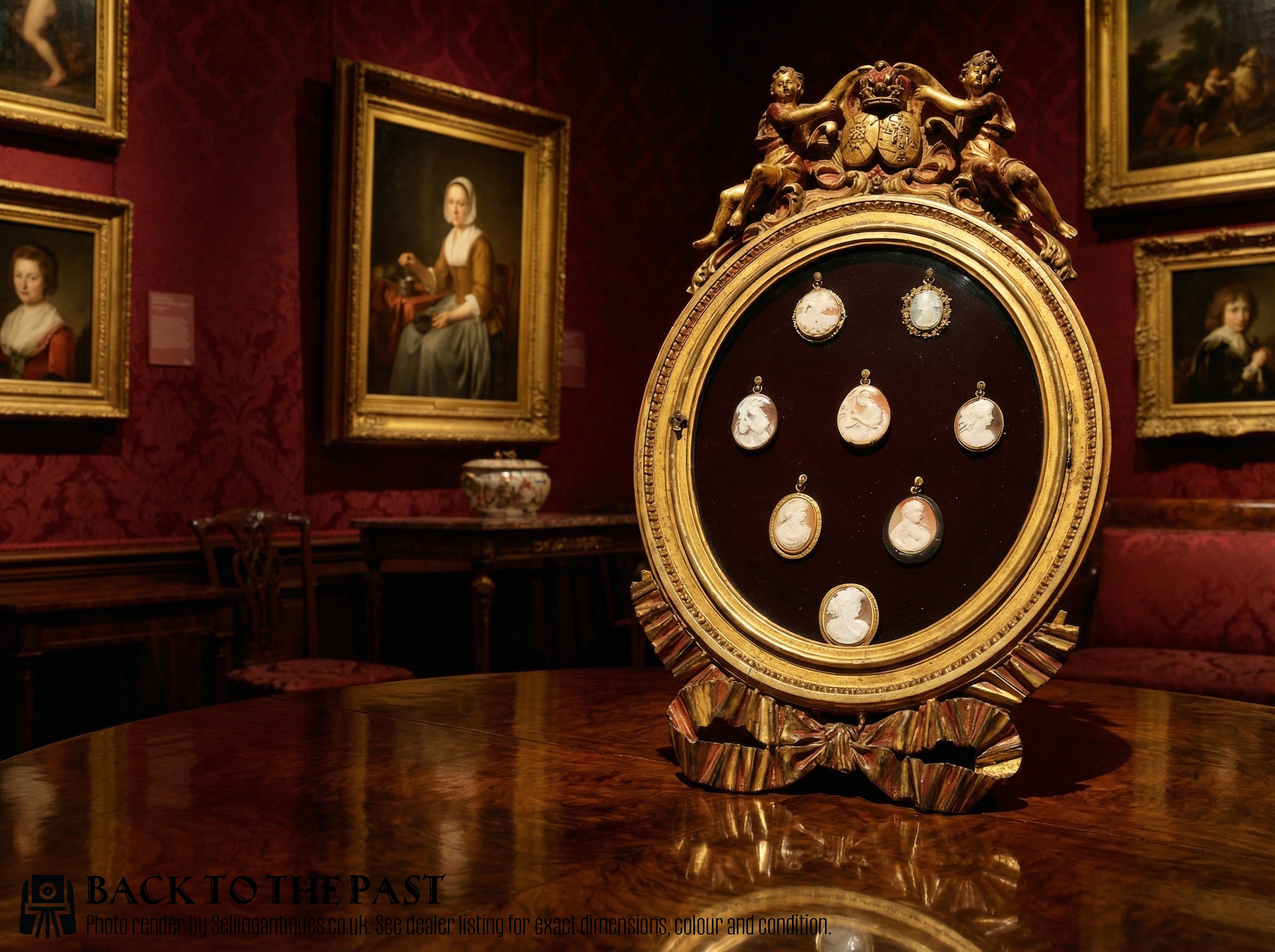
An oval gilt wood frame houses mirrors, oil paintings, pastel portraits and engravings dating from the late seventeenth century to the early twentieth century. When searching for an oval gilt wood frame, buyers encounter pieces spanning Georgian, Victorian, Edwardian and Baroque styles, with nineteenth-century examples appearing most frequently.
The selection ranges from simple domestic wall mirrors to ornate, carved overmantels and delicate miniature portrait surrounds. English and French workshops dominate the origin of these pieces, alongside Italian examples featuring deep relief carving and pierced floral decoration.
Construction and materials
Carved timber provides the foundational structure for these frames, utilising woods such as pine or hardwood depending on the period. Artisans applied layers of gesso over the wood base to create a smooth, responsive surface for intricate ornamentation.
Finishes involve gold leaf or silver gilt applied over the gesso, sometimes combined with composition mouldings for repetitive decorative motifs like beads or leaves. Hand-carved elements distinguish earlier pieces, whilst later nineteenth-century work frequently incorporates pressed composition details alongside carved wood.
Materials recorded across the selection include solid wood, gesso, glass, gold leaf and composition.
Distinguishing quality in gilt frames
The depth and crispness of the carving separate standard production from superior work. Hand-carved wooden scrolls and floral motifs retain sharp undercut details, whereas lower-quality pieces rely heavily on thick composition ornaments that soften over time.
The integrity of the original gilding surface dictates the visual weight of the piece. Preservation of early gold leaf or toned metal leaf under light patination shows greater restraint than heavily painted or improperly restored modern touch-ups.
The Oval Gilt Wood Frame Glossary
- Gesso
- A plaster-like mixture applied to wooden frame bases to prepare the surface for gilding. It allows craftsmen to carve and stamp fine decorative details.
- Giltwood
- Timber that has been coated with gold leaf or metal leaf. This technique protects the wood while providing a brilliant reflective finish.
- Composition
- A moulded paste mixture of whiting, resin and glue used to form decorative reliefs on picture and mirror frames. It offered a quicker alternative to hand carving during the nineteenth century.
- Girandole
- A decorative wall mirror featuring attached candle sconces. The candle light reflects directly off the glass and gilt frame.
- Overmantel
- A large mirror designed specifically to hang above a fireplace mantel. These pieces often feature wide proportions and substantial gesso decoration.
Oval Gilt Wood Frame: Frequently Asked Questions
How do I date a gilt wood frame?
Examination of the timber behind the frame and the composition of the gesso layer reveals the primary construction period. Earlier pieces from the seventeenth and eighteenth centuries show hand-carved tool marks beneath the gold leaf, whilst nineteenth-century examples often use moulded compo ornaments.
Hardware components such as old hand-forged screws or wooden backing boards also help confirm the age of the piece. Style indicators like Regency curves or Victorian vine motifs provide further clues to the decade of manufacture.
Can I hang a heavy antique mirror safely?
Substantial nineteenth-century overmantel frames require sturdy wall anchors fixed directly into masonry or timber studs. Weight distribution depends on the original wooden chassis, which should be inspected to ensure the frame holds the mirror glass securely.
Professional mirror hangers often replace old hemp cords with steel wire rated well above the weight of the piece. Checking the tension points on the back prevents the frame from shifting over time.
What is the difference between gesso and carved wood?
Carved wood involves cutting directly into the timber base to create floral, scroll or geometric patterns. Gesso provides the smooth priming layer over the wood, but it is also built up thickly in certain styles to allow surface moulding.
Top-tier antique frames combine deep wood carving with fine gesso detailing to achieve sharp relief. Pure composition mouldings appeared more frequently in later periods to replicate complex carvings at a lower cost.
How should I clean a antique gilt frame?
Dusting with a very soft, dry brush removes surface particles without disturbing fragile gold leaf. Moisture can damage original gesso and cause flaking, so water and chemical cleaners must be avoided entirely.
Preservation relies on keeping the frame away from direct sunlight and damp environments. Stable indoor humidity prevents the underlying timber from expanding and cracking the historic finish.