
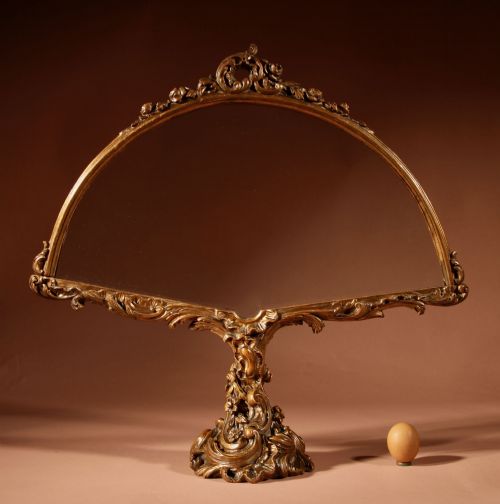


Antique Shadow Box Cabinet
These antique shadow box cabinet items are glazed display tables and vitrines designed to show precious objects.
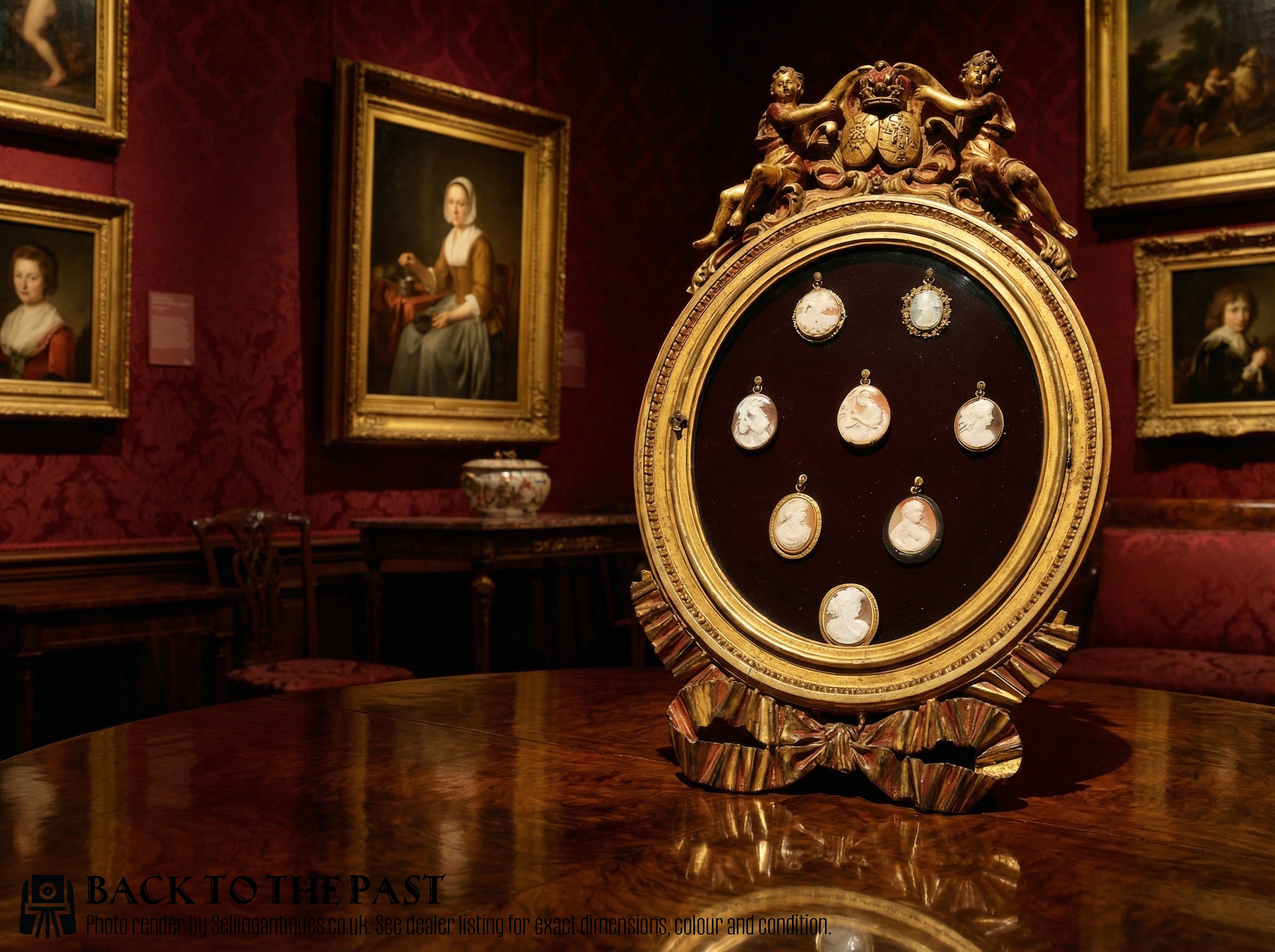
Antique Shadow Box Cabinet
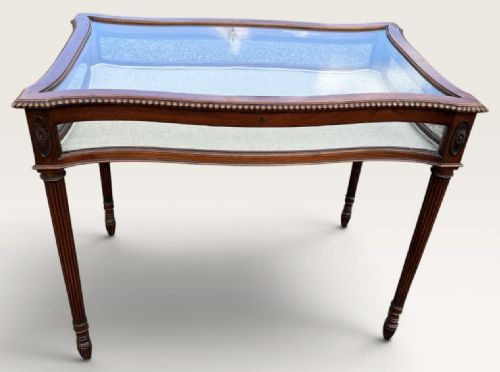
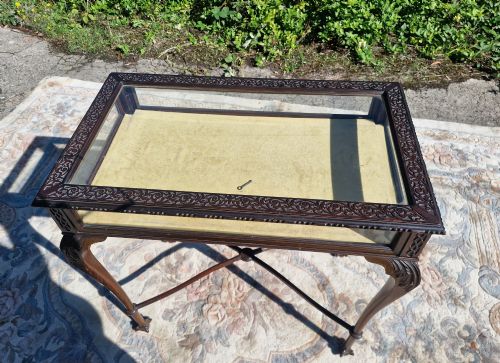
When you search for antique shadow box cabinet, you encounter glazed display tables, bijouterie tables, and cabinets designed to present small treasures and natural specimens. These pieces primarily date from the Victorian and Edwardian periods, alongside French revival styles.
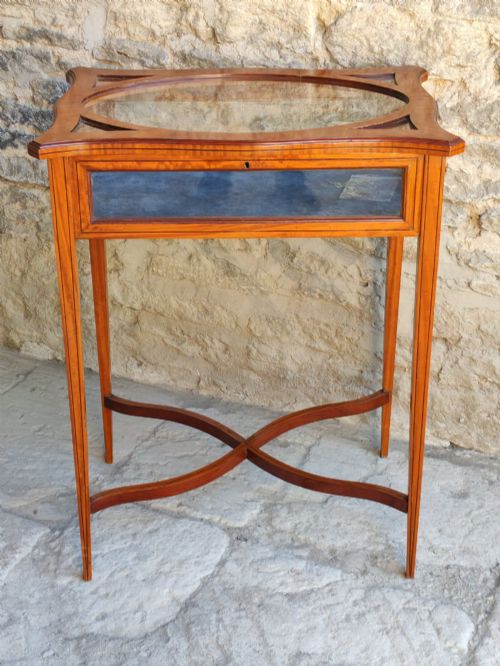
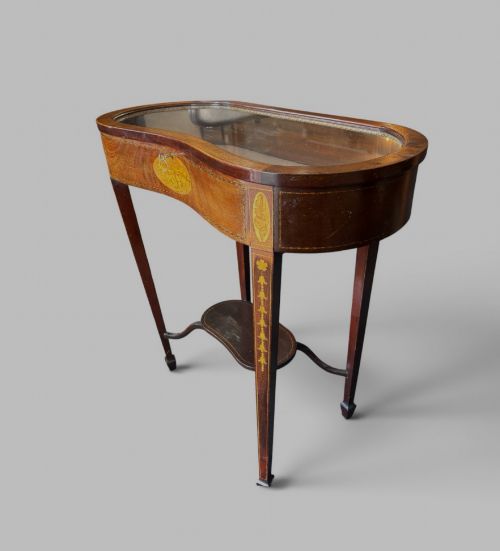
The most common forms on this page are mahogany and satinwood bijouterie tables featuring glazed tops and sides. You also find specialised display cases housing taxidermy specimens such as kingfishers and owls within oak or glazed enclosures.
Markers of Quality
The sophistication of the timber work and inlay sets individual pieces apart, ranging from plain mahogany structures to elaborate satinwood marquetry and French ormolu mounts. The precision of the joinery on serpentine, kidney, and octagonal forms indicates the maker's capability.
The choice of interior lining and the clarity of the original glass elements contribute to the overall execution of the display case or table.
Adult and immature little owls peer out from behind Victorian glass alongside kingfishers nestled in oak cases.
The Antique Shadow Box Cabinet Glossary
- Bijouterie table
- A glazed display table specifically constructed for holding small valuable trinkets and ornaments beneath glass. These pieces elevate items for comfortable viewing.
- Vitrine
- A glass-fronted cabinet or case used for displaying fine objects and porcelain. They protect contents from dust while offering all-round visibility.
- Marquetry
- Decorative veneer work where pieces of wood, shell, or ivory are fitted into a ground to form geometric or floral patterns. This technique decorates the surfaces of Edwardian and Victorian furniture.
- Ormolu
- Gilded bronze mounts applied to furniture and decorative objects for ornamentation. French pieces frequently utilise this technique to accent mahogany frames.
- Taxidermy
- The art of preparing, stuffing, and mounting the skins of animals for display. Victorian examples appear housed in dedicated oak and glass cases.
Antique Shadow Box Cabinet: Frequently Asked Questions
What is a bijouterie table?
A bijouterie table is a specialised piece of furniture featuring a glazed top and often glazed sides designed for exhibiting small ornaments, jewellery, and curiosities. They became particularly popular during the Victorian and Edwardian eras for displaying personal collections.
The glass top allows viewers to inspect delicate items from above while protecting them from dust and handling.
How were display cabinets used?
These cabinets and tables served to showcase a household's prized possessions, ranging from medals and fans to natural history specimens. They functioned as both functional furniture and conversation pieces in drawing rooms.
Collectors utilised them to organise and present small objects in an orderly, visible manner.
How do I distinguish Edwardian from Victorian pieces?
Victorian pieces often display heavier proportions and rich, dark mahogany timbers with traditional carved details. They reflect the earlier nineteenth-century taste for robust construction.
Edwardian examples tend to feature lighter satinwood, delicate marquetry inlay, and slender legs, reflecting a preference for refined, neoclassical revival styles.
How do I care for antique glass cases?
Keep these items out of direct sunlight to prevent the fading of interior fabrics like velvet and paper linings. Use a soft, dry cloth for dusting the wood and gentle glass cleaner applied to a cloth rather than the glass directly.
Ensure the room humidity remains stable to protect delicate timber frames and antique glass settings.