
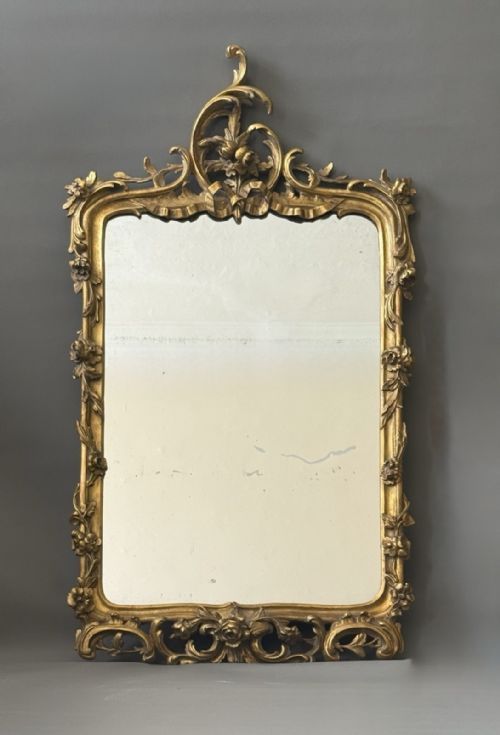
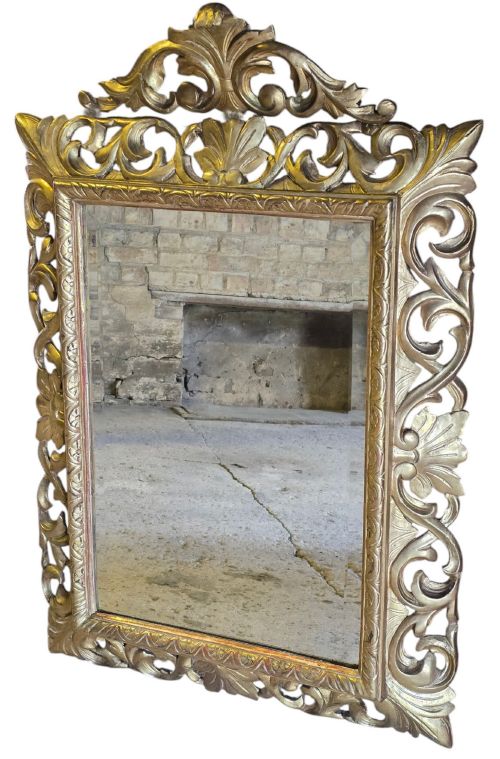
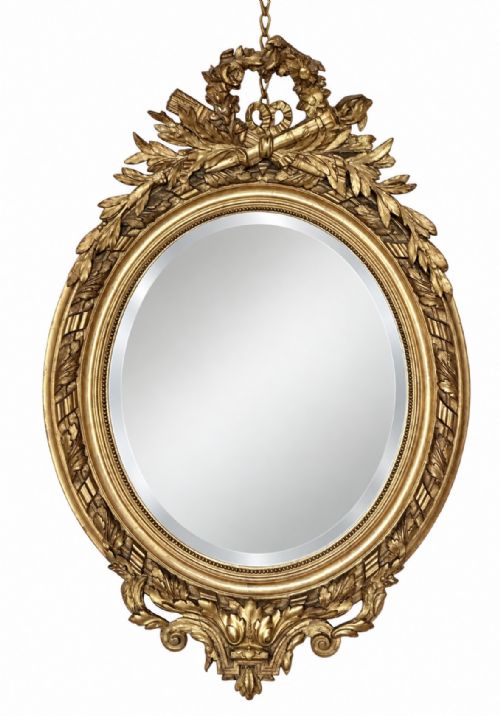
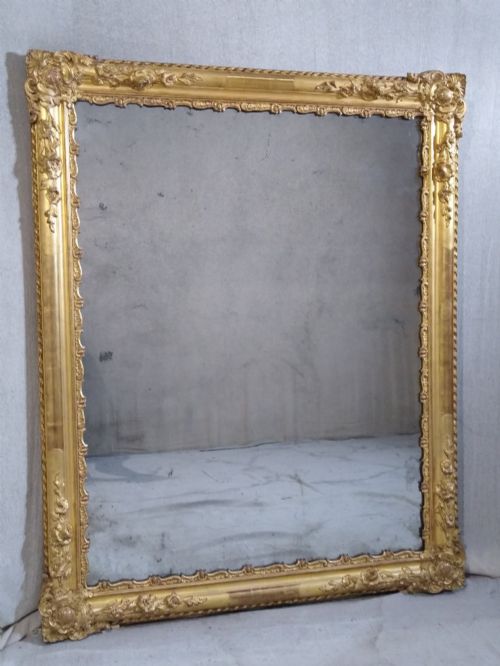
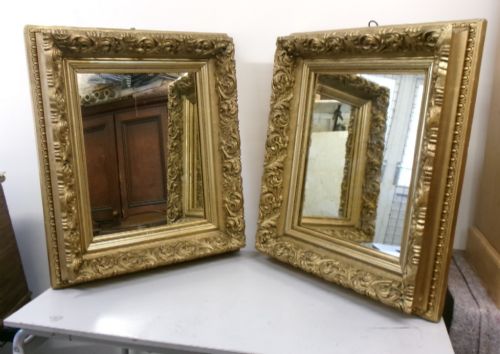

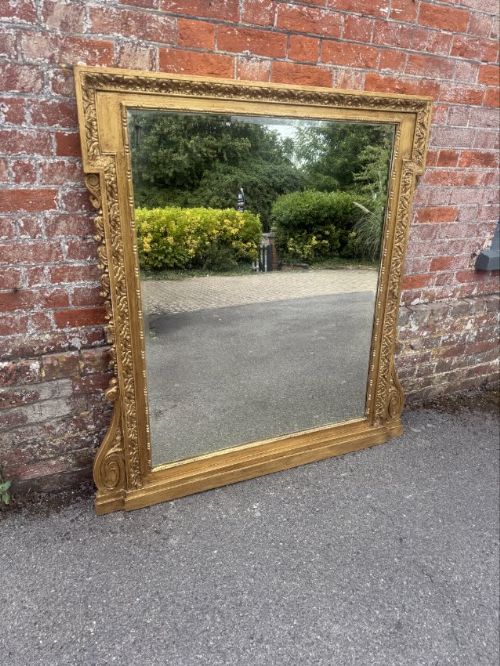
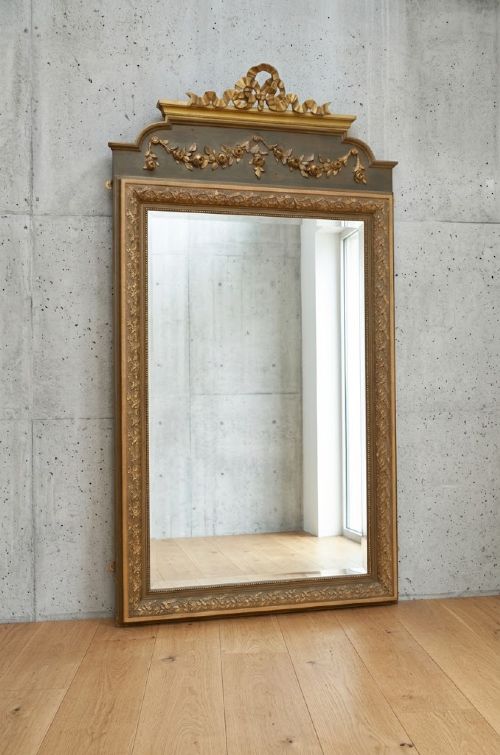
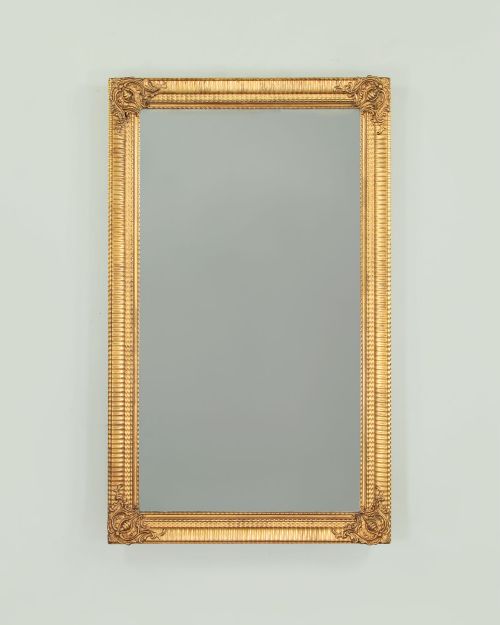
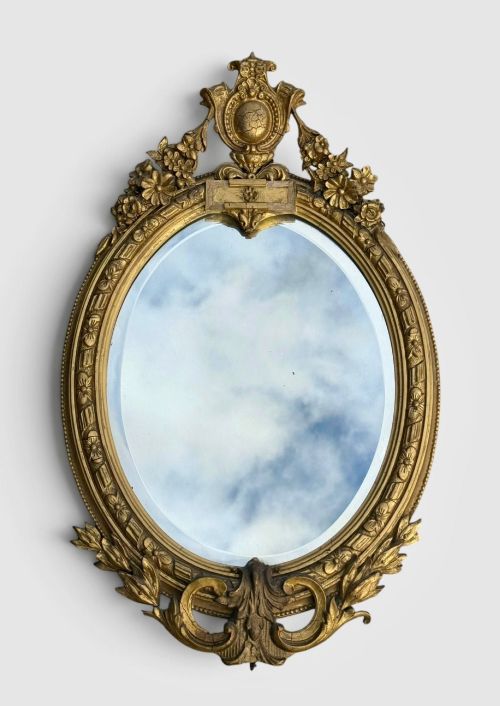
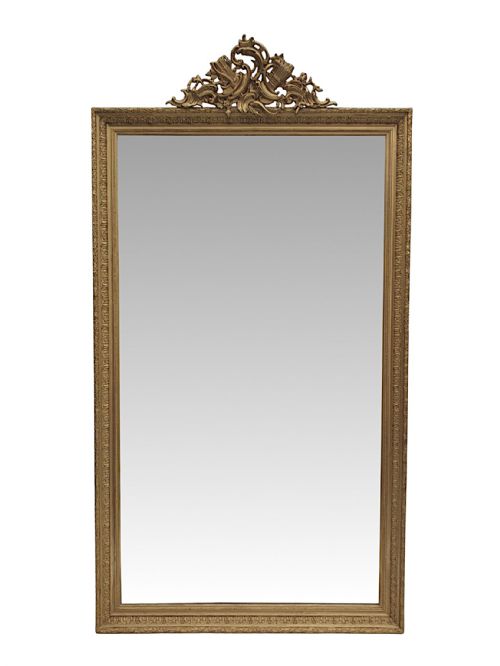
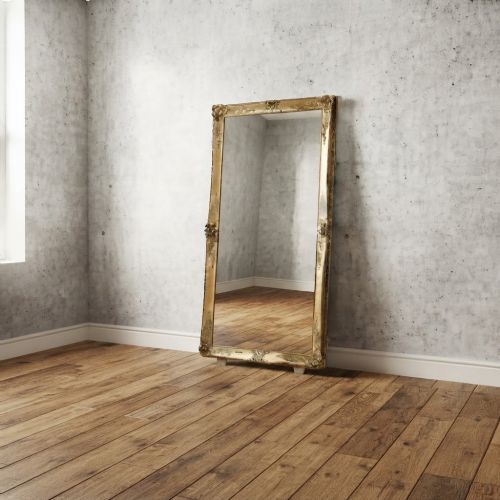
Ornate Gilded Wall Mirror
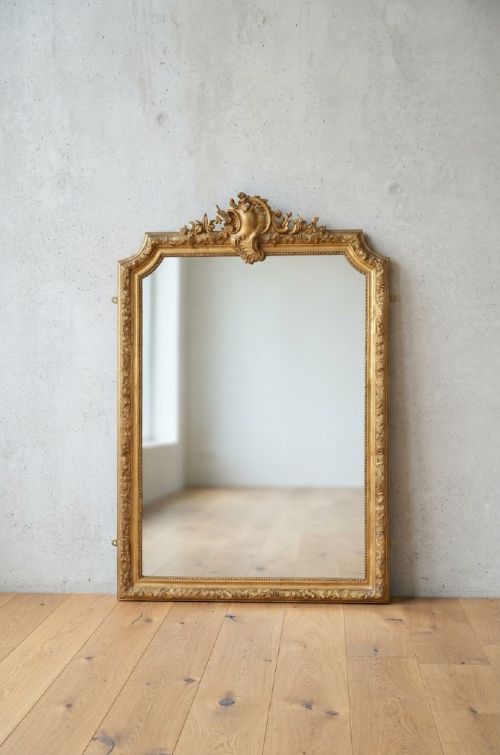
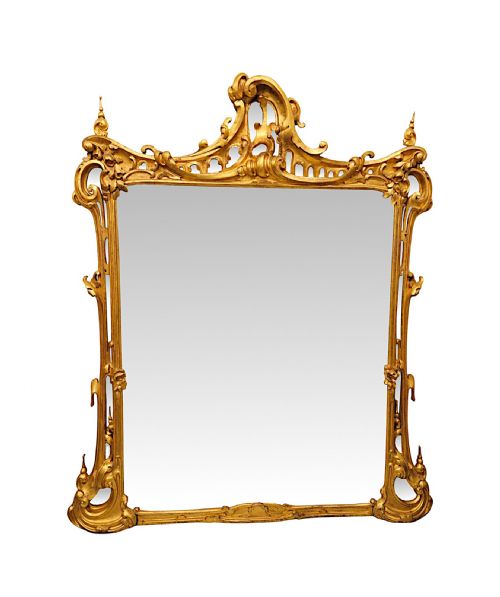
An ornate gilded wall mirror brings depth and golden light into a room, framing reflections with centuries of carved detail.
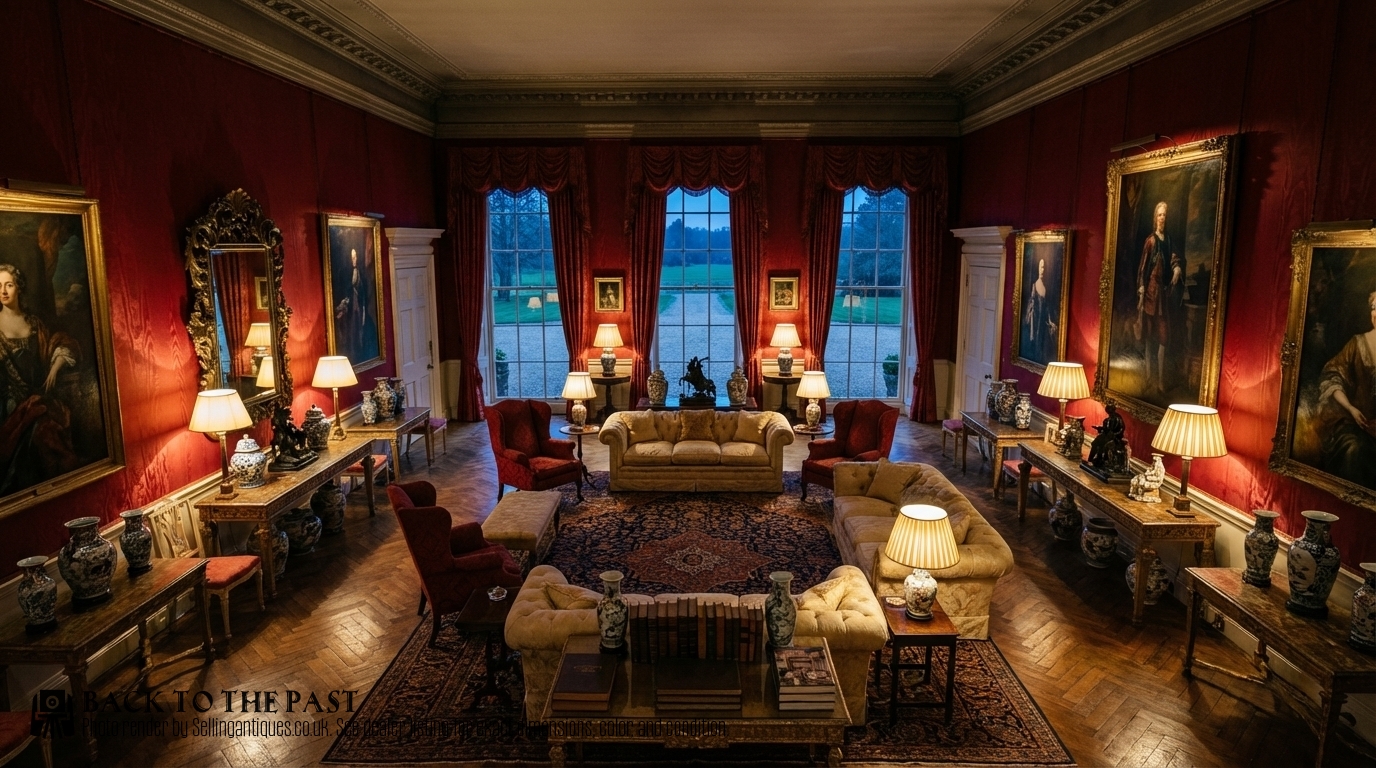
Ornate Gilded Wall Mirror
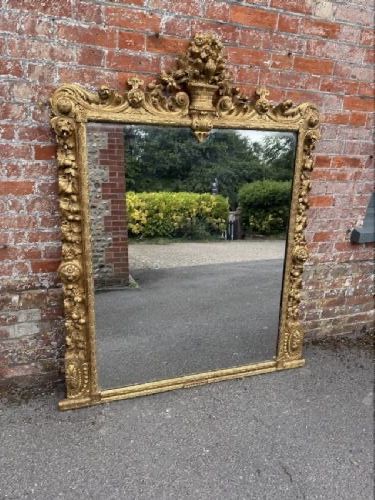
These items function as decorative focal points designed to hang upon interior walls or sit atop mantlepieces, manipulating light and space. An ornate gilded wall mirror often takes the form of a substantial overmantel piece, tall leaner, or pier glass.
Originating predominantly from French and Italian workshops alongside English makers, the examples seen here span from the eighteenth century through the Victorian era and into the early twentieth century. Buyers encounter rococo revival styles and grand chateau aesthetics most frequently on this page.
The primary forms include large architectural frames meant for living rooms and parlours, as well as smaller girandoles and oval wall mirrors fitted with display brackets. Each piece utilises reflective glass set within elaborate wooden frames to transform domestic interiors.
Materials and construction methods
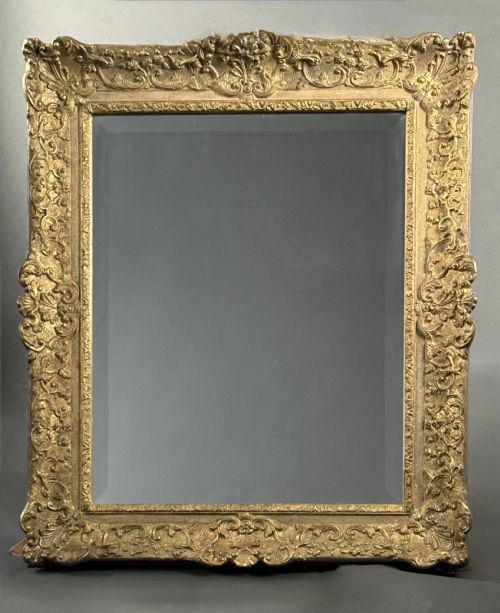
Makers carved structural frames from solid wood such as timber or giltwood, building up intricate surface ornament with layers of gesso and composition paste. Artisans then applied gold leaf or silver-gilt by hand onto the prepared surfaces.
Mirrors utilise antique glass plates, sometimes featuring bevelling, engraving, or natural foxing accumulated over generations. Frames often incorporate cast gilt bronze mounts or delicate carved details like ribbon crests and rose vines.
Ornate Gilded Wall Mirror Retail Price Guide 2026
Typical asking prices for ornate gilded wall mirror among the pieces listed under this phrase on Sellingantiques today, from the lower quarter to the upper quarter. They describe what is for sale here now, not the wider market.
Some mirrors wear their age proudly with extensive foxing, offering a delightfully hazy reflection of anyone brave enough to check their hair.
Assessing craftsmanship and condition
Quality rests primarily in the depth and crispness of the hand-carved woodwork, where sharper undercut foliage distinguishes superior frames from softer cast compositions. The survival of the original gold leaf and the character of the antique glass plate also dictate distinction.
Proportion and structural integrity matter greatly, as larger overmantel frames require robust joinery to support heavy glass plates over centuries. Pieces retaining their original gilding without excessive modern intervention represent the upper tier of the range.
The Ornate Gilded Wall Mirror Glossary
- Giltwood
- Wood that has been coated with gold leaf. This technique provides a durable and luminous finish characteristic of high-status antique frames.
- Gesso
- A plaster-like mixture applied to wood frames to create a smooth base for carving or gilding. Artisans model fine relief details directly into this material.
- Overmantel mirror
- A large horizontal mirror designed specifically to hang above a fireplace mantel. These pieces traditionally anchor the decorative scheme of a reception room.
- Girandole
- A decorative wall mirror featuring attached candle sconces. The candle light reflects off the glass and gilding to illuminate dark rooms.
- Foxing
- Age-related spots and discoloration appearing within the mirror glass itself. Collectors prize authentic foxing as evidence of great age.
- Pier glass
- A tall, narrow mirror designed to hang on the wall space between two windows. They maximise natural light in period drawing rooms.
Ornate Gilded Wall Mirror: Frequently Asked Questions
What is the difference between gesso and composition ornament?
Gesso is a liquid plaster mixture brushed onto the wood base to receive hand-carving or smooth preparation layers. Composition, often called compa, is a pliable paste pressed into moulds and applied to the frame for repetitive decorative motifs.
Finer pieces rely more heavily on hand-carved gesso work rather than moulded composition.
Can antique mirror glass be replaced?
Original mirror glass often shows foxing, distortion, and dark spots acquired over centuries of use. While replacement is possible, collectors generally prefer retaining the original plate for authenticity.
The aged imperfections contribute significantly to the visual character and historic value of the piece.
How do I identify a Rococo Revival frame?
Rococo Revival frames feature asymmetrical scrollwork, C-scrolls, and organic motifs such as shells and foliage. Popularised during the nineteenth century, these designs emulate eighteenth-century French Louis XV aesthetics with exaggerated curves.
The carving is typically deep and energetic, creating a strong sense of movement around the glass plate.