
Ornate French Hanging Mirror
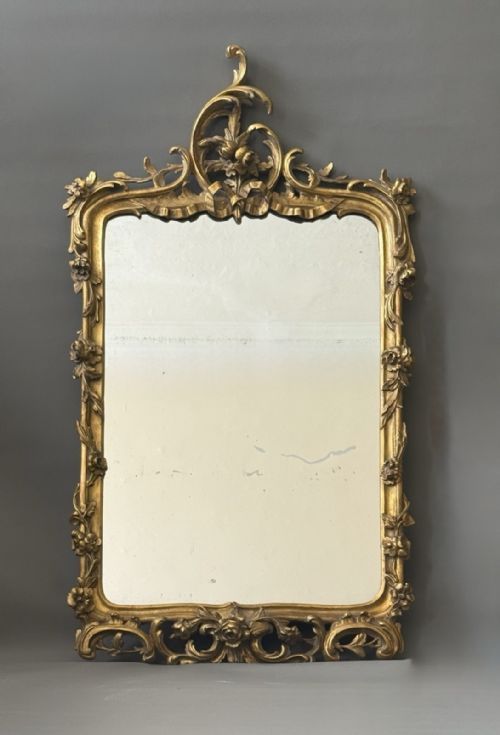
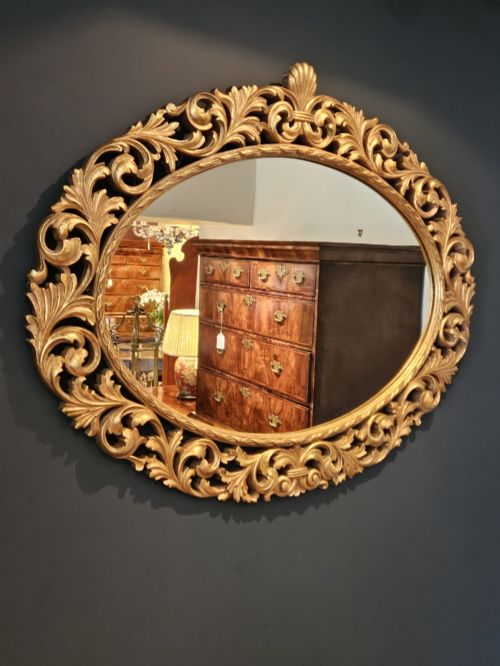
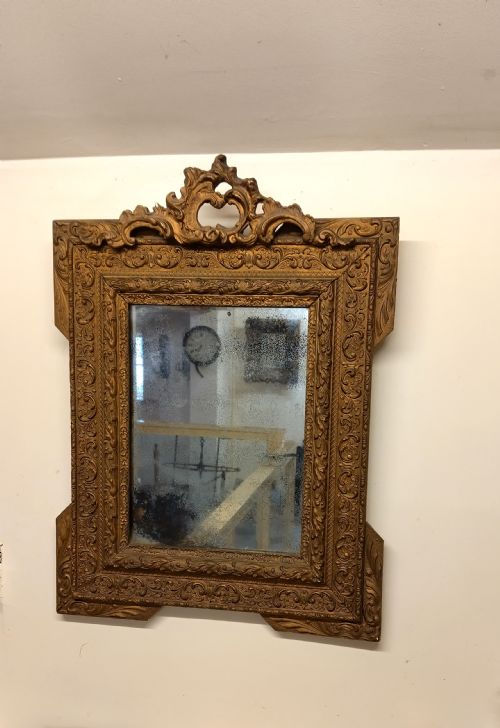
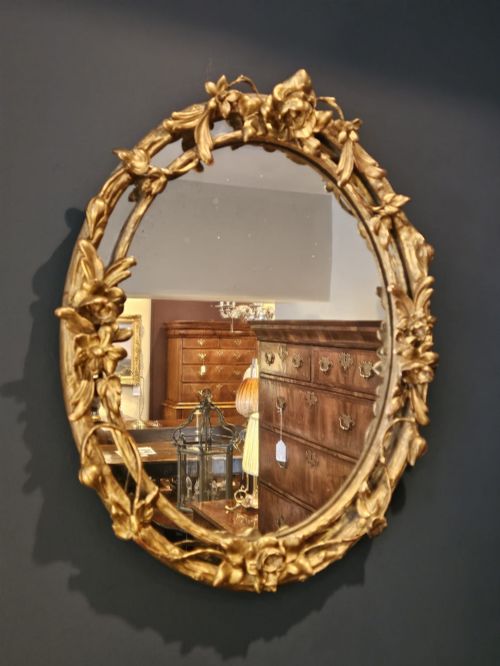
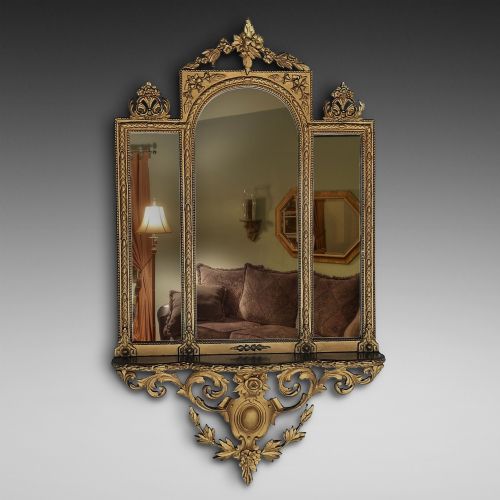
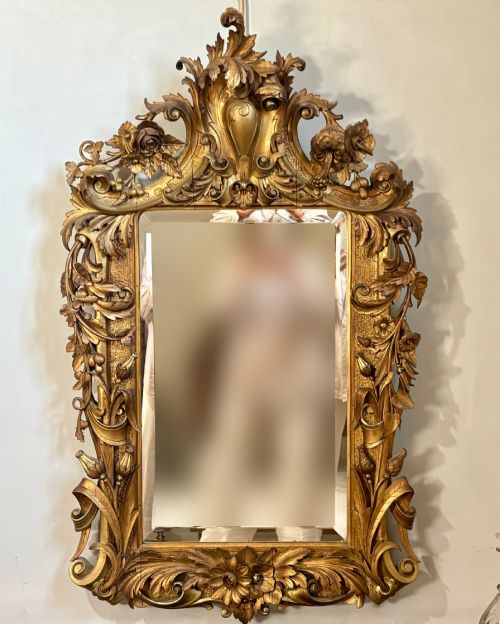
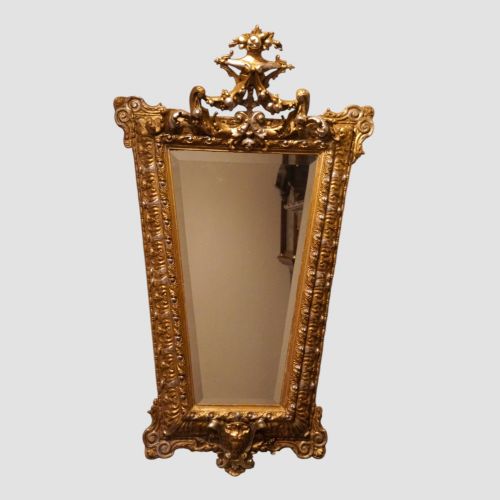
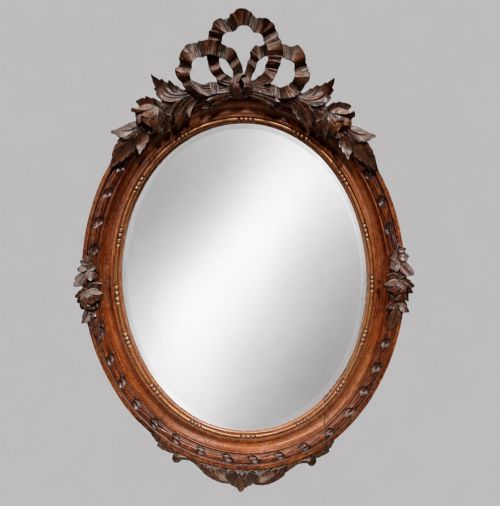
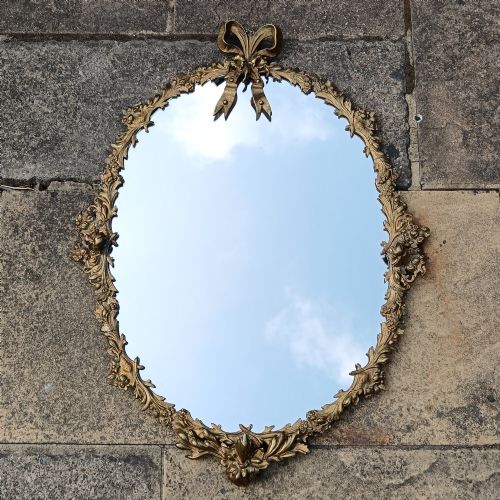
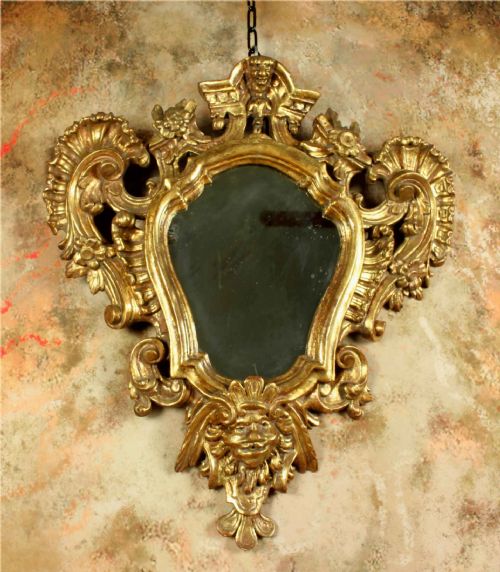
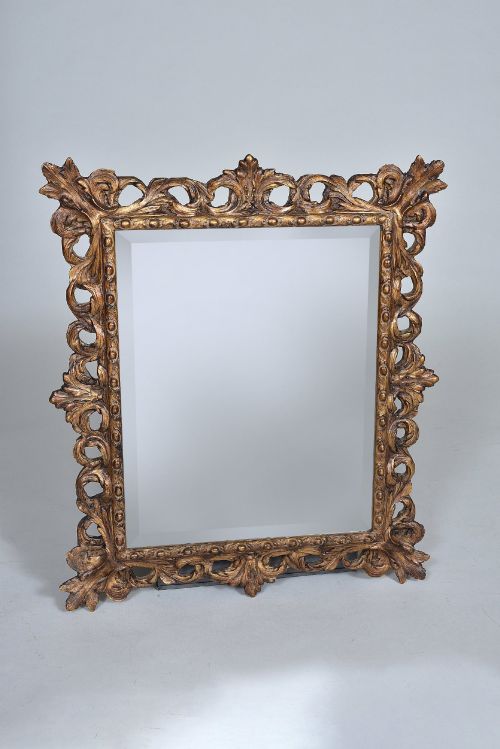
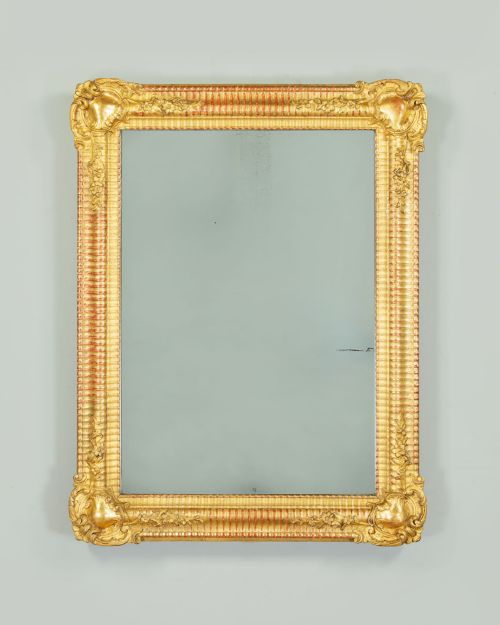
An ornate french hanging mirror brings distinct Continental presence to a room, catching the light in heavily carved and gilded frames.
Ornate French Hanging Mirror
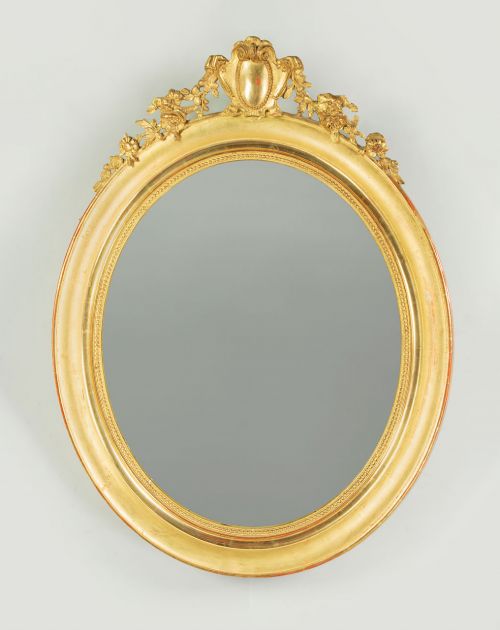
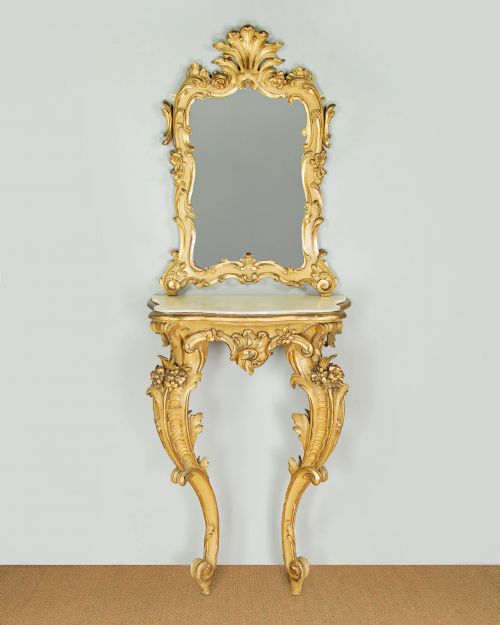
An ornate french hanging mirror combines sculptural depth with decorative glass, reflecting period aesthetics from the eighteenth, nineteenth, and early twentieth centuries. These pieces appear most frequently in nineteenth-century interpretations of Rococo and Louis XVI revivals, bringing elaborate crests and asymmetrical scrolls into domestic spaces.
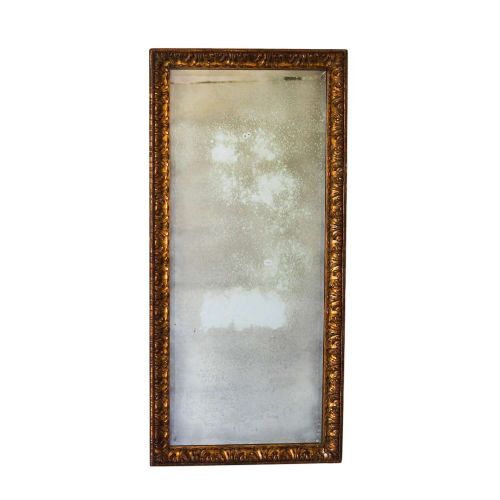
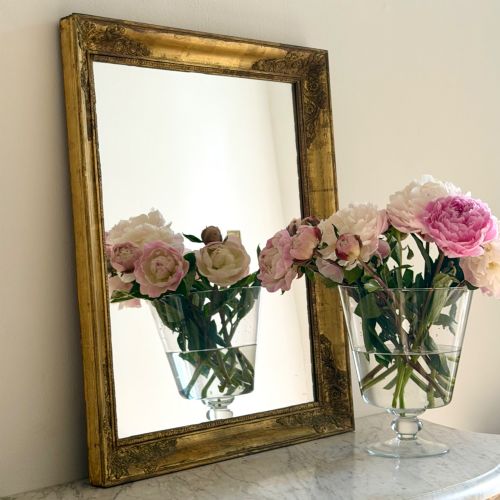
The selection ranges from tall rectangular frames to compact ovals and trapezoidal shapes intended for wall mounting. Buyers encounter timber and gesso constructions shaped with floral motifs, rose vines, and occasionally mythical creatures.
Continental origins shape these designs, drawing on French chateau aesthetics and classical revivalism. The wall mirrors and console table pairings on this page reflect the enduring appeal of gilt ornamentation in period interiors.
Materials and construction
Carved timber and gilded wood form the structural backbone of these pieces, overlaid with gesso to create smooth surfaces for intricate relief work. Artisans applied gold leaf and composition ornament to build up high-relief scrolls and floral garlands.
Gilt bronze and pressed brass also appear in the metalwork frames, offering crisp cast detail for neoclassical and rococo motifs. Silver-gilt treatments and antique glass plates complete the assembly, retaining historic surface character.
Several mirrors incorporate fierce dragons and mythical crests, proving that historical interior decorators enjoyed a touch of drama.
Evaluating craftsmanship
The depth and crispness of the carving distinguish finer examples from simpler production, separating hand-modelled gesso and deeply gouged timber from shallow moulded substitutes. Superior frames maintain sharp relief in the acanthus leaves, crests, and scrolls without losing definition under layers of historic gilding.
The integration of the plate within the frame dictates overall harmony, where original antique glass with gentle oxidation sits securely behind well-proportioned moulding. Better pieces display considered proportions between the decorative surround and the reflective surface, ensuring the ornamentation frames the view rather than overwhelming it.
The Ornate French Hanging Mirror Glossary
- Gesso
- A plaster-like mixture applied to wood frames to create a smooth surface for carving or gilding. This material allows artisans to model intricate relief ornamentation before applying gold leaf.
- Giltwood
- Timber that has been coated with gold leaf or gold paint. It provides the signature metallic warmth seen on historical decorative frames.
- Rococo Revival
- A nineteenth-century design movement that emulates the curving asymmetry, C-scrolls, and naturalistic motifs of the eighteenth-century French style. It dominates many ornate nineteenth-century mirror frames.
- Composition
- A moulded mixture of whiting, resin, glue, and linseed oil pressed into shape and applied to wooden frames. It enabled makers to produce repetitive decorative details efficiently.
- Overmantel mirror
- A large horizontal mirror designed specifically to hang above a fireplace mantel. These pieces anchor the visual weight of a chimneypiece within a room.
Ornate French Hanging Mirror: Frequently Asked Questions
How do I hang a heavy giltwood mirror?
Heavy carved frames require robust wall fixings anchored directly into structural studs or masonry rather than standard plasterboard hooks. Professional mirror hangers utilise heavy-duty D-rings and steel wire rated well above the weight of the timber and glass.
Position the mirror at eye level to ensure proper reflection and balance within the room. Distributing the weight evenly across multiple mounting points protects antique wooden joints from undue strain.
How do I clean an antique gilt frame?
Dust the carved surfaces gently with a soft, dry artist brush or ostrich feather duster to remove loose particles without disturbing the surface. Avoid using water, chemical sprays, or modern detergents, which can dissolve historic water-gilding or composition ornament.
For the glass plate, apply a mild alcohol-free cleaner to a microfiber cloth rather than spraying directly onto the mirror. This prevents liquid from seeping behind the bevelled edges and damaging the silver backing.
Are these mirrors genuinely French?
Many pieces originate from France, while others reflect broader Continental manufacturing traditions influenced by French taste. Nineteenth-century workshops across Europe frequently adopted French Rococo and Louis XVI revival styles for an international clientele.
Examining the construction methods, backing timbers, and gilding techniques helps identify regional workshop practices. Stylistic details often point to specific revival periods rather than exact geographic origins.
How do I date a gilded wall mirror?
Dating relies on analysing the backing boards, assembly techniques, and the composition of the frame materials. Eighteenth-century examples feature hand-cut timbers and distinct hand-applied gesso, whereas nineteenth-century pieces often utilise machine-sawn backing and composition ornaments.
The character of the glass plate also offers clues, as antique mirror glass frequently displays slight imperfections, foxing, or bevelled edges consistent with older manufacturing processes.