

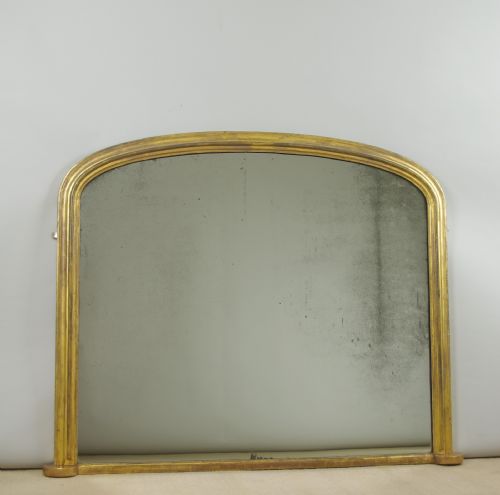


Vintage Gold Mantle Mirror
When you search for vintage gold mantle mirror, you seek grand frames that anchor a room with gilded reflection.
Vintage Gold Mantle Mirror
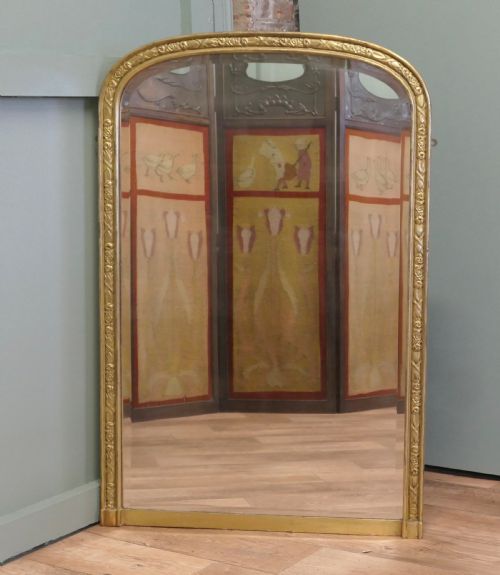
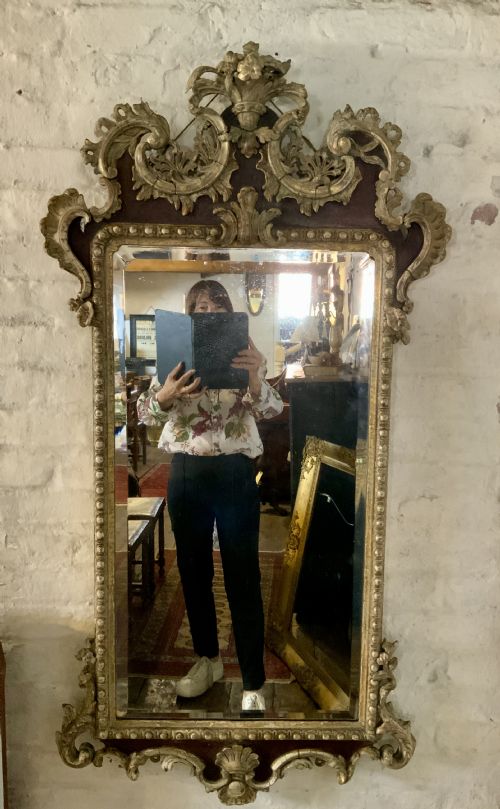
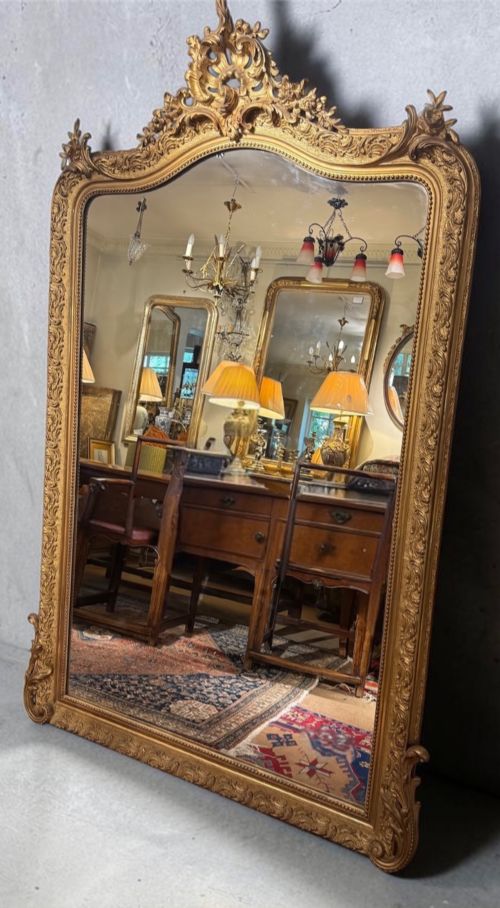
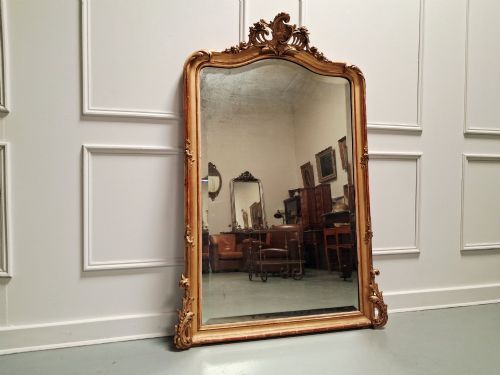
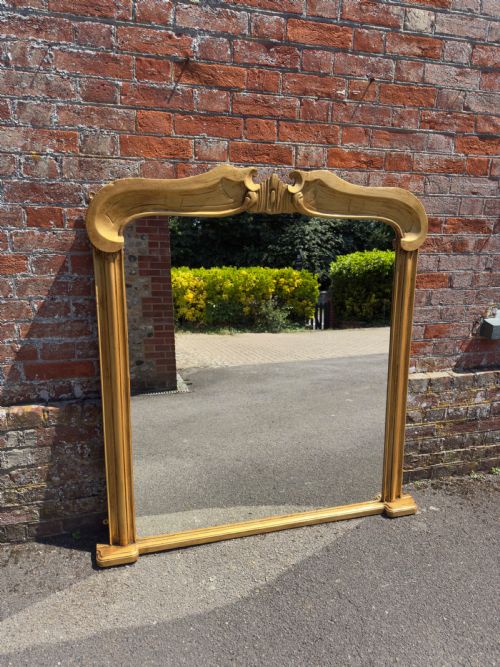
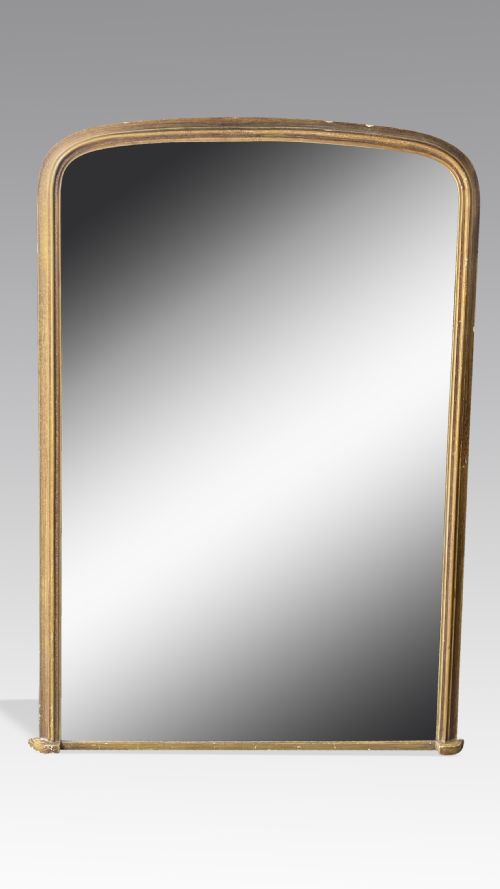
A vintage gold mantle mirror is designed to sit above a fireplace hearth, using its reflective surface to bounce light around a room. These pieces appear frequently as large arch top overmantle mirrors originating from nineteenth-century France and England.
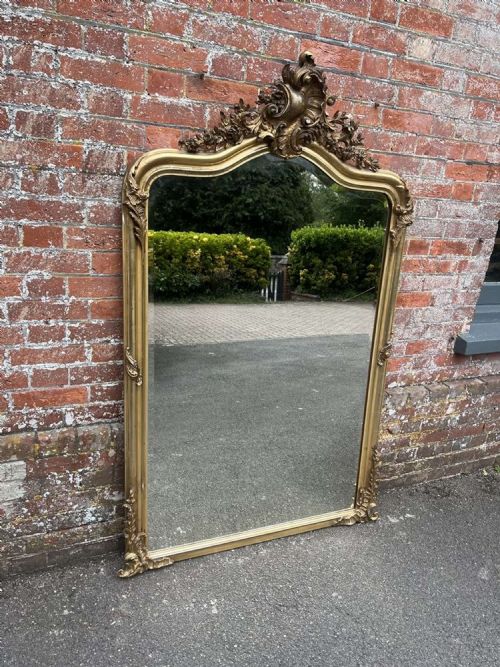
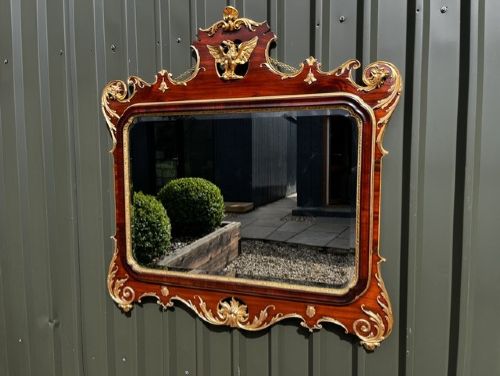
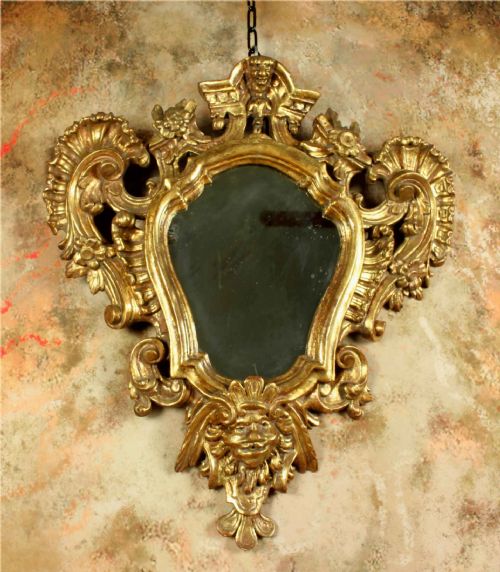
The selection ranges from restrained Louis Philippe wall mirrors with clean lines to ornate French Rococo Revival and Victorian pieces featuring carved details. Walnut and mahogany woods also emerge alongside standard giltwood finishes.
How they were made
Carved wood and gesso provide the foundation for many frames, allowing artisans to build up elaborate ornamental scrolls and shaped tops before applying gold leaf or composition. Mercury glass appears in earlier pieces, while later examples utilise bevelled mirror plates.
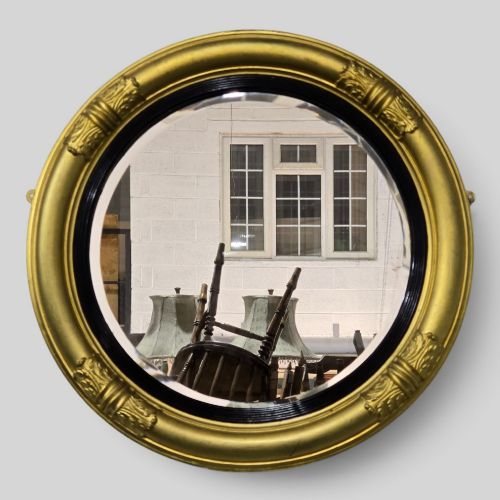
Joinery methods combine traditional timber framing with applied ornamentation, often utilising ebonised accents alongside gold leaf to create high contrast.
What varies in quality
Depth and crispness of the carving separate master craftsmanship from standard production, particularly where gesso ornaments meet the wooden substrate. Hand-applied gold leaf displays a warmer, more nuanced lustre than uniform modern metallic paint.
The condition of the original mirror plate matters greatly, with period foxing and mercury clouding adding authentic character that machine-made glass lacks.
The Vintage Gold Mantle Mirror Glossary
- Giltwood
- Wood that has been coated with gold leaf or gold powder. This surface finish creates the characteristic warm metallic sheen found on period frames.
- Gesso
- A plaster-like mixture applied to wood frames to create a smooth surface for carving and gilding. Artisans mould this material into elaborate relief decorations.
- Overmantel
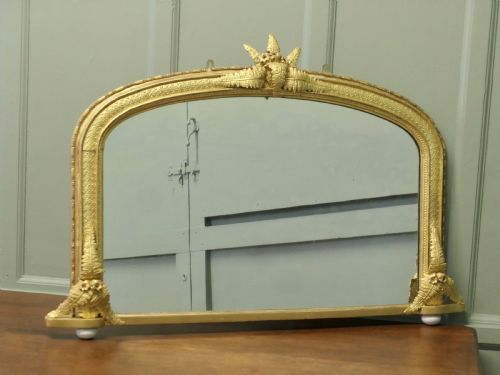
- A large mirror specifically proportioned to hang above a fireplace mantelpiece. These frames often feature horizontal formats or tall arched tops.
- Foxing
- Age-related spots and discoloration within the silvering of a mirror plate. This natural oxidation process creates dark speckles across the glass.
- Louis Philippe
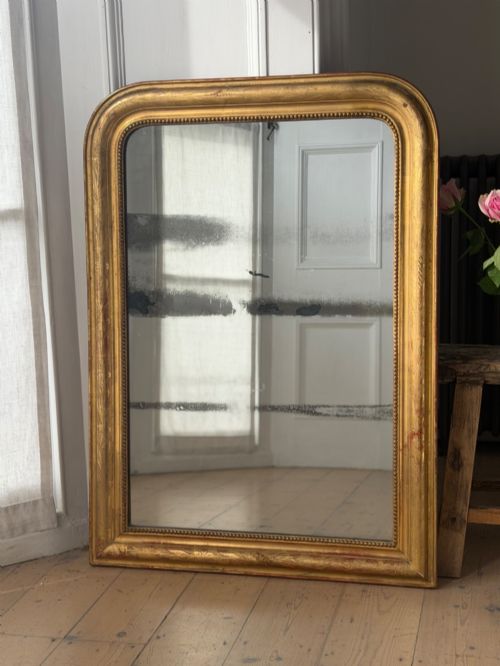
- A nineteenth-century French style characterised by simple, elegant lines and gently rounded upper corners. These frames offer a more understated aesthetic than heavy rococo designs.
Vintage Gold Mantle Mirror: Frequently Asked Questions
How do I hang a heavy overmantel mirror?
These large frames require secure wall anchors fixed directly into masonry or heavy studwork to support their substantial weight safely above a fireplace.
Professional mirror fixings distribute the load evenly across the frame structure to prevent twisting over time.
What is the difference between an overmantel and a wall mirror?
An overmantel mirror is specifically proportioned in width and height to sit comfortably above a fireplace mantelpiece. Standard wall mirrors follow independent dimensions intended for general room placement.
Both types utilise similar giltwood and gesso construction methods depending on the period.
How do I clean antique gilt frames?
Dust the carved surfaces gently with a soft, dry brush to protect the delicate gold leaf and gesso layers from damage. Avoid liquid cleaners entirely, as moisture strips historic gilding.
Glass plates can be wiped carefully with a mild glass cleaner applied to a cloth rather than sprayed directly onto the frame.
How do I identify a French Louis Philippe mirror?
Look for the signature rounded upper corners combined with a clean, unadorned wooden frame that relies on proportion rather than heavy carving. These pieces date primarily from the nineteenth century.
They offer a subtle elegance that bridges traditional and contemporary interiors seamlessly.