

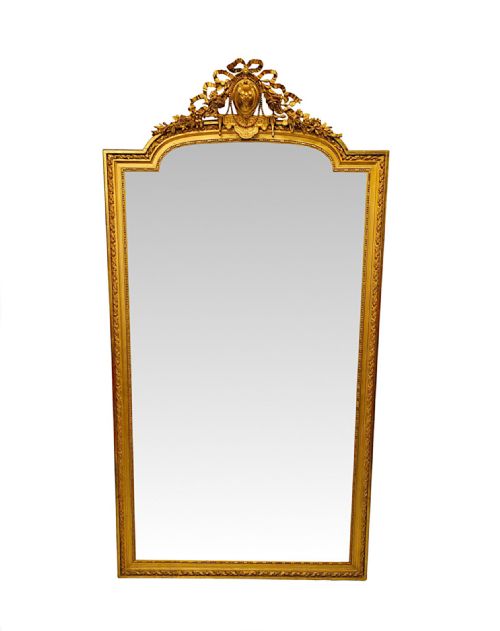
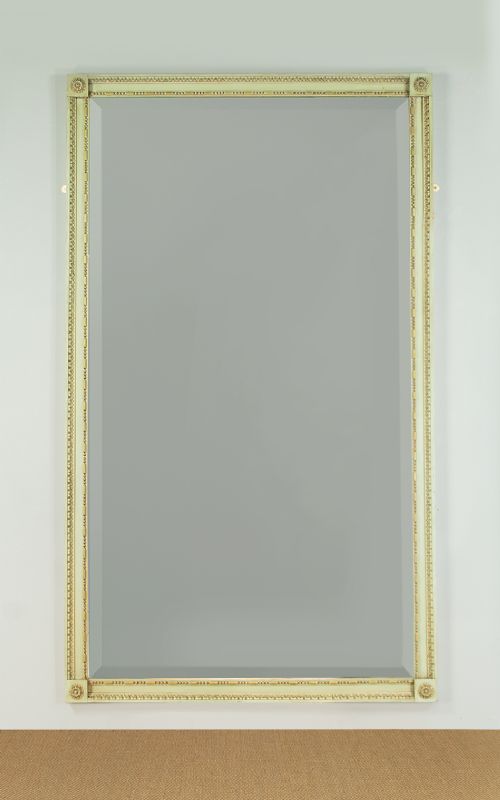
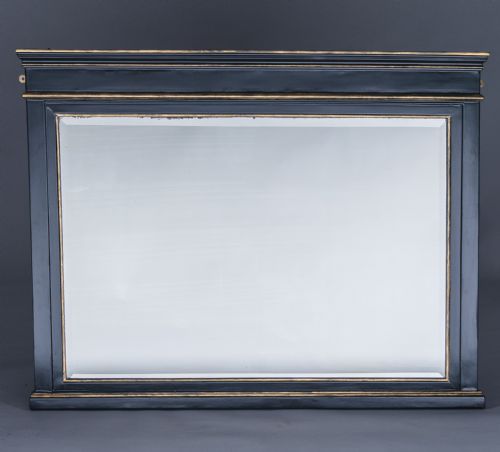
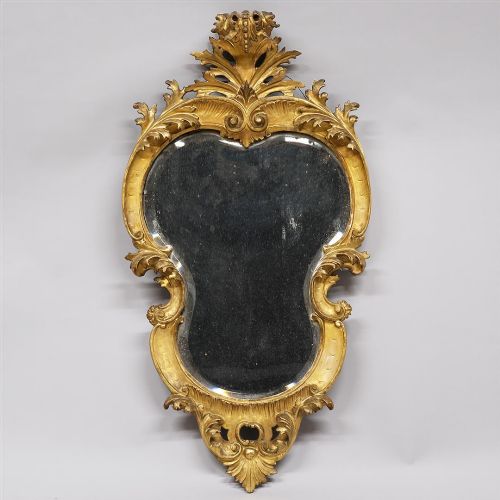
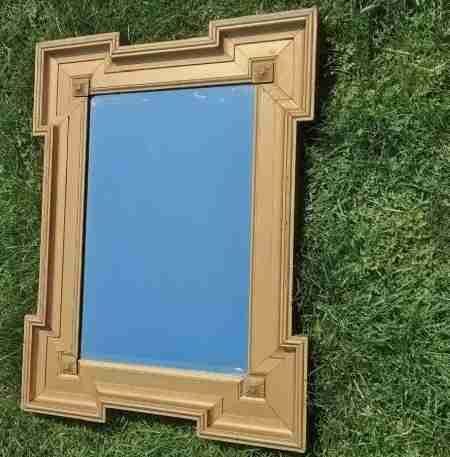
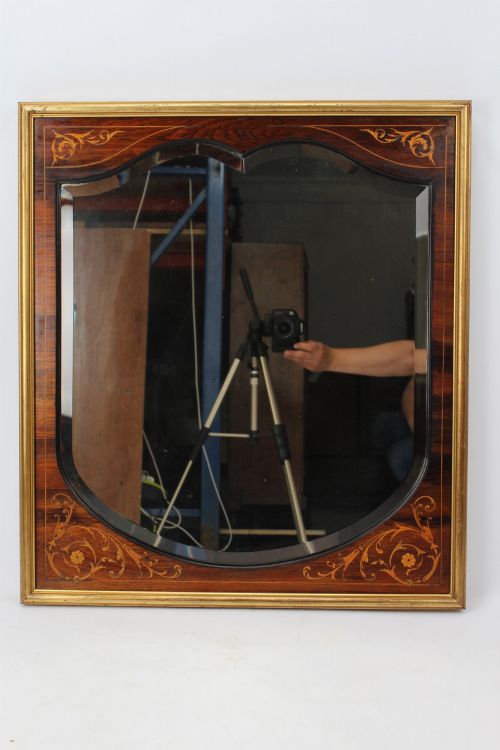
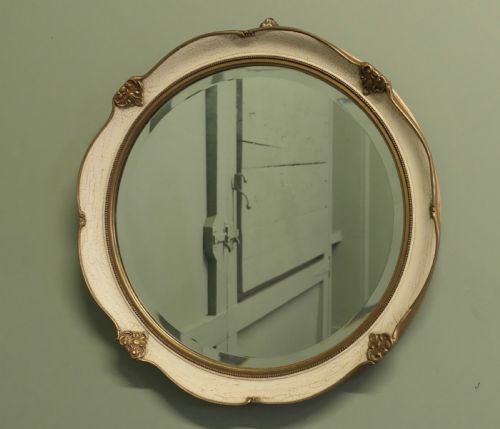
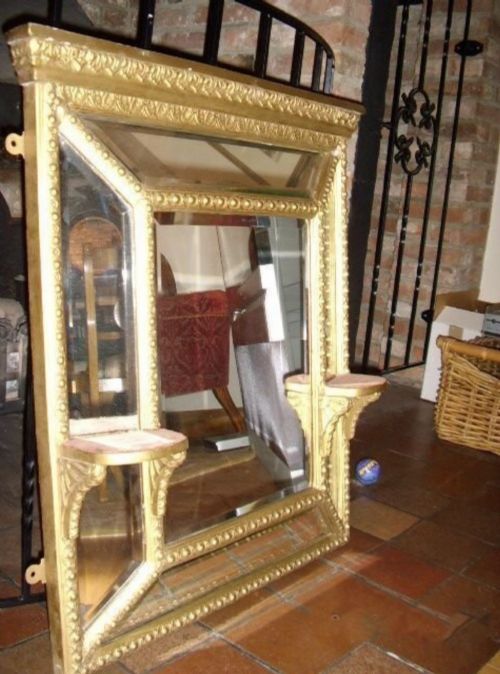
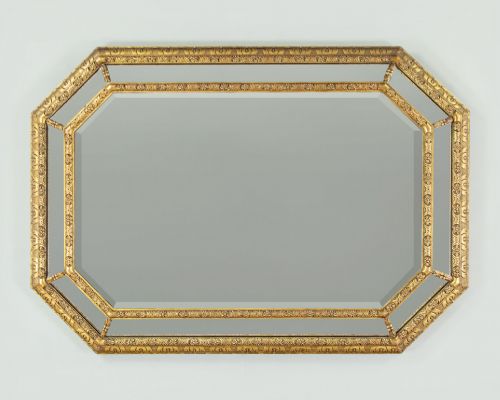
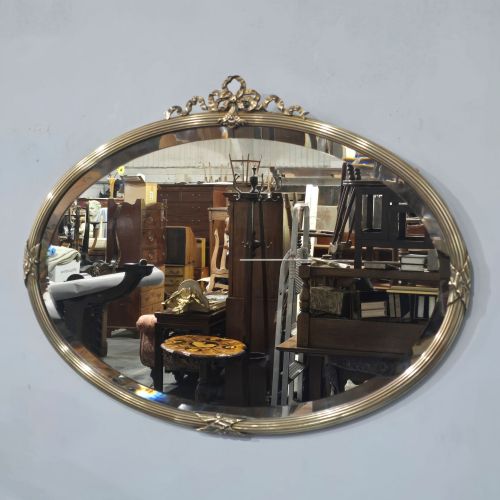

Bevelled Gilt Wall Mirror
When you search for a bevelled gilt wall mirror, you encounter centuries of decorative glass framed in gold leaf, gesso and carved timber designed to catch the light.
Bevelled Gilt Wall Mirror
A bevelled gilt wall mirror brings reflective depth and metallic warmth to an interior, functioning as both an optical device and a decorative centrepiece. These pieces span from the Georgian period through the Victorian era and into early twentieth-century revivals.
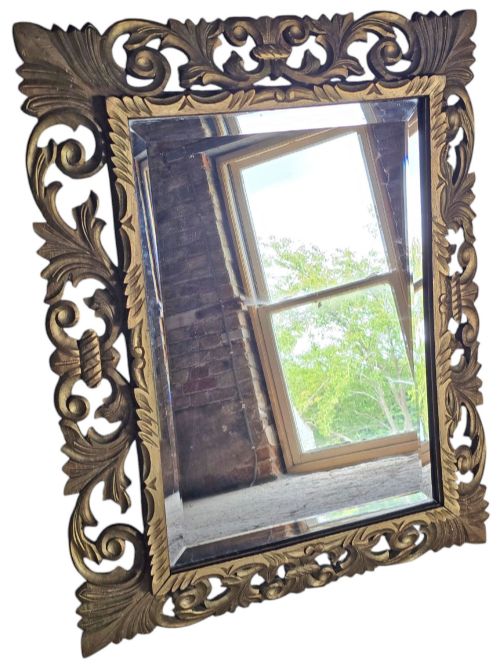
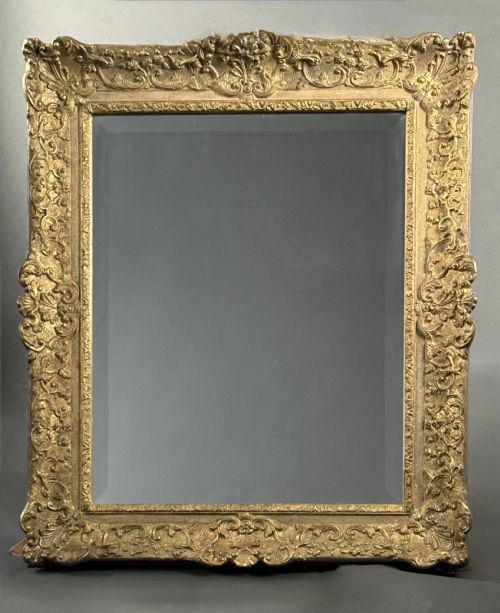
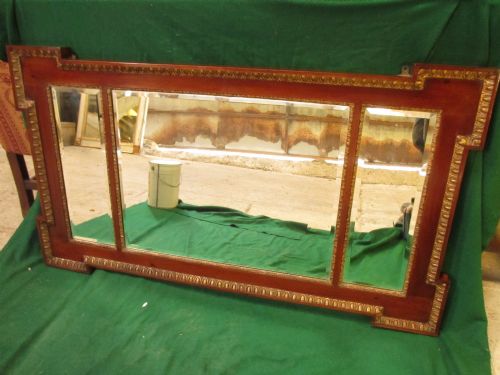
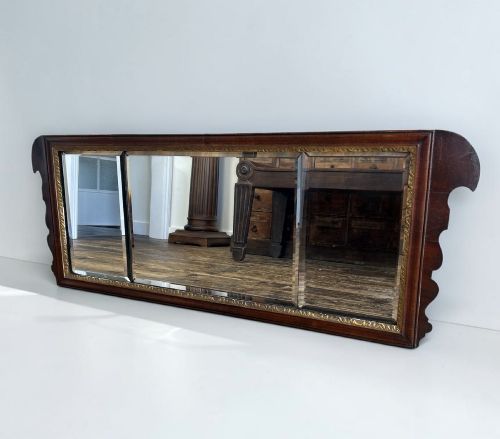
The inventory includes overmantel mirrors, tall dressing glasses, pier mirrors and compact wall pieces. French Chateau, Rococo Revival and Florentine styles appear frequently, alongside simple cushion frames and geometric Edwardian designs.
Origins range across English workshops, French studios and Italian centres of production. Many pieces utilise traditional forms derived from eighteenth-century design vocabulary executed in later periods.
Materials and construction methods
Makers shaped wooden carcasses from pine, oak, mahogany or walnut to form the structural foundation of the frame. Applied gesso provided a smooth surface for subsequent ornamentation, allowing carvers to render intricate foliage, scrolls and beaded borders.
Gilding relied on gold leaf or water gilding applied over bole, while other examples received liquid metal finishes or painted treatments. Mirror plates feature hand-bevelled edges, reflecting traditional glass-cutting techniques alongside occasional mercury glass plates.
Listings feature eighteenth-century design influences executed during the Victorian and Edwardian eras in gesso, giltwood and mahogany.
Distinctions in manufacture and preservation
Quality rests in the crispness of the carved gesso decoration and the depth of the gilding. Superior examples display hand-carved wooden details rather than moulded composition ornaments, alongside heavy, clear glass plates with pronounced hand-bevels.
The integrity of the original gilt surface and the stability of the timber frame dictate the character of the piece. Surviving backboards, original mercury or thick bevelled glass plates and undisturbed gilding elevate the standing of an individual mirror.
The Bevelled Gilt Wall Mirror Glossary
- Giltwood
- Timber carved and coated with gold leaf or metallic powder. This material defines the bright, reflective borders characteristic of formal wall mirrors.
- Gesso
- A mixture of plaster of Paris, chalk and size applied to a wooden frame. Artisans carve and mould this preparation to create raised decorative motifs before gilding.
- Overmantel mirror
- A large horizontal looking glass designed to hang above a fireplace mantel. These pieces often feature triple plates or architectural frames.
- Pier mirror
- A tall, narrow glass made to fit the wall space between two windows. They maximise available daylight in period rooms.
- Bevelled glass
- A mirror plate with angled, ground edges that refract light. This process creates a distinct prismatic border around the reflection.
Bevelled Gilt Wall Mirror: Frequently Asked Questions
What is an overmantel mirror?
An overmantel mirror is a wide horizontal glass specifically proportioned to sit above a fireplace opening. These pieces anchored nineteenth-century interior schemes by reflecting light across the room.
They frequently incorporate multiple glass plates and decorative crestings to balance the weight of the mantelpiece below.
How do I date a gilt mirror?
Dating relies on examining the construction of the wooden frame, the composition of the gesso, and the manufacturing traits of the glass plate. Georgian and Victorian pieces show distinct joinery methods and carving styles.
Backboards, fixings and the type of gilding also provide clear physical evidence of the decade of manufacture.
Where should I hang a wall mirror?
Wall mirrors function best opposite windows to maximise natural illumination and expand the visual depth of a space. Hallways, living rooms and bedrooms accommodate various scales from compact pier glasses to large floor-standing mirrors.
Wall construction must support the substantial weight of timber, gesso and thick glass assemblies.
What does a bevelled edge indicate?
A bevelled edge refers to the sloped perimeter ground into the glass plate. This technique demonstrates skilled handwork or specialised early machinery designed to catch ambient light.
Original bevelled plates often display subtle optical distortions and minor age variations characteristic of period glass production.