
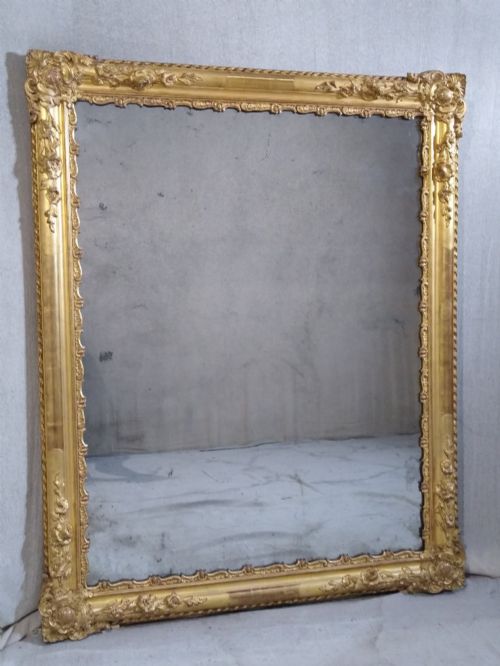
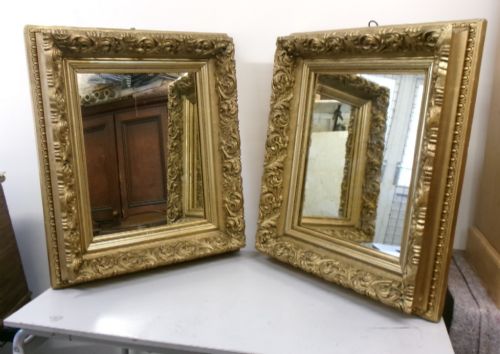


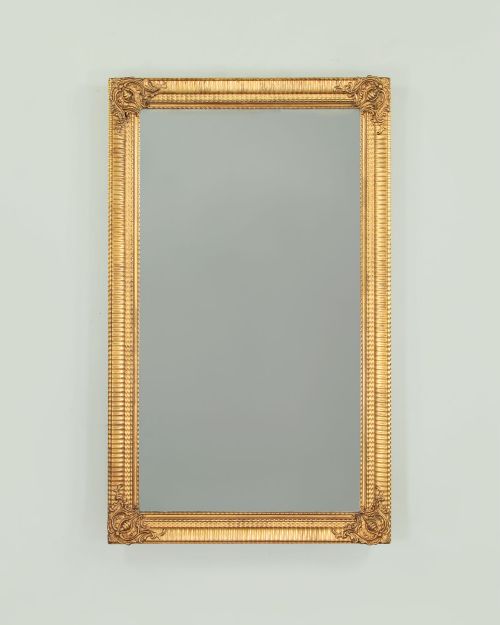
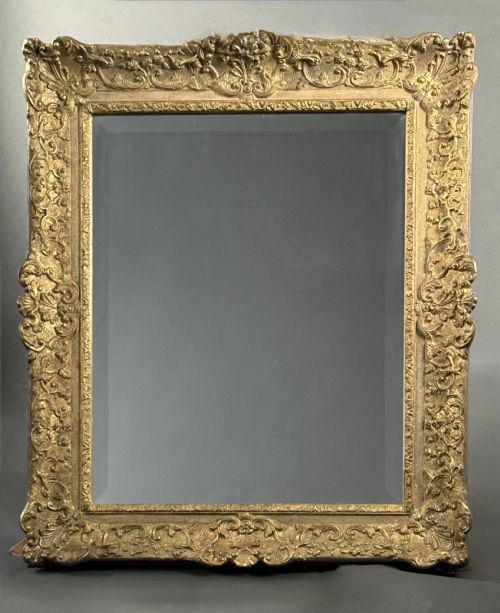
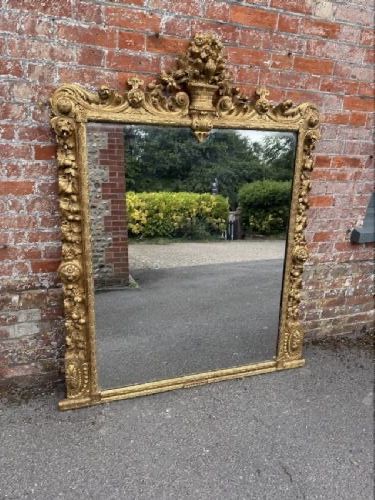
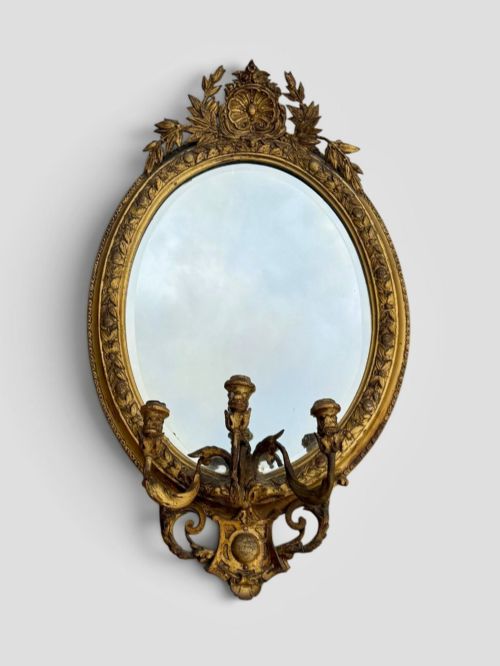
Victorian French Gilt Mirror
When you search for a victorian french gilt mirror, you enter a room of tall glass, curved wood, and burnished gold.
Victorian French Gilt Mirror
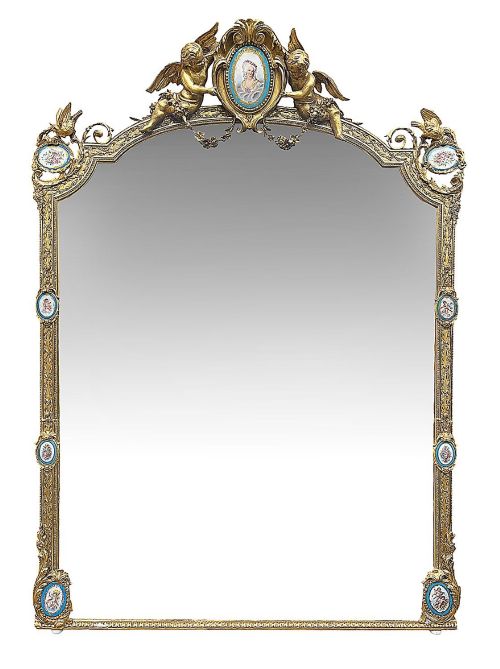
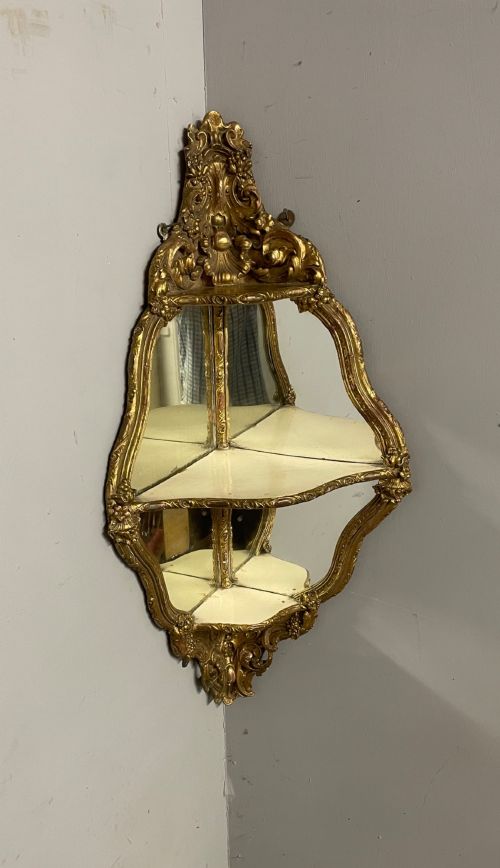
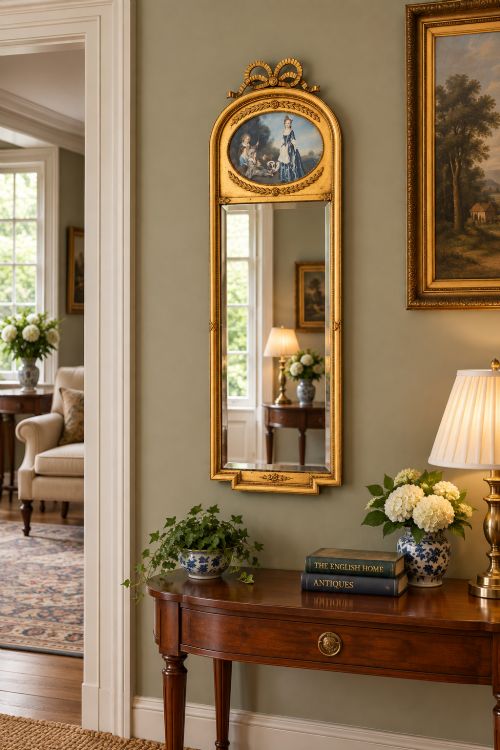
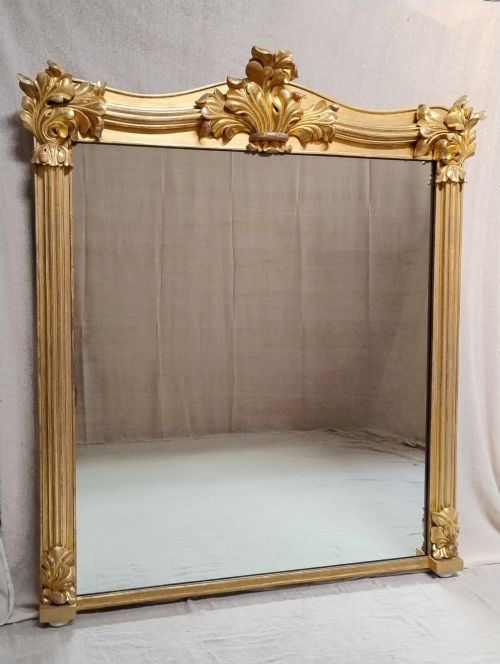
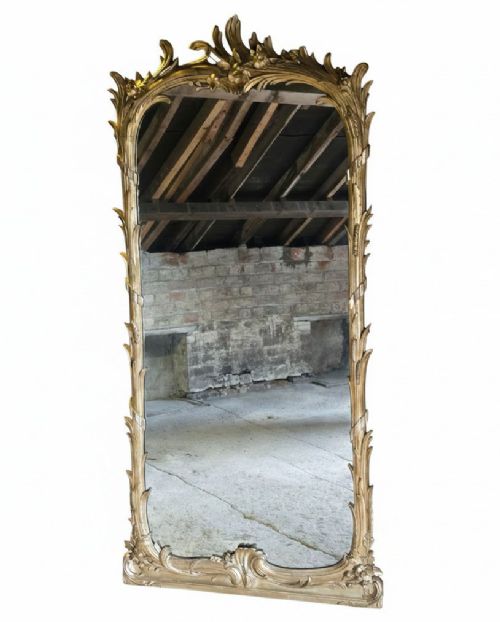
A victorian french gilt mirror brings together nineteenth-century craftsmanship and grand continental styles, with overmantle mirrors, wall mirrors, and pier glasses forming the core of what you will meet on this page.
The periods span the nineteenth century, encompassing Victorian output alongside Rococo Revival, French Chateau, and Louis Philippe designs, all sharing a heavy emphasis on ornate framing and large proportions.
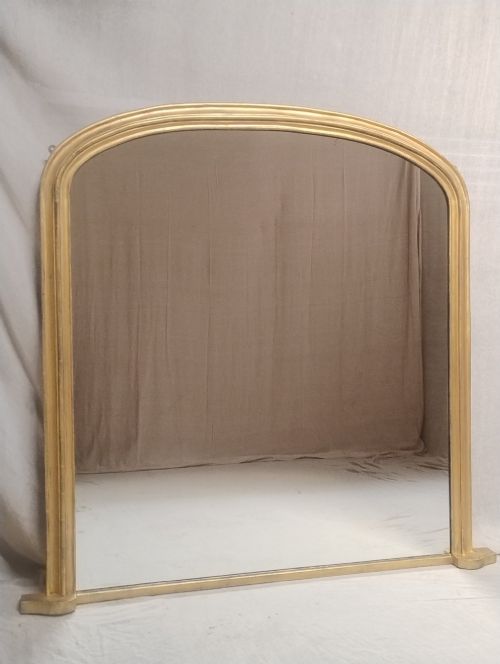
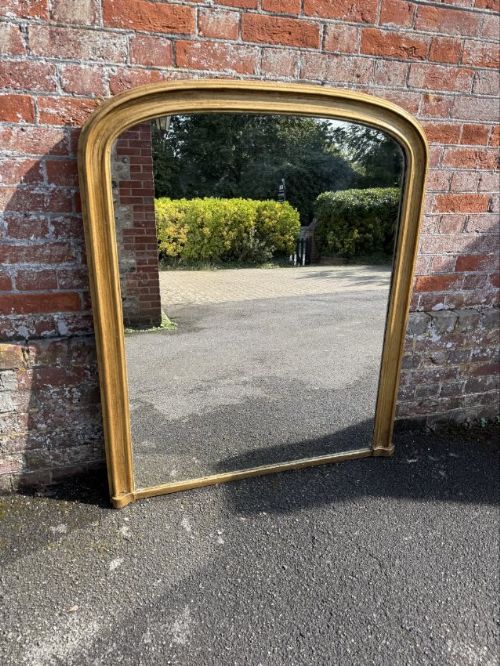
Many examples utilise arched tops, rectangular plates, or triple plates designed to sit above a fireplace mantel or command a primary wall in a principal room.
Materials and construction
Makers built the structural foundation from timber, often applying a layer of gesso or plaster to carve intricate scrolls, floral motifs, and rope twists before applying gold leaf or gilding.
Glass plates, occasionally featuring foxing or bevelled edges, rest within these heavy wooden and composition frames, supported by panel backboards appropriate to the period.
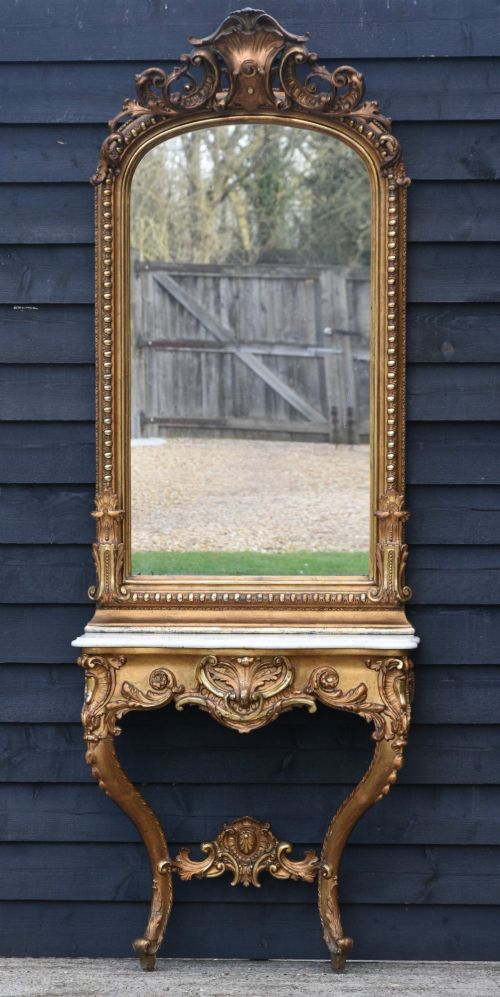
Listings feature eighteenth and nineteenth-century forms including girandoles, console tables, and triple plate overmantles.
Judging quality
Quality rests in the depth and crispness of the carved wood and gesso ornamentation, where sharp relief work distinguishes superior artisan output from simpler moulded pieces.
The preservation of the original gold leaf or gilding, alongside the clarity or character of the mirror glass itself, determines the integrity of the piece over time.
The Victorian French Gilt Mirror Glossary
- Giltwood
- Wood that has been coated with gold leaf or a gold-coloured finish. This material forms the primary reflective frame for many nineteenth-century pieces.
- Gesso
- A plaster-like mixture applied to a wooden base and carved into decorative details. It allows for high-relief ornamentation before gilding takes place.
- Overmantle mirror
- A large horizontal mirror designed to sit directly above a fireplace mantel. These pieces frequently incorporate arched tops and heavy frames.
- Pier glass
- A tall mirror intended to hang on the narrow pier of wall between two windows. They often accompany matching console tables.
- Girandole
- A decorative wall mirror fitted with candle sconces attached to the frame. The polished glass reflects the candlelight across the room.
- Foxing
- Age-related spotting and discoloration within the mirror glass itself. This chemical change creates dark patches that collectors associate with antique authenticity.
Victorian French Gilt Mirror: Frequently Asked Questions
Where should I hang an overmantle mirror?
These large mirrors traditionally sit directly above a fireplace mantel to reflect light and anchor the room's main reception space.
Ensure the wall fixings match the heavy weight of the wood and gesso frame before mounting.
How do I clean the original glass?
Use a soft, dry cloth to remove dust from the glass surface without disturbing the surrounding gilt frame.
Avoid harsh chemical cleaners that might seep behind the plate and damage the original backing or foxed areas.
What is the difference between a pier glass and a wall mirror?
Pier glasses are specifically proportioned to fit the narrow wall space between windows, often paired with low console tables.
Standard wall mirrors feature more balanced rectangular, oval, or arched dimensions suited to wider open wall spaces.
How can I tell a Victorian piece from an Edwardian one?
Victorian examples tend to display heavier Rococo Revival or French Chateau ornamentation with deep carving and pronounced crests.
Later nineteenth-century and Edwardian pieces sometimes shift toward cleaner lines while retaining traditional gilding techniques.