
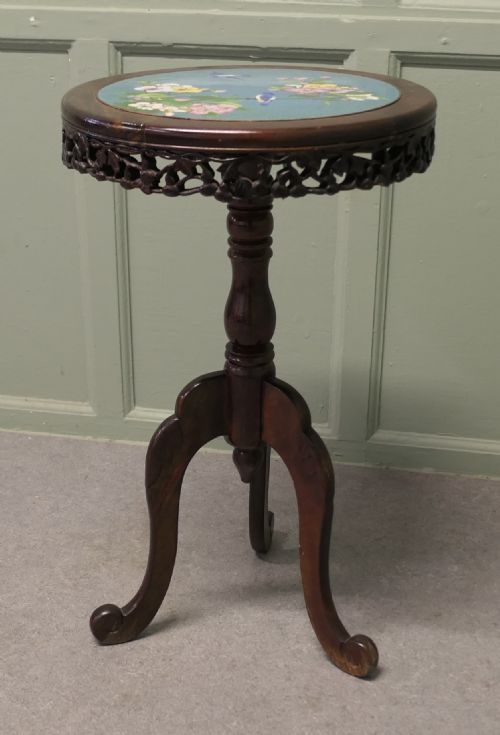


Ornate Carved Side Table
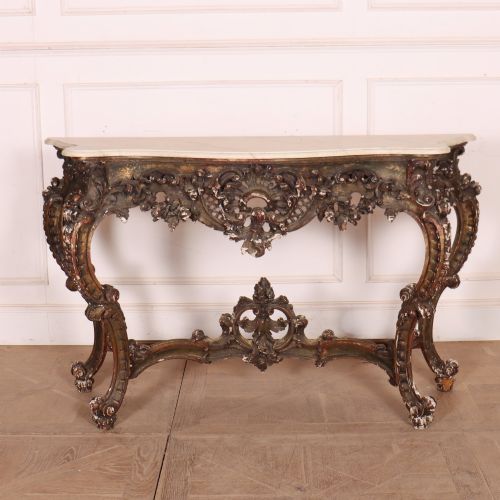
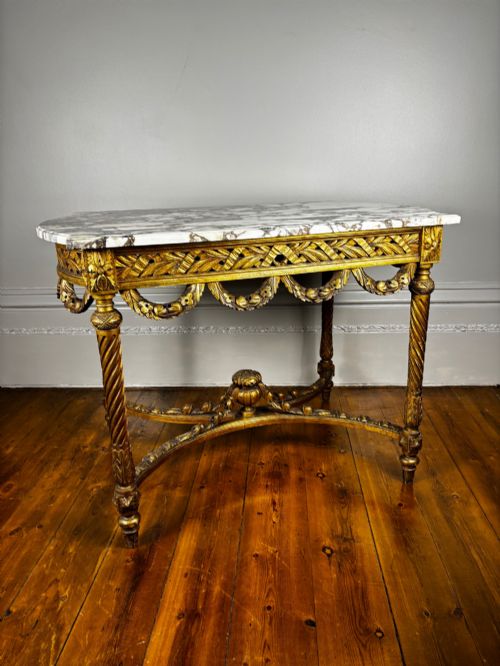
An ornate carved side table brings heavy marble tops and elaborate giltwood frames into a room, serving as a striking focal point for display.
Ornate Carved Side Table
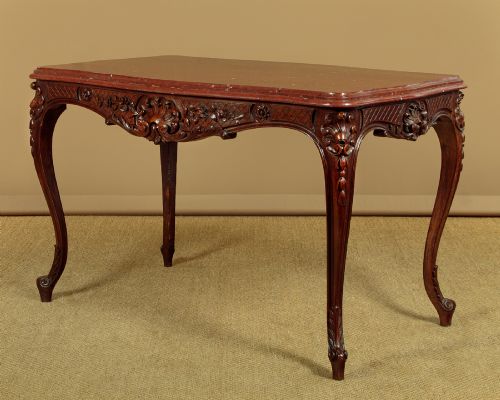
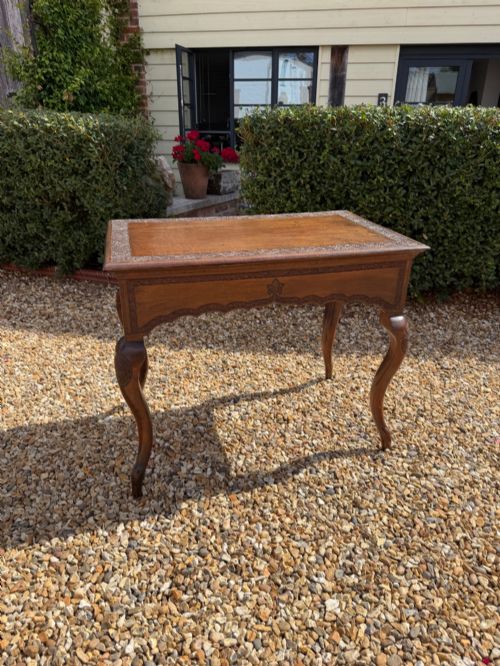
When you search for an ornate carved side table, you encounter console tables, centre tables, and occasional tables dating from the eighteenth century through to the early twentieth century. These pieces originate from diverse European and Asian workshops, spanning French Rococo, Italian, and Anglo-Indian traditions.
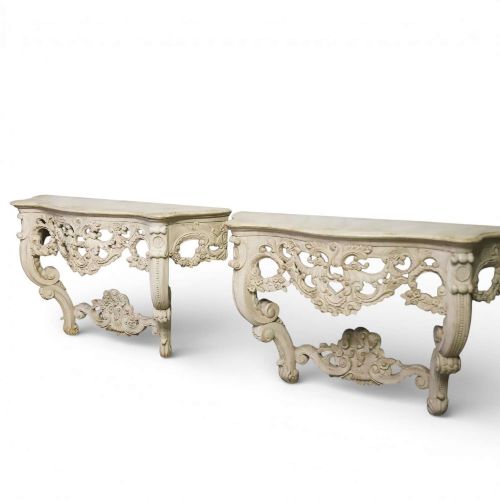
The most common examples on this page are nineteenth-century French and Italian console tables featuring heavy marble tops, alongside intricately carved wooden pedestal and occasional tables from regional traditions.
Materials and Construction
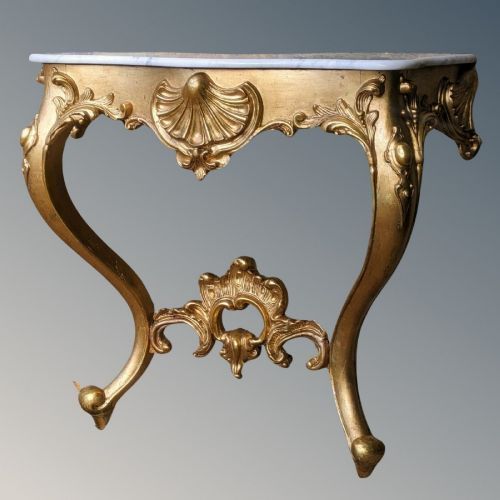
Cabinet makers utilised dense timbers such as walnut, mahogany, rosewood, and hardwood to support substantial stone surfaces. Carvers shaped these woods deeply, often finishing the frames with gesso and layers of gold or silver leaf to achieve a reflective, opulent finish.
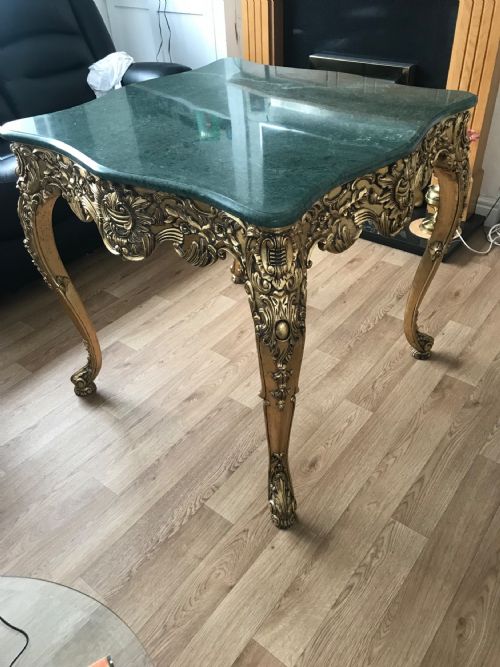
Tops frequently consist of polished marble slabs, including white Carrara, rouge, and green varieties, fitted precisely to the wooden frames. Regional pieces incorporate specialist techniques such as mother-of-pearl inlay and intricate hand-carved surface patterns.
Several tables feature carved dolphins supporting heavy marble tops, bringing deep-sea drama directly into the formal parlour.
Standard and Craftsmanship
Quality rests upon the depth and crispness of the carving, where sharp, undercut foliage and figures demonstrate superior hand skills compared to shallow, mechanical moulding. The selection of materials also dictates standard, with solid hardwood frames and heavy, well-figured marble slabs sitting at the upper end of the scale.
Proportion and structural integrity separate fine examples from lesser pieces. The alignment between the carved wooden base and the weight of the stone top dictates the overall harmony of the furniture.
The Ornate Carved Side Table Glossary
- Console table
- A table designed to stand against a wall, frequently secured to it for stability due to its narrow footprint. These pieces often feature elaborate front legs and flat backs.
- Giltwood
- Timber coated with gold leaf or powder over a prepared gesso ground. This treatment creates a brilliant metallic surface typical of formal European interiors.
- Gesso
- A plaster-like mixture applied to wood surfaces as a smooth base for gilding and painting. It allows craftsmen to model sharp decorative details before applying metal leaf.
- Serpentine
- A curved line that undulates inwards and outwards, commonly seen on the front edges of marble tops and wooden aprons. This contour adds movement to formal furniture forms.
- Rococo
- An ornate design style characterised by asymmetrical scrollwork, C-curves, and naturalistic plant motifs. It dominated decorative arts during the eighteenth century and saw major revivals later.
Ornate Carved Side Table: Frequently Asked Questions
Where do I put a console table?
These narrow tables suit entrance halls, living rooms, and dining spaces where floor space is limited. They fit flat against a wall, often beneath a mirror or painting.
Because many examples carry heavy marble tops, positioning them in low-traffic zones or anchoring them securely prevents accidental tipping.
How do I clean a marble top?
Dust the surface regularly with a soft, dry cloth. For deeper cleaning, use a damp cloth with mild, pH-neutral soap, avoiding acidic substances like lemon or vinegar.
Dry the stone thoroughly immediately afterwards to prevent water marks or dull spots on polished surfaces.
Are these tables sturdy?
Console tables designed to stand against walls frequently rely on wall fixings for total stability, especially when supporting heavy stone tops. Freestanding centre tables use wide bases or sturdy legs to distribute weight evenly.
Checking the joints where legs meet the apron reveals the structural soundness of the piece.
How do I spot a revival piece?
Revival pieces from the nineteenth and early twentieth centuries adopt earlier stylistic vocabulary, such as seventeenth-century motifs or eighteenth-century Rococo curves. Tool marks, timber shrinkage, and construction methods help distinguish these later interpretations from original eighteenth-century works.