




Late 18th Century Console
These late 18th century console tables bring architectural elegance and fine cabinet-making to an interior.
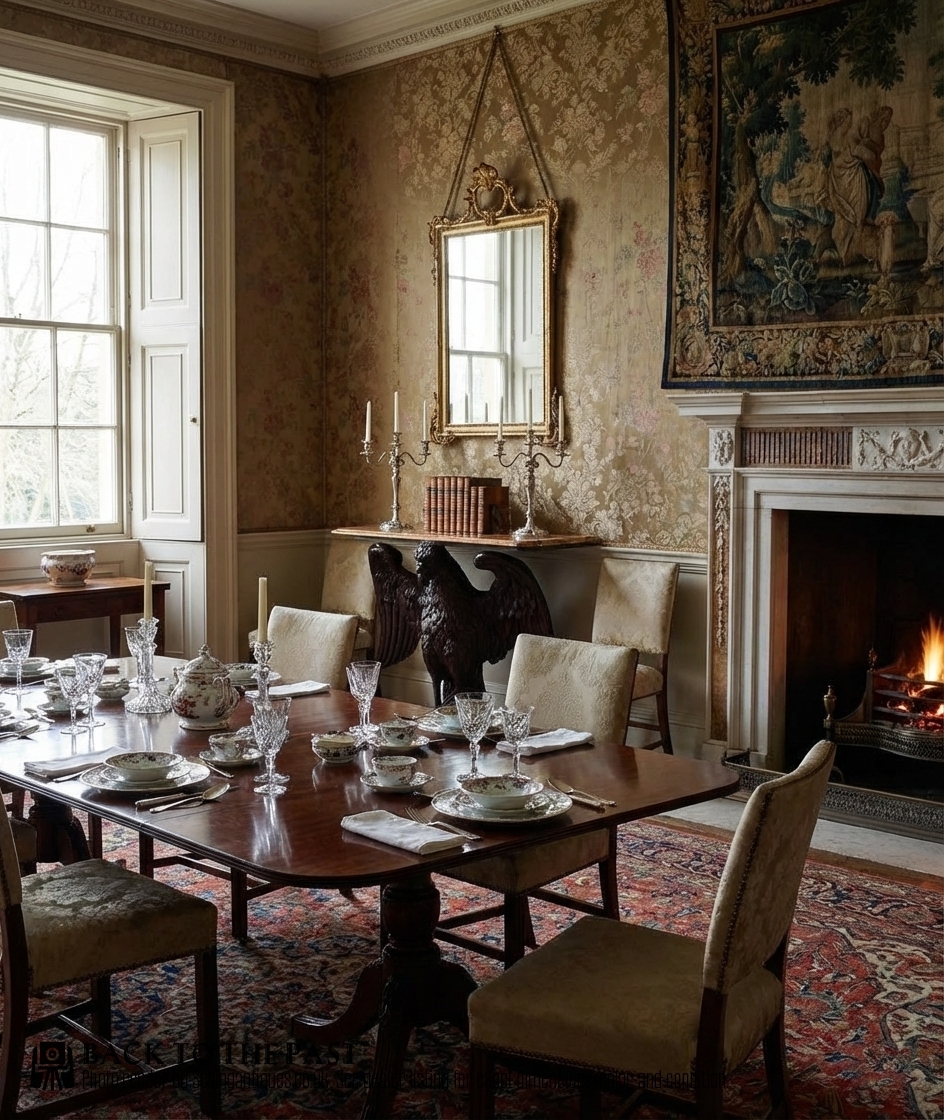
Late 18th Century Console
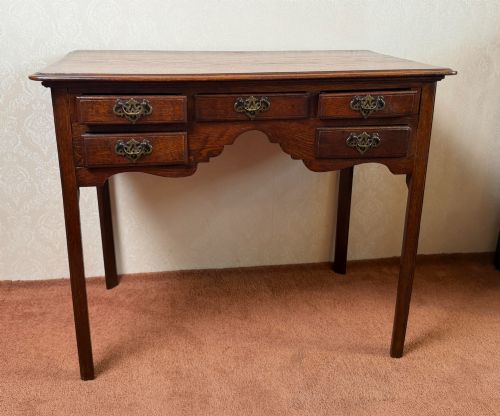
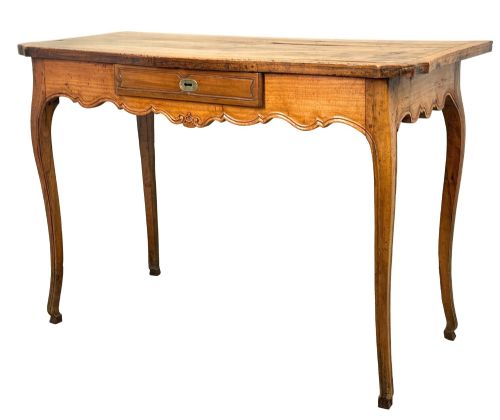
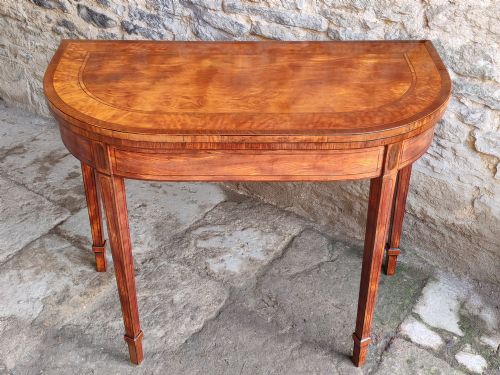
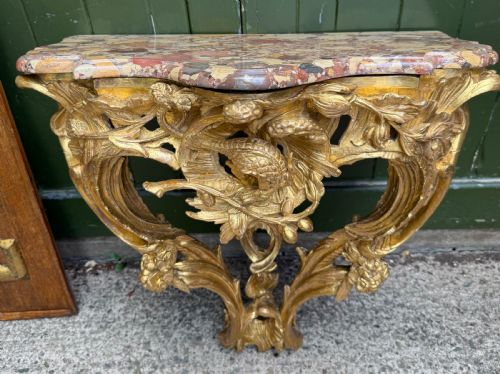
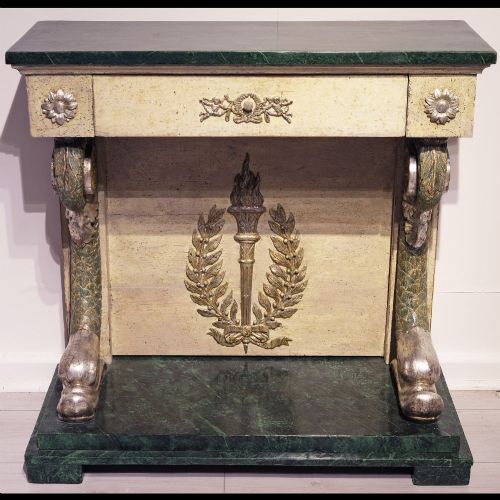
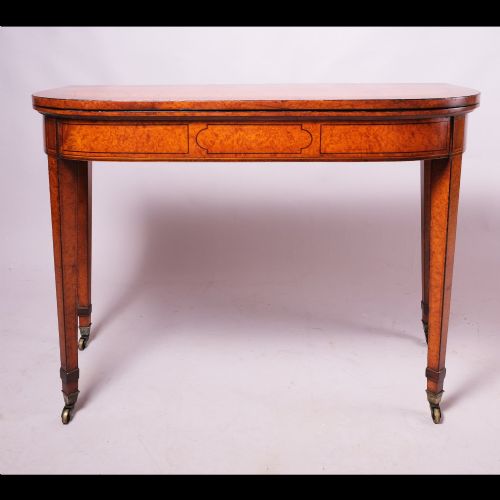
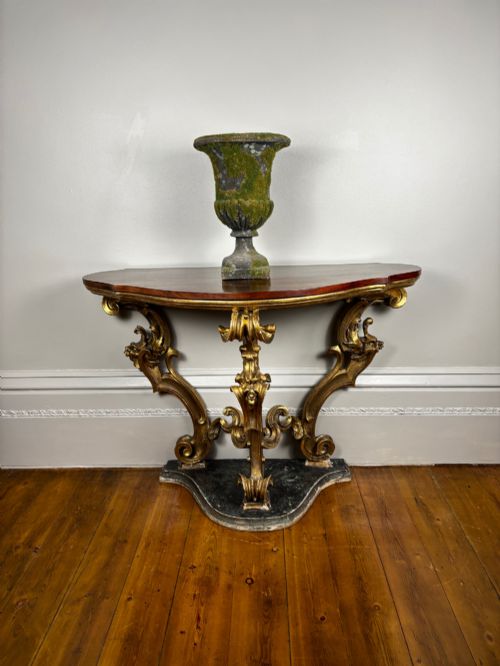
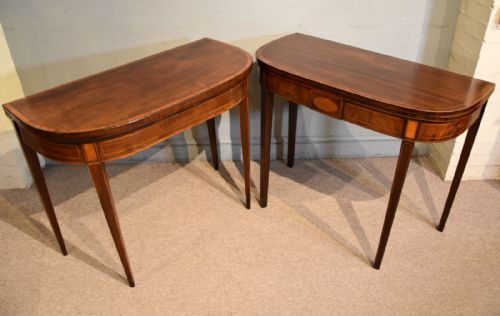
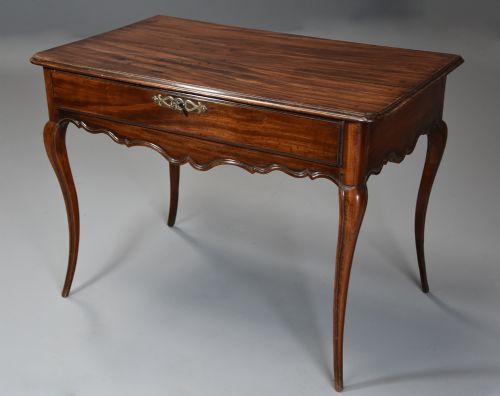
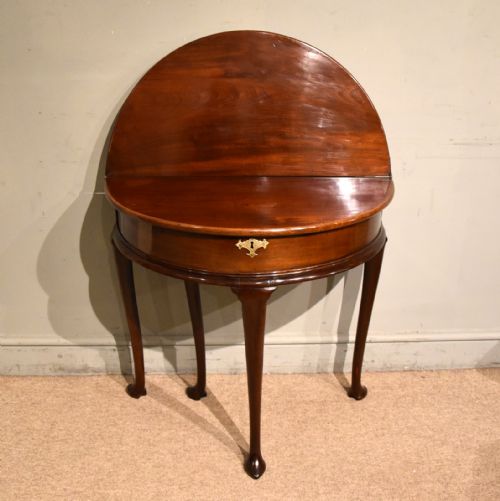
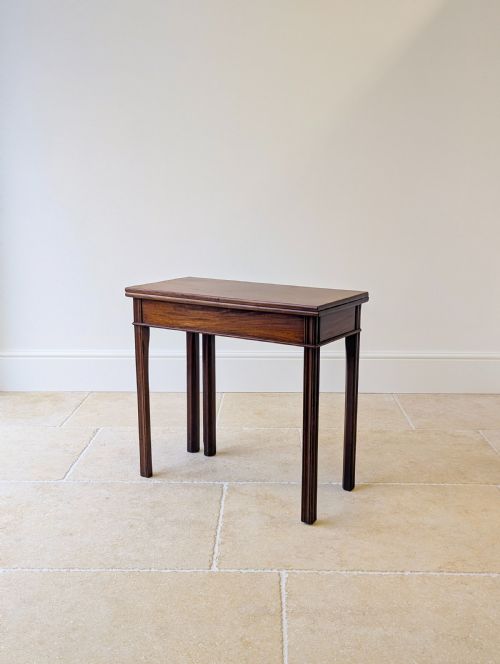
A late 18th century console sits against a wall, often accompanied by matching pier tables, side tables, or card tables designed during the Georgian, Neoclassical, and Rococo periods. These forms include demi-lune, rectangular, and bow-front shapes that served varied domestic functions in reception rooms and hallways. English, French, Italian, and Dutch workshops produced these pieces for grand and modest interiors alike.
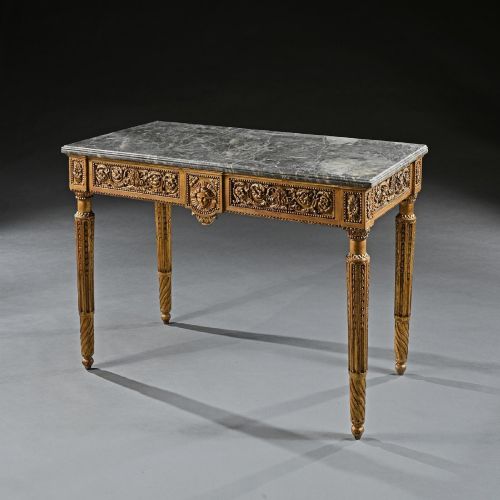
The version most commonly met on this page is the mahogany or giltwood side and console table, frequently featuring inlaid satinwood or rosewood. Surviving examples often display marble tops, folding leaf mechanisms, or single-drawer arrangements. They reflect the dominant stylistic shifts from heavy carving towards lighter neoclassical geometry.
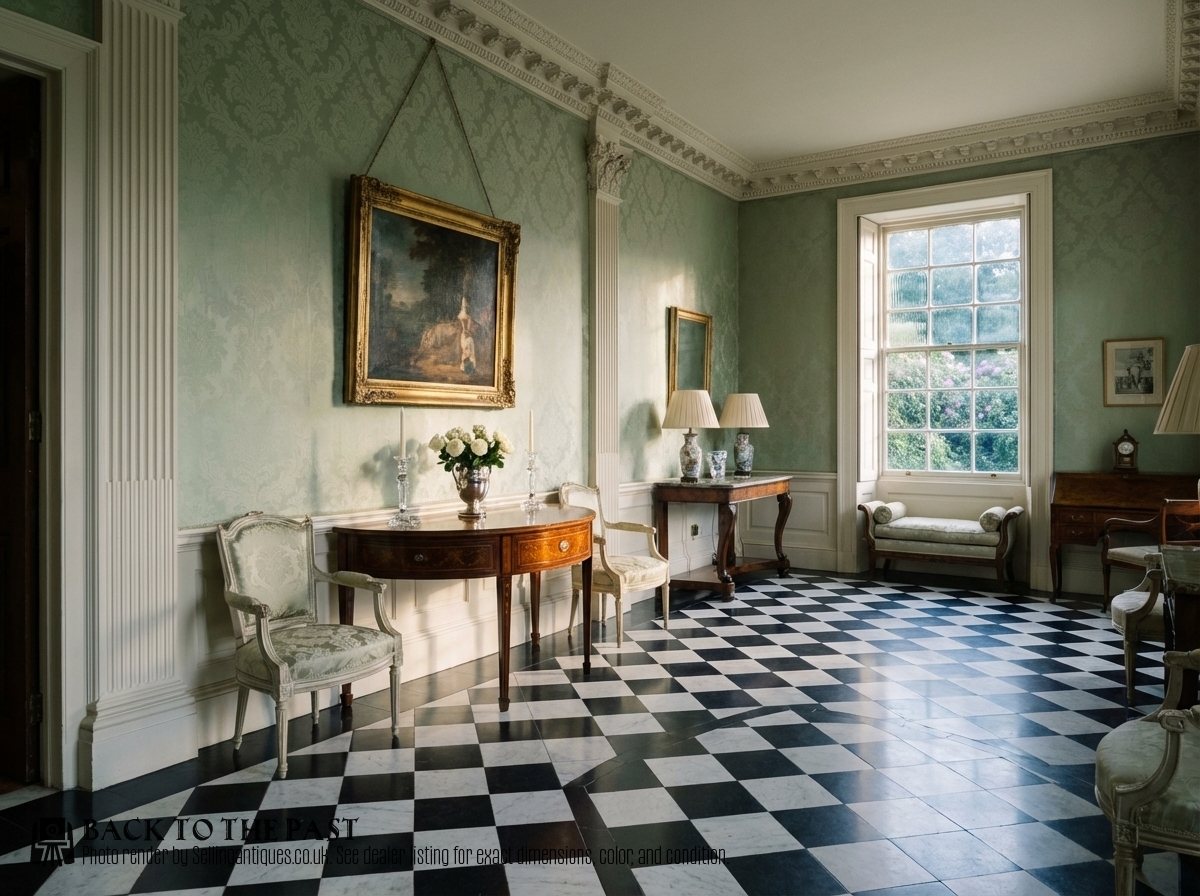
Materials and construction
Cabinet-makers relied heavily on solid and veneered mahogany, complemented by decorative timbers such as satinwood, rosewood, amboyna, and walnut. Carved frames in giltwood or painted wood often incorporated boxwood stringing and brass mounts or feet. Structural elements like drawer linings were typically fashioned from oak.
Joinery techniques combined traditional frame-and-panel construction with sophisticated turning, hand-carving, and precise cross-banding. Inlaid pieces required meticulous hand-cutting of contrasting veneers to achieve geometric or neo-classical motifs. Marble slabs were shaped to fit precisely onto the wooden console frames.
Mahogany, satinwood, and giltwood dominate the material palette across these listings, accompanied by marble tops and brass details.
Distinctions in quality
The standard of carving and inlay separates standard production from exceptional pieces. Finely articulated acanthus leaves, crisp giltwood detailing, and intricate neoclassical marquetry indicate superior workshop output. Simpler tables rely on proportion rather than ornament for their success.
The integrity of the timber and the preservation of original surfaces dictate desirability. Pieces retaining their original brass hardware, unblemished marble tops, and undisturbed patina command greater attention from collectors. Alterations to structural timber or replacement surfaces diminish historical standing.
The Late 18th Century Console Glossary
- Demi-lune
- Having a half-moon shape with a flat back and a curved front edge. This profile allowed tables to sit flush against a wall while saving floor space.
- Giltwood
- Timber covered with a thin layer of gold leaf or gesso and gold paint. It was widely used on decorative frames and tables during the period.
- Cross-banding
- A strip of veneer applied to the border of a furniture surface with the grain running perpendicular to the centre. This technique created a neat framing effect on tabletops.
- Pier table
- A decorative table designed to stand against the wall between two windows, often placed beneath a mirror. These tables share many forms with console tables.
- Satinwood
- A durable, yellowish timber prized for its lustrous sheen and smooth texture. It became popular for high-end neoclassical marquetry and cabinet-making.
Late 18th Century Console: Frequently Asked Questions
Where should I place a console table?
These tables suit hallways, living rooms, and dining spaces where floor space is limited. Their shallow depth allows them to sit neatly against walls without obstructing pathways.
Pairing a console with a mirror or hanging artwork above creates a traditional focal point in a reception room.
How do I care for a marble top?
Marble requires gentle cleaning with a soft cloth and mild, pH-neutral soap to avoid damaging the polished surface. Acidic liquids like wine or citrus juice can etch the stone and should be wiped away immediately.
Applying a specialist stone wax periodically helps protect the surface from everyday wear and minor stains.
What is the difference between a console and a side table?
Console tables were traditionally designed to be fixed to a wall or supported by decorative legs at the front, whereas side tables are entirely free-standing with four legs. In modern usage, the terms often overlap due to similar proportions and placement.
Both forms served utilitarian and decorative functions in late 18th century interiors.
How do I identify a Georgian piece?
Georgian furniture is characterised by specific proportions, classical ornament, and timber choices like Cuban mahogany. Detail work such as oak drawer linings and period brass handles help confirm the era.
Stylistic markers range from the robust carving associated with George III to the refined geometry of later neoclassical designs.