
Ormolu Mahogany Cabinet
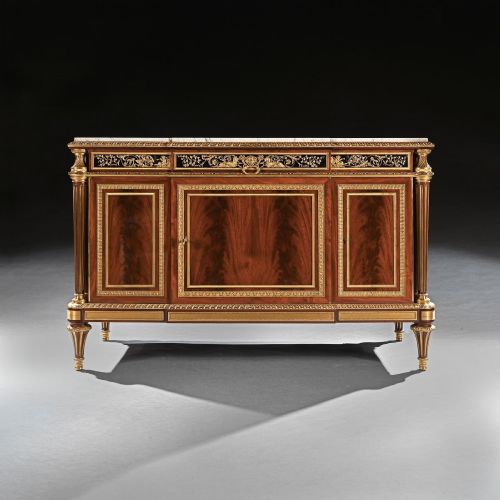
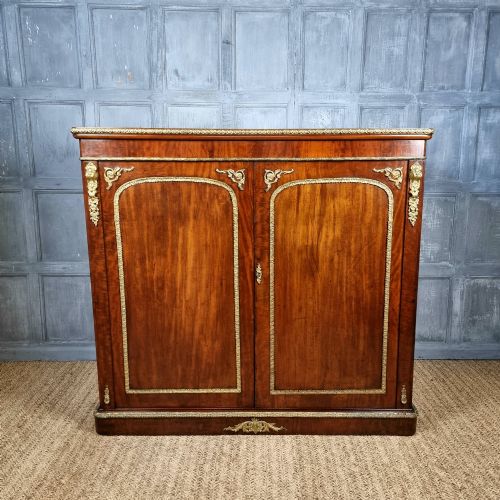
An ormolu mahogany cabinet brings together deep timber and cast bronze mounts to create a formal focal point in a reception room.
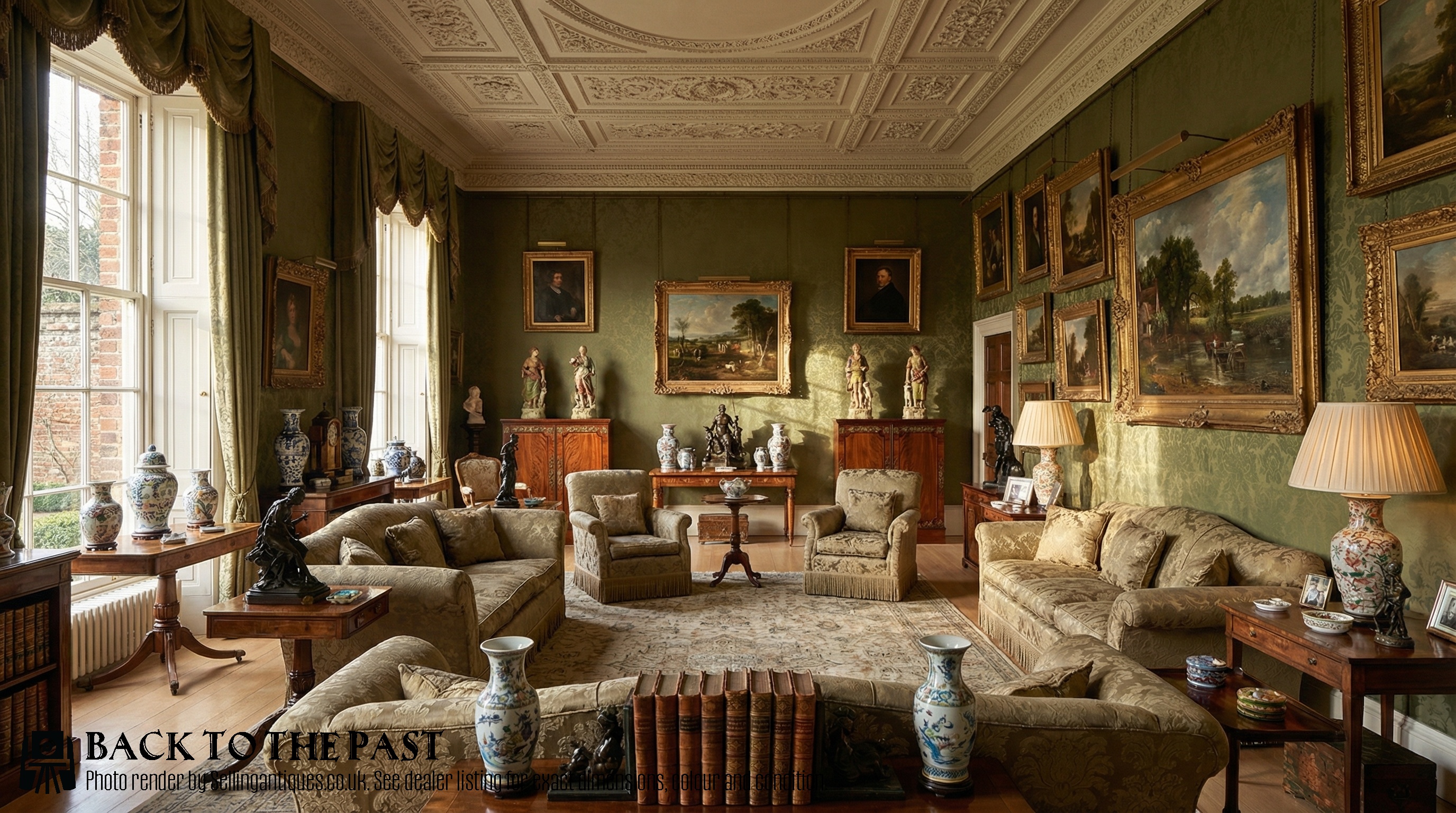
Ormolu Mahogany Cabinet
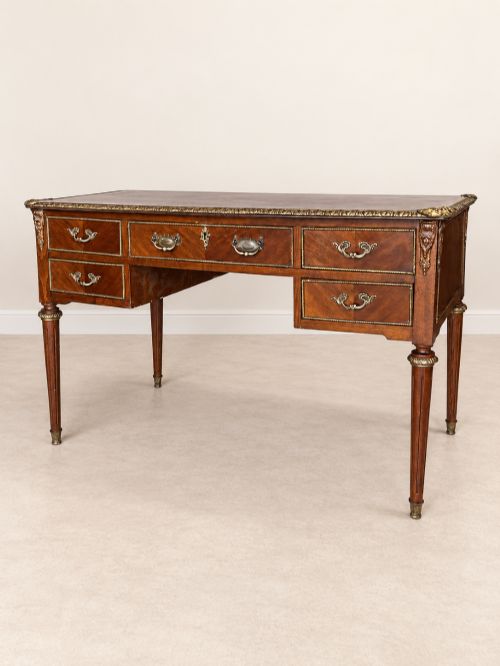
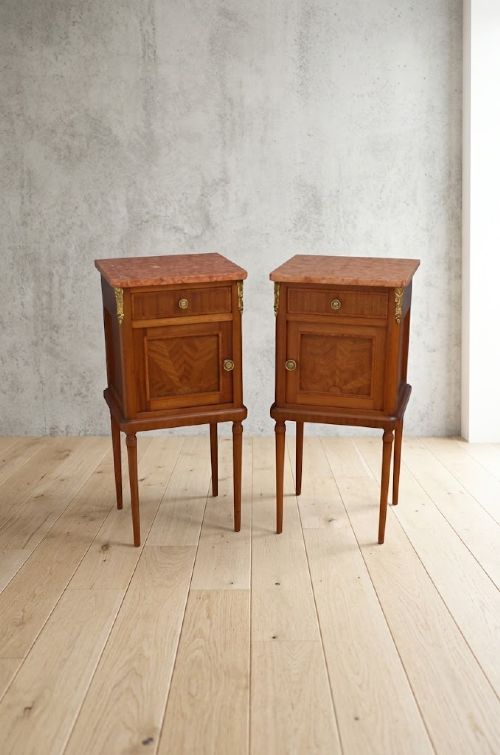
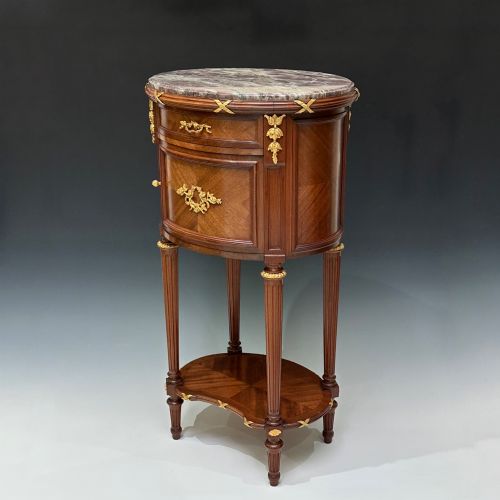
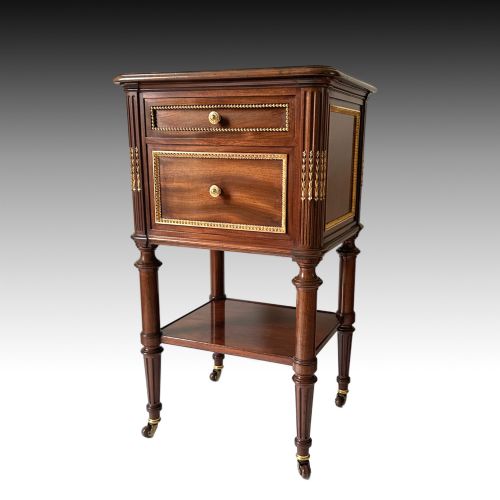
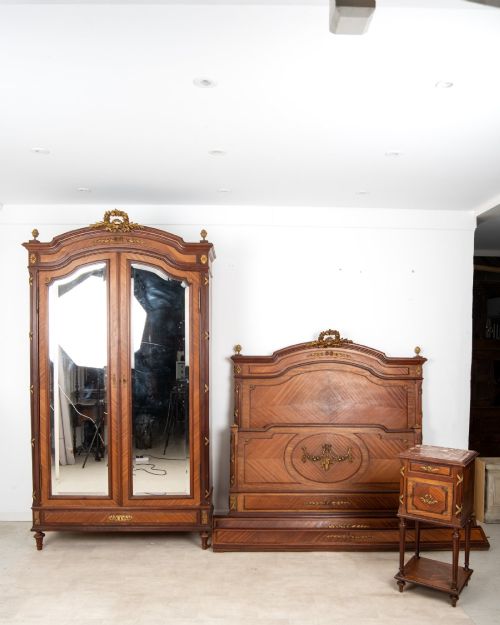
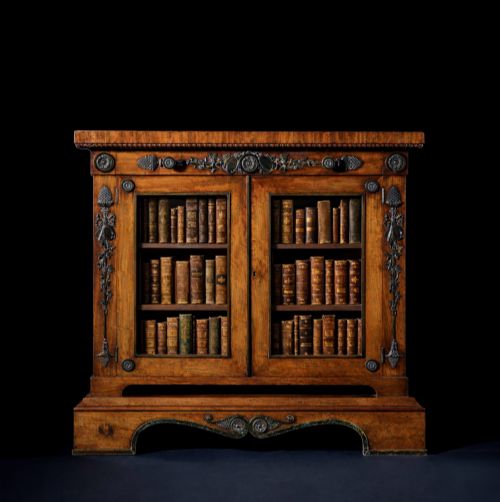
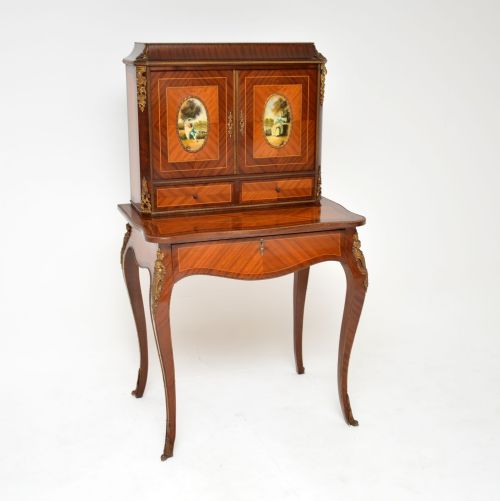
When you search for an ormolu mahogany cabinet, you encounter a selection of nineteenth-century and early twentieth-century case furniture built primarily in France and Britain. These pieces range from tall display cabinets and bookcases to bedside cabinets, commodes, and bijouterie tables.
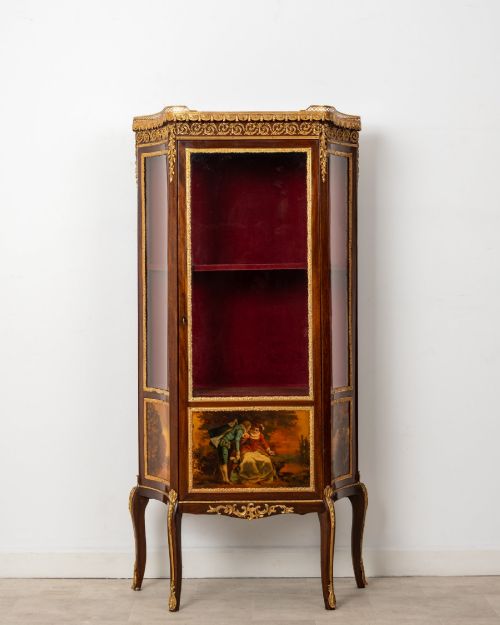
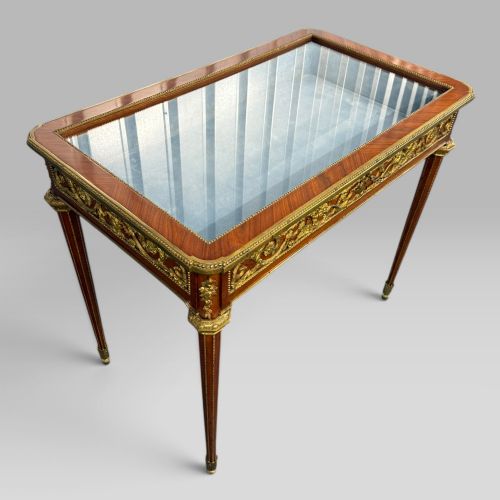
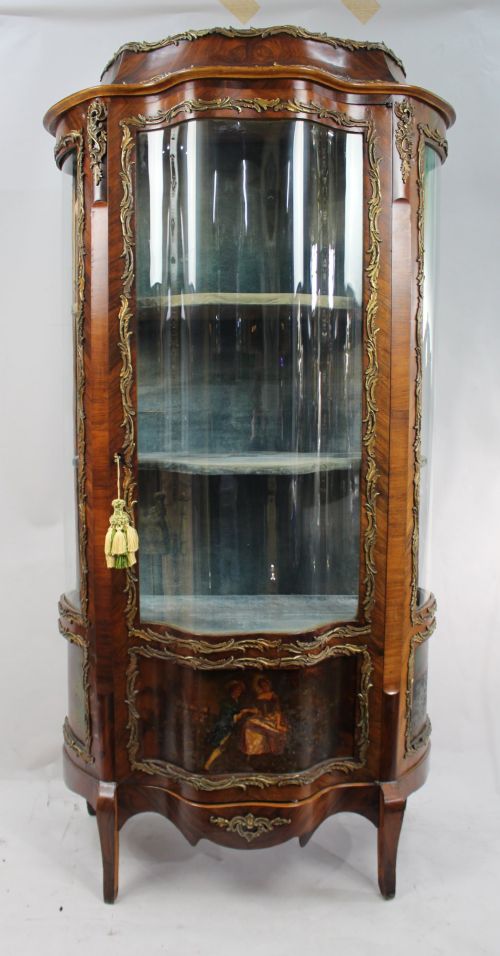
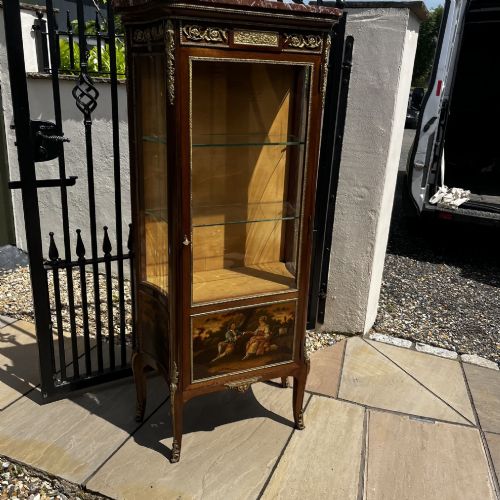
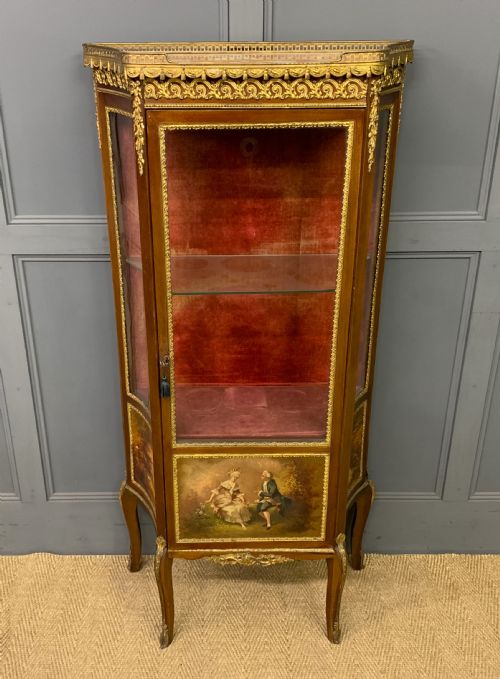
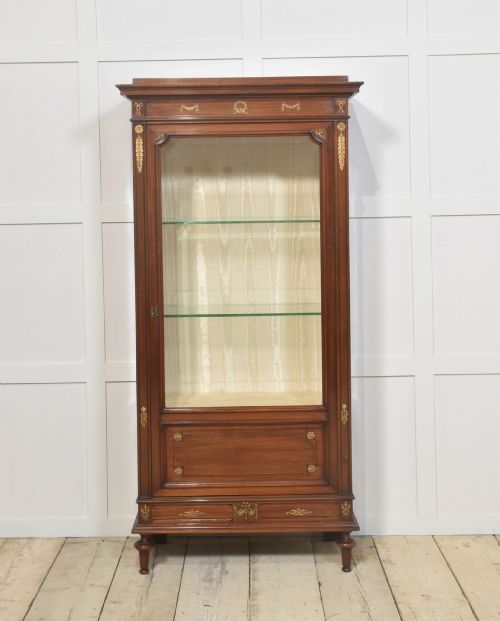
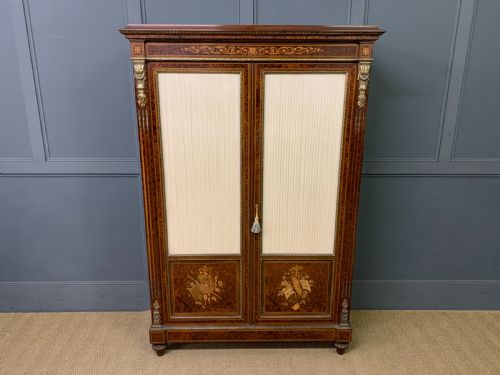
The most common forms on this page are French vitrines and display cabinets executed in the Louis XVI, French Empire, and Vernis Martin styles. They combine rich mahogany carcases with gilded bronze mounts and glass panels designed to showcase objects.
Makers such as François Linke, Paul Sormani, Gillows, and Maple & Co produced these forms, applying classical motifs and precise joinery that defined European luxury furniture of the period.

How they were made
The construction relies on solid and veneered mahogany over robust timber carcases, frequently topped with marble slabs and lined internally with velvet or silk. Cabinetmakers shaped and polished the wood to provide a dark, uniform ground for the metalwork.
Ormolu mounts, also termed gilt bronze or brass, were cast, chased, and fire-gilded before being fixed to the corners, friezes, and feet of the cabinet. These metal decorations emphasise the architectural lines of the furniture.
Vernis Martin panels featuring hand-painted scenes appear on specialised display cabinets and vitrines, adding decorative lacquer work alongside the glazed doors and enclosed shelving.
Ormolu Mahogany Cabinet Retail Price Guide 2026
Typical asking prices for ormolu mahogany cabinet among the pieces listed under this phrase on Sellingantiques today, from the lower quarter to the upper quarter. They describe what is for sale here now, not the wider market.
Several pieces include secret compartments designed to guard midnight reading material or small fortunes from curious guests.
What varies in quality
The precision and depth of the ormolu chasing dictate the visual merit of the piece, with hand-tooled bronze mounts showing sharper detail and greater weight than simpler brass pressings. Workshop attribution to makers like François Linke or Paul Sormani also alters the standing of a cabinet.
The quality of the mahogany veneer, the selection of marble tops, and the condition of the painted Vernis Martin panels determine the overall integrity of the construction. Superior examples retain original mounts, fire-gilding, and glass without replacement or structural alteration.
François Linke·Paul Sormani·Gillows·Henry Dasson·C Mellier and Co·Maple and Co
The Ormolu Mahogany Cabinet Glossary
- Ormolu
- Gilt bronze ornamentation applied to furniture and decorative objects. The technique involves coating cast bronze with a mercury and gold amalgam before heating.
- Vernis Martin
- A type of simulated Japanese lacquer developed in eighteenth-century France and revived in later furniture. It uses translucent varnish layers over painted scenes.
- Vitrine
- A glass-fronted display cabinet designed to exhibit porcelain, silver, or curiosities. These pieces feature glazed sides and doors to maximise light.
- Bijouterie table
- A shallow display table with a glazed top and compartment, used for holding small valuables and jewellery. They frequently feature ormolu mounts and mahogany frames.
- Cellaret
- A lockable container or cabinet designed for storing bottles of wine and spirits. Regency examples often incorporate brass or bronze mounts.
Ormolu Mahogany Cabinet: Frequently Asked Questions
What is an ormolu mahogany cabinet?
An ormolu mahogany cabinet is a piece of antique furniture built from mahogany timber and decorated with gilded bronze or brass mounts. These pieces date primarily from the nineteenth and early twentieth centuries.
They encompass various functional forms including vitrines, bookcases, commodes, and bedside tables. The combination of dark wood and bright metal fittings originates in classical French and British design traditions.
How were these cabinets used?
These cabinets served primarily to store and display valuable possessions in formal reception rooms and bedrooms. Vitrines and display tables held porcelain and collectibles, while side cabinets and commodes provided enclosed storage.
In domestic settings, they acted as status symbols that demonstrated the owner's taste and wealth through high-end materials and craftsmanship.
How do I live with an ormolu mahogany cabinet?
Living with these pieces involves placing them away from direct sunlight and extreme temperature fluctuations to protect the mahogany veneer and delicate wood joins. Regular dusting with a soft, dry cloth preserves the polished finish.
Care should be taken with marble tops and glazed doors, ensuring heavy items rest safely on internal shelving without straining the historical structure.
How do I tell Louis XVI style from Empire style?
Louis XVI style cabinets feature restrained classical geometry, straight tapered legs, and symmetrical ormolu mounts incorporating ribbons, urns, and floral garlands. The overall silhouette remains light and architectural.
Empire style pieces display a heavier, more monumental form inspired by ancient Roman and Egyptian motifs. They often utilise bold columns, paw feet, and prominent cast bronze military or symbolic emblems.