


Ormolu Fireplace Guard
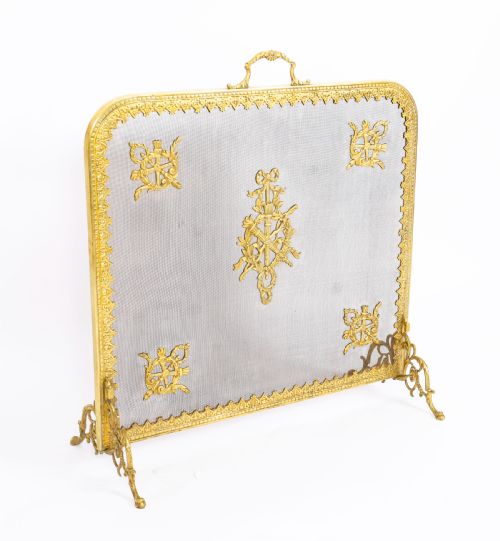
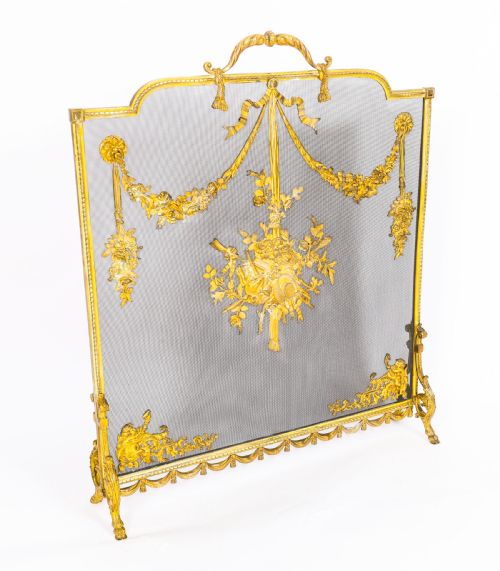
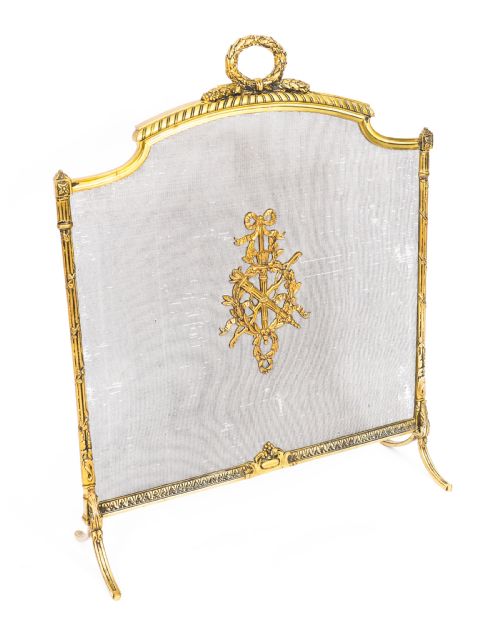
An ormolu fireplace guard brings French style and polished metalwork to the hearth, offering a decorative barrier against sparks.

Ormolu Fireplace Guard
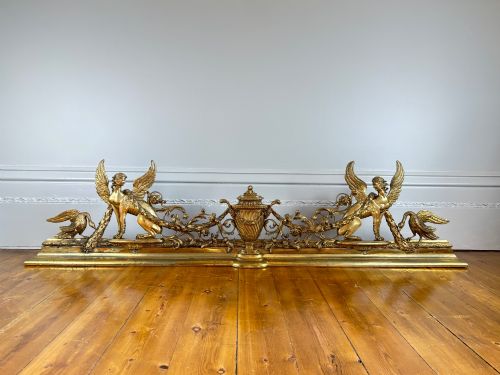
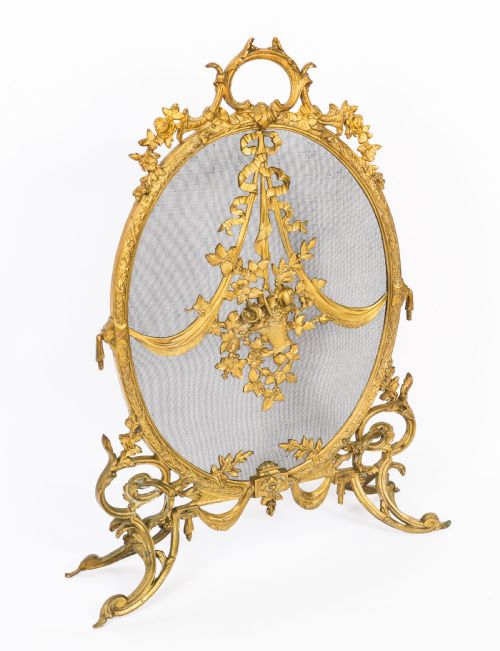
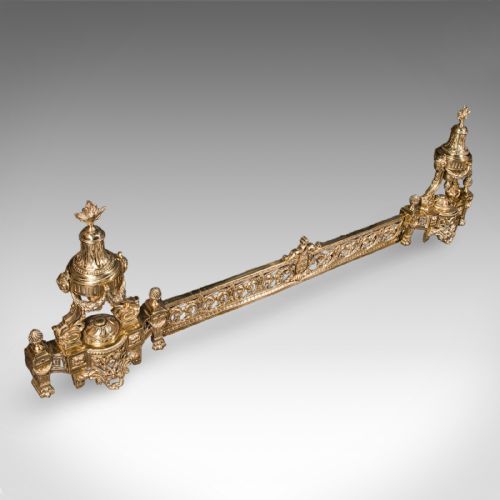
An ormolu fireplace guard serves as both a functional hearth accessory and a decorative centrepiece in the room. When you search for an ormolu fireplace guard, you encounter pieces designed to protect the room from sparks while framing the fire with ornate metalwork. The selection on this page consists primarily of fire screens and fireplace fenders spanning the nineteenth century and the early twentieth century.
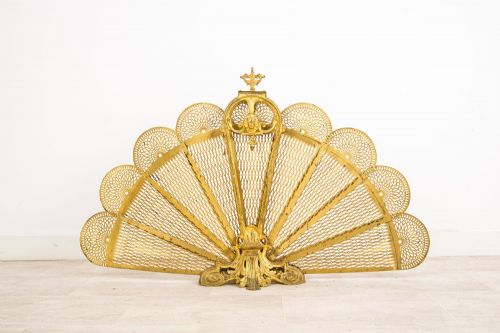
The forms range from intricate peacock fan screens and adjustable fire curbs to pairs of chenets and hearth fenders. Stylistically, the pieces draw heavily from French Rococo Revival, French Empire Revival, and Louis XVI designs, alongside Victorian English interpretations. These items reflect a period when domestic heating was accompanied by elaborate metal furnishings.
Most examples originate from nineteenth-century France or Victorian Britain, utilising cast bronze, brass, and steel components. Buyers encounter folding screens, mesh panels, and fender surrounds that combine practical metalwork with sculptural ornamentation. Each piece represents a specific period of interior decoration focused on hearth aesthetics.
What varies in quality
The refinement of the casting and the depth of the hand-chasing determine the visual hierarchy among these pieces. Superior examples exhibit crisp detail in motifs such as scrolling foliage, musical trophies, and classical drapery, whereas lesser pieces display softer contours from worn moulds.
The quality of the gilding itself separates standard production from exceptional work, with durable ormolu retaining a rich, warm lustre. Additionally, the robustness of the structural frame, the integration of mesh, and the smoothness of any adjustable mechanism dictate the overall calibre of the item.
Peacock fan screens fold out like tail feathers, transforming a utilitarian spark guard into a theatrical display of gilded brass.
E F Caldwell New York
The Ormolu Fireplace Guard Glossary
- Ormolu
- A term denoting gilt bronze, where a layer of gold is applied to a base of bronze or brass. This finish provides the bright, golden appearance characteristic of French decorative metalwork.
- Fire Screen
- A movable panel placed in front of a fireplace to block excess heat when a fire is not burning, or to shield the room from sparks. They often feature folding leaves or decorative mesh.
- Chenet
- The French term for firedogs, used to support logs in an open hearth. They frequently appear paired with matching fenders and screens in formal fireplace arrangements.
- Fender
- A low metal guard placed on the hearth around the opening of a fireplace. Fenders contain ash and embers while framing the fireplace assembly.
- Rococo Revival
- A nineteenth-century design movement inspired by the French Rococo style of the eighteenth century. It is characterised by asymmetrical scrolls, C-scrolls, and naturalistic plant motifs.
Ormolu Fireplace Guard: Frequently Asked Questions
What is the difference between a fire screen and a fender?
A fire screen is a vertical panel designed to stand in front of the fireplace opening to block heat or sparks.
Fenders are low horizontal guards that sit on the hearth floor to contain logs and ash.
How do I clean an ormolu fireplace guard?
Dust the metal gently with a soft, dry brush to prevent the accumulation of soot and dirt.
Avoid abrasive polishes, as harsh chemicals can strip the delicate gilt bronze surface.
Were these guards used with real fires?
Yes, many of these pieces were built for active hearths, utilising steel mesh and solid bronze to withstand heat.
Over time, exposure to fire caused varying degrees of wear on the mesh and metal frames.
How do I identify a French Empire Revival piece?
French Empire Revival items often feature classical motifs such as flaming torches, trophies, and strict symmetry.
This style draws on Napoleonic-era design, emphasising military and imperial symbolism.