



Ormolu Ceramic Urns
Ormolu ceramic urns combine glazed porcelain bodies with cast gilt metal mounts, bringing eighteenth-century French glamour to a room.
Ormolu Ceramic Urns
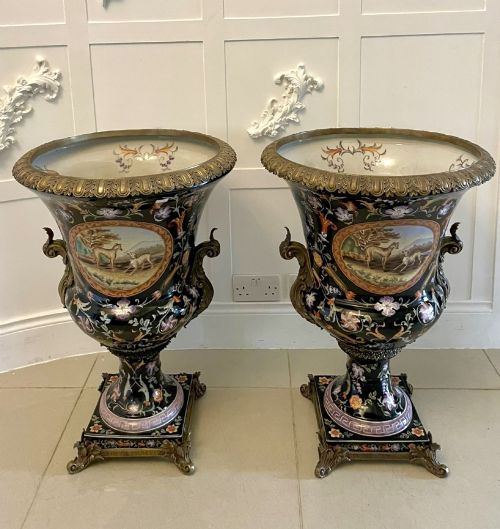
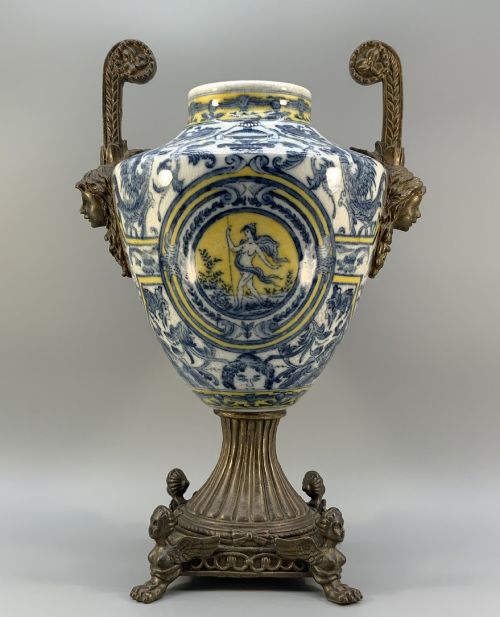
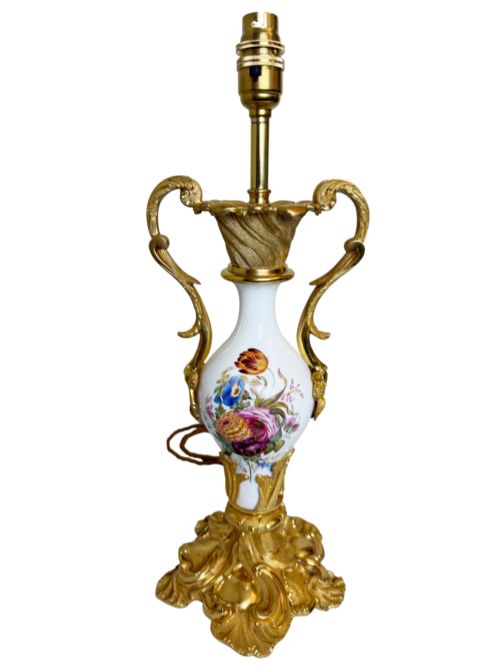
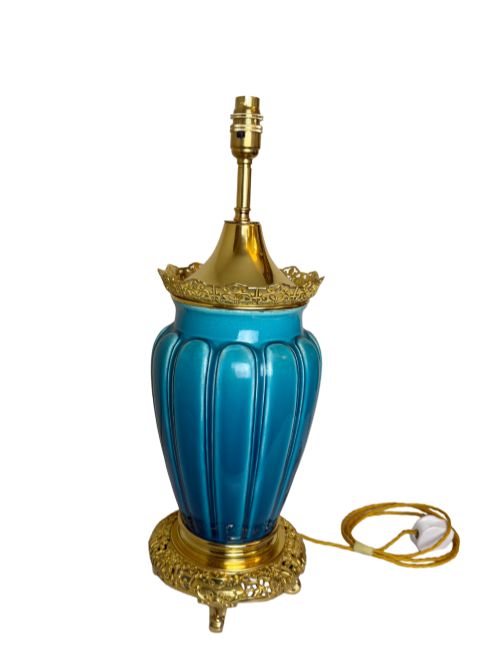
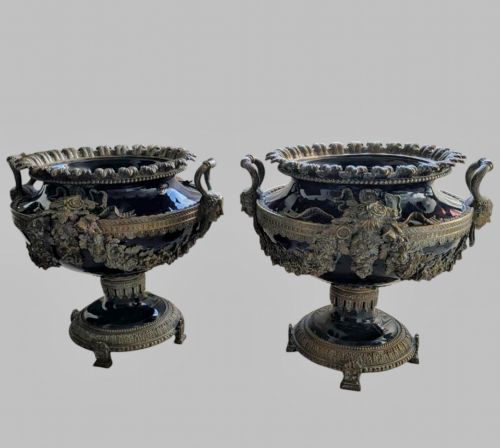
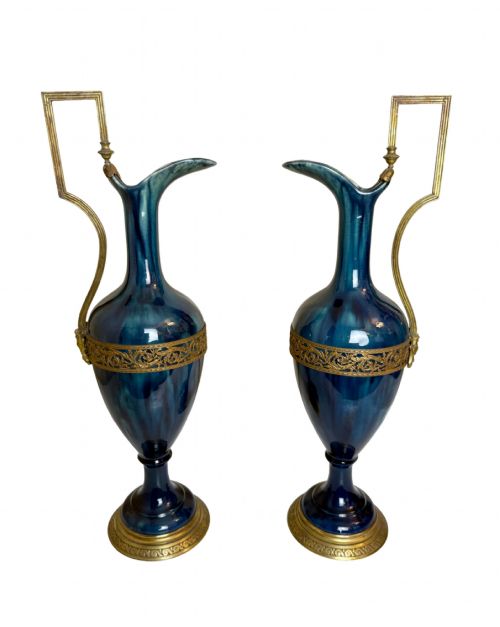
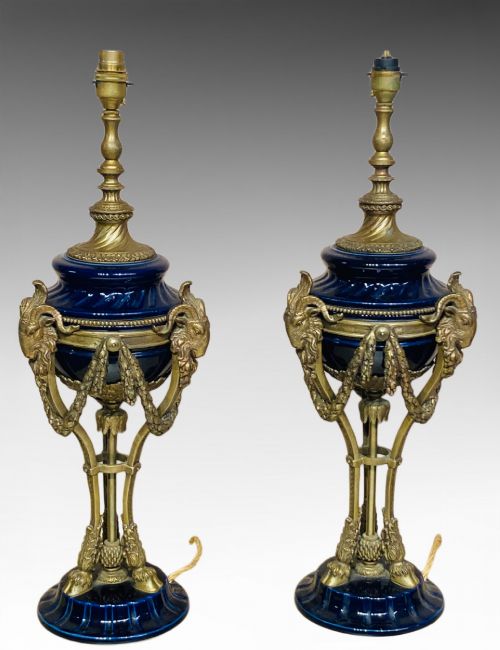
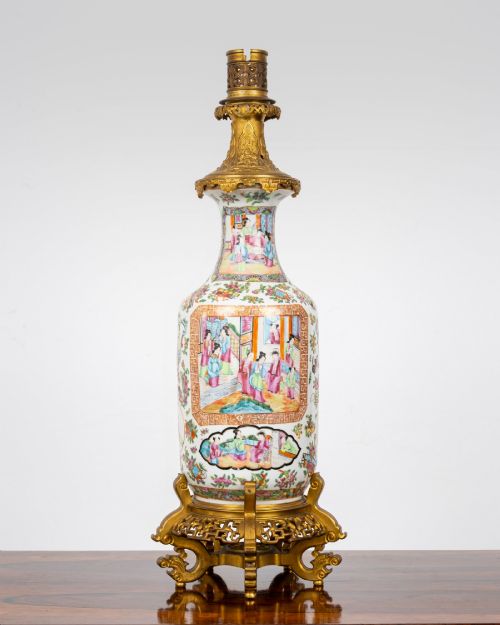
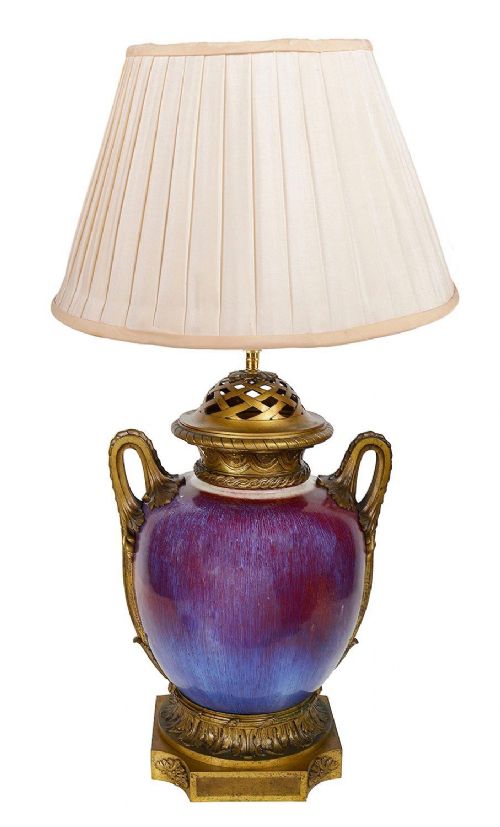
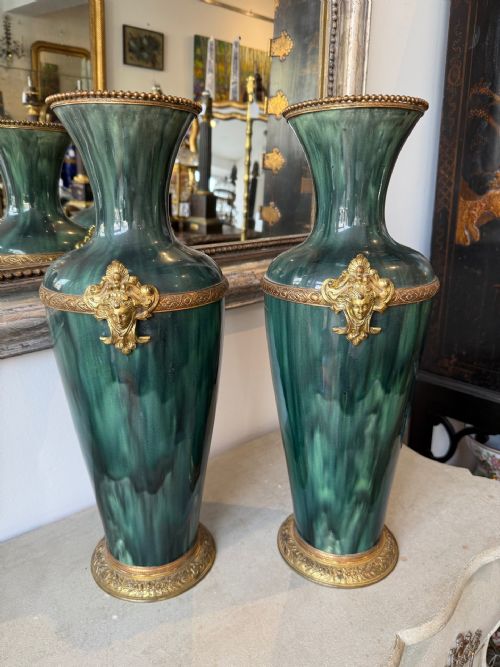
When searching for ormolu ceramic urns, collectors encounter pieces primarily originating from nineteenth-century France alongside Asian export ceramics mounted in Europe. The inventory on this page consists predominantly of Sevres style porcelain vessels, blue glazed ceramics, and faience fitted with brass or gilt bronze. These items function as decorative mantel pieces, garnitures, or converted table lamps.
The dominant forms span lidded vases, jardiniers, and potpourri jars resting on classical pedestals or bases. French Rococo revival and Neoclassical designs dictate the aesthetic of the European items, while Chinese blue and white or powder blue porcelain provide the contrasting bodies for other mounted works.
How they were made
Makers shaped the ceramic bodies from porcelain, faience, or majolica, often applying monochrome glazes in turquoise, powder blue, or sang de boeuf before firing. Artisans then fitted these ceramic forms with cast bronze mounts finished in ormolu, securing them with pins, screws, or adhesive.
The metalwork involved lost-wax casting of bronze elements, followed by mercury gilding or electroplating to achieve the characteristic bright golden surface. Hand-painted enamel details frequently adorn the porcelain surfaces, particularly on pieces produced in the Sevres manner.
Object types appearing in the inventory include table lamps, vases, decorative urns, jardinieres, mantel clocks, and ewers across various Revival styles.
What varies in quality
The standard of the ormolu casting largely dictates the overall merit of an item, separating sharp, deeply chased bronze mounts from soft, shallow reproductions. Crisp detailing in the acanthus leaves, scrollwork, and handles indicates superior workshop output.
Porcelain quality depends on the finesse of the hand-painted reserves and the evenness of the coloured glaze. Weight and balance also matter, as heavier, more substantial bronze mounts indicate a higher grade of production than thin, pressed metal trims.
The Ormolu Ceramic Urns Glossary
- Ormolu
- Gilt bronze, derived from the French term ouata moulu meaning ground gold. It describes the technique of applying finely ground gold-mercury amalgam to bronze, though later pieces use electroplating.
- Garniture
- A set of three or more matching decorative vases or urns designed to be displayed together on a mantelpiece or sideboard. They typically comprise a central tall vase flanked by a pair of smaller matching vessels.
- Sevres Style
- Porcelain produced in imitation of the famous French royal factory, often featuring rich blue ground colours such as bleu celeste or bleu turc alongside hand-painted panels and gilt highlights.
- Faience
- Tinned-glazed earthenware originating from European potteries, distinct from hard-paste porcelain. It provides an opaque, absorbent body that accepts colourful enamel painting.
- Jardiniere
- An ornamental ceramic or metal receptacle designed to hold potted plants or floral arrangements. In mounted pieces, they sit within elaborate bronze or ormolu galleries.
Ormolu Ceramic Urns: Frequently Asked Questions
What are ormolu ceramic urns?
These decorative objects consist of ceramic vessels fitted with cast and gilded bronze mounts. They were produced extensively in France during the nineteenth century, drawing on earlier Rococo and Neoclassical design traditions.
Many examples take the form of lidded vases or garniture sets designed for prominent display on mantelpieces or tables. Some pieces incorporate Asian porcelain bodies mounted by European ateliers.
How were they used historically?
In nineteenth-century interiors, these urns served purely decorative purposes as focal points in formal reception rooms. They demonstrated the owner's taste and wealth through their costly materials and skilled craftsmanship.
Over time, some examples were adapted into functional items such as table lamps while retaining their decorative mounts. They remain ornamental display pieces rather than utilitarian containers.
How do I identify Sevres style pieces?
Sevres style pieces typically feature characteristic ground colours like turquoise, powder blue, or dark cobalt, combined with gilt bronze mounts. Hand-painted pastoral scenes or floral reserves enclosed within gilded cartouches are common hallmarks.
Many nineteenth-century French pieces emulate the royal factory's eighteenth-century output rather than being direct products of the Sevres manufactory itself.
How do I live with them at home?
These urns require stable placement on sturdy surfaces away from high-traffic areas due to their heavy ceramic and bronze construction. Gentle dusting with a dry, soft cloth preserves both the glazed ceramic and the gilt metal finish.
Keep them out of direct sunlight to prevent any fading of hand-painted enamel details or silk shade elements if the piece is a lamp.