




French Green Vases
French green vases range from nineteenth-century glazed terracotta confit jars to delicate cameo glass by Emile Gallé and René Lalique.
French Green Vases
When searching for french green vases, collectors encounter a diverse selection of decorative objects spanning the nineteenth and early twentieth centuries. These pieces encompass utilitarian vessels such as glazed confit pots and pickling jars alongside highly refined art glass and grand gilt bronze urns.
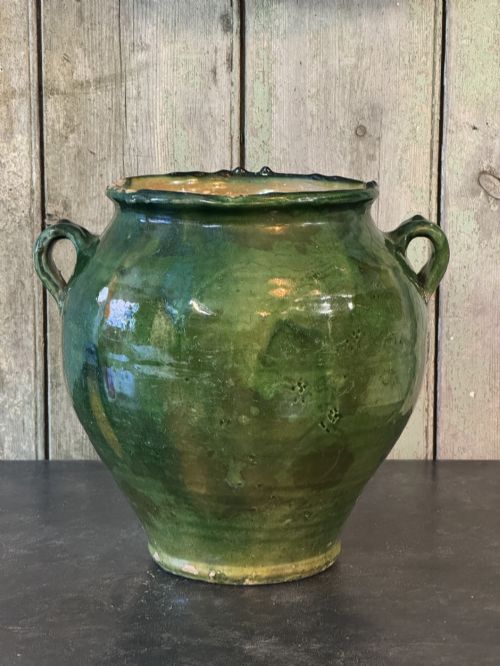
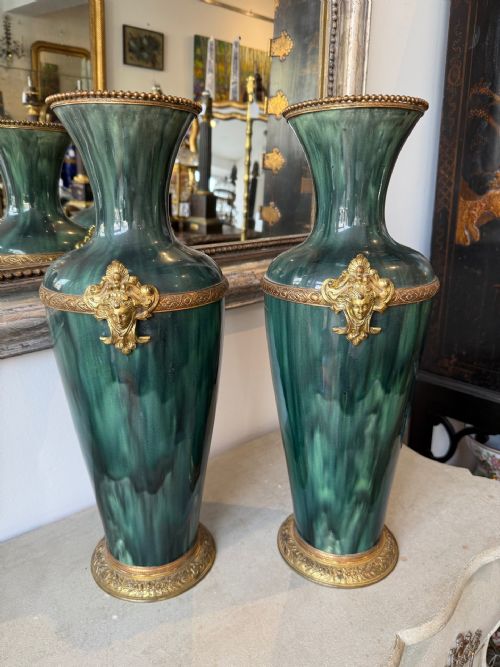
The nineteenth-century examples often utilise heavy earthenware or terracotta with rich green glazes, reflecting practical origins in French provincial kitchens and cellars. Confit pots and amphora vessels showcase the functional side of these items before the focus shifts entirely to ornamental display.
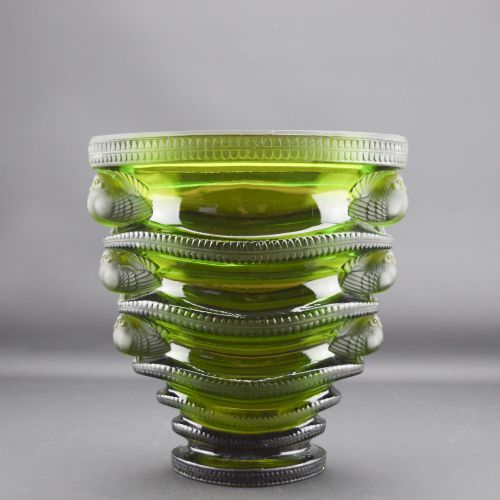
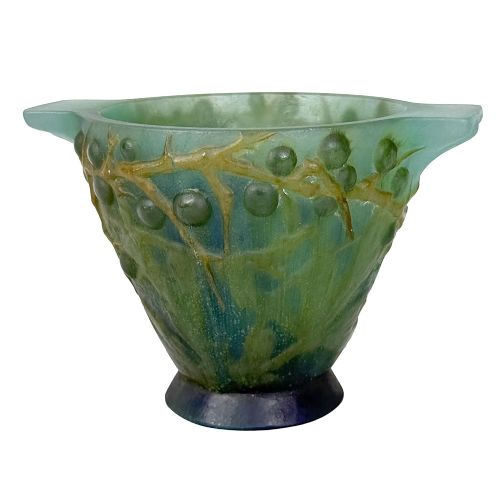
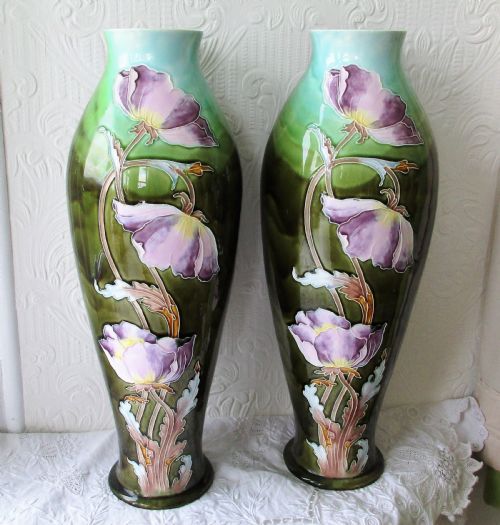
By the turn of the twentieth century, the aesthetic changes dramatically towards art glass and ceramic production. Works by major glasshouses dominate this era, featuring acid-etched cameo glass, pate de verre, and moulded designs in distinct botanical green tones.
How they were made
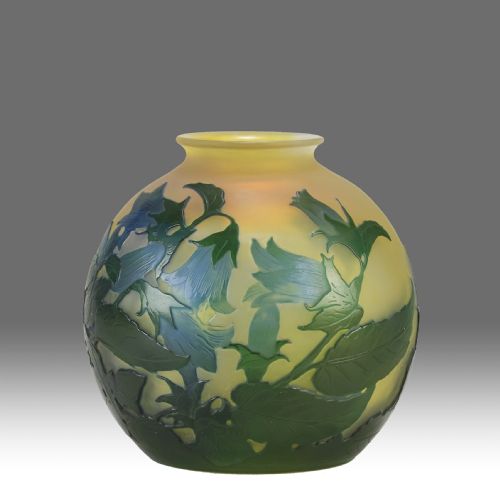
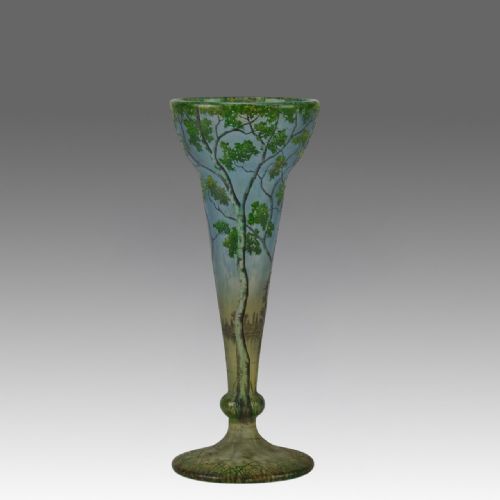
Glassmakers employed advanced techniques such as acid etching, multi-layered cameo carving, and pate de verre casting to achieve depth and texture. Workshops like Daum Frères and Emile Gallé built up coloured glass layers that were subsequently carved away to reveal intricate floral and landscape motifs.
Terracotta and earthenware pieces relied on traditional hand-throwing methods finished with lead or alkaline glazes to produce rich mottled green surfaces. Faience and porcelain versions required careful kiln firing followed by hand-painting and sometimes the addition of ormolu or gilt bronze mounts.
Several items double as homes for imaginary flowers while occasionally moonlighting as high-end pickle storage.
What varies in quality
The distinction between standard decorative items and exceptional pieces rests on the complexity of the craftsmanship and the renown of the maker. Signed cameo glass and marked art deco works demonstrate superior technical execution in glass layering and acid manipulation compared to unmarked production pieces.
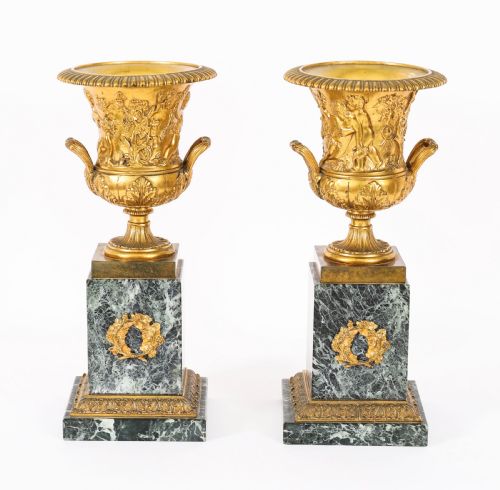
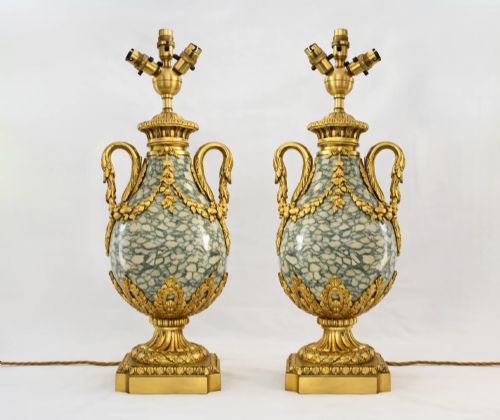
Mounts and secondary materials also dictate the standing of an object, particularly on grand tour urns and cassolettes. Finely chased gilt bronze, ormolu, and heavy marble bases elevate architectural pieces beyond simple ceramic or glass vessels.
Emile Gallé·René Lalique·Daum Frères·Amalric Walter·Michel Decoux
The French Green Vases Glossary
- Cameo Glass
- Glass formed with multiple layers of different colours, which are then carved or acid-etched to create a raised design. This technique requires immense skill to avoid cutting through the thin outer layer.
- Confit Pot
- A traditional French earthenware jar used historically for preserving meats, typically glazed in green on the upper half. These pots feature sturdy handles and porous terracotta bodies.
- Pate de Verre
- A glass-casting method where finely crushed glass is packed into a mould and fused in a kiln. The resulting objects possess a characteristic frosted texture and mottled colour depth.
- Cassolette
- A decorative vase or urn designed with a reversible lid that can function as a vessel or a perfume burner. They frequently appear in pairs mounted on marble and ormolu bases.
- Epergne
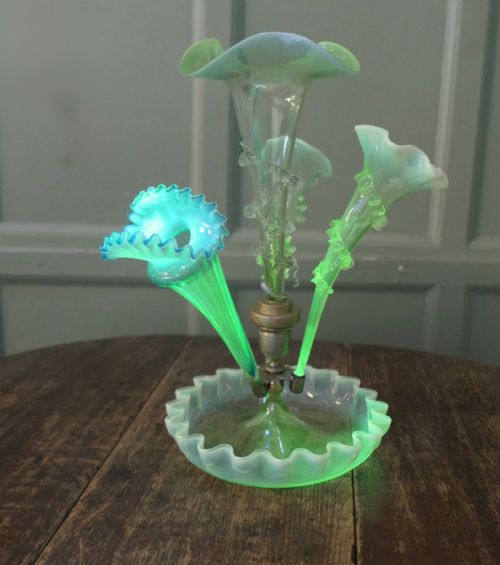
- A centrepiece stand featuring multiple detachable trumpets or dishes, often rendered in uranium or blown glass. These pieces served as elaborate table decorations for fruit or flowers.
French Green Vases: Frequently Asked Questions
What is a French confit pot?
Confit pots are traditional earthenware jars originating from rural French kitchens where they stored preserved foods like duck confit. They are characterised by heavy terracotta bodies and partial green glazing.
Over time, these utilitarian vessels transitioned into decorative items valued for their rustic charm and rich, aged patina. Their earthy tones complement both traditional and contemporary interiors.
How do I identify cameo glass?
Cameo glass is created by fusing two or more distinct layers of coloured glass together before carving away the exterior layer. This leaves a contrasting raised design against the background.
Renowned makers such as Daum Frères and Emile Gallé utilised this method to render detailed botanical and landscape scenes. Holding the glass to the light reveals the depth and translucency of the layered colours.
What is pate de verre?
Pate de verre translates to glass paste and involves packing crushed glass into a refractory mould before kiln-firing. This technique produces objects with a granular, frosted appearance and subtle colour gradients.
Artists like Amalric Walter championed this method during the art deco period. The resulting pieces possess a tactile quality distinct from blown or moulded glass.
How should I display heavy marble urns?
Grand tour urns and cassolettes combine heavy green marble with gilt bronze or ormolu mounts, requiring sturdy furniture for placement. Console tables or mantelpieces provide stable platforms that support their considerable weight.
Keeping them away from direct heat sources protects the stone and metal finishes. Regular dusting with a soft dry cloth maintains the lustre of the bronze mounts.