




Flambe Glazed Vases
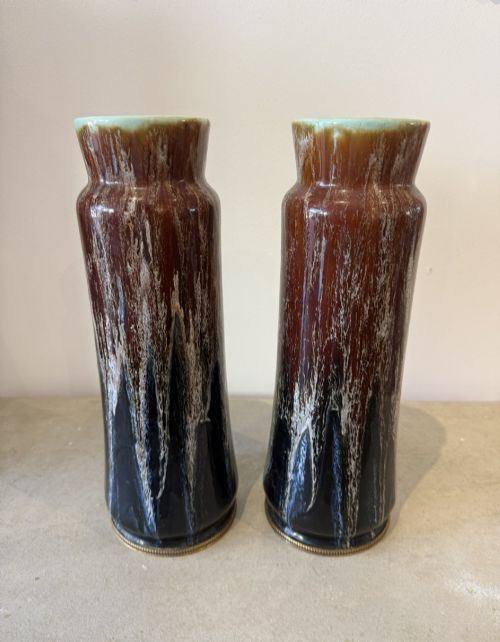
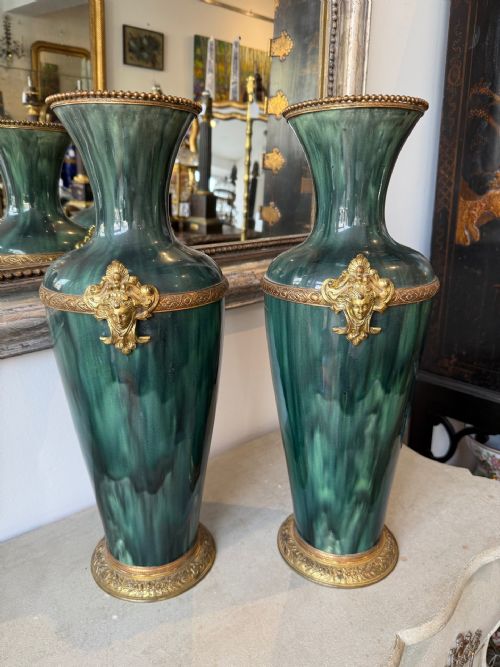
These flambe glazed vases are striking ceramic vessels featuring dynamic, mottled colour runs that catch the eye and anchor a room.
Flambe Glazed Vases
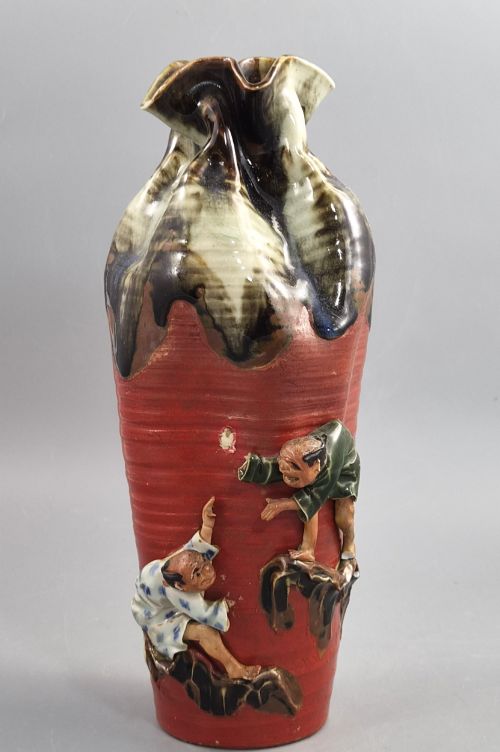
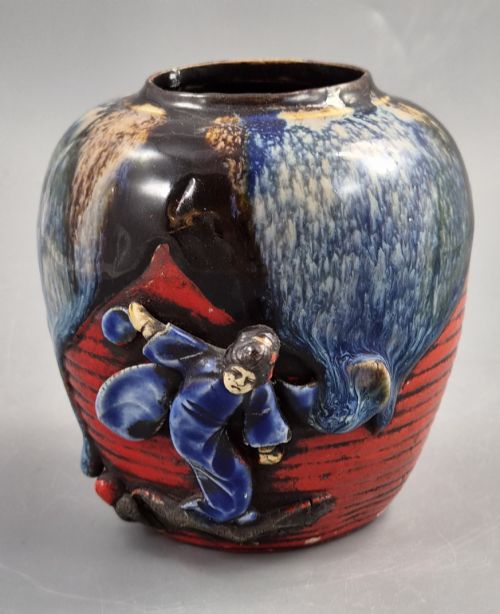
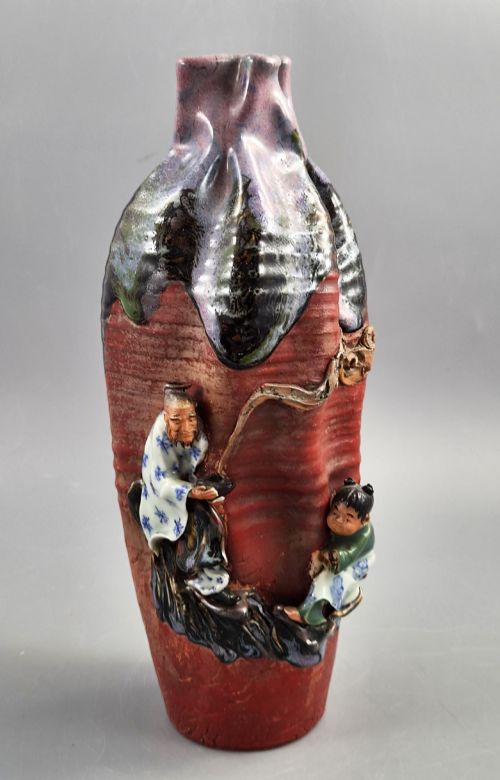
When you search for flambe glazed vases, you encounter remarkable ceramic and stoneware vessels spanning the eighteenth century through to the early twentieth century. The selection leans heavily toward Japanese Sumida Gawa pieces from the Meiji and Taisho periods, alongside Chinese export works and European art pottery.
You are most likely to meet tall baluster vases and jars featuring distinctive pinched rims or applied figurative elements. These forms reflect diverse origins, moving from antique Chinese Sang de Boeuf traditions to Japanese art pottery and French studio ceramics.
The aesthetic centres on rich, unpredictable glaze effects that run across earthenware, stoneware, and porcelain surfaces. Buyers seek out these pieces to introduce texture, depth, and historical weight into interior spaces through varied forms.
How they were made
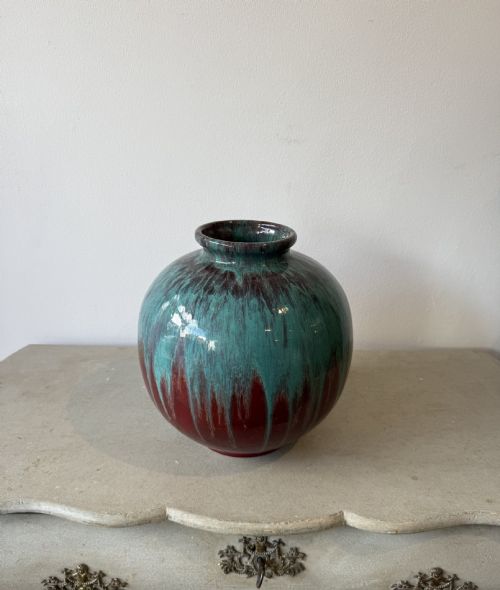
Potters utilised earthenware, stoneware, and porcelain bodies, applying metallic oxide glazes that reacted unpredictably in the kiln. Copper oxids produced the characteristic deep reds and oxblood tones, while specialist reduction firings created mottled and streaked surface effects.
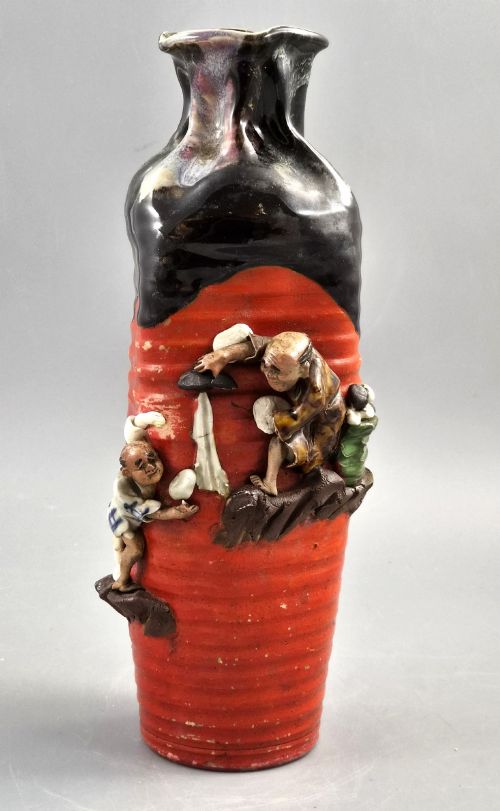
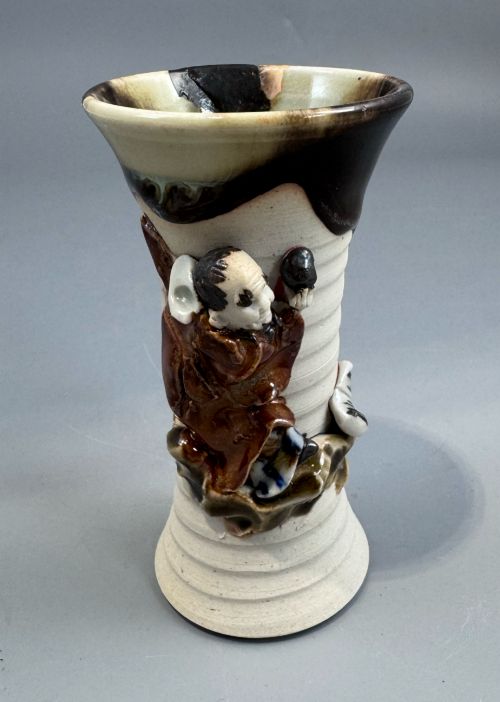
Maker techniques included throwing vessels on the wheel or forming stoneware bodies by hand, sometimes adding pinched sack rims for sculptural definition. Artisans then applied relief figures, such as sages, children, and rakan, directly onto the wet or leather-hard clay before glazing.
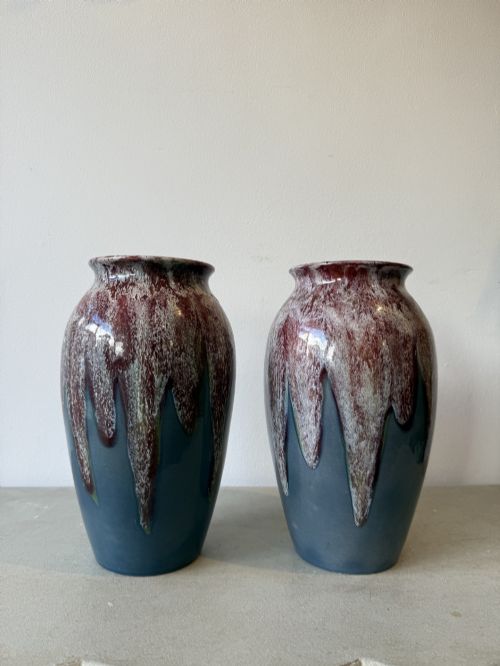
Kiln temperature control dictated the final movement of the glaze, allowing colours to pool and drip organically down the sides of the vase. This chemical interaction between mineral oxides and high heat ensures that no two vessels share the exact same surface pattern.
Flambe Glazed Vases Retail Price Guide 2026
Typical asking prices for flambe glazed vases among the pieces listed under this phrase on Sellingantiques today, from the lower quarter to the upper quarter. They describe what is for sale here now, not the wider market.
Listings feature Japanese Sumida Gawa stoneware alongside eighteenth and nineteenth century Chinese Sang de Boeuf porcelain and European art pottery.
What varies in quality
The distinction between ordinary and exceptional examples rests upon the control and visual depth of the glaze run. Superior pieces display a rich, complex interplay of colour gradients without muddying the underlying form or obscuring the texture of the ceramic body.
Figural elements on relief-decorated vessels separate standard production from masterwork output. Finely modelled expressions on applied figures and clear signatures from recognised workshops elevate the artistic merit of the piece.
The balance of the silhouette and the crispness of any applied modelling dictate the overall presence of the vase. Strong potting foundations allow the fluid glazes to succeed visually, whereas heavy or clumsy forms undermine the ambition of the surface decoration.
Inoue Ryosai·Ban-ni·Hiroshi·Boch Freres
The Flambe Glazed Vases Glossary
- Flambe glaze
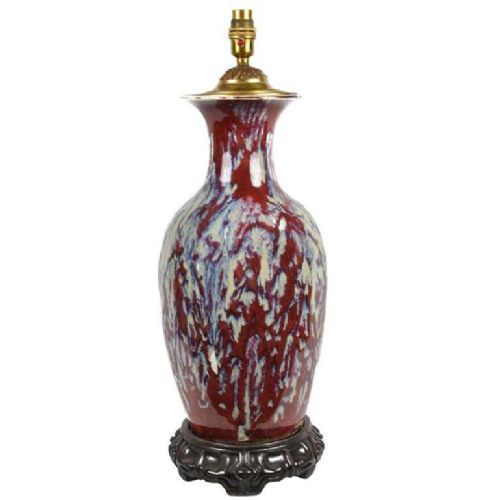
- A rich, streaked ceramic glaze achieved through metallic oxides fired in a reducing atmosphere. This technique creates mottled colour transitions, most notably deep reds and purples.
- Sang de Boeuf
- A French term translating to oxblood, describing a deep red copper-based glaze originating in Chinese ceramics. Potters valued this glaze for its intense colour and brilliant lustre.
- Sumida Gawa
- A style of Japanese art pottery originating near Tokyo around the turn of the twentieth century. These pieces feature heavily textured surfaces, often with applied clay figures and distinctive drip glazes.
- Stoneware
- A robust ceramic pottery body fired at high temperatures until vitrified and non-porous. It provides a durable foundation for heavy glazes and sculptural additions.
- Baluster
- A vase form characterised by a rounded body that tapers toward the base and swells near the lower middle. This classical shape supports dynamic vertical glaze runs.
Flambe Glazed Vases: Frequently Asked Questions
What is a flambe glaze?
A flambe glaze is a metallic oxide ceramic finish that produces rich, mottled colour runs during a high-temperature kiln firing. The chemical reactions create unpredictable streaks of red, purple, and blue across the surface of the vessel.
This technique requires precise kiln control to achieve the characteristic depth and movement. Each finished piece retains a completely unique visual pattern due to the fluid nature of the glaze.
How do I identify Sumida Gawa pottery?
Sumida Gawa pieces are distinguished by their heavily textured, gritty clay bodies and applied figurative elements. You will frequently find figures of sages, children, or rakan clambering across the sides of jars and baluster vases.
Many of these Japanese works feature signature cartouches and distinct drip glazes in lavender, blue, or oxblood tones. They originate primarily from the Meiji and Taisho periods.
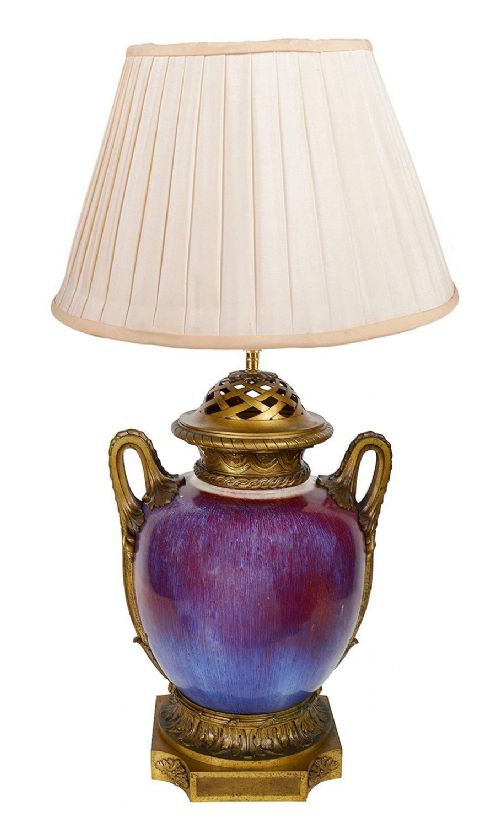
Were these vases used as lamps?
Many antique ceramic vases were converted into table lamps during the twentieth century to suit contemporary interiors. This adaptation often involved mounting the vessel on a brass base and drilling the ceramic body for electrical wiring.
Collectors encounter both converted antique vessels and pieces specifically adapted for lighting during past decades. The conversion process preserves the visual impact of the original glaze within a functional domestic object.
How do I style these vases at home?
These ceramic vessels work well as focal points on side tables, mantels, or pedestals where their varied glazes catch the light. Their strong sculptural forms and rich colours require minimal additional styling to command attention in a room.
Pair them with neutral backgrounds to let the complex glaze runs and applied figures stand out. Placing them away from direct high-traffic edges ensures the safety of delicate applied figural work.