
Ormolu Bronze Urns
Ormolu bronze urns bring classical French grandeur to a room, combining heavy gilt metal with stone or ceramic bodies.
Ormolu Bronze Urns
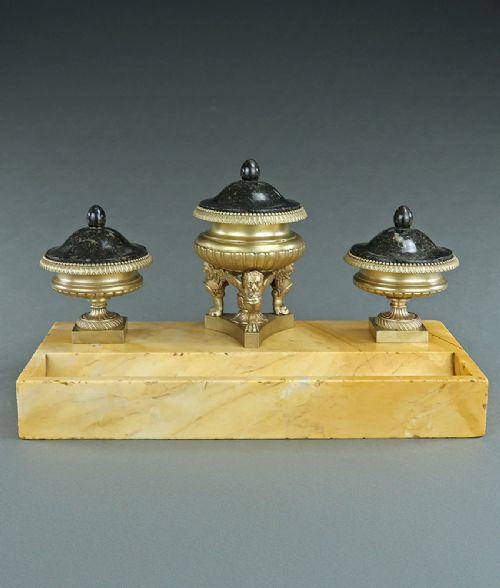
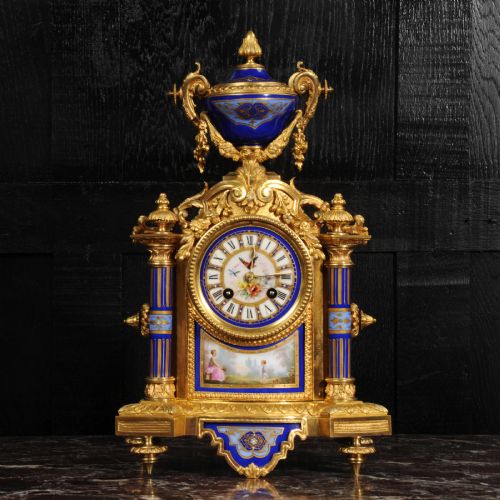
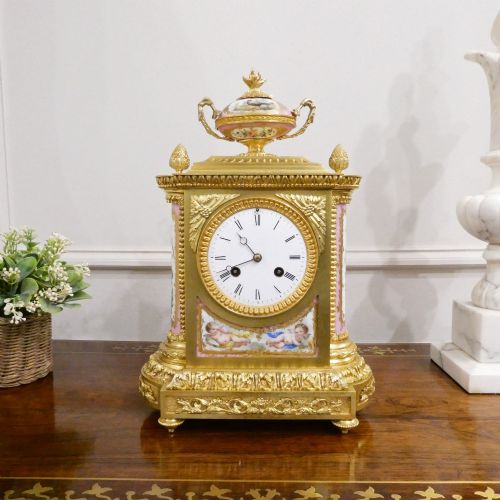
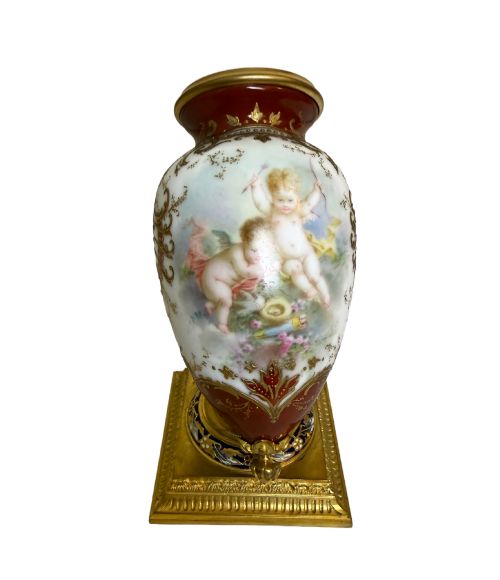
When you search for ormolu bronze urns, you enter a field dominated by nineteenth-century French decorative arts and Grand Tour souvenirs. These pieces range from decorative mantel ornaments and cassolettes to converted table lamps and garniture sets.
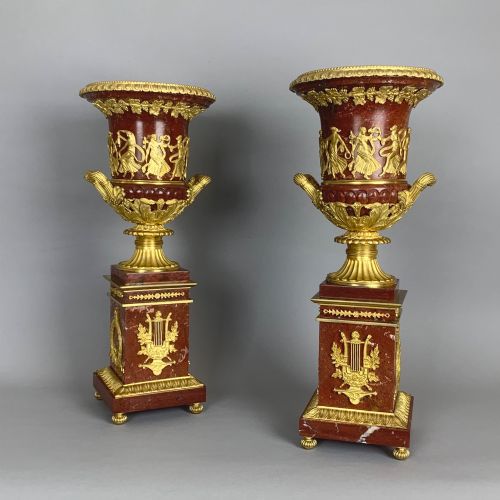
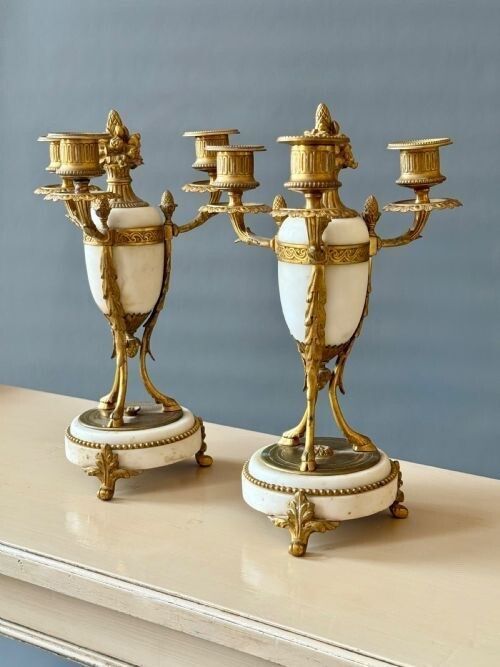
The objects combine cast bronze elements with gilded highlights, often mounted upon white or coloured marble and onyx bases. They draw heavily on neoclassical, Louis XVI, and French Empire design vocabularies established in earlier centuries.
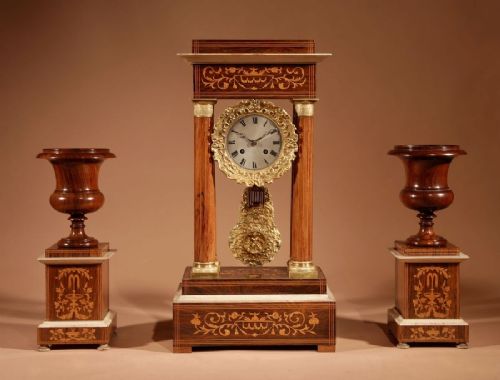
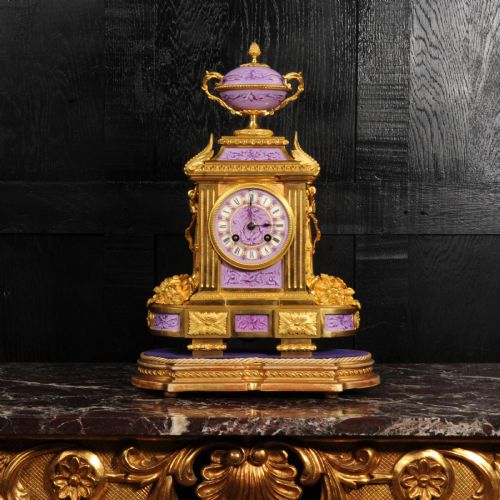
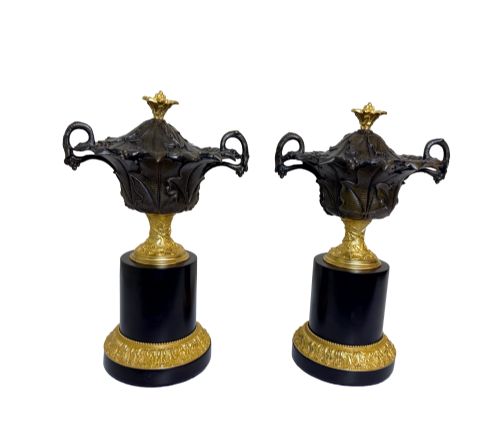
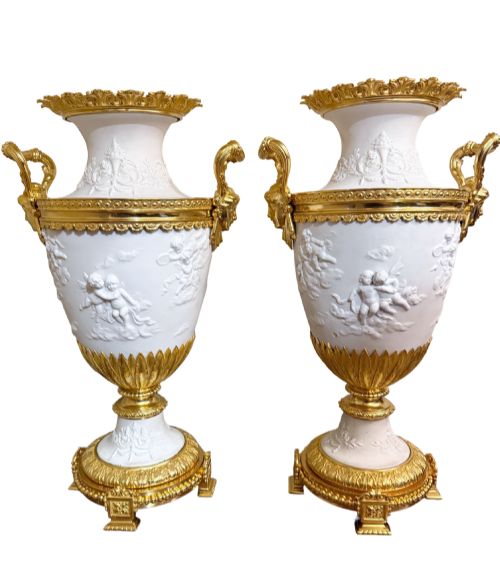
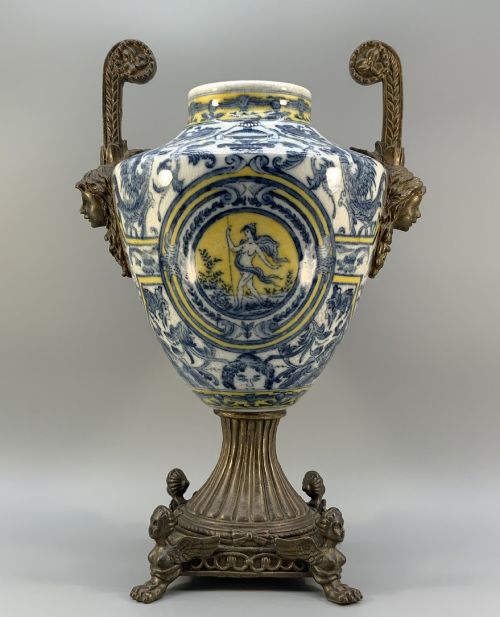
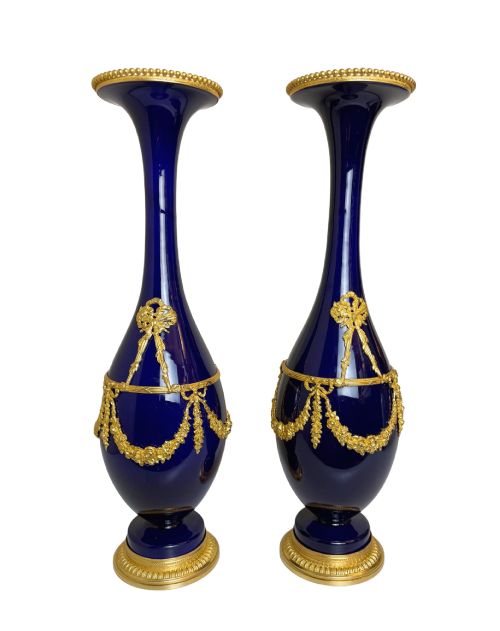
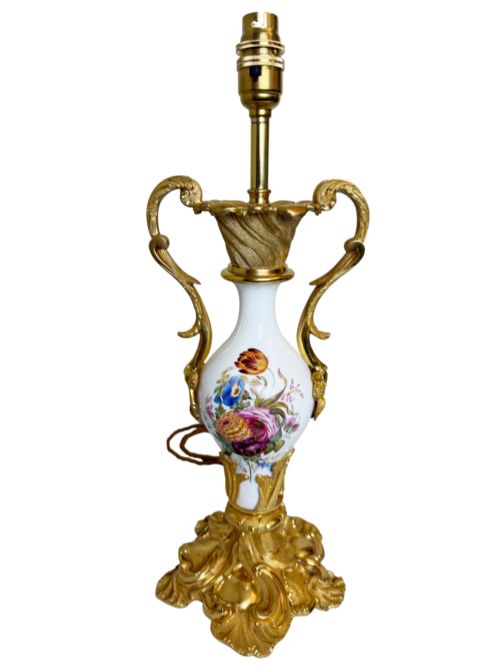
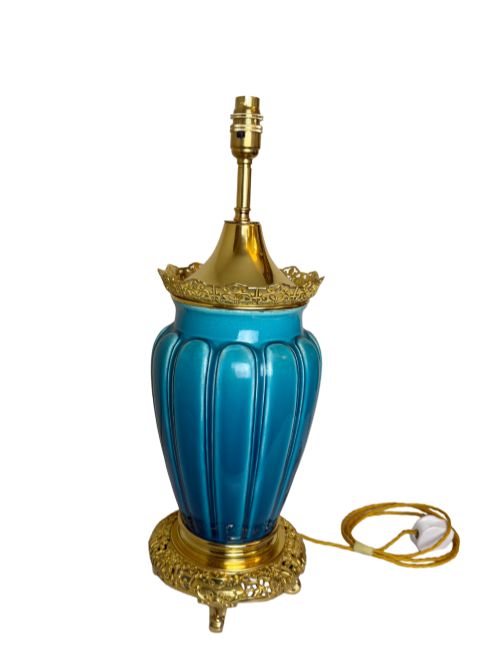
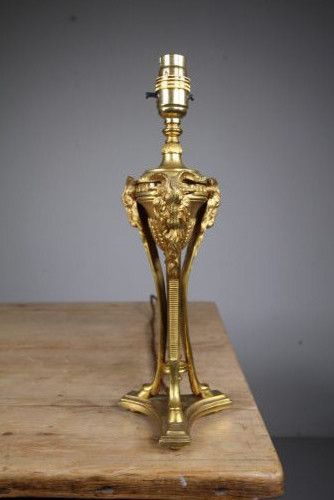
Buyers frequently encounter pairs of matching vessels featuring classical handles, ram masks, or foliate trim. Ceramic bodies in turquoise, deep blue, and white porcelain frequently appear alongside patinated bronze and glass.
How they were made
The manufacture of these objects relies on bronze casting combined with the mercury gilding process known as ormolu, which imparts a rich golden finish. Artisans turned marble and onyx on lathes to form pedestals, columns, and urn bodies.
Detailed mounts, handles, and bezels were cast separately and chased by hand to sharpen the foliate and figurative motifs. Porcelain, faience, and glass components were often imported from kilns like Sèvres or East Asia before receiving European metal mounts.
Materials recorded across the inventory include gilt bronze, ormolu, porcelain, marble, enamel, and patinated bronze.
What varies in quality
Quality rests primarily in the crispness of the bronze chasing and the depth of the original gilding. Finer examples show sharp relief in acanthus leaves and facial masks, while lesser pieces display softer, cast-smooth details.
The integration of materials dictates value, particularly the selection of unblemished marble and the precise fitting of metal mounts to ceramic bodies. Complete garniture sets and matched pairs command greater interest than isolated vessels.
Achille Brocot·Casier·Thomas Hope
The Ormolu Bronze Urns Glossary
- Ormolu
- Gilt bronze produced by applying an amalgam of gold and mercury to a bronze base and heating it. The technique creates a durable, golden matte surface.
- Cassolette
- A decorative vase or urn with a reversible lid that functions either as a closed vessel or a candleholder. These pieces often feature pierced ormolu rims.
- Garniture
- A set of three or more matching ornamental vases, urns, or clocks designed to be displayed together on a mantelpiece. They became popular in French interiors.
- Campana
- A bell-shaped classical urn form derived from ancient Roman pottery. These vessels typically feature flared rims and footed bases.
- Champlevé
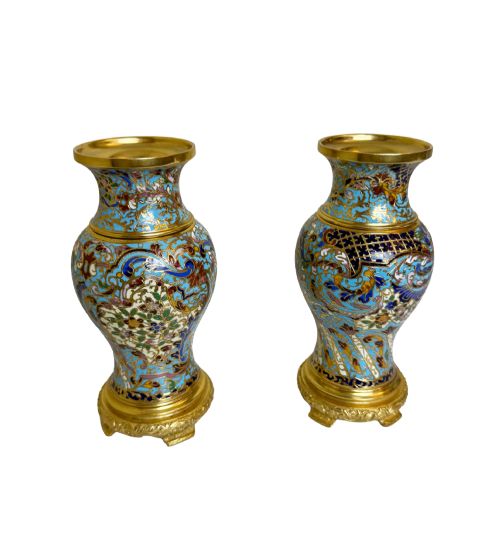
- An enamelling technique where troughs are dug into the bronze surface and filled with coloured glass paste before firing. It frequently decorates nineteenth-century French desk sets and urn mounts.
Ormolu Bronze Urns: Frequently Asked Questions
What are ormolu bronze urns made of?
These decorative objects combine cast bronze elements treated with a gold-mercury amalgam finish alongside natural stone elements. Common companion materials include Sèvres porcelain, glass, and enamel.
Marble and onyx frequently form the pedestals and body sections, providing a heavy contrasting foundation for the bright metal mounts. The combination creates a balanced weight and distinct colour contrast.
How do you style them at home?
Ormolu bronze urns suit traditional mantelpieces, console tables, and large sideboards where their classical proportions can anchor a room. Paired pieces work well arranged symmetrically around clocks or architectural mirrors.
Many examples function as converted table lamps, allowing them to provide ambient lighting while retaining their antique character. Placing them near light sources highlights the reflective quality of the gilt metal.
Are these pieces French or English?
The majority of pieces originate from nineteenth-century French workshops following neoclassical and Louis XVI design revivals. English makers also produced similar campana and neoclassical designs during the Regency period.
Grand Tour pieces acquired by travellers in Europe further expanded the distribution of these classical styles across British country houses. Stylistic details like ram masks and laurel wreaths point directly to these continental influences.
How do I identify the period?
Dating relies on examining the casting techniques, the style of the marble bases, and the specific decorative vocabulary employed. Pieces from the mid-nineteenth century often reflect Louis Philippe or early Empire revivals.
Later nineteenth-century examples incorporate champlevé enamel detailing and varied porcelain bodies reflecting late Victorian taste. Comparing the construction methods of the mounts helps distinguish mid-century works from later reproductions.